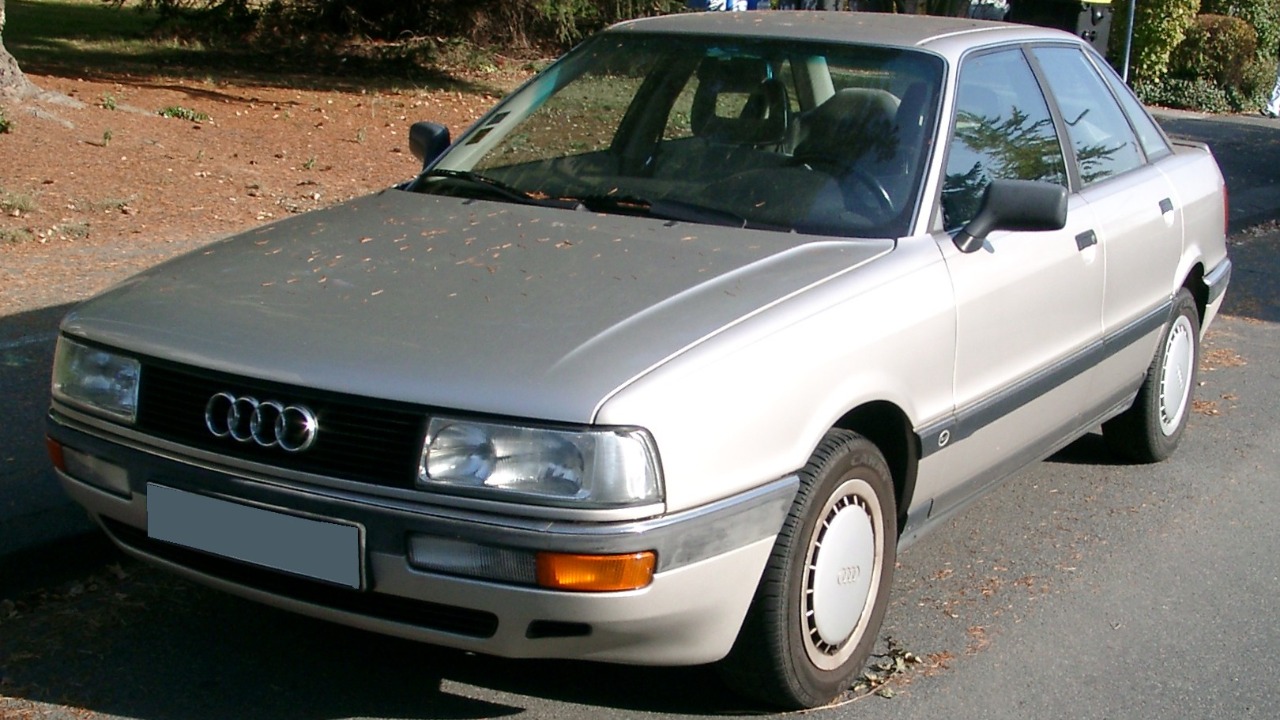
The 1984 Audi 5000 arrived as a sleek European sedan that helped turn a once–obscure German badge into a serious luxury player in the United States, only to be dragged into one of the most damaging safety controversies in modern automotive history. The car was accused of surging forward on its own, a charge that ignited public fear, crushed sales, and sparked a regulatory reckoning. Yet the model, and the brand behind it, ultimately survived, leaving a legacy that still shapes how I think about car design, driver error, and media power.
When I look back at how the 1984 Audi 5000 weathered that storm, I see more than a single sedan’s reputation on trial. I see a collision between engineering choices, television storytelling, and the limits of human perception, with regulators and lawyers trying to referee after the fact. The survival of the car’s legacy, and of Audi itself, says a lot about how quickly a narrative can harden, and how slowly it can be unwound.
The sedan that made Audi matter in America
Before the controversy, the Audi 5000 was the car that finally made the brand feel like a peer to the established luxury names on American roads. Introduced in 1982, the 5000 helped establish Audi as the luxury brand it is today, a step up from its earlier image as a niche European import that traced its corporate roots back to the History and Birth of the Automobile company Wanderer. The 5000’s clean lines, roomy cabin, and refined road manners gave American buyers a different flavor of premium sedan, one that leaned on engineering and subtlety rather than chrome and excess.
By the time the 84 model year rolled around, the 5000 had settled into that role as a quietly aspirational choice, the sort of car that signaled taste without shouting. Looking at a surviving 84 5000 today, it is easy to forget how fresh it once seemed, because, as one junkyard observer put it, Plenty of cars had smooth lines like this by the early 1990s. But in the early 1980s, that aerodynamic shape and the car’s sophisticated feel helped Audi move from the margins into American driveways that had previously defaulted to domestic sedans.
How unintended acceleration became a national panic
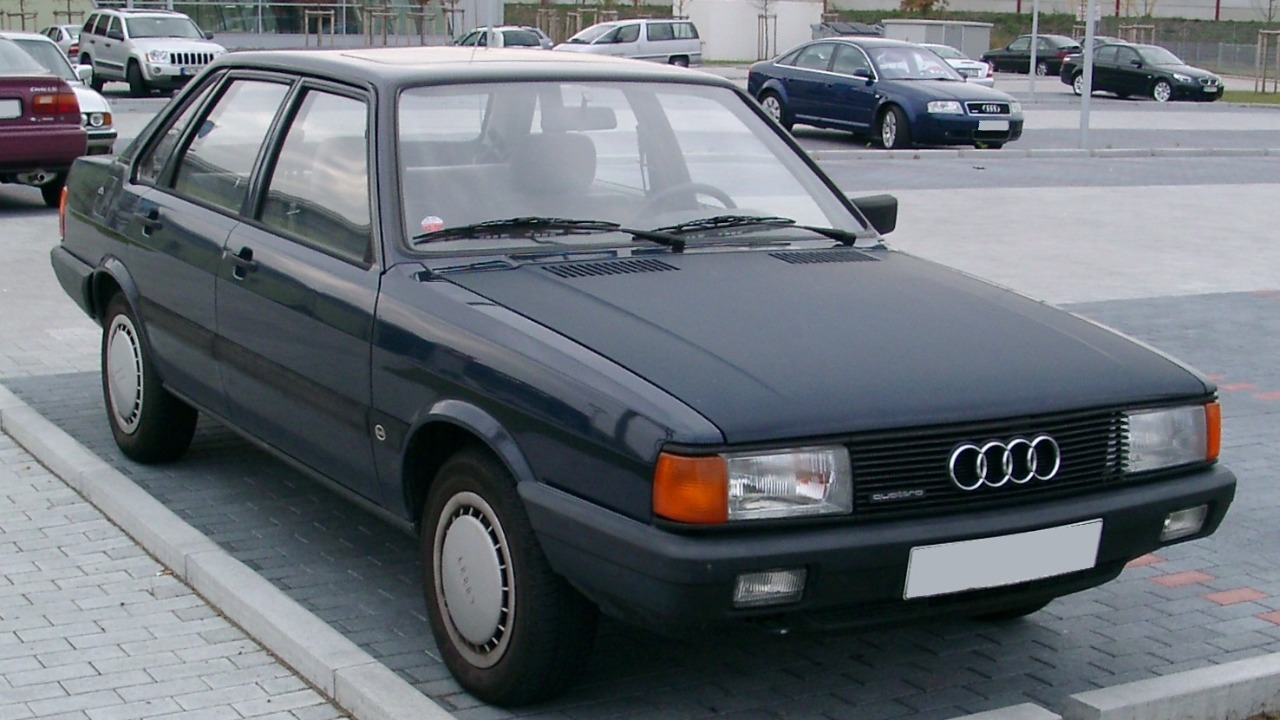
The turning point came when reports began to surface that some Audi 5000s were suddenly surging forward, often in driveways or parking spaces, with drivers insisting they had their foot on the brake. In the 1980s, disturbing reports gathered to show that owners believed the sedan could accelerate on its own, feeding a sense that, as one account put it, In the 1980s, disturbing reports made buyers feel the car itself was unpredictable. The phrase “unintended acceleration” moved from technical jargon into nightly news language, and the Audi 5000 became the face of that fear.
The panic reached a wider audience when CBS devoted a 60 M segment to anguished owners who said their cars had taken off without warning, a narrative that was later revisited in detail in a video on Audi’s unintended acceleration crisis. That broadcast showed weeping families and dramatic reenactments, and it helped cement the idea that the 5000 was not just flawed but dangerous. Earlier coverage had already framed the issue as a major safety scandal, with legal analysts later ranking the Audi 5000 among the Introduced Audi 5000 scandals that reshaped how the public viewed both automakers and the media.
Media, regulators, and the battle over blame
Once the story caught fire, the question shifted from “what is happening” to “who is at fault,” and that is where the 1984 Audi 5000’s fate hung in the balance. Dealers complained that a Defect narrative was driving customers away faster than any technical finding, with one period report describing a Defect Flap Driving Audi Buyers Away while Dealers Decry what they saw as Hysteria Over Acceleration Probe. From their vantage point, the cars were being condemned in the court of public opinion before engineers and regulators could finish their work.
Regulators eventually dug into the mechanics and the human factors, and their findings did not match the most dramatic television claims. A later analysis of the crisis noted that, after years of investigation, the official report concluded that the Audi’s pedal placement, which differed from typical American layouts, contributed to drivers pressing the wrong pedal, a conclusion summarized in a detailed Audi defense of pedal placement. Yet the 60 M broadcast never fully walked back its portrayal, and later commentary pointed out that the Minutes team did not apologize, even as critics argued that the segment had blurred the line between investigation and indictment.
Engineering fixes and the long road back
Even as Audi insisted that driver error was the primary cause, the company quietly changed its cars and supported broader safety changes that reshaped the industry. One retrospective on the brand’s technology notes that Audi claimed driver error but, even though no mechanical fault was found, it revised the placement of the brake and accelerator and endured damage to Audi’s reputation in the marketplace for years. That combination of defiance and adaptation is part of why the 1984 5000 still fascinates me: the car did not change overnight, but the way drivers interacted with it did.
The regulatory response went further, mandating design changes that reached far beyond a single model or brand. Later repairs, of 250,000 cars dating back to 1978, added a device that required drivers to press the brake pedal before shifting out of park, a change documented in the broader history of Later repairs of 250,000 cars tied to sudden unintended acceleration. That simple interlock, now so common that most drivers never think about it, is one of the clearest ways the Audi 5000 controversy lives on in everyday driving.
The 1984 5000’s legacy in the age of viral outrage
Today, the 1984 Audi 5000 sits at an odd crossroads of memory, part cautionary tale and part misunderstood pioneer. Enthusiasts still debate the fairness of the coverage, pointing to detailed reconstructions of the crisis, including a video that walks through how, for years, the company that makes Audi’s has had to defend its cars against claims that they suddenly speed up out of control, a story retold in a Feb Audi acceleration explainer. Online communities revisit the saga with a mix of fascination and skepticism, with one widely shared TIL post reminding readers that Minutes ran a scathing exposé on the Audi 5000 and that TIL the Minutes segment never led to a formal apology.
When I trace that arc from driveway crashes to brake interlocks, I see how the 1984 5000 survived not by escaping blame entirely but by being folded into a broader understanding of how humans and machines share responsibility. Detailed retrospectives on the unintended acceleration debacle point out that 60 M did not retract its piece and even called the NHTSA findings “an opinion,” a stance that critics argue helped turn a complex issue into a morality play, as recounted in a Curbside look at 60 M and NHTSA. For me, that tension between narrative and nuance is exactly why the 1984 Audi 5000 still matters: it is a reminder that a car’s fate can hinge as much on how its story is told as on what its engineers actually built.
More from Fast Lane Only: