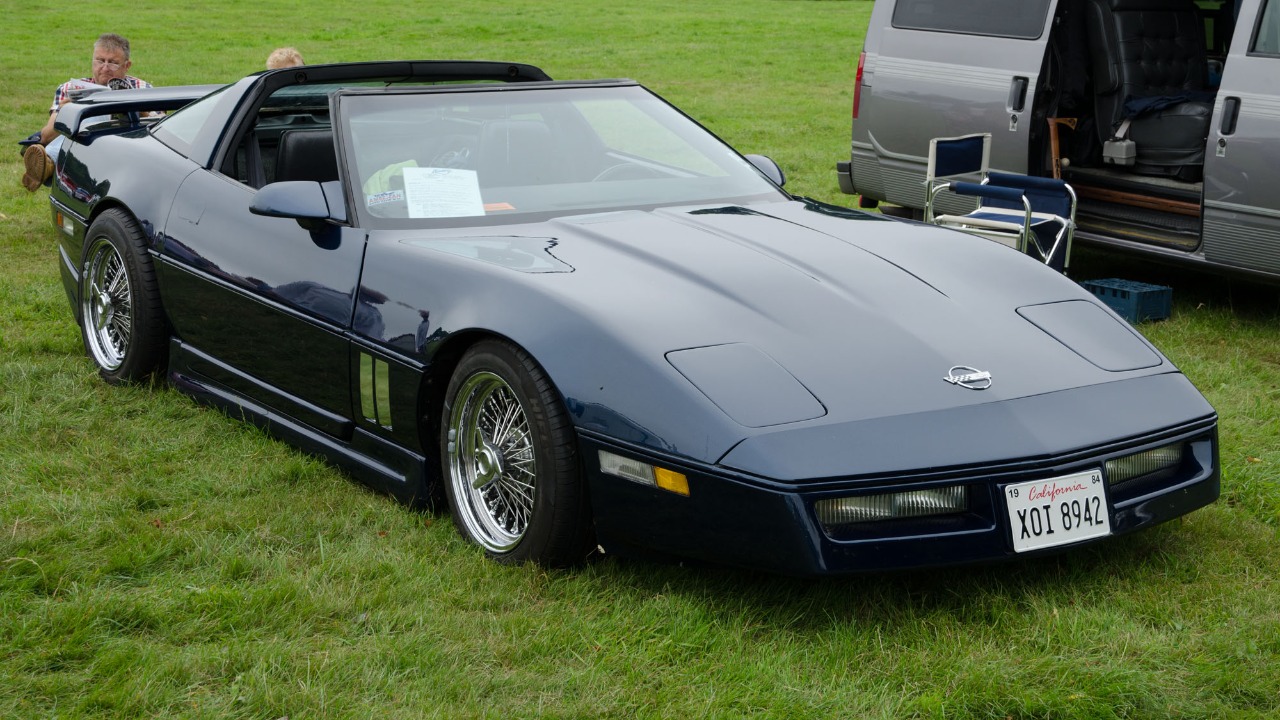
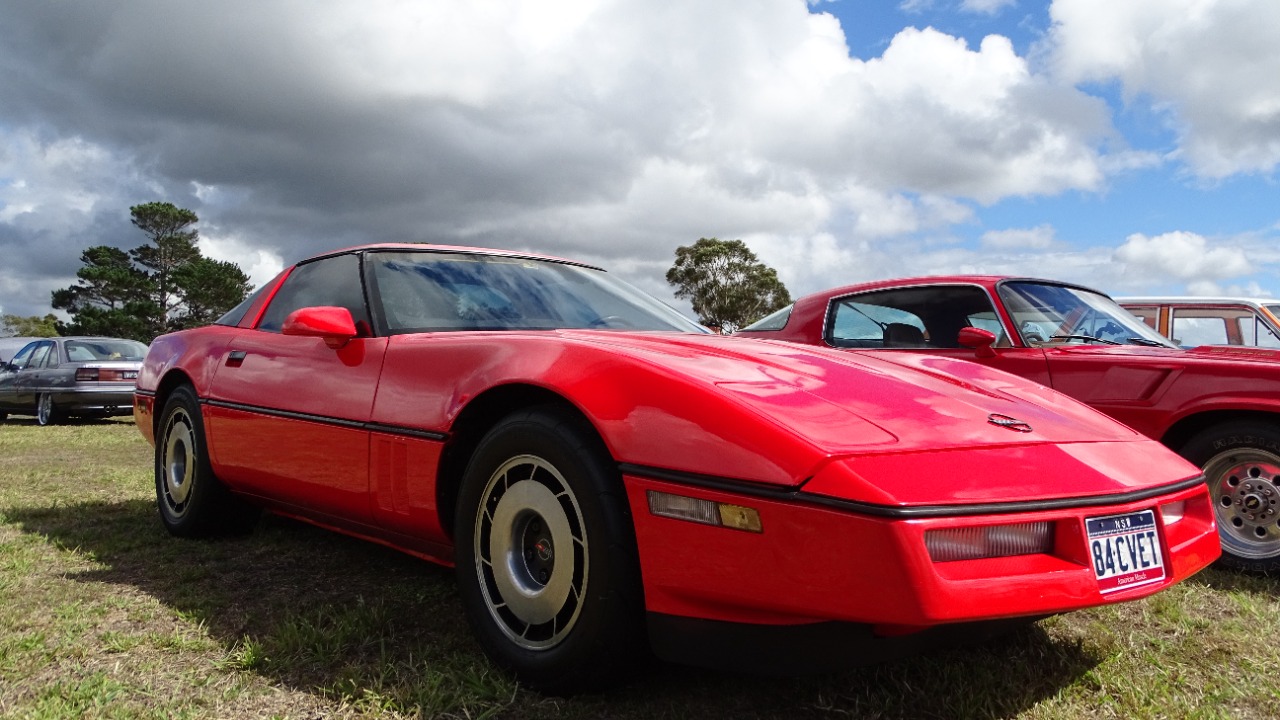
The 1984 Chevrolet Corvette did more than usher in a new generation of America’s sports car, it dragged the dashboard into the computer age. Instead of analog needles and chrome bezels, drivers stared into a glowing liquid crystal command center that looked closer to a fighter jet than a showroom coupe. When the 1984 Corvette went digital, it signaled that performance was no longer just about horsepower and handling, it was also about data, graphics, and the feeling that You were piloting the future.
Four decades later, that bold experiment still divides enthusiasts, but it also feels uncannily familiar in a world of configurable screens and software updates. I see the 1984 car as a bridge between the slide-rule era and the touchscreen era, a moment when engineers tried to translate raw mechanical forces into pixels and segmented numerals, long before anyone carried a smartphone.
The leap from fiberglass to future shock
By the time the fourth-generation Corvette arrived, The Chevrolet Corvette had already cycled through three distinct eras of style and engineering, from chrome-heavy 1950s cruisers to the sharper, more aggressive C3. The C4 that appeared for the 1984 model year was pitched as a clean break, with a lower, more aerodynamic body and a chassis that treated handling and high-speed stability as seriously as straight-line speed. Underneath, the structure was new, and even the body materials shifted, as the rear bumpers and panels moved away from traditional fiberglass to a sheet molding compound that better suited high-volume, high-precision production, a change that helped define the look and feel of the Chevrolet Corvette (C4).
That structural reset gave designers permission to rethink the cockpit as well. Instead of simply updating the familiar twin-pod layout, they carved out a wide, driver-focused binnacle that could house something radically different from the analog dials of earlier Corvettes. The result was a cabin that felt like a single integrated machine, from the clamshell hood and wraparound glass to the instrument panel that would soon be marketed as a kind of rolling computer, a place where The Corvette and You would meet in glowing green digits.
Inside the Corvette communication center
Open the door of a 1984 model and the first thing that pulls your eye is not the steering wheel or the shifter, it is the rectangular cluster of screens and segmented bars that Chevrolet called the Corvette communication center. Instead of a sweeping speedometer needle, the driver saw a bright digital readout flanked by bar graphs for engine speed and other vital signs, all rendered in a liquid crystal display instrument cluster that turned the dash into a piece of consumer electronics. The layout grouped core information in the main pod and pushed secondary data to surrounding displays, so the car could surface everything from coolant temperature to fuel status without cluttering the central view, a philosophy that still echoes in modern performance-car interfaces.
What made that communication center feel so advanced was not just the graphics but the way it invited the driver to interact. Buttons on the console let You cycle through trip functions, fuel range estimates, and average fuel consumption, effectively turning the car into its own rolling calculator. Period brochures leaned into that idea, promising that The Corvette would help You monitor fuel consumption or average fuel consumption through the same digital brain that handled speed and revs, a pitch that is preserved in the detailed 1984 Corvette specs that enthusiasts still pore over today.
The Digital Dawn and the Cross-Fire compromise
For all its visual drama, the 1984 car was not just about screens, it was also about reconciling new electronics with an engine that sat at an awkward crossroads. Under the hood, The Chevrolet Corvette relied on a Cross-Fire injection system that tried to blend traditional V8 character with emerging fuel-injection technology, a combination that some owners loved and others saw as a half-step. One detailed FAQ even frames that first year as The Digital Dawn and the Cross, Fire Blunder The Corvette, capturing the tension between a futuristic cockpit and a powertrain that did not always live up to the promise of its graphics, especially as later engines would quickly eclipse its output and refinement, a contrast that is spelled out in a C4 Corvette FAQ that tracks those early years.
Yet even with that mechanical compromise, the overall package felt like a technological summit for General Motors. One retrospective describes how the car that went on sale to the public in March of 1983 as an 84 m model was the pinnacle of GM automotive design and technology, a statement that reflects how radical the chassis, aerodynamics, and electronics looked compared with the outgoing C3. When I look back at that description, preserved in an On the Road to Respect feature, it is clear that the digital dash was not a gimmick tacked onto an old platform, it was part of a broader attempt to reposition the Corvette as a high-tech flagship at a time when microchips were just starting to reshape the industry.
How the digital dash actually worked
From a driver’s seat perspective, the 1984 cluster was both simple and surprisingly deep. At a glance, You saw a bright numeric speed readout, a horizontal bar for engine rpm, and flanking indicators for fuel and temperature, all framed by warning lights that could call out issues more clearly than a tiny analog lamp. Dig a little deeper and the controls around the dash let You adjust brightness, toggle between English and metric units, and call up trip and fuel data, turning the display into a kind of early human-machine interface that rewarded curiosity. A detailed walk-through of the Corvette Digital Dash shows how each button and switch mapped to specific functions, and how the layout tried to keep critical information in the driver’s primary sightline while tucking less urgent data into secondary zones, a design philosophy that still feels remarkably modern in the Corvette Digital Dash demonstration.
Enthusiasts have since cataloged the subtle differences between early and later versions of that display. One discussion notes that the digital gauge cluster design was produced from 1984 to 1989, and that There is a slight variation with 1984 compared to 85 and 89, a reminder that even within the same generation, engineers kept tweaking fonts, colors, and warning logic to improve legibility and reliability. When I read owners comparing the 1984 layout with the later 85 and 89 clusters in a detailed digital gauge cluster thread, what stands out is how much affection there still is for the original design, even as people acknowledge its quirks and the occasional failure of aging electronics.
From outrun fantasy to evolving legacy
Part of the enduring charm of the 1984 dash is how perfectly it fits the pop culture of its time. The glowing numerals and segmented bars look like they were ripped from an arcade cabinet or a sci-fi TV show, and owners have not missed the connection. In one conversation, Jan points out that the 80s digital gauge cluster design in the 1984 to 1989 Chevrolet Corvette feels like something straight from Knight Rider, and There is a clear sense that the car’s interior belongs in the same neon-soaked universe that now inspires outrun art and synthwave playlists. When I scroll through that digital gauges discussion, it is obvious that the dash has transcended its original role as a mere instrument panel and become a cultural artifact of 1980s futurism.
At the same time, the C4 as a whole has been slowly reappraised. A detailed Quick History of the Chevrolet Corvette notes that earlier C4 Corvettes had distinctive directional wheels with turbine fins and a host of other period details that once felt dated but now read as charmingly focused, part of a generation that delivered solid performance and some excellent special editions. That same Quick History of the Chevrolet Corvette reminds me that the C4’s story stretches well beyond its first year, with later models gaining more power, refined suspensions, and subtle styling updates that built on the digital foundation laid in 1984.
How the C4’s digital gamble shaped modern dashboards
Seen from today, the 1984 experiment looks less like a novelty and more like a prototype for the fully digital cockpits that now dominate performance cars. The C4 generation ran deep into the 1990s, and along the way designers kept adjusting the balance between analog and digital, but that first leap into a full liquid crystal cluster set a template for treating the instrument panel as software as much as hardware. A later look back at the C4 points out how You can see the wrapround front marker lights on a 1994 model as part of a broader evolution of the car’s styling, and that same eye for incremental change applied inside, where graphics, warning logic, and controls were refined year by year, a process captured in a look back at the history of the Corvette C4 that tracks those updates.
What ties it all together for me is how the 1984 car fits into the broader arc of The Chevrolet Corvette, which debuted in 1953 and has since passed through multiple generations that each tried to redefine what an American sports car could be. A detailed overview of that lineage notes that the fourth generation is often seen as a decent generation with some excellent special editions, a measured verdict that still leaves room to appreciate how radical the digital dash felt in its own time. When I connect that long view, laid out in a history of the C4, with the glowing green numerals that greeted drivers in 1984, it is hard not to see that moment as the first real handshake between America’s sports car and the digital world that now surrounds every drive.
More from Fast Lane Only: