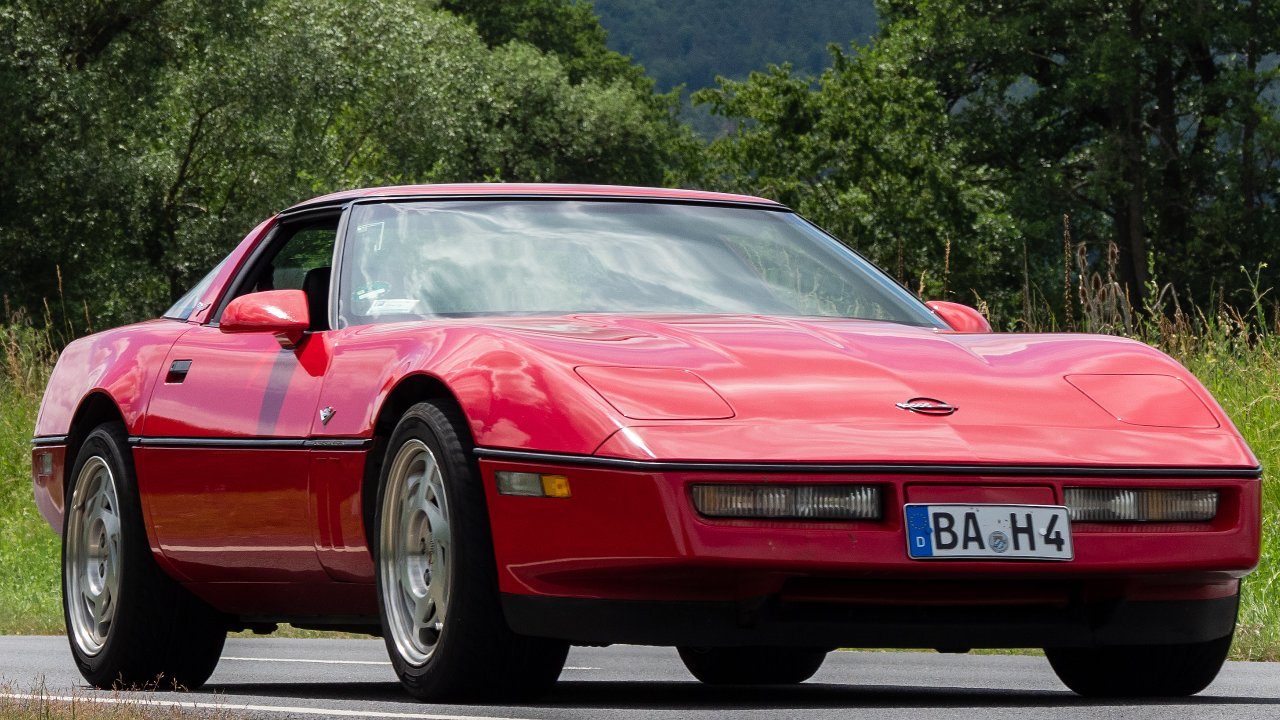
The 1984 Corvette did something few production cars dared to attempt at the time: it put a fully digital instrument panel front and center in America’s most famous sports car. Instead of sweeping needles and chrome bezels, drivers faced glowing bar graphs and segmented numerals that looked closer to a fighter jet than a showroom coupe. That bold decision set the tone for the C4 generation and previewed the digital dashboards that now dominate modern performance cars.
A radical reset for Corvette and its cockpit
When the fourth-generation Corvette arrived for 1984, it was not a gentle evolution of the long-running C3 but a clean-sheet rethink of how a Corvette should look, drive, and feel. The car’s designers pushed for a more modern, high tech identity, and the interior became the clearest expression of that shift, with a glassy, wraparound cluster that framed the driver like the cockpit of an airplane. Contemporary descriptions of the 1984 Corvette L83 350 Dashboard emphasize how the new layout surrounded the driver with electronic readouts and sharply angled surfaces, a sharp break from the analog dials that had defined earlier models.
That futuristic cabin matched a chassis and drivetrain that were also engineered around electronics. The Corvette used an on-board computer to coordinate its all new 4-speed manual with 3-speed automatic overdrive, a Unit that could switch between high performance and overdrive operation. The same appetite for microprocessors that governed the transmission and engine management made the leap to the instrument panel feel almost inevitable, and the digital cluster became the visual signature of a car that was determined to leave the 1970s behind.
Inside the C4’s all-digital instrument panel
The 1984 Corvette’s dashboard did not simply replace needles with numbers, it reorganized how information was presented to the driver. The central speed readout and tachometer were rendered as bright, graph-type displays, with horizontal bars that rose and fell instead of sweeping pointers. Flanking those primary gauges were supplementary readouts and a trip computer, all integrated into a single, continuous panel that looked like a single piece of glass. Later descriptions of the C4 note that the car launched with an all-digital affair that combined these bar graphs with additional gauges and computer functions, making the cluster the focal point of the interior.
Owners and enthusiasts still talk about the start-up sequence that greeted drivers when they turned the key. The panel would light up in stages, with the digital clock-style numerals and bar-graph speedometer cycling through their checks before settling into their normal positions. Commentators looking back on that sequence argue that there was a time when these digital clock-esque readouts and bar-graph speedometers made a car cooler, not more complicated, and that the C4’s display captured that moment perfectly. The effect was theatrical, but it also underscored that the Corvette’s instruments were now software driven, capable of behaviors that analog needles could never mimic.
Why digital dashboards felt so futuristic in 1984
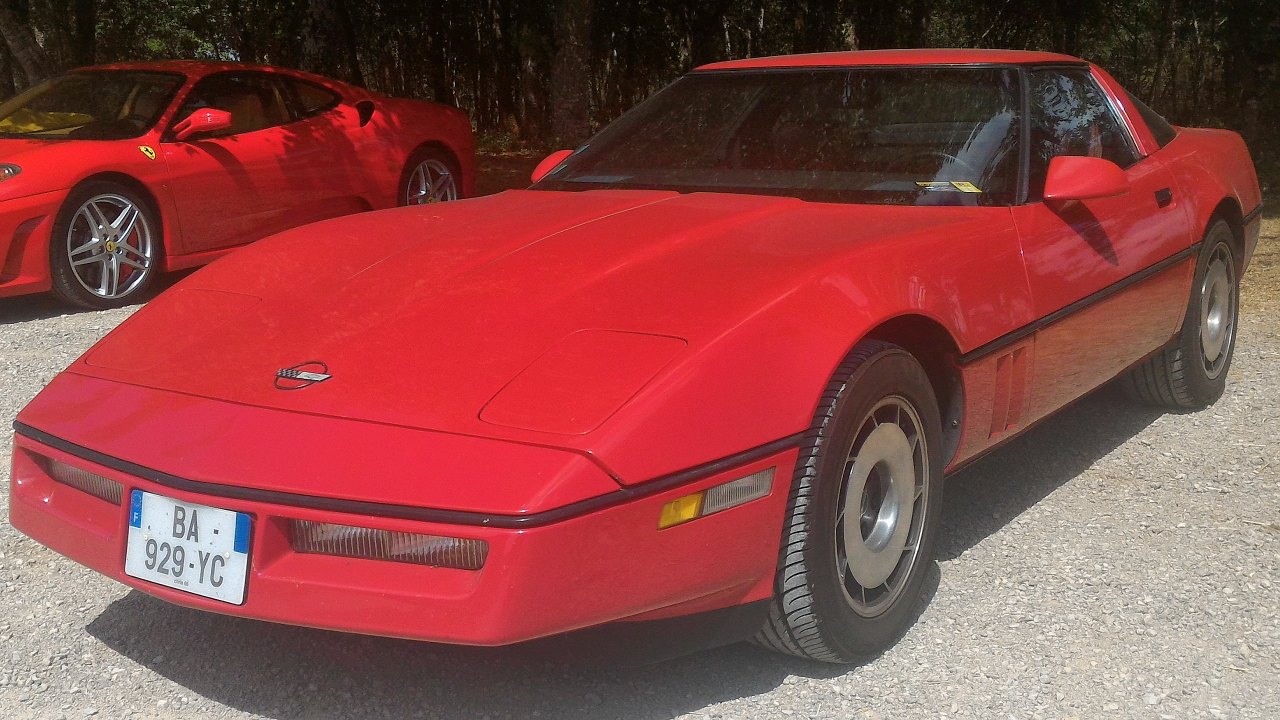
Digital instrumentation in cars was not entirely new by the mid 1980s, but it had never been deployed so prominently in a mainstream American performance icon. Analysts who study the history of instrument clusters note that Digital instrumentation has gone through several waves of relevance, rising when new display technologies promise a leap forward and fading when drivers rediscover the appeal of analog elegance. In 1984, the Corvette landed squarely in one of those rising waves, using its electronic cluster to signal that it was aligned with the era’s fascination with computers and video displays.
That context helps explain why the C4’s panel made such an impression. The Dawn of a New Era for the Corvette was not just about composite bodywork and revised suspension geometry, it was about presenting information in a way that felt like something from a futuristic film. The digital dash fit neatly with the car’s angular exterior and its emphasis on electronic control systems, turning the driving experience into a kind of rolling technology demo. For buyers who had grown up on analog gauges, the glowing numerals and animated bars were a clear message that the Corvette was stepping into a different age.
Living with early digital tech, then and now
As striking as the C4’s electronic cluster looked, living with early digital hardware brought trade-offs that owners still grapple with decades later. Enthusiasts who specialize in these cars point out that the first of the electronic liquid crystal panels were visually impressive but could be fragile, with aging components leading to dim segments, flickering readouts, or complete failures. Some owners describe the panels as very good looking dash panels that can be difficult to bring back to life, a reminder that cutting edge consumer electronics from the 1980s were never designed with forty-year lifespans in mind.
That fragility has created a small ecosystem of repair and replacement options. One aftermarket Corvette LED Digital Panel, designed for 1984 to 1989 cars, replaces the original display with modern electronics while preserving the digital aesthetic. Its Speedometer reads up to 255 MPH and features an odometer, trip meter, one-button calibration, and other functions that can be adjusted at the push of a button. The existence of such products shows how owners still value the idea of a digital dash, even if they prefer contemporary reliability and brighter LEDs to the original liquid crystal technology.
From early experiment to enduring influence
The C4’s digital cluster did not last unchanged throughout the generation, and that evolution says a lot about how drivers responded to the experiment. Community discussions about which model years used digital instrument panels note that 90 started the later dashboard and that 91-96 used an analog layout, with some enthusiasts joking that they are more than happy when others do not want the awesome early design. That shift back toward analog suggests that while the fully electronic look captured the spirit of the mid 1980s, later buyers and engineers gravitated toward a compromise that blended traditional needles with selective digital elements.
Even so, the influence of the 1984 Corvette’s cluster is visible in later performance cars that rely heavily on configurable screens. When the Corvette returned to a more advanced digital display in the 2010s, observers pointed out that the C4 had already debuted an all-digital affair decades earlier, complete with graph-type displays and a trip computer. Broader histories of the model, including a Quick History of the Chevrolet Corvette C4, emphasize that The Chevrolet Corvette C4 1984 was designed by Dave McLellan as a radical break from its predecessor, and the instrument panel was central to that identity. Looking back, I see that early embrace of digital dashboards as a risk that paid off in influence, even if the hardware itself proved imperfect, because it taught both engineers and drivers how far a sports car’s cockpit could be pushed toward the future.
More from Fast Lane Only: