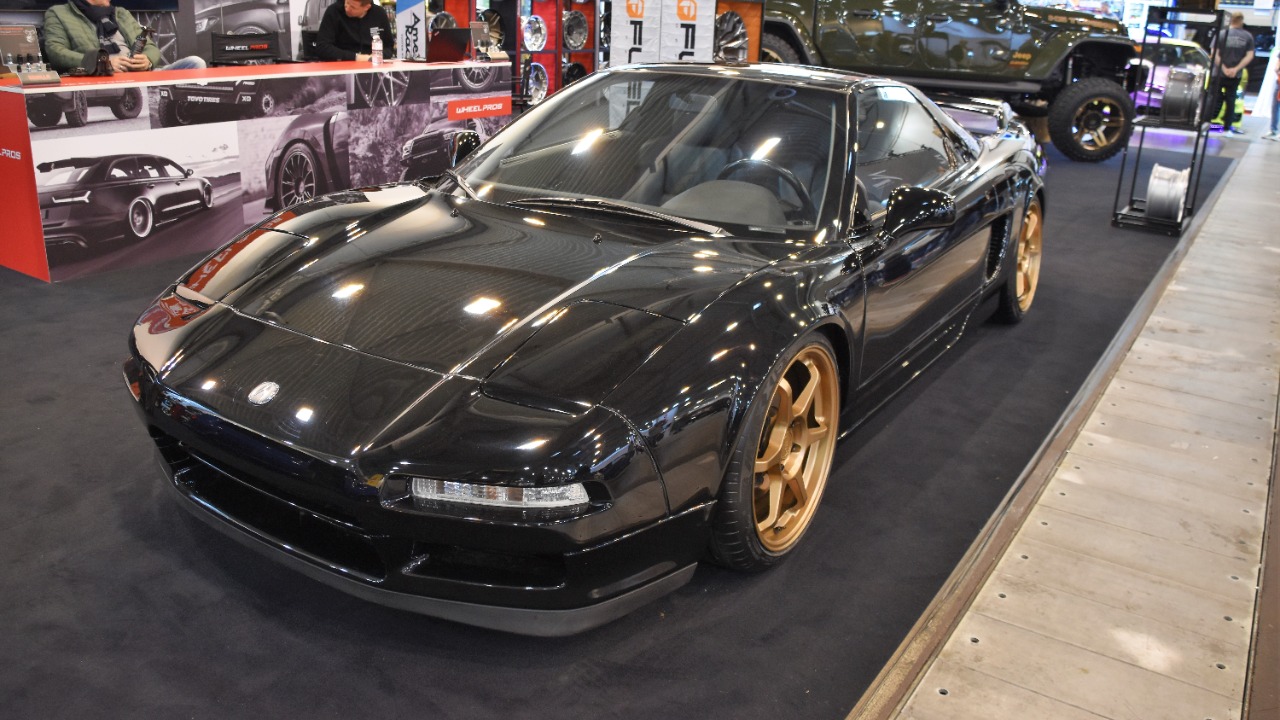
The 1991 Acura NSX did not just join the supercar club, it rewrote the membership rules overnight. By pairing exotic looks and race-bred engineering with the manners of a daily driver, it forced rivals to rethink what a high performance car should feel like to live with. More than three decades later, I still see that first NSX as the moment Japanese engineering calmly walked into a European dominated arena and changed the conversation for good.
The quiet revolution that stunned European royalty
When I look back at the original Acura NSX, what strikes me most is how quietly radical it was. Instead of chasing drama for its own sake, it arrived with a low, clean body, a mid mounted V6 and a cockpit that felt more like a well sorted Honda than a temperamental exotic. That combination sent a shockwave through the supercar establishment, because The NSX proved you could have speed, innovation and everyday driveability without sacrificing build quality or usability, and that was a direct challenge to long standing European assumptions about what a supercar had to be.
The impact was not just emotional, it was philosophical. Established European brands suddenly had to contend with a rival that started every design decision from the driver outward, prioritising visibility, ergonomics and reliability as much as lap times. When the original Acura NSX made its debut, it was described as forever changing the supercar universe by combining scintillating performance with a new, more rational definition of what a high end sports car could be, directly challenging the definition of supercar performance that had been set by European royalty.
Engineering precision without the usual supercar punishment
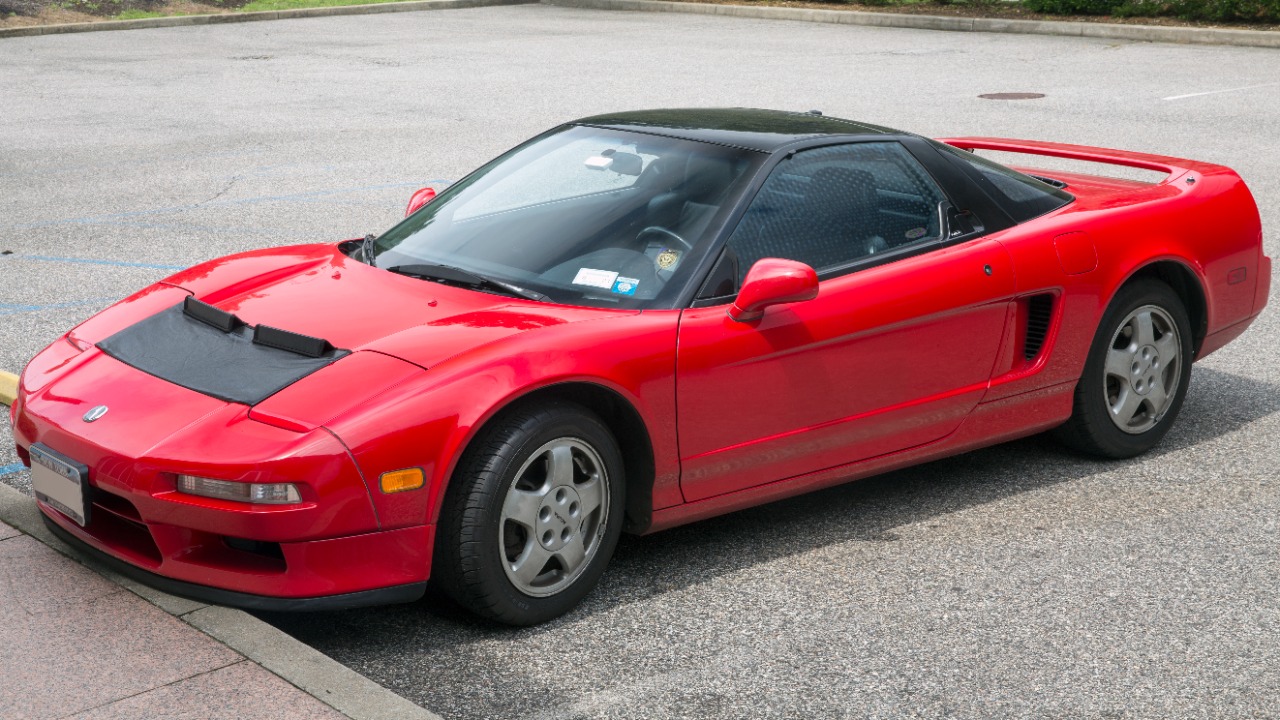
From a technical standpoint, the 1991 NSX was a masterclass in restraint and precision. Under its glass engine cover sat a three liter V6 with titanium connecting rods, an output of 270 horsepower and an 8 000 rpm redline, a combination that delivered race car urgency without resorting to turbochargers or unwieldy displacement, as detailed in one deep dive on how the 270 horsepower and 8 000 rpm package reshaped expectations. The chassis, built around an all aluminium structure, felt light on its feet yet unflappable, and the steering communicated in a way that made you trust the car immediately, even if you were far from a professional driver.
What really reset expectations for me, though, was how little punishment the NSX demanded in return for that performance. Owners could climb in, fire up the naturally aspirated engine and commute without worrying about temperamental electronics or fragile clutches, a point that comes through clearly when one long distance drive to Radwood notes that even with the radio out, the naturally aspirated engine was one of the best soundtracks on the road. In an era when supercars were often weekend toys that punished their owners, the NSX showed that engineering excellence could make a car both thrilling and forgiving, and that was a revelation.
Everyday usability that felt almost suspicious
Living with the first Acura NSX could feel almost suspiciously easy, and that was exactly the point. Slide into the driver’s seat and the view out was airy, the controls were light, and the gearbox had a short, precise throw that made city traffic as manageable as a Sunday blast on a back road. One detailed walk around by Chris at the NIO Auto Group highlights how the cabin layout, driving position and visibility all felt more like a well sorted sports coupe than a temperamental exotic, which is why I still think of the NSX as the first true everyday supercar.
Even the practical touches bordered on subversive for the segment. The car had a spare tire, something you cannot even find in many normal cars today, and inside it paired that sporty short throw manual with comfort features that made long drives realistic rather than masochistic, as one focused short points out when explaining how the 1991 Acura NSX skipped the drama of owning a traditional supercar. That blend of usability and performance did not just make owners happy, it raised the bar for what buyers would tolerate from any brand daring to charge supercar money.
Value, accessibility and the shock of refinement
Price is where the NSX’s disruption becomes even clearer. The original NSX had a starting MSRP of $62,000 (USD), a figure that placed it squarely in the aspirational zone but still undercut many European rivals that offered less reliability and comfort, as laid out in a comparison of the 1991 NSX Price and MSRP in USD. Adjusted for inflation, that number looks even more compelling today, because it bought not just performance but a level of refinement that had been rare in the segment.
That refinement continues to surprise even seasoned enthusiasts. One jaded journalist admits that, while early drives in various NSXes did not completely win them over, they eventually realised that the car’s balance of comfort, feedback and reliability made it a standout among iconic Japanese performance machines, a shift captured in a reflection that begins with the word Luckily. For me, that evolution in perception mirrors the broader market’s journey, from seeing the NSX as an outlier to recognising it as a benchmark for how much polish a serious driver’s car should offer at its price point.
The legacy that shaped every NSX that followed
The expectations set by that first generation car have never really gone away, and they still shape how I judge every modern reinterpretation of the badge. When the new Honda NSX arrived, reviewers were quick to note that, in the same vein as its Honda NSX predecessor, the new NSX was designed to be more user friendly and ultimately controllable, a trait that was framed as very good news in the high performance arena because it echoed the original’s focus on accessibility, as highlighted in a review that explicitly compares the modern Honda NSX to its ancestor. Those lofty expectations were set by the aforementioned original NSX, and they continue to define what buyers look for when they see the badge.
That lineage is explicit in modern debates about whether the latest car lives up to the legend. One detailed comparison argues that all the haters are wrong and that the new Acura NSX is just like the original NSX in the ways that matter, pointing out that the first generation Acura NSX reset the bar for how companies like Ferrari and Porsche approached building their own cars, a claim backed up by a close look at how the NSX and Acura NSX influenced the wider industry. When I watch modern enthusiasts, including presenters like Apr who has wanted to drive one since he was a tyke, climb into a 1991 Acura NSX and come away mindblown by how modern it still feels, as seen in a detailed drive of the OG Acura NSX, I am reminded that this car did not just change expectations overnight, it set a standard that the rest of the performance world is still chasing.