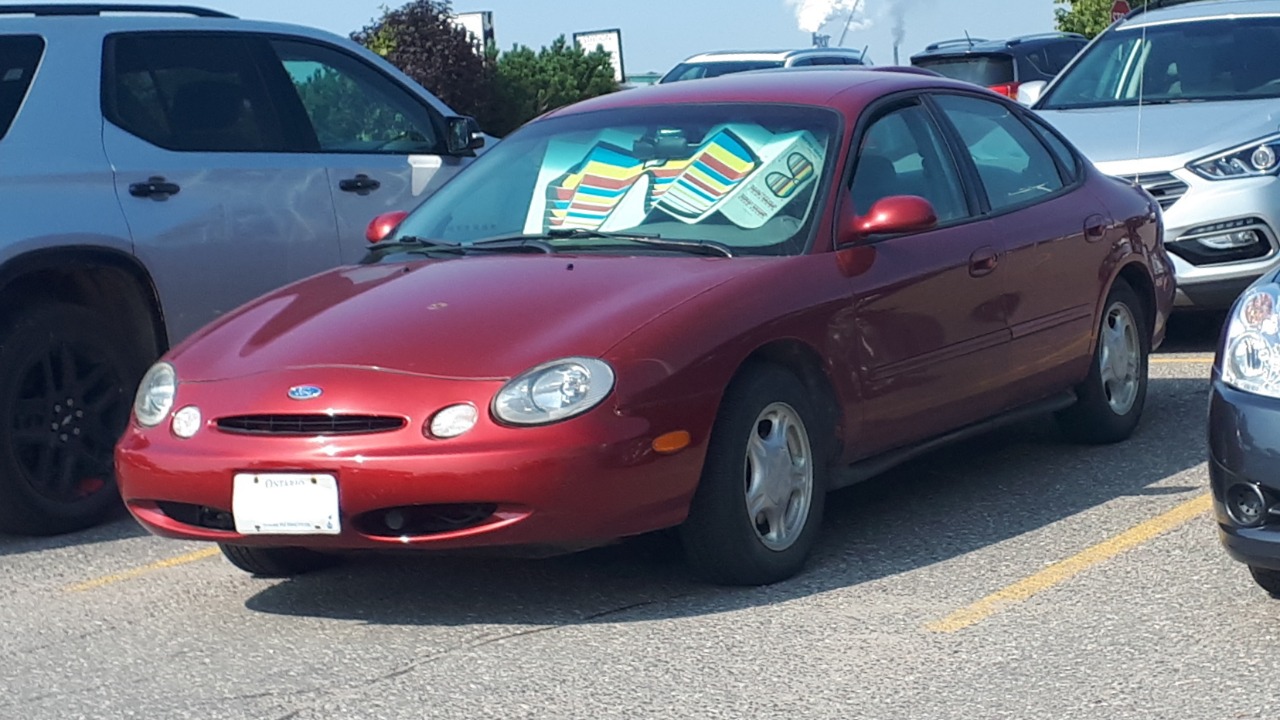
The last Ford Taurus SHO of the 1990s arrived with a new shape, a new engine, and a heavy burden of expectation. After a decade of surprising enthusiasts, this final attempt to keep the Super High Output idea alive had to prove that a family sedan could still feel special in a market tilting toward safer, blander choices. The 1999 Ford Taurus SHO tried again to make the ordinary extraordinary, and in the process it became one of the strangest, most misunderstood performance cars of its era.
The sleeper that set the bar too high
When I think about why the 1999 car struggled, I have to start with how high the original bar was. The Ford Taurus SHO, short for Super High Output, began life as a stealthy performance version of the mainstream Ford Taurus, a car that hid serious speed under a conservative body. The first generation arrived as a limited-production experiment and quickly earned a reputation as a genuine enthusiast sedan, which meant later versions had to live up to a legend that Ford had not fully planned for when it created the Ford Taurus SHO.
Those early cars worked because they felt like a secret handshake. The Ford Taurus SHO hit the market in 1989 and was initially produced until 1999, and the first generations built a following by pairing a workaday sedan shell with genuinely lively performance that enthusiasts still talk about today. That long first run, which later enthusiasts remember as a golden age, meant that by the time the final 1990s redesign arrived, the nameplate was carrying a decade of expectations that, as one retrospective on The Ford Taurus SHO makes clear, were rooted in its dynamic performance rather than its styling or badge.
The radical third generation and its V8 gamble
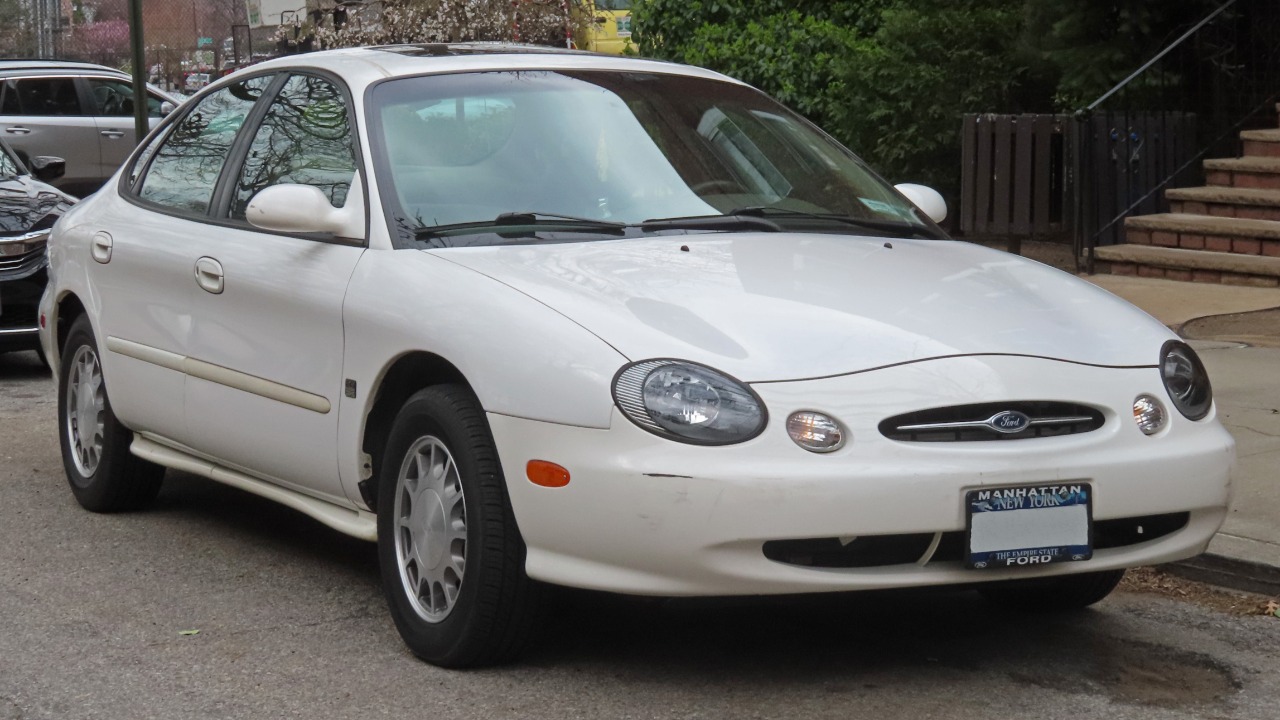
By the late 1990s, Ford decided that the way to keep the SHO relevant was to go bigger and bolder, and that is how the V8 Taurus SHO was born. This was the only V8-powered Taurus SHO model ever built and only lasted for three model years, a short run that shows how risky the move really was. As one detailed look at a surviving example notes, this generation is remembered as the moment when the Taurus SHO tried to reinvent itself with a new engine and a more dramatic body, a combination that, according to a feature on how this V8 Taurus SHO is now “dirt cheap,” did not translate into lasting market success.
Under the hood, the Ford SHO V8 engine, labeled Super High Output, was designed and built by Ford Motor Company in conjunction with outside partners specifically for this front wheel drive application. That unusual layout, a V8 driving the front wheels, made the car technically fascinating and dynamically controversial, and it defined the third-generation Taurus SHO until production of this version ended. Enthusiasts still trade stories about the quirks and strengths of that powerplant in threads that dissect the Ford SHO V8 engine and the way it shaped the final years of the 1990s car.
Why the 1999 SHO stumbled in the showroom
For all its engineering intrigue, the 1996 to 1999 Taurus SHO never connected with buyers the way its predecessors had, and by the final 1999 model year the writing was on the wall. Only 3,300 were sold in 1999, the final year of Taurus SHO production, a tiny fraction of the broader Taurus volume and a clear sign that the market had moved on. That figure, highlighted in a detailed generational history that notes how Only 3,300 units found homes before the nameplate went dormant, captures just how far the car had fallen from its earlier status as a cult favorite, as laid out in a comprehensive Taurus SHO history.
The competition did not help. Around the same period there was a newly redesigned Toyota Camry, and this car was more conservative than the Taurus and overtook it as the bestselling family sedan in America. That shift in buyer taste, toward the safe and familiar Toyota Camry and away from the more adventurous Taurus, left the SHO stranded as a niche product attached to a mainstream model that was losing its grip on the market. A critical video essay that bluntly calls the 1996 to 1999 Ford Taurus SHO an epic failure points to that changing landscape, arguing that the Toyota Camry and its steady rise made it harder for Ford to justify a wild performance variant of a shrinking player.
The decade-long silence and the turbocharged return
Once the 1999 model year wrapped up, the badge disappeared, and that silence is part of what makes the final 1990s car feel like a last stand. Following the 1999 model year the SHO was phased out as Ford’s focus shifted to other models, and the name would not return to a production Taurus for roughly a decade. Enthusiast retrospectives underline how that decision effectively froze the SHO in time, turning the last V8 sedans into oddball artifacts that, as one piece on looking back at the SHO notes, still stand out among Ford’s most exciting products of that decade even if they did not sell well.
When the badge finally returned, it did so on a very different kind of car. Among the introductions of new vehicles at Wednesday’s Chicago Auto Show, Ford rolled out a revived Ford Taurus SHO that swapped the old V8 for a modern twin-turbo V6 and all wheel drive. That relaunch, which was expected in dealerships later that summer, signaled that Ford still saw value in the Super High Output idea, but now wrapped it in a more upscale, technology-heavy package that fit the 2010s better than the 1990s V8 sedan ever could. Coverage of that reveal at the Chicago Auto Show made clear that Ford was trying to reconnect with the original sleeper spirit while leaving the controversial styling of the third generation behind.
Legacy, forbidden fruit, and what the 1999 SHO means now
Looking back from today, I see the 1999 Taurus SHO as a bridge between two very different eras of performance sedans. On one side is the analog charm of the early Super High Output cars, on the other is the modern turbocharged, all wheel drive Taurus that arrived later, Powered by a 3.5-liter EcoBoost V6 engine that delivered 365 horsepower and 350 lb-ft of torque to all four wheels. That later AWD Taurus SHO, celebrated in buying guides as one of the high points in the model’s history, shows how Ford eventually found a formula that combined power, traction, and comfort in a way the V8 front driver never quite managed, as laid out in a detailed Powered overview of the car’s strengths.
The broader Taurus story has kept evolving, even as the SHO name has come and gone. Ford has continued producing sedans in global markets where the segment is more profitable, and a recent walkaround of the new international Ford Taurus frames it as forbidden fruit for American buyers who watched the nameplate disappear from domestic showrooms. That global perspective, captured in a video where the host Creech calls the latest Ford sedan a reminder of what the brand once offered at home, makes the 1999 SHO feel even more like a time capsule from a moment when Detroit was still willing to take big risks on family cars.
For all its flaws, I find the last 1990s SHO oddly endearing because it represents Ford trying to keep the sport sedan dream alive in a changing world. The Ford Taurus SHO, as a concept, has always been about smuggling performance into the everyday, and the 1999 version shows what happens when that mission collides with shifting tastes, aggressive rivals, and internal uncertainty. However much the later turbocharged revival refined the formula, and however far the brand has since moved on, that V8 front wheel drive experiment still stands as a bold, slightly misguided attempt to prove that a humble Taurus could carry the Super High Output banner one more time, a point that enthusiasts continue to debate in longform histories of how However, Ford handled the SHO legacy.
More from Fast Lane Only: