The 2014 Porsche 918 Spyder arrived at a moment when “hybrid” still sounded like a compromise, not a weapon. By pairing a race-bred V8 with electric motors and a plug-in battery, it turned electrification into a performance multiplier and reset expectations for what a supercar could do. A decade later, I see its influence in almost every fast electrified car on sale, from track specials to luxury grand tourers.
From radical prototype to production statement
The 918 story began as a provocation, not a product plan. At the Geneva Motor Show, At the Geneva Motor Show, Porsche rolled out a prototype that previewed a breathtaking super sports car built around Performance hybrid drive, signaling that batteries and motors were no longer just about efficiency but also about lap times. That show car laid down the template: a mid-mounted V8, electric assistance at both axles, and a plug-in battery that could be used either for silent running or for short, explosive bursts of power on track.
When the production Porsche 918 Spyder arrived, it stayed remarkably faithful to that early vision while adding the polish expected of a road car. The carbon fiber reinforced polymer tub, the intricate cooling and aero work, and the meticulous integration of its plug-in system all reflected a program that had been “systematically developed to be a performance hybrid with plug-in technology,” as internal descriptions of the Spyder made clear. In other words, electrification was baked into the car’s DNA from the first prototype sketches, not bolted on late in development.
A powertrain that made “hybrid” go hyper
What set the 918 apart was not just that it was fast, but how it generated that speed. The car combined a high revving 4.6 liter V8 with two electric motors and a plug-in battery pack, a layout that allowed it to deliver instant torque off the line and sustained power at high speed. Internal accounts of the project describe the 918 Spyder as a “performance hybrid with plug-in technology,” and that phrase captures the intent: every component in the system existed to make the car quicker, more controllable, and more flexible on road and track.
The philosophy mirrored what was happening in top level motorsport. Just like Formula One cars that had recently adopted hybrid technology for the first time, the 918 Spyder used electric assistance to fill torque gaps, recover braking energy, and sharpen throttle response. That connection to Formula One thinking helped legitimize hybridization in the eyes of skeptical enthusiasts, who could now see the same principles that powered race winners being applied to a road going Spyder. The result was a car that could run in electric mode through a city center, then deploy its full hybrid system for peak performance levels when the road opened up.
Engineering integration, not just headline numbers
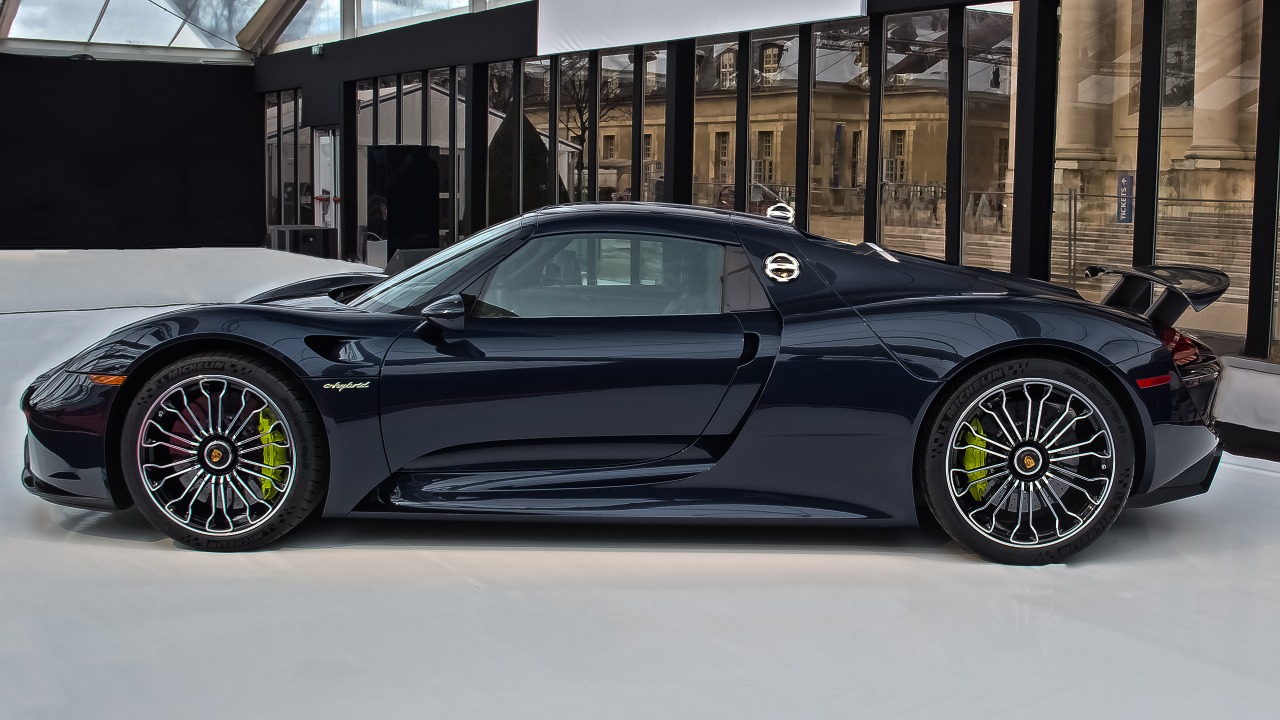
On paper, the 918’s statistics were staggering, but the real breakthrough lay in how seamlessly its systems worked together. Company engineers later emphasized that The Porsche 918 Spyder’s true engineering brilliance lay not in its individual technologies but in how it fundamentally redefined what a super sports car could be in the modern era. The combustion engine, electric motors, battery, and sophisticated all wheel drive logic were tuned as a single organism, so the driver felt one coherent surge of power rather than a patchwork of mechanical and electric thrust.
This integration extended to the chassis and aerodynamics. The carbon fiber reinforced polymer structure kept weight in check while allowing precise placement of the battery and motors for ideal balance, and active aero elements worked in concert with the hybrid powertrain’s different modes. Internal reflections on the project describe the 918 as a “design and engineering masterpiece” that did not just add electric parts to a conventional layout, but rethought how a supercar should be packaged around a hybrid drive. That holistic approach is why later commentary could credibly claim that the 918 did not just join the hybrid trend, it made “hybrid” go hyper.
Driving experience: from silent city car to track weapon
From behind the wheel, the 918 Spyder offered a range of personalities that few supercars could match at the time. In its most relaxed settings, the car could glide on electric power alone, turning the Spyder into a quiet commuter that slipped through traffic with little more than tire noise. Owners and testers who have chronicled the Porsche 918 Driving Experience & What to Expect describe this mode as almost surreal, given the car’s visual drama and underlying capability.
Switching into more aggressive modes transformed the car. The V8 barked to life, the electric motors delivered instant shove, and the all wheel drive system used their torque to help rotate the car into and out of corners. Reports on What to Expect from The Porsche 918 Spyder emphasize its precise cornering and effortless control, traits that came from the way the hybrid system could fine tune power delivery at each axle. The result was a driving experience that felt both brutally fast and unusually approachable, a combination that helped the 918 stand out even among the fastest cars in the world.
Legacy: the car that normalized plug-in performance
Although it was built in limited numbers and for a short production run, the 918’s impact has far outlasted its time on the assembly line. Internal retrospectives describe the 918 Spyder as an E Performance pioneer, a car that proved a plug-in hybrid could be the pinnacle of a brand’s performance range rather than a side project. That positioning mattered, because it signaled to customers and rivals alike that electrification was not a detour from driving pleasure but a new route to it.
Corporate reflections shared later underline this point, noting that The Porsche 918 Spyder did not just showcase advanced technology, it further boosted brand image and helped define how performance would be in the modern era. By the time the final car, number 918, came off the line, the template was set: a flagship supercar could be a plug-in hybrid, could draw on lessons from Formula One style systems, and could use electric power to enhance, not dilute, the emotional appeal of a combustion engine. Looking across today’s field of electrified sports cars and hypercars, I see the 918 Spyder not just as a historic curiosity, but as the moment hybrid performance stopped being an experiment and started becoming the new normal.
More from Fast Lane Only: