The 2017 Honda Civic Type R arrived with a target on its back, dismissed in advance by purists who saw a front wheel drive hatchback with a giant wing and assumed it was all show. Instead, it delivered lap times, feedback and everyday usability that forced even hardened skeptics to recalibrate what a hot hatch could be. By combining track pace that challenged established heroes with a surprisingly livable personality, it turned early doubts into a global wave of respect.
What changed minds was not a single headline figure but the way the Civic Type R stitched together power, grip and composure into a cohesive package. From record runs at the Nürburgring to pro driver analysis and owner feedback, the car kept producing evidence that its aggressive styling hid a deeply serious piece of engineering.
The Nürburgring lap that changed the conversation
The turning point for global perception came on the Nordschleife, where the Civic Type R set a benchmark that front wheel drive critics had long claimed was impossible. On April 3, 2017, a Civic Type R lapped the 12.9-mile Nordschleife in 7 minutes 43.80 seconds, a time that put it in the company of far more expensive performance cars and instantly reframed expectations for a front driven hatchback. A separate timeattack run recorded 7min 43.8sec, and later reporting noted that the FK8 generation Type R achieved a time of 7:43.8 on a shorter layout, reinforcing that this was not a fluke but a sustained level of performance.
Those numbers mattered because they attacked the core skepticism around the car, which centered on the idea that front wheel drive could never deliver serious track pace without crippling understeer. By setting a front wheel drive record at the Ring and repeating that 43.8 benchmark in multiple accounts, Honda showed that careful suspension tuning, aero work and power delivery could overcome the layout’s traditional limitations. The Civic Type R’s lap became a shorthand proof point that its wild bodywork and Civic badge concealed a chassis capable of running with the best.
From “boy racer” punchline to track weapon
Long before anyone drove it, the 2017 Civic Type R was mocked for its styling, which critics saw as a caricature of tuner culture. Since its introduction in 2017, the Type R (Honda Civic Type R) faced constant complaints that it was over designed, too in your face and “boy racer” in spirit, with its towering rear wing and aggressive scoops. Even some professional reviewers acknowledged hearing negative comments about the look of the Type R with all its wings, splitters and scoops, and early online chatter often dismissed it as a meme car rather than a serious performance tool.
Track testing told a different story. Once drivers put aside the visual drama and focused on lap times and feedback, the same aero pieces that looked cartoonish in photos started to make sense. One pro racer analysis described how the car’s addenda worked on the track, helping stability and grip rather than acting as mere decoration. Another driver who pushed the Type R hard at speed talked about how it almost seemed like every turn taught him more about the car, and how it let him get on the gas earlier and earlier as confidence grew. The styling that once fueled jokes turned out to be functional, and that realization helped convert skeptics who cared more about performance than curbside subtlety.
Powertrain and chassis: the engineering skeptics did not expect
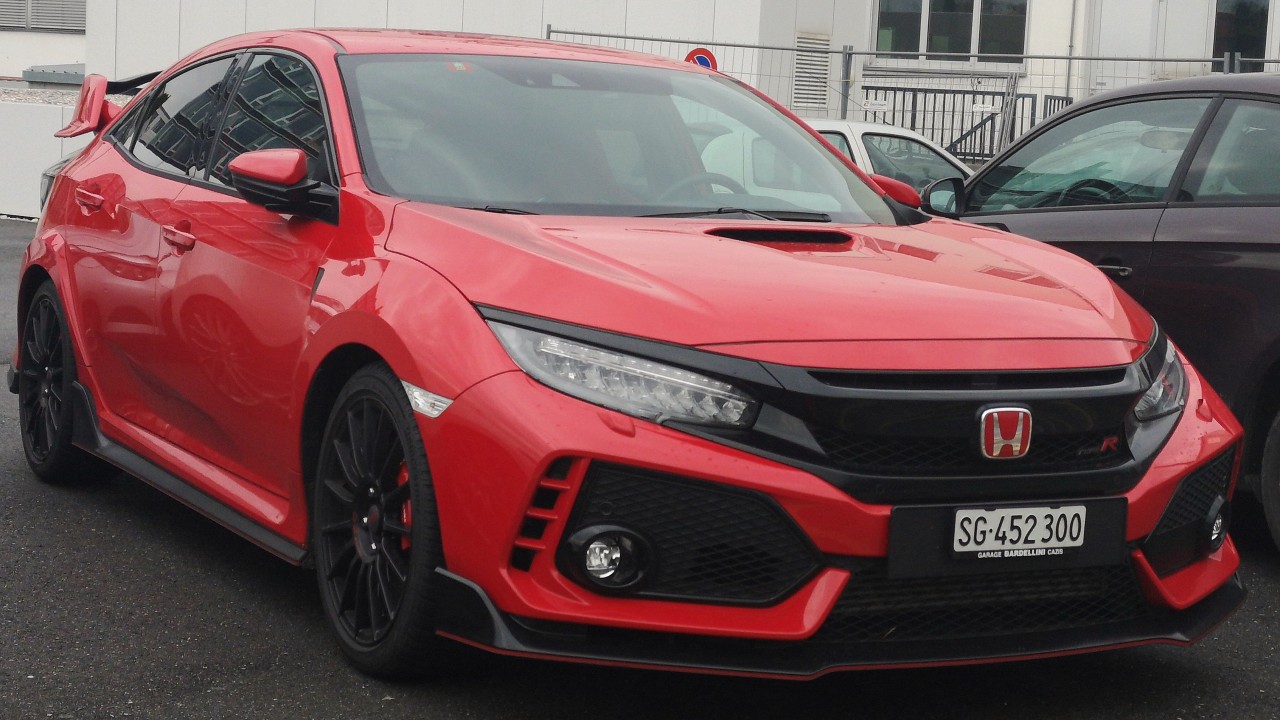
Underneath the extroverted bodywork, the Civic Type R’s powertrain and chassis delivered a level of integration that surprised drivers who expected torque steer and chaos. For the first time in Honda’s history, the Civic Type R came with a turbocharged engine, a move that worried some fans who associated the brand with high revving naturally aspirated motors. Yet reports on how the 2017 Honda Civic Type R performs emphasized that the turbo setup delivered strong, usable power while still feeling eager to rev, and that the car remained controllable even with what one source described as “monster power ratings.”
The gearbox and gearing played a central role in that impression. A detailed pro racer analysis noted that gearing is quite short and that full acceleration pushed the driver back in the seat, forcing quick, deliberate shifts to stay in the power band. Rather than feeling frantic, this short gearing worked with the engine’s boost to keep the car on the boil, while the limited slip differential and suspension tuning helped put power down cleanly. On track, the same driver praised how the chassis stayed composed under heavy braking and rapid direction changes, reinforcing that this was not a straight line special but a well rounded performance machine.
Real world road manners and daily livability
Even after the Nürburgring lap and early track tests, some skeptics argued that the Civic Type R would be too harsh or compromised for daily use. Road focused reviews pushed back on that assumption, describing a car that, while firm, was not punishing and could handle commuting as well as back road blasts. One early test drive review introduced the car as one of the hottest and most highly anticipated performance models of its time, then went on to highlight how its driving modes and suspension tuning allowed it to calm down enough for regular traffic while still feeling special.
Other reviewers echoed that balance, noting that overall, the Type R was hard to argue against once you experienced its blend of comfort and capability. There were caveats, such as warnings that you are not driving in snow on the factory rubber, and some criticism of road noise and ride stiffness on broken pavement. Yet the consensus from those who lived with the car for more than a quick spin was that Honda had managed to keep the Civic practicality intact, with usable rear seats and hatch space, while layering on serious performance. That dual nature helped win over buyers who wanted a track capable car that did not punish them on the school run or commute.
Backlash, regrets and the limits of the legend
Despite the accolades, the 2017 Civic Type R did not escape criticism, and some owners later warned that certain model years were not worth the hype. Reporting on why some Honda Civic Type R owners regret buying their car pointed to issues that went beyond lap times, including reliability concerns and the reality that living with such an extroverted design could attract unwanted attention. Those accounts underscored that even a technically impressive hot hatch can disappoint if expectations are unrealistic or if day to day compromises outweigh the thrills.
Enthusiast debate also remained lively. One widely shared video argued that the 2017 Honda Civic Type R is not the king of hot hatches, with the host suggesting that value is something you think about when you are buying a regular Civic or a Hyundai Tucson, but that in the hot hatch space, rivals might offer a more compelling mix of price, character and performance. Online discussions picked up that theme, with some commenters on a popular forum thread about the Civic Type R pointing readers to a longer column for more nuanced thoughts. Together with ongoing styling complaints and the later sighting of a potential facelifted Civic Type R without the boy racer style rear wing, these critiques showed that Honda’s achievement did not end the argument about what a hot hatch should be, it simply raised the bar and forced everyone, fans and detractors alike, to engage with the car on its merits.
More from Fast Lane Only: