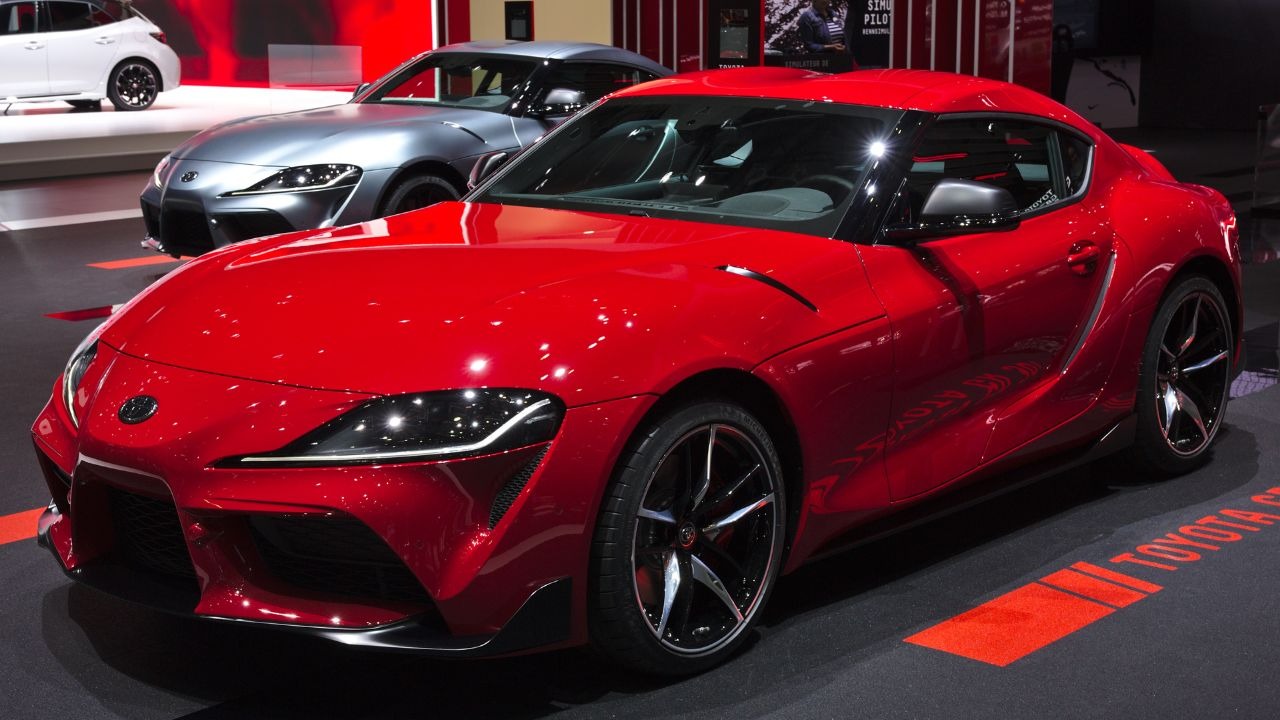
When Toyota revived the Supra nameplate for 2019, it was supposed to be a triumphant homecoming for a car that had become a pop‑culture idol and a tuner legend. Instead, the return arrived under a microscope, with fans dissecting everything from its German partnership to its early recalls and long‑term future. I watched that scrutiny unfold in real time, and the story that emerged says as much about modern car culture as it does about one controversial sports car.
The reborn coupe had to carry the weight of history, from its roots as the Celica’s bigger sibling to its starring role in street‑racing fantasies. That pressure collided with a very 2019 reality: platform sharing, safety campaigns and online hot takes that could turn a forum thread into a referendum on authenticity. The 2019 Toyota Supra did not just come back, it came back to a world ready to judge every weld, badge and line of code.
The weight of a legend on its roof
To understand why the 2019 car drew such intense scrutiny, I start with the mythology built over four decades. The modern Toyota Supra traces its lineage to the beginning, when the Celica Supra arrived as a longer and wider version of the Celica and set the template for a grand touring coupe that could grow into something more serious. That arc, from the original Celica Supra to the later turbocharged icons, turned the badge into shorthand for Japanese performance, a status underlined when a fourth‑generation Toyota Supra was recently pulled down from a dealership roof after 20 years as a static billboard.
Pop culture then poured gasoline on that reputation. In The Fast and the Furious, it turned out the film’s true star was not Vin Diesel but the bright orange Toyota that introduced a global audience to the idea that a Japanese coupe could be a hero car. Designers inside Toyota Motor Corporation felt that impact, and how that movie helped convince decision‑makers that there was still emotional equity in the name, pushing them toward a revival they finally delivered in 2019.
A comeback built with BMW
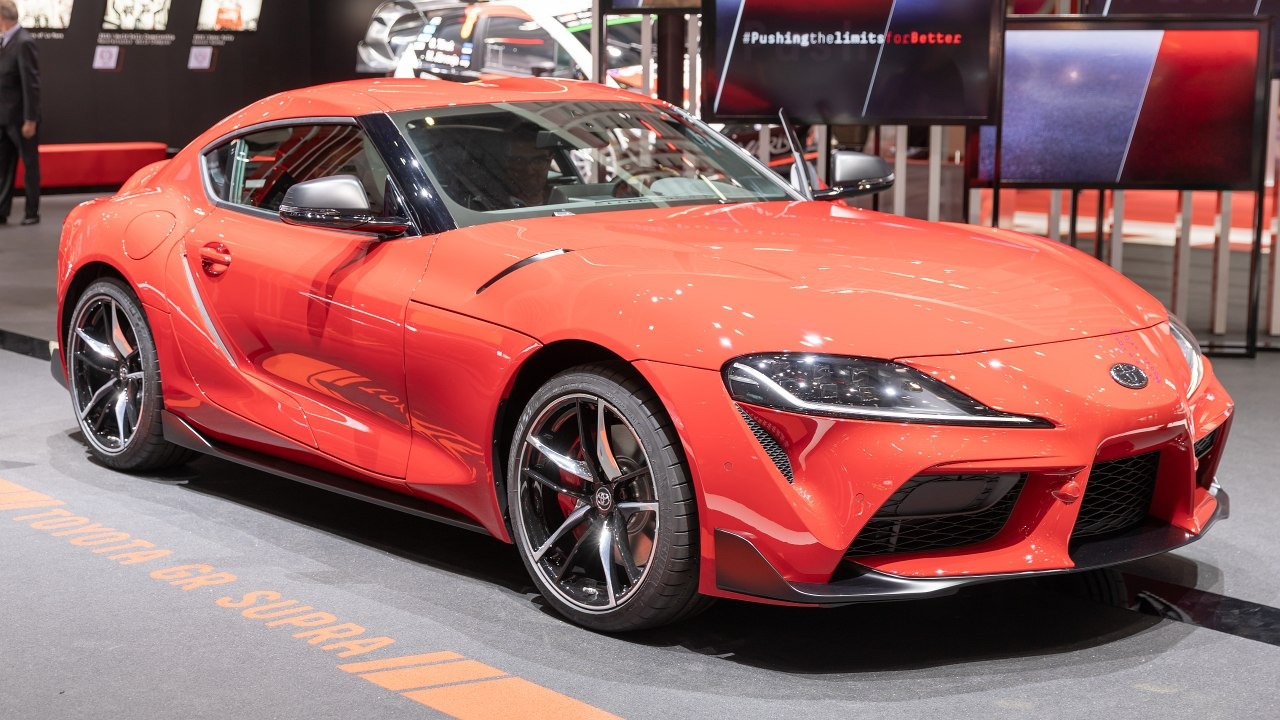
When the covers came off the fifth‑generation Supra, the first controversy was baked into its DNA. The car emerged from an alliance between Toyota and BMW, sharing a platform and key hardware with the Z4, a partnership that some fans saw as a betrayal of the Supra’s Japanese purity. Under the bonnet, Caged beneath the bonnet is BMW’s well respected B58 DOHC 3.0 litre inline 6‑cylinder, a specification that delivers the smooth, torquey character enthusiasts expect but also makes it impossible to ignore the German fingerprints on the project, as detailed in technical breakdowns of the B58 DOHC 3.0 litre inline 6‑cylinder.
From the start, the Supra’s architecture was a hybrid of cultures. The fifth‑generation Supra uses a BMW‑sourced engine and electronics, yet it was tuned by Toyota engineers to deliver the balance and responsiveness they wanted, a compromise that defined the car’s character. That shared development also meant that when BMW made changes or faced issues, the Supra was often pulled into the same orbit, a reality that would become more visible as the car’s recall history grew, a pattern outlined in technical notes on the GR Supra platform and Recalls.
Early praise, early doubts
On the road, the 2019 Supra largely delivered what its spec sheet promised, even if the badge on the engine cover divided opinion. Reviewers praised its punchy acceleration, compact footprint and willingness to rotate, arguing that, Almost 17 years after the Supra name disappeared from Toyota’s line‑up, the new car proved it was worth the wait. The car had been unveiled at the North American International Auto Show as the product of a once‑unlikely alliance between Toyota and German giant BMW, and early drives suggested that this cross‑border effort had produced a serious driver’s car, a verdict captured in assessments of how the Almost 17 years after the Supra name disappeared story played out.
At the same time, some enthusiasts fixated on what the Supra was not. On Reddit, threads with titles like “2020 Toyota Supra, BMW or Toyota?” framed the car as an identity crisis on wheels, with posters arguing over whether the engineering partnership diluted the brand or simply reflected modern economics. That debate, preserved in discussions such as the one asking if the 2020 Toyota Supra is BMW or Toyota, showed how quickly a sports car could become a proxy for broader anxieties about platform sharing and corporate strategy.
Recalls and the scrutiny of safety
The Supra’s return was not just judged on feel and heritage, it was also tested by regulators and welds. The National Highway Transportation Safety Administration said that the seat belt loop mounts in some cars might fail in a crash due to improper welding, potentially preventing the driver from being properly restrained. That finding triggered a recall campaign that, in some cases, offered owners the possibility of a replacement vehicle if the defect could not be repaired, a scenario laid out in reports on how The National Highway Transportation Safety Administration handled seat belt mounts.
Regulators moved quickly to get affected cars inspected. NHTSA said owners are being notified to take their car into a Toyota dealership for inspection, and if it is determined the welds are faulty, the company would replace the entire vehicle rather than attempt a structural repair. In a letter to Toyota, officials spelled out that the affected cars used a turbocharged 3.0 litre inline 6‑cylinder with an 8‑speed automatic, tying the campaign directly to the Supra’s core configuration, a process described in coverage of how NHTSA said owners are being notified.
Shared engines, shared recall headlines
The Supra’s BMW hardware also meant it could be swept into wider safety campaigns that had nothing to do with Toyota’s own factories. BMW is recalling 196,355 vehicles equipped with the B48 four‑cylinder engine because they may catch fire, a figure that includes certain Supra models that share that powertrain. The issue centers on debris that can accumulate in the starter, which may lead to a fire, a risk that has pulled the Toyota coupe into a massive multi‑brand recall described in notices that spell out why BMW is recalling 196,355 vehicles.
For owners, that kind of shared recall can blur the lines of responsibility. The badge on the nose says Toyota, but the letter in the mailbox might trace back to a BMW component, and the fix depends on coordination between two very different corporate cultures. It is a reminder that the Supra’s identity is inseparable from its partnership, a reality that also shows up in enthusiast reviews like the in‑depth video walk‑throughs where presenters in Nov 2019 explained that yes, you can still own a piece of this legendary name plate and still get the bank loan, as they pored over the fifth generation’s details in clips such as the 2019 Toyota Supra full in‑depth review.
Enthusiast verdicts and an uncertain future
Despite the noise, a vocal slice of the car community has argued that the market is sleeping on the MKV Supra. On Reddit, one widely shared post put it bluntly: The reason I think people will regret sleeping on the new Supra is the same reason people regret sleeping on the Mark IV, pointing out that limited production, strong performance and a deep tuning scene often turn initially controversial cars into future collectibles. That argument, laid out in threads like the one titled “Why people will regret sleeping on the MKV Supra,” suggests that the Supra and the Mark IV comparison may eventually look kinder than the early memes.
Yet the clock is already ticking on this generation. Toyota has already confirmed that the Supra is leaving production after Spring 2026, and ahead of production’s end, the automaker has announced a special version for the United States that will serve as a send‑off. That sunset is mirrored in other markets, where Toyota Australia has officially called time on the current, fifth‑generation Supra and will cease taking customer orders, a decision that took effect as of August 2025 according to notices explaining how Toyota Australia has officially called time on the Supra, and it sets up the current car as a finite chapter rather than a new permanent fixture.
From Detroit spotlight to final edition
The arc from hype to farewell started under bright lights. The once‑popular sports car had been out of production for 17 years and was last sold in the U.S. 21 years ago when Toyota brought it back to the Detroit auto show stage, presenting the coupe as the product of a once‑unlikely alliance between Toyota and Germany’s BMW. That reveal framed the car as both a resurrection and a symbol of how global the industry had become, a narrative captured in coverage that described how Toyota brings the Supra back from the dead in front of a global audience.
Now, as the production run winds down, the story is shifting from launch buzz to legacy. Toyota has already confirmed that the Supra will bow out after Spring 2026, and the Final Edition for the U.S. market is being positioned as a collector‑friendly capstone rather than a radical reinvention. For a car that arrived under such intense scrutiny, that quiet fade‑out feels almost modest, yet it may be exactly what gives the 2019‑onward Supra its long‑term appeal: a short, controversial, highly capable run that future enthusiasts will look back on and wonder why more people did not grab one while they could, a sentiment echoed in reports that Toyota has already confirmed that the Supra is leaving production after Spring.
More from Fast Lane Only: