
As technology advances and road safety becomes a growing concern, speed limiter laws for future cars are being proposed worldwide. These laws aim to reduce accidents and enhance public safety by regulating vehicle speeds through built-in technology. The implications, potential benefits, and challenges of implementing such legislation are becoming a significant topic of discussion among policymakers, automotive manufacturers, and the public.
The Rationale Behind Speed Limiter Laws
Increasing Road Safety

Speed limiters are being recognized as a crucial tool for enhancing road safety. By ensuring that vehicles adhere to predefined speed limits, these devices can significantly reduce the incidence of traffic accidents and fatalities. According to a study by the European Transport Safety Council, the implementation of speed limiters in the EU could lead to a 20% reduction in road deaths. For instance, the 2023 Volvo XC90 incorporates speed limiter technology, capping its top speed at 112 mph to prioritize safety.
Environmental Impact
Beyond safety, speed limiters can play a significant role in meeting environmental objectives. By regulating speed, these devices help in reducing fuel consumption, thus lowering carbon emissions. A consistent speed ensures optimal fuel efficiency, which not only benefits the environment but can also result in cost savings for drivers.
Economic Considerations
Implementing speed limiter laws comes with financial implications for both manufacturers and consumers. Car manufacturers may face increased costs due to the integration of new technologies into their vehicles. However, as seen with the 2025 Ford Focus, these costs can be offset by consumer demand for safer and more efficient vehicles. For consumers, the initial investment in vehicles with speed limiters may be higher, but the long-term savings on fuel and potential accident-related costs can make it a worthwhile investment.
Technological Implementation
How Speed Limiters Work
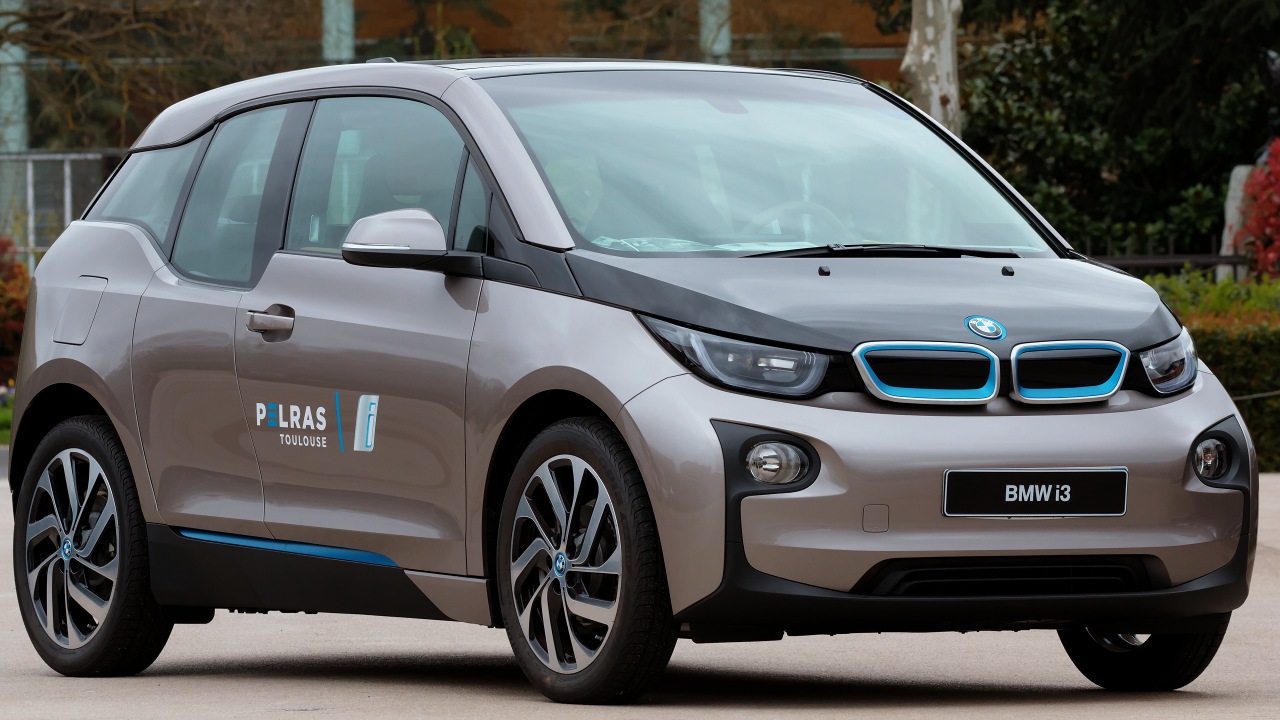
Speed limiters primarily rely on GPS technology and real-time data monitoring to function effectively. These systems can determine the vehicle’s location and adjust the speed accordingly to comply with local speed limits. The BMW i3, for instance, utilizes a sophisticated GPS-based system that interacts with digital maps to ensure compliance with speed regulations.
Integration with Existing Systems
The integration of speed limiters with existing car technologies poses both challenges and opportunities. Modern vehicles like the 2024 Audi A4 are increasingly equipped with advanced driver-assistance systems (ADAS) that can be seamlessly integrated with speed limiters. However, retrofitting older models may require significant modifications, posing a challenge for widespread adoption.
Future Innovations
As automotive technology evolves, speed limiter systems are likely to become more advanced. Future innovations may include artificial intelligence (AI) to predict traffic patterns and adjust speeds proactively.
Legal and Regulatory Challenges
Standardization Across Regions
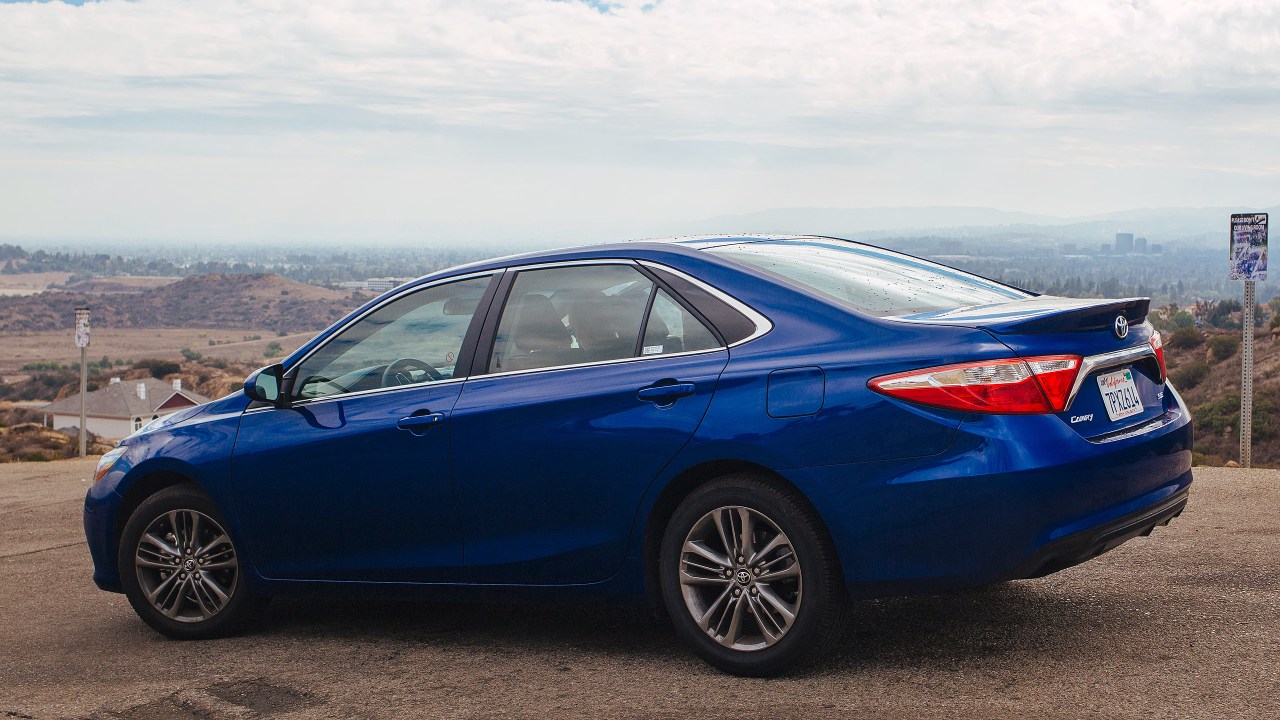
One of the major challenges in implementing speed limiter laws is standardizing regulations across different regions. Each country may have varying speed limits and traffic laws, which complicates the design of a one-size-fits-all system. The 2025 Toyota Camry, sold worldwide, must adapt its speed limiter settings according to regional regulations, highlighting the need for international cooperation in standardization efforts.
Enforcement and Compliance
Ensuring compliance with speed limiter laws requires robust enforcement mechanisms. Authorities might need to implement regular checks to ensure that vehicle speed limiters are functioning correctly. The 2024 Honda Accord, with its built-in diagnostic systems, allows for easy compliance verification, setting a precedent for future models.
Public and Industry Resistance
There is potential resistance from both the public and the automotive industry regarding the implementation of speed limiters. Drivers may perceive these devices as an infringement on their freedom, while manufacturers might be concerned about increased production costs. Engaging with stakeholders and educating them about the benefits of speed limiters, as seen with the 2023 Nissan Leaf, can be vital in overcoming resistance.
Impact on Drivers and Society

Driver Experience
The introduction of speed limiters could significantly alter the driving experience. While some drivers might appreciate the enhanced safety, others could feel restricted. The 2024 Chevrolet Bolt EV, with its customizable speed limiter settings, aims to balance driver autonomy with safety, reflecting a trend towards more personalized driving experiences.
Public Opinion
Public opinion on speed limiter laws varies widely. While safety advocates champion their potential to save lives, others worry about the impact on individual rights and freedoms. Surveys conducted in regions where speed limiters have been implemented reveal a gradual acceptance, especially when the safety benefits are clearly communicated, as demonstrated by the 2025 Hyundai Sonata’s marketing campaign.
Education and Awareness
Educating the public about the benefits of speed limiters is crucial for their successful adoption. Awareness campaigns that explain how these devices work and their potential to save lives can help shift public perception. The 2023 Kia Niro’s educational initiatives, which include interactive demonstrations of speed limiter technology, serve as a model for how manufacturers can lead awareness efforts.
Global Perspectives and Case Studies
Countries Leading the Way
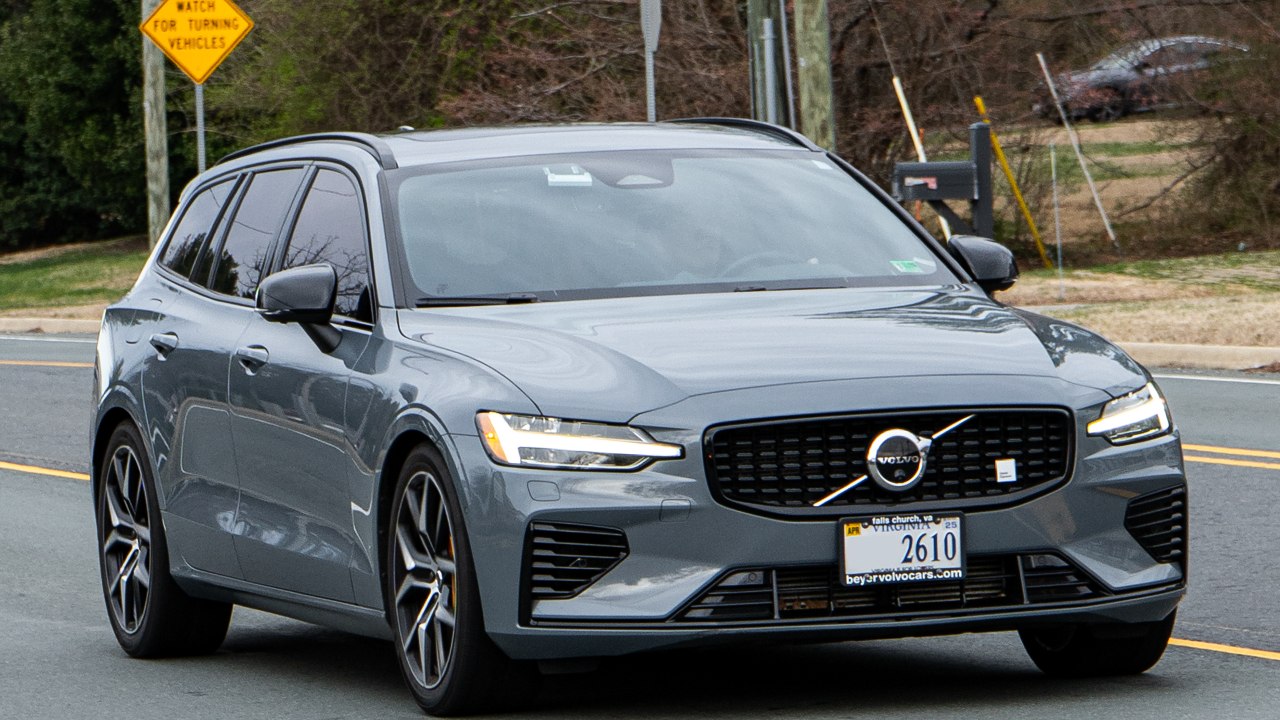
Several countries have taken the lead in implementing speed limiter laws, providing valuable case studies for others. Sweden, known for its stringent road safety measures, has mandated speed limiters in all new cars starting with the 2025 Volvo V60. This initiative has led to a noticeable decrease in traffic-related fatalities.
Comparative Analysis
Different international approaches to speed limiter legislation offer insights into their effectiveness. While the European Union has been proactive in setting a deadline for mandatory speed limiters in new vehicles, the United States has adopted a more cautious approach. The 2024 Ford Mustang, available in both regions, reflects these differing regulatory landscapes through its adaptive speed limiter technology.
Lessons Learned
Lessons from existing implementations of speed limiter laws can guide future legislation. It is essential to balance technological innovation with regulatory frameworks that address both safety and freedom. The experience of countries like Norway, where the 2025 Volkswagen ID.3 has been successfully integrated with speed limiters, underscores the importance of gradual implementation and stakeholder engagement.