Range anxiety has not disappeared, but the latest generation of electric vehicles can travel farther on a single charge than many drivers expect. The longest-legged models now rival or exceed the distance of a typical gas tank, reshaping what is realistic for road trips and daily commuting alike.
To understand which EVs truly go the farthest, I look at the official range leaders, how those numbers compare in real-world driving, and what actually affects how far you get between plugs. The result is a clearer picture of which models stand out today and how to think about range when you shop.
The current long‑range champions
At the top of the range leaderboard, one name keeps resurfacing: Lucid. The 2025 Lucid Air Grand Touring is identified as The Electric Car With The Longest Range In 2025, and that positioning is backed up by detailed comparisons of electric car battery range that put it ahead of more familiar badges like Tesla, Chevy, and Nissan. In those comparisons, the Lucid Air Grand Touring sits at the top of the chart, framed as the benchmark for how far a modern EV can travel before needing to recharge, while more mainstream models such as the Chevy Bolt or Nissan Leaf are used as reference points for shorter-range, lower-priced options.
That leadership is not just theoretical. Lucid Motors promotes the Air sedan as a top luxury EV, and it is frequently cited for superior range claims exceeding 500 miles, a figure that pushes well beyond what early electric cars could manage. In broader lists of Electric Cars With the Longest Range, the Lucid Air is credited with 512 miles, a number that underscores how far the technology has moved in a relatively short time. Those same rankings also highlight the Lucid Gravity SUV at 450 miles, showing that Lucid’s approach to long-range efficiency is not limited to sedans but extends into larger, family-focused vehicles as well.
How other long‑range EVs stack up
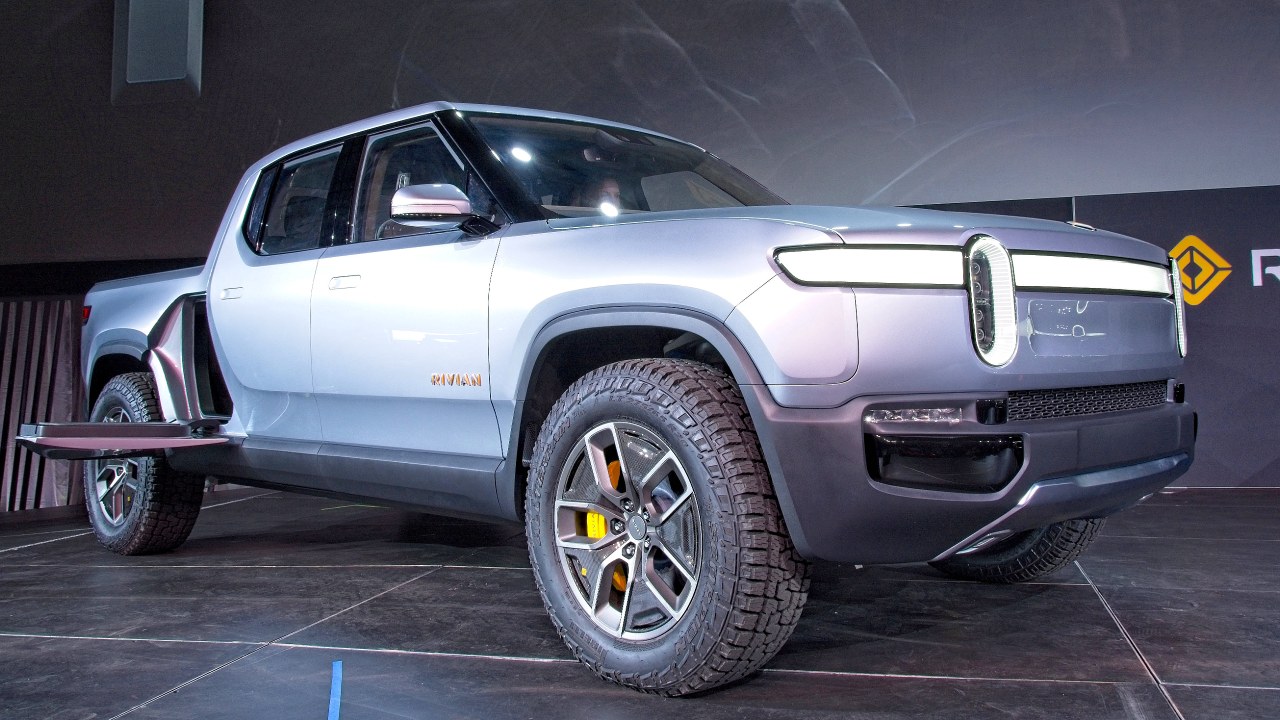
Lucid may sit at the top, but it is not alone in pushing the limits of single-charge distance. In the same Electric Cars With the Longest Range rankings that list the Lucid Air at 512 miles and the Lucid Gravity at 450 miles, the Rivian R1T appears with 420 miles of range. That figure is especially notable because the R1T is a pickup, a body style that typically sacrifices efficiency for utility. The fact that a truck can now be mentioned in the same breath as the longest-range sedans and SUVs signals how quickly the segment is evolving.
More detailed reporting on the Rivian R1T shows how that number is achieved. When the dual-motor configuration is paired with the largest battery pack and 22-inch wheels, the EPA estimates that the range can reach the upper end of Rivian’s lineup. Separate coverage describes Rivian as the proud purveyor of the longest-range electric pickup truck, with the Rivian R1T with Max Pack able to go 410 miles on a single charge. That 410-mile figure for the Max Pack truck sits just below the 420-mile headline number in the broader long-range rankings, but both reinforce the same point: Rivian has turned the R1T into a legitimate long-distance hauler, not just a short-hop lifestyle toy.
Real‑world range versus official ratings
Official range figures are useful benchmarks, but they are not guarantees of what drivers will see in daily use. Practical comparisons that look at multiple EVs side by side, such as tables labeled Comparing EV Ranges Across Popular Models, focus on Real Range in kilometers rather than just the lab-tested numbers. These tables list each Model with its Battery capacity in kilowatt-hours and a Real Range figure, making it clear that the distance you can actually cover depends on how efficiently that battery is used in practice. In some cases, a car that looks strong on paper delivers less impressive real-world distance once factors like speed, temperature, and driving style are taken into account.
Broader explainers on how far an electric vehicle can go on one charge emphasize the same nuance. Under the banner of How far an electric vehicle (EV) can take you on a single charge, they stress that the answer depends heavily on the vehicle you are driving and the conditions you face. These guides point out that while maximum EV range in models available today can look impressive in marketing materials, drivers should expect variation between the official figure and what they see on the road. That is why some range tools and buyer advice pieces encourage shoppers to look at both the headline rating and any available real-world testing before deciding whether a particular EV fits their lifestyle.
What really affects how far you can go
Even in the most efficient EVs, hardware choices and driving conditions can dramatically change how far you get between charges. One of the clearest examples is wheel and tire size. Technical analysis of EV efficiency notes that Big wheels definitely reduce an EV’s range, but in exchange, you may see improved traction and handling. The same guidance explains that Your tire size plays a significant role in aerodynamic drag and rolling resistance, and that generally, smaller tires offer greater range. That trade-off is not theoretical: opting for larger, more aggressive wheels on a long-range model can cut into the very advantage you paid for.
The Rivian R1T again illustrates how configuration matters. When the dual-motor setup is combined with the largest battery pack and 22-inch wheels, the EPA range estimate reflects a specific balance of power, capacity, and rolling resistance. Change any of those variables and the number shifts. Broader buyer guides for the truck point out that tire selection, driving mode, climate, and payload all influence how far the vehicle will go before it needs to plug in. In other words, even if you buy a model that is rated among the longest-range EVs on sale, your actual experience will depend on how you spec it and how you use it.
Range in context: price, segment, and expectations
Raw distance is only part of the story. Range has to be weighed against price, body style, and what you actually need from a vehicle. Comparative tools that look at electric car range and price side by side show that the Lucid Air Grand Touring, while leading in distance, sits in a very different price bracket from compact EVs like the Chevy Bolt or Nissan Leaf. Those smaller cars offer significantly less range but at a cost that makes them accessible to a wider slice of buyers. For someone whose daily driving rarely exceeds a modest commute, the extra hundreds of miles offered by a flagship sedan may be unnecessary, especially if it comes with a much higher payment.
Segment expectations matter as well. Luxury-focused brands and premium trims are increasingly judged on how far they can travel between charges, which is why rivals like Lucid Motors position the Air sedan as a top luxury EV with superior range claims exceeding 500 miles, and why long-range SUVs like the Lucid Gravity at 450 miles are gaining attention. At the same time, mainstream recognition of electric performance is growing, with awards lists highlighting hybrid and electric models from brands such as Hyundai in categories curated by Best Cars under the broader News and World Report banner. Those accolades signal that long-range capability is becoming part of the baseline expectation for EVs across price points, not just a party trick for halo models.