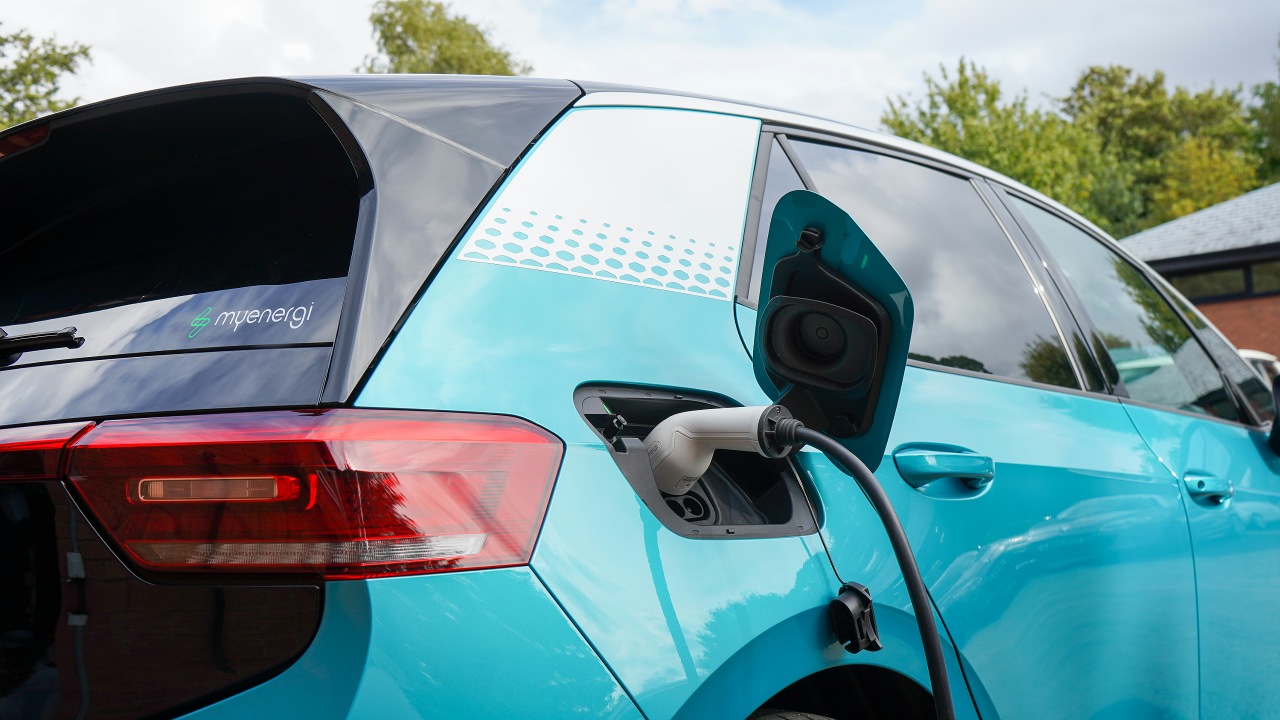
Electric vehicle owners are learning that where they live can matter almost as much as what they drive. New data on weather, batteries, and real-world driving shows that states in the American South often give drivers more usable range from the same EV than colder regions do. The pattern is not about politics or charging maps, it is about physics, climate, and how lithium-ion batteries respond to temperature.
As EV adoption spreads from coastal hubs into the heartland, the geography of range is becoming a practical question for buyers and fleet managers. I find that the emerging research points to a clear advantage for lower latitude states with milder winters, while also warning that extreme heat and humidity can chip away at that edge if drivers are not careful.
Why Southern states are emerging as EV range sweet spots
The core reason Southern states tend to deliver longer real-world range is simple: batteries are happiest in moderate temperatures, and much of the South spends more of the year in that comfort zone. A recent analysis of state-by-state conditions found that states at lower latitudes, with hotter average temperatures, produced better overall range outcomes, with the top five states for EV range clustered in the southern half of the country. That pattern lines up with broader research showing that EVs tend to perform best when ambient temperatures sit in a mid-range band rather than at winter lows or desert highs, which gives drivers in places like Arizona, Florida and Texas more days when their cars operate near peak efficiency.
Weather-focused studies back up that geographic advantage with hard numbers. A new report on how EV range and weather interact highlights that temperature, wind and altitude all shape battery performance, but it is cold snaps that consistently drag down efficiency the most. Another nationwide assessment of driving conditions over the past year found that Arizona had the most favorable driving conditions, followed by Florida and Texas, reinforcing the idea that much of the South offers a kind of “Goldilocks” climate for EVs. When I look across these findings, the throughline is clear: the more days a state spends away from deep freezes and far below the hottest extremes, the more likely its drivers are to see their dashboard range estimates match reality.
Cold weather’s heavy penalty on EV range
If the South looks good, it is largely because cold weather looks so bad for EV range. Multiple lab and real-world studies show that low temperatures reduce the available energy in lithium-ion batteries and force the car to spend extra power just to keep the pack and cabin warm. One probabilistic study of cold weather impacts on electric vehicle demand found that low temperatures decrease the available energy in lithium-ion batteries and cut daily driving range, while a separate engineering analysis of EV performance across temperate, cold and warm climates reported that energy consumption in cold conditions can jump by more than 30 percent compared with milder weather. That kind of penalty means a car rated for 250 miles can suddenly feel like a 170 mile vehicle on a frigid day.
Real-world testing and owner data show the same pattern on the road. Research on how temperature affects EV range has documented that winter conditions can shave a substantial share of usable miles, with some popular models losing a quarter or more of their rated range when the mercury drops. AAA’s own work on temperature and EVs found that extremely hot or cold conditions can decrease electric vehicle range, and that drivers are often surprised by the sudden drop when a cold snap hits. Another winter-focused guide for EV owners notes that cold weather directly affects the efficiency of an electric vehicle, which is why drivers in northern states like Maine, Vermont, New Hampshire, North Dakota and Minnesota routinely report more aggressive range loss in January than their counterparts in the Sun Belt.
Heat helps, until it suddenly hurts
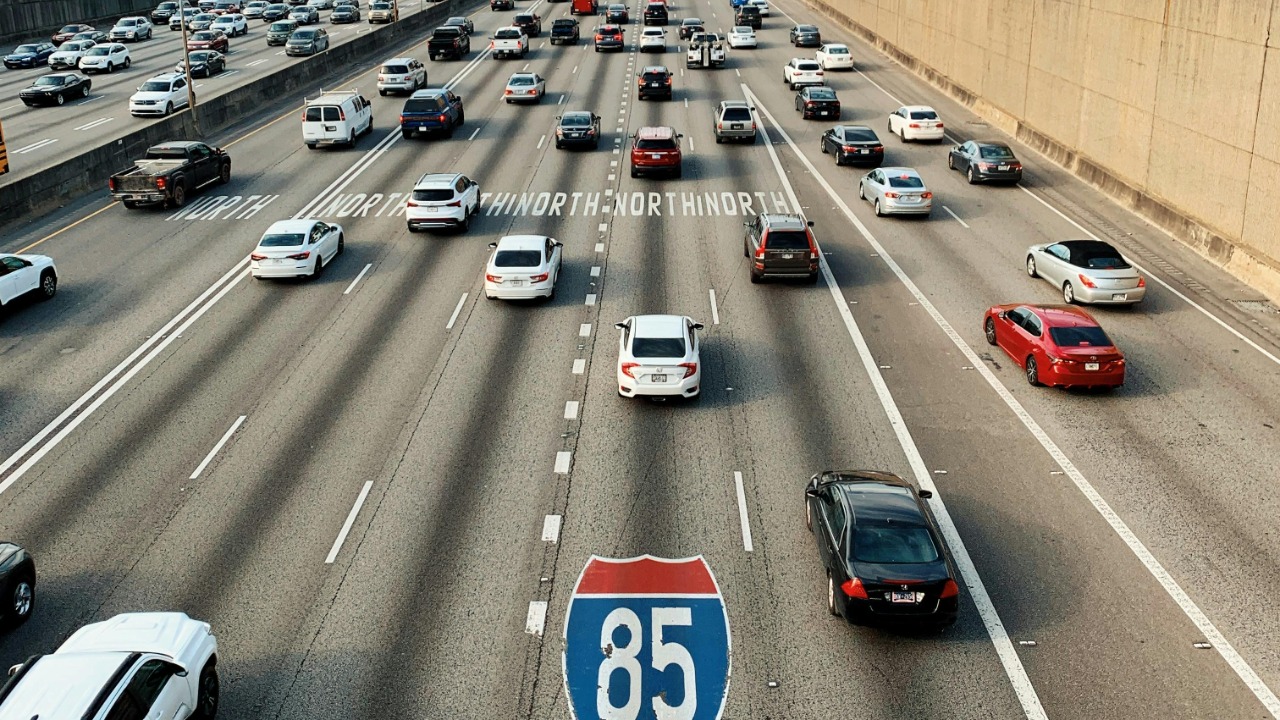
Warmth, up to a point, is a friend to EV range, which is one reason Southern states look so strong in the data. Studies of temperature and range show that EVs tend to perform better in moderate to warm conditions than in the cold, with one fleet-focused case study finding that vehicles in prime temperature conditions delivered significantly more miles per kilowatt-hour than those operating in winter climates. A detailed look at how temperature affects EV range concluded that electric cars shed only about 5 percent of their available range in typical summer conditions compared with much larger losses in winter, which helps explain why drivers in Phoenix or Miami often feel more confident stretching a charge than those in Minneapolis in February.
That advantage, however, has limits once heat becomes extreme. AAA’s research on temperature and EV range notes that extremely hot conditions can also decrease range, in part because air conditioning loads climb sharply. A separate analysis of driving range in extreme heat found that driving range for EVs shrinks in extreme heat as much as in extreme cold, with air conditioning identified as the immediate cause and high battery temperatures as a longer term concern. Battery experts like Nick Zamanov have warned that many EV drivers notice a drop in range during heat waves, especially on longer trips when the pack spends hours at elevated temperatures. The result is a nuanced picture for the South: mild and warm days are a clear win, but stretches of triple-digit heat can erode some of that benefit if drivers rely heavily on climate control and fast charging.
Weather, not just temperature, shapes the EV map
Temperature is the headline factor, but it is not the only weather variable that decides which states get the most from their EVs. The same nationwide report that ranked Arizona, Florida and Texas at the top for favorable driving conditions emphasized that wind, humidity and precipitation also matter. Strong headwinds increase aerodynamic drag and energy use, while heavy rain or snow adds rolling resistance and can force drivers to slow down, which changes efficiency in complex ways. A broader look at EV range and weather from Vaisala underscores that altitude and local microclimates can further tilt the scales, meaning that two Southern states with similar average temperatures might still deliver different real-world range because of mountain passes, coastal storms or persistent crosswinds.
Seasonal swings add another layer of complexity. An analysis of how EV range fluctuates month to month across the United States found that March of last year saw ranges reel from winter weather, with one snapshot showing a median range at 214 miles as cold conditions lingered in many regions. By contrast, late spring and early fall often bring a sweet spot where neither heating nor cooling loads are heavy, and batteries operate near their ideal temperature window. That seasonal pattern tends to be more forgiving in the South, where winters are shorter and less severe, so drivers spend fewer months battling the steepest range penalties. When I compare that to the experience in northern states, where long winters and frequent storms keep batteries under stress for much of the year, the Southern advantage looks less like a fluke and more like a structural feature of the climate.
What this means for buyers, fleets and policy
For individual buyers, the geography of EV range should shape expectations more than it shapes whether an electric car makes sense at all. Statistics from GridServe.com, cited in one consumer-focused analysis, put the average EV car range at 219 miles in 2023, a figure that already covers most daily driving needs in any state. The difference is that a driver in a Southern state might see something close to that 219 miles on the dashboard for much of the year, while a driver in a northern climate might routinely plan around a lower effective range in winter. Guidance from automakers on why cold and hot temperatures affect EV range and battery longevity, along with practical tips like preconditioning the car while it is plugged in or parking in a garage, can help narrow that gap regardless of latitude.
For fleets and policymakers, the regional range divide has more strategic implications. Fleet managers looking to electrify delivery routes or service vehicles can use detailed temperature and weather data to decide where EVs will be most efficient and how to size batteries for different territories. Industry analyses of top EV range factors impacting fleet efficiency show that matching vehicle deployment to climate can reduce energy costs and improve uptime, especially when combined with route planning that avoids the worst weather windows. State and local governments, meanwhile, can pair supportive EV policies with investments in charging infrastructure that reflect their climate realities, whether that means more fast chargers along long, hot interstate corridors in Texas or more workplace charging in colder states where drivers lose range to winter commutes.
There is also a messaging challenge that I see emerging. Reports highlighting that Arizona has emerged as a surprising EV leader, particularly in the Phoenix metropolitan area, show how quickly perceptions can shift when drivers experience strong real-world range in a hot, historically car-centric region. At the same time, winter-focused warnings that EV owners should beware the cold weather, backed by both AAA lab work and Recurrent’s real-world data, can feed skepticism in northern markets if they are not paired with clear explanations and practical solutions. The data now makes one thing plain: Southern states are well positioned to get more miles from every kilowatt-hour, but with smart planning and realistic expectations, drivers in every region can make an EV work, even if their climate does not always cooperate.