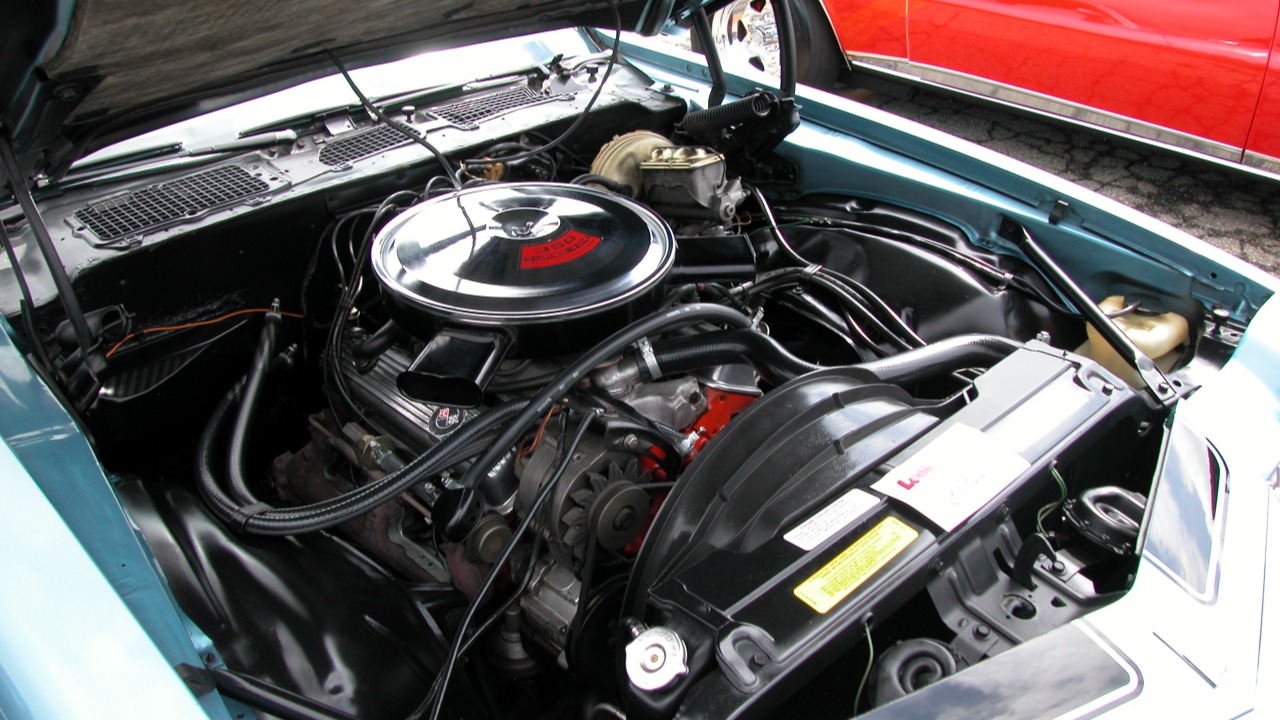
The Chevrolet small block 350 engine is a legendary powerplant that has made a significant impact on the automotive industry. However, its journey to production was fraught with challenges and uncertainties that nearly derailed its development. Understanding the hurdles faced during its creation provides insight into why this iconic engine almost never saw the light of day.
Historical Context of the Small Block Engine
The Chevrolet small block engine made its debut in 1955 with the introduction of the 265 cubic inch variant. This engine was revolutionary, showcasing a lightweight design and an innovative V8 layout that set new standards in the automotive world. Its compact size and efficient performance appealed to both manufacturers and consumers, paving the way for what would become one of the most successful engine families in history. By the late 1950s, the automotive landscape was shifting, with a growing demand for more powerful and efficient engines, spurred by fierce competition from automotive giants such as Ford and Chrysler.
During the 1960s, the push for performance and efficiency reached new heights. This era witnessed the muscle car revolution, where consumers craved vehicles that could deliver exhilarating speed and power. Chevy recognized this trend and sought to innovate further, but the pressure from rival manufacturers was intense. Competing brands were rapidly developing their own performance engines, which meant that Chevrolet had to respond quickly to stay relevant in a fast-evolving market. The emergence of the small block 350 was an attempt to combine the best aspects of Chevrolet’s existing engines with the performance needed to capture the attention of a new generation of car enthusiasts.
Design and Engineering Challenges
The development of the small block 350 began with ambitious specifications and design goals. Engineers aimed to create an engine that could deliver impressive horsepower while maintaining the lightweight nature that the small block family was known for. Initially, the 350 was designed to be a versatile engine, suitable for a wide range of applications—from everyday sedans to high-performance sports cars. However, the journey was anything but smooth. Early prototypes encountered significant issues, particularly with overheating and reliability concerns that threatened to derail the project.
As engineers worked to resolve these problems, budget constraints loomed large over the project. The need for extensive testing and refinement put pressure on resources, leading to difficult decisions about which features could be included or omitted. These constraints were not unique to Chevrolet; the entire automotive industry was grappling with the challenges of delivering high-performance engines while keeping production costs manageable. Ultimately, the team had to balance innovation with practicality, ensuring that the final product would meet consumer demands without breaking the bank.
Market Demand and Corporate Strategy
The 1960s marked a dramatic shift in consumer preferences, with an increasing appetite for bigger engines that delivered more power. As muscle cars such as the Ford Mustang and Pontiac GTO gained popularity, Chevrolet had to carefully analyze market trends. Research indicated that consumers were not only looking for raw power but also for engines that offered a blend of performance and fuel efficiency. This insight prompted internal discussions at Chevrolet about whether to prioritize the development of the 350 engine or to focus on enhancing existing engine designs that were already in production.
Corporate strategy played a crucial role in the decision-making process. Stakeholders within Chevrolet debated the merits of investing in the small block 350 versus other projects that could potentially yield quicker returns. Market research data was presented, highlighting the growing trend toward performance-oriented vehicles, which ultimately led to a consensus that the 350 engine could be a game-changer for the brand. This pivotal moment underscored the importance of understanding consumer demands and adapting to changing preferences in a highly competitive industry.
Key Figures and Decisions
The development of the small block 350 was not just a corporate effort; it was also driven by the vision and determination of key figures within Chevrolet. Notable engineers like Ed Cole, who was instrumental in the design of the original small block engine, played a significant role in guiding the 350’s development. His experience and understanding of engine dynamics helped the team navigate the complex challenges that arose during the design process. Additionally, executives such as John Z. DeLorean, who later became famous for his own automotive ventures, were influential in pushing for innovative solutions that would set the 350 apart from its competitors.
Critical meetings and decision points marked the journey of the small block 350. The development team faced pressure not only from internal stakeholders but also from dealerships eager for new models to sell. The growing enthusiasm from consumers, who were increasingly vocal about their desires for powerful engines, added urgency to the discussions. Ultimately, the decision to move forward with the 350 was a combination of engineering confidence and a clear understanding of market demands, showcasing the interplay between technical expertise and business acumen.
Testing and Refinement Process
Before the small block 350 could reach production, it underwent a rigorous testing and refinement process. Engineers conducted extensive evaluations to assess the engine’s performance under various conditions. These tests were critical in identifying weaknesses, including issues related to cooling and power delivery. Feedback from professional drivers and automotive enthusiasts played a vital role in shaping the final design. Their insights provided valuable real-world perspectives that went beyond theoretical performance metrics.
Modifications were made based on test results, with engineers tweaking the engine’s design to enhance reliability and performance. The inclusion of a new intake manifold and improved cooling systems were just a few of the changes implemented as a result of this iterative process. Additionally, the influence of racing cannot be overstated; the small block 350 found its way into various racing applications, where it proved itself on the track. This validation not only boosted the confidence of the engineering team but also positioned the engine as a cornerstone of Chevrolet’s performance identity.
The Impact of Production and Legacy
The final decision to greenlight production of the small block 350 in 1967 marked a significant milestone for Chevrolet. Upon its release, the engine quickly gained acclaim for its impressive power output and versatility. It was available in numerous models, including the Chevrolet Camaro and Corvette, and soon became a favorite among performance enthusiasts. The immediate market reception was overwhelmingly positive, with many praising its blend of power and drivability, which allowed it to appeal to a broad audience.
Over the decades, the small block 350 solidified its status as an automotive icon. Its legacy extends far beyond its initial release, influencing countless racing applications and aftermarket modifications. Today, the 350 engine remains a popular choice for both vintage restorations and custom builds, a testament to its enduring appeal. The small block 350 not only reshaped Chevrolet’s lineup but also left an indelible mark on the automotive industry, demonstrating how innovation and market responsiveness can lead to legendary outcomes.
More from Fast Lane Only
- Unboxing the WWII Jeep in a Crate
- 15 rare Chevys collectors are quietly buying
- 10 underrated V8s still worth hunting down
- Police notice this before you even roll window down
*Research for this article included AI assistance, with all final content reviewed by human editors.