Muscle cars of the 1970s are iconic for their raw power and distinctive designs, but one feature that truly stood out was the T-top. These removable roof panels became synonymous with the era, offering drivers a taste of convertible freedom without sacrificing the structural integrity of a hardtop. The story behind why ’70s muscle cars embraced T-tops and their lasting impact on automotive design is a fascinating journey through innovation and cultural shifts.
The Rise of the T-Top Design
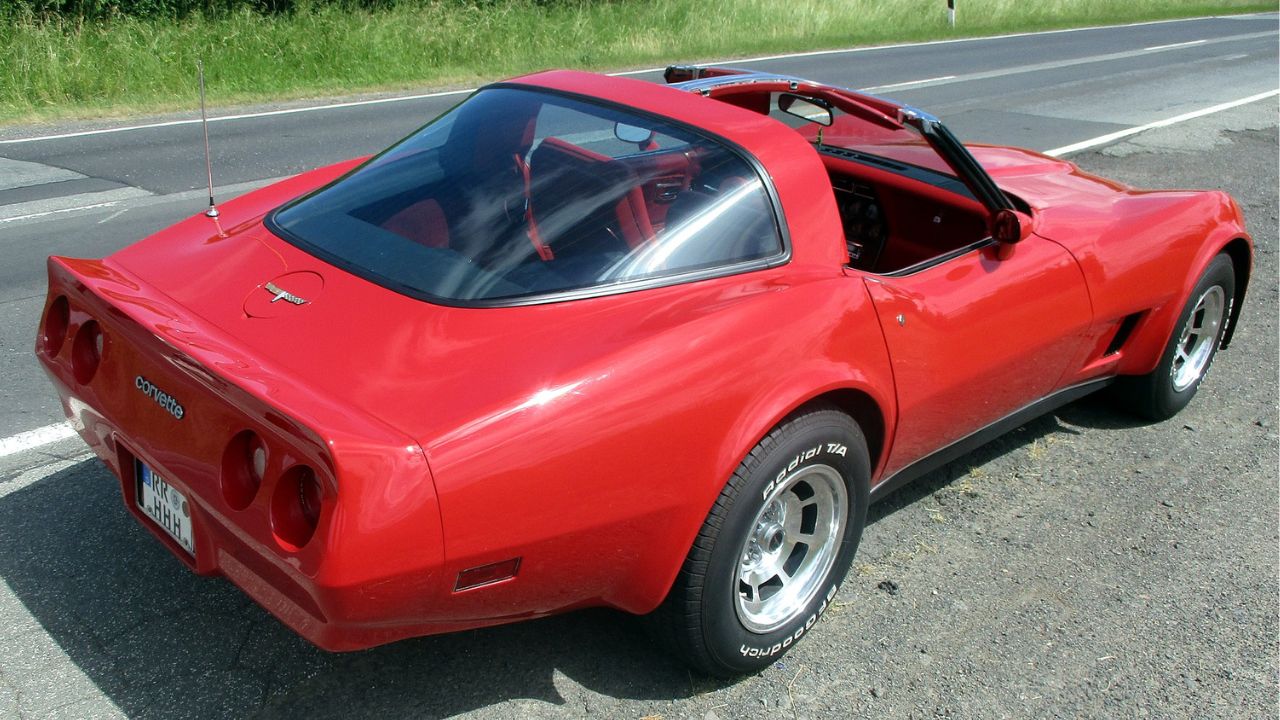
The concept of the T-top design can be traced back to early automotive innovations, where the quest for open-air driving experiences was a continuous pursuit. The design gained traction in the 1960s and 1970s when safety regulations began to tighten. Full convertibles were increasingly seen as less safe due to their reduced structural integrity, leading manufacturers to seek alternatives. The T-top, with its removable roof panels, offered an open-air feel while maintaining the safety of a hardtop, making it an attractive option.
Key players in this revolution included manufacturers like Pontiac, which popularized the T-top in models like the 1976 Pontiac Firebird Trans Am. Their efforts to combine style, safety, and a sense of freedom struck a chord with consumers. Other manufacturers soon followed suit, embedding T-tops into a range of muscle cars, solidifying their place in automotive history. For a more detailed exploration of the T-top’s journey, check out this comprehensive history.
Engineering and Design Challenges
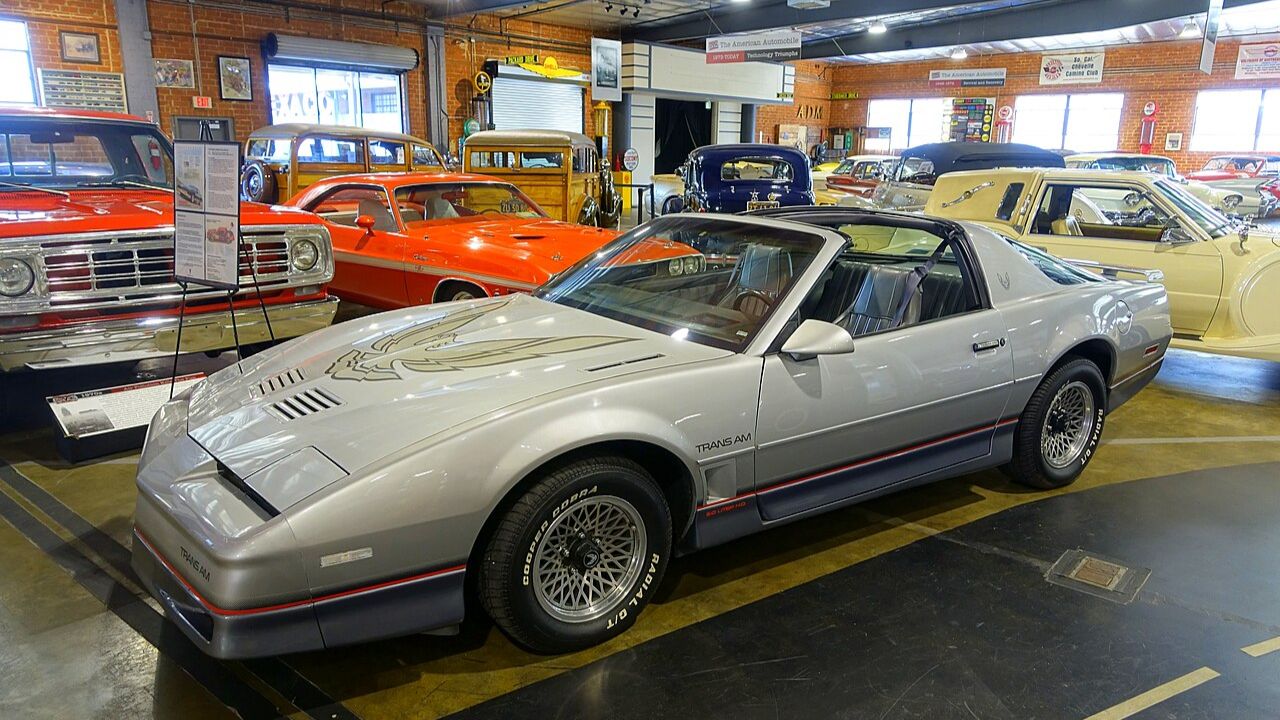
Designing a vehicle with T-tops presented several engineering challenges, particularly concerning structural integrity. The removal of roof sections meant that engineers had to ensure that the vehicle’s strength was not compromised. This resulted in reinforced frames and the strategic use of materials to maintain performance and safety. Additionally, weatherproofing was another significant hurdle. Ensuring that T-tops were leak-proof and easy to handle required innovation in sealant technologies and materials, which gradually improved over time.
Advancements in materials played a crucial role in overcoming these challenges. The development of lightweight, durable materials allowed manufacturers to design T-tops that were not only practical but also enhanced the overall driving experience. The evolution of T-top design reflects a broader trend of technological progress in the automotive industry, as detailed in this MotorTrend article.
Cultural Impact and Popularity
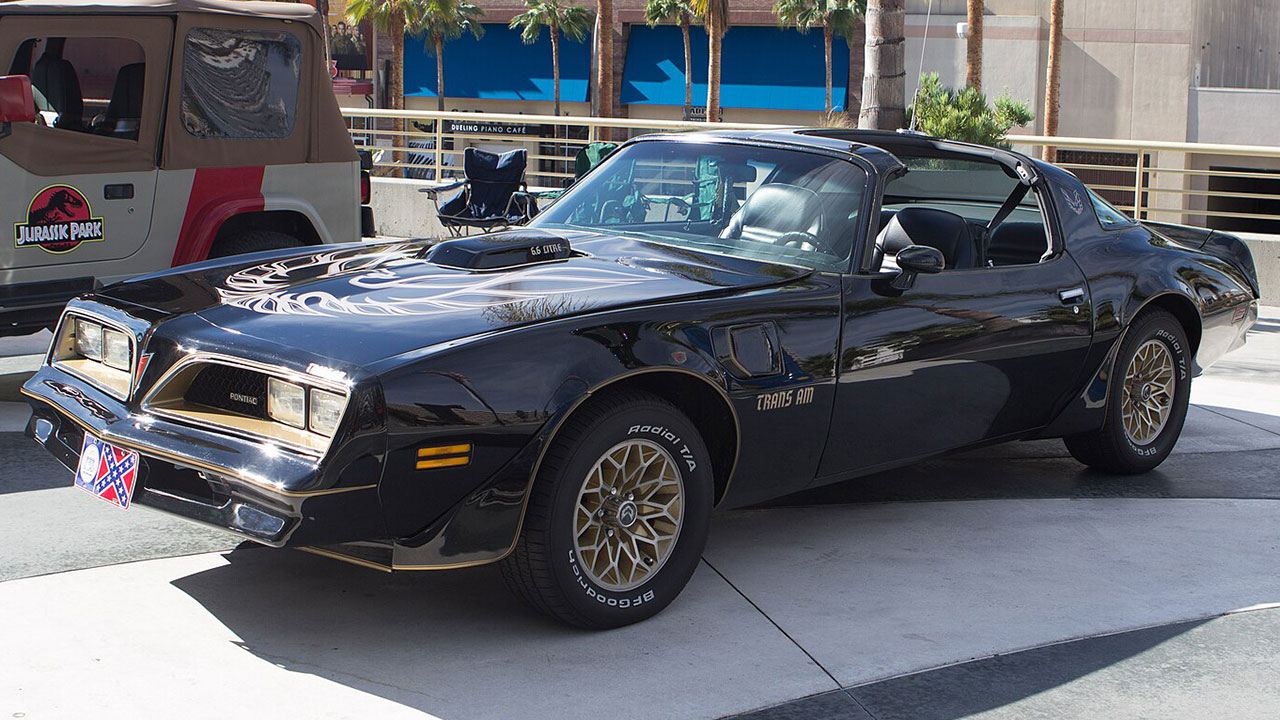
The cultural impact of T-tops in the 1970s cannot be overstated. These features became a staple in movies and television shows, cementing their status as symbols of freedom and style. Vehicles like the Pontiac Trans Am, featured prominently in films such as “Smokey and the Bandit,” elevated the T-top’s status further. This exposure in pop culture significantly boosted consumer interest, making T-tops a desirable feature for many car enthusiasts.
Beyond their cinematic appeal, T-tops resonated with consumers who appreciated the blend of open-air motoring and the safety of a hardtop. The design symbolized a new era of automotive freedom, appealing to those who sought adventure without compromising on safety. This lasting legacy of T-tops continues to influence car designs today, as seen in the renewed interest among classic car collectors and enthusiasts.
The Decline and Resurgence of T-Tops
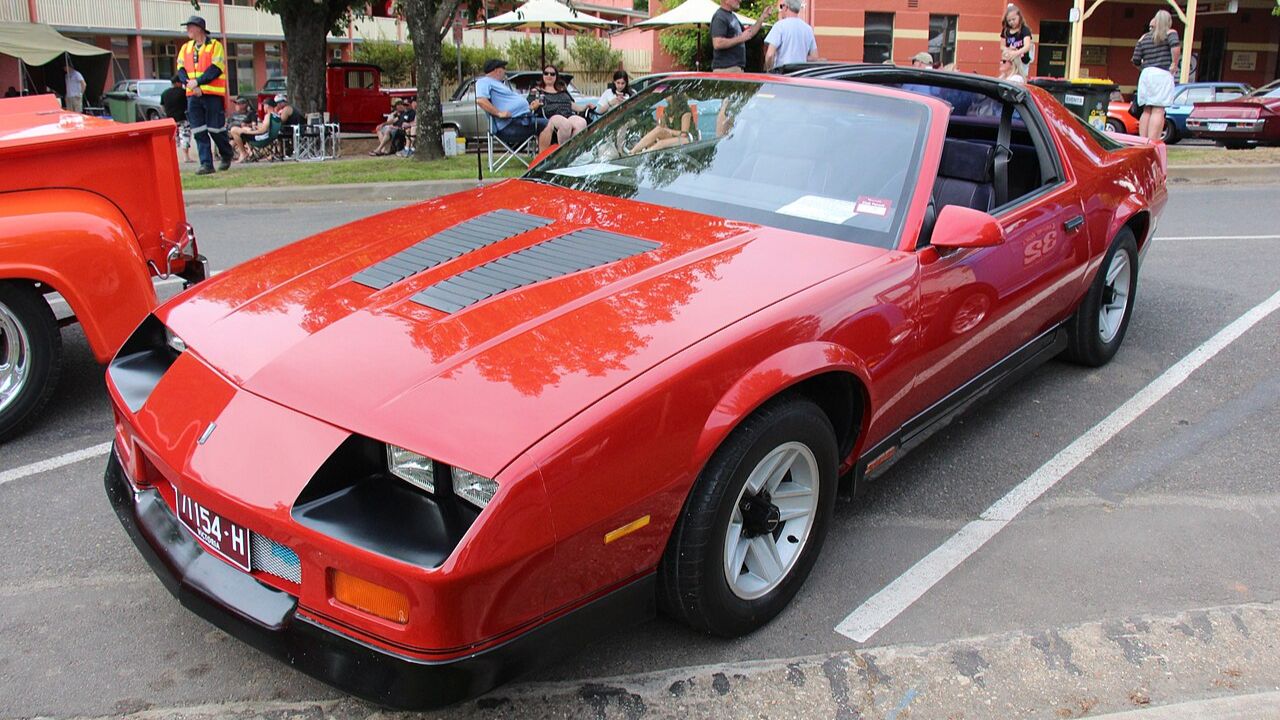
By the late 1980s and 1990s, market shifts and changes in consumer preferences led to the decline of T-tops. Advances in convertible technology and changing aesthetic tastes made T-tops less popular, resulting in their gradual disappearance from new car models. However, the nostalgia for classic cars has sparked a resurgence of interest in T-tops. Collectors and enthusiasts now seek them out as prized features in vintage models.
Modern car designs occasionally incorporate elements reminiscent of T-tops, blending retro appeal with contemporary aesthetics and technology. This resurgence is not just about nostalgia; it reflects an ongoing desire for innovation in open-air automotive design.
Like Fast Lane Only’s content? Be sure to follow us.
Here’s more from us:
*Created with AI assistance and editor review.