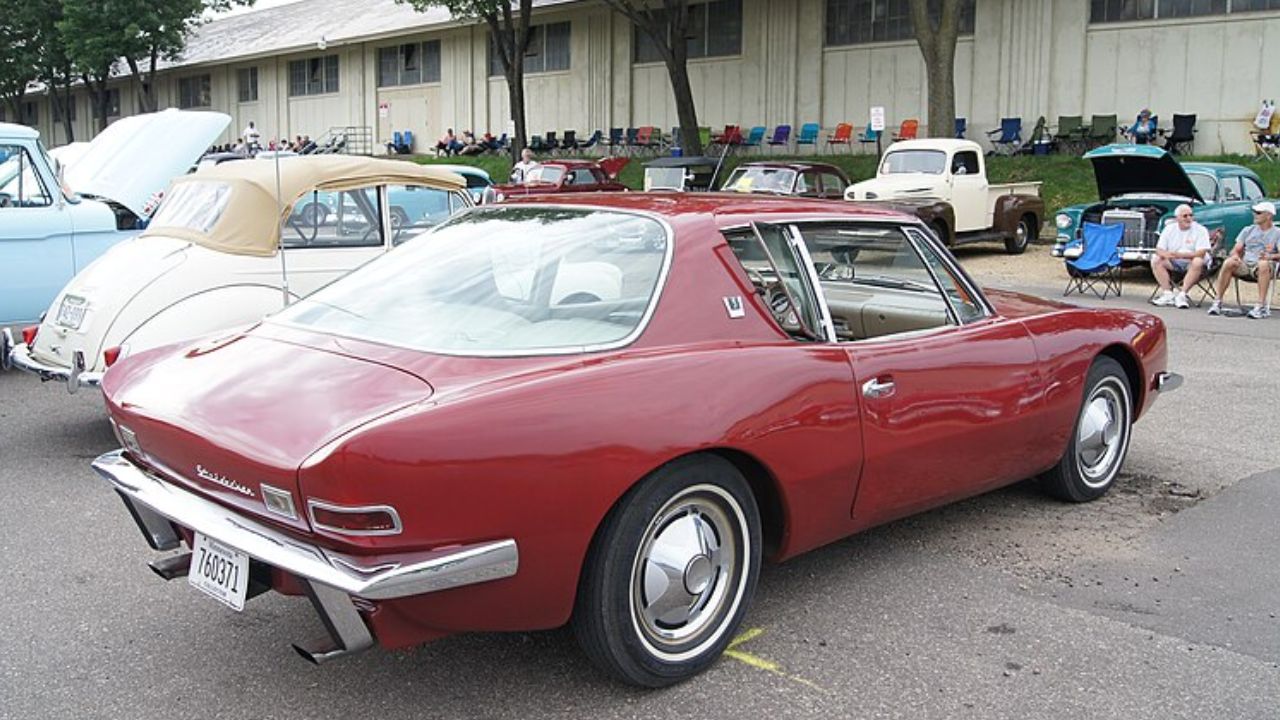
Muscle cars from the golden era of the 1960s and 70s are iconic for their raw power and unique design features, one of which is the shaker hood. These classic vehicles are celebrated not only for their performance but also for their distinctive aesthetic. Shaker hoods played a crucial role in this, offering both functional benefits and contributing significantly to the muscle car mystique.
The Functional Purpose of Shaker Hoods
Air Intake Efficiency
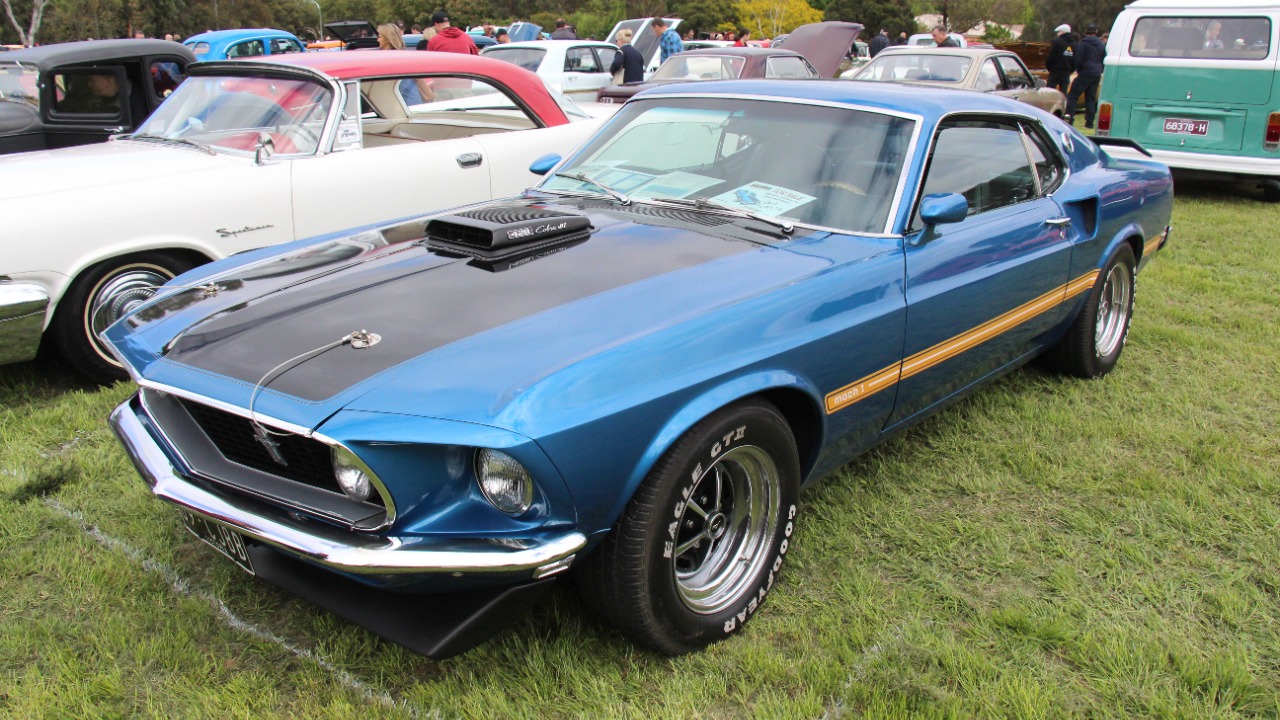
One of the primary reasons muscle cars incorporated shaker hoods was to enhance engine performance. Shaker hoods were designed to scoop up cooler, denser air directly from outside the vehicle, channeling it straight into the carburetor. This influx of cooler air improved combustion efficiency, resulting in more power and better performance on the road. By allowing the engine to breathe more effectively, shaker hoods contributed to the muscle car’s reputation for speed and power.
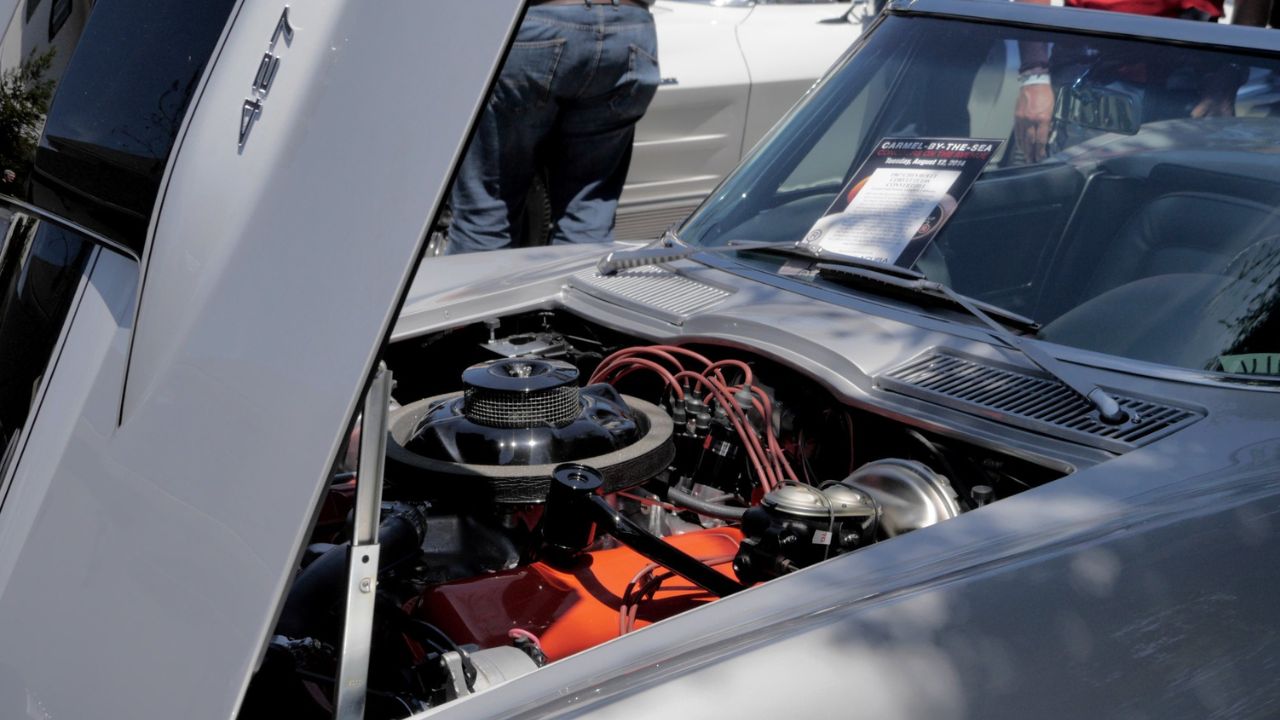
The design of the shaker hood, which protrudes through a hole in the hood and is mounted directly to the engine, ensures that it moves with the engine’s vibrations. This movement allows the hood to consistently draw in air from outside the engine bay, where temperatures are lower, leading to a noticeable improvement in engine performance compared to traditional hood designs.
Vibration Absorption
Beyond aiding air intake, shaker hoods also had the practical benefit of absorbing engine vibrations. This was particularly important for muscle cars, which typically had large, powerful engines. The design of the shaker hood, which allows it to move independently of the car’s body, helps absorb and dissipate these vibrations, reducing stress on the engine mounts and enhancing the vehicle’s overall durability.
By moving with the engine, the shaker hood also provided drivers with a visual indication of engine activity, offering a dynamic, engaging driving experience. This feature not only reduced wear and tear on the engine components but also added to the car’s visceral appeal, making the driving experience more immersive.
The Aesthetic Appeal

Visual Impact
Shaker hoods were not only functional but also contributed significantly to the visual impact of muscle cars. The bold, protruding design of the shaker hood gave these vehicles an aggressive and sporty look that became synonymous with power and performance. The visual cue of the hood shaking with the engine’s roar was enough to send a shiver down the spine of any car enthusiast, making it an iconic feature of muscle cars from that era.
This design element became a defining characteristic of muscle cars, distinguishing them from other vehicles on the road. The shaker hood was a statement of intent, a visual representation of the raw power lurking beneath the hood. This iconic look has been celebrated and emulated by car enthusiasts and manufacturers alike, making it a lasting symbol of the muscle car era.
Personalization and Customization
Shaker hoods also offered car owners an opportunity for personalization and customization. Enthusiasts could modify the appearance of their shaker hoods to reflect their personal style, whether through custom paint jobs, decals, or unique finishes. This ability to personalize the vehicle added to the individuality and uniqueness of each muscle car, allowing owners to express their identity through their vehicle.
Moreover, the prominence of the shaker hood made it a popular canvas for customization, with some owners opting to enhance its appearance with chrome finishes or unique designs. This level of personalization contributed to the shaker hood’s enduring appeal, as car enthusiasts continued to find new and creative ways to make their vehicles stand out.
Historical Significance

Era of the Muscle Car
The 1960s and 70s were a time of cultural upheaval and change, and muscle cars were at the heart of this movement. These vehicles, with their powerful engines and bold designs, symbolized the spirit of freedom and rebellion that defined the era. The shaker hood, as a prominent feature of muscle cars, became a symbol of this cultural shift, representing a break from the norms and a celebration of individuality and power.
During this time, muscle cars were not just vehicles; they were an expression of identity and a reflection of the cultural zeitgeist. The shaker hood, with its aggressive design and functional benefits, played a key role in this narrative, becoming an integral part of the muscle car legacy. The cultural impact of these vehicles is still felt today, as enthusiasts continue to celebrate and preserve their history and heritage.
Mopar Influence
The influence of Mopar in popularizing the shaker hood cannot be overstated. Iconic models like the Dodge Challenger and Plymouth Barracuda featured shaker hoods, cementing their place in automotive history. Mopar’s embrace of the shaker hood design helped elevate it to legendary status, making it a defining feature of their muscle cars.
By incorporating shaker hoods into their vehicles, Mopar not only enhanced their performance but also solidified their reputation as innovators in the automotive industry. The success of these models helped popularize the shaker hood, influencing other manufacturers and contributing to its widespread adoption in the muscle car community.
Modern Interpretations and Revivals
Evolution Over Time
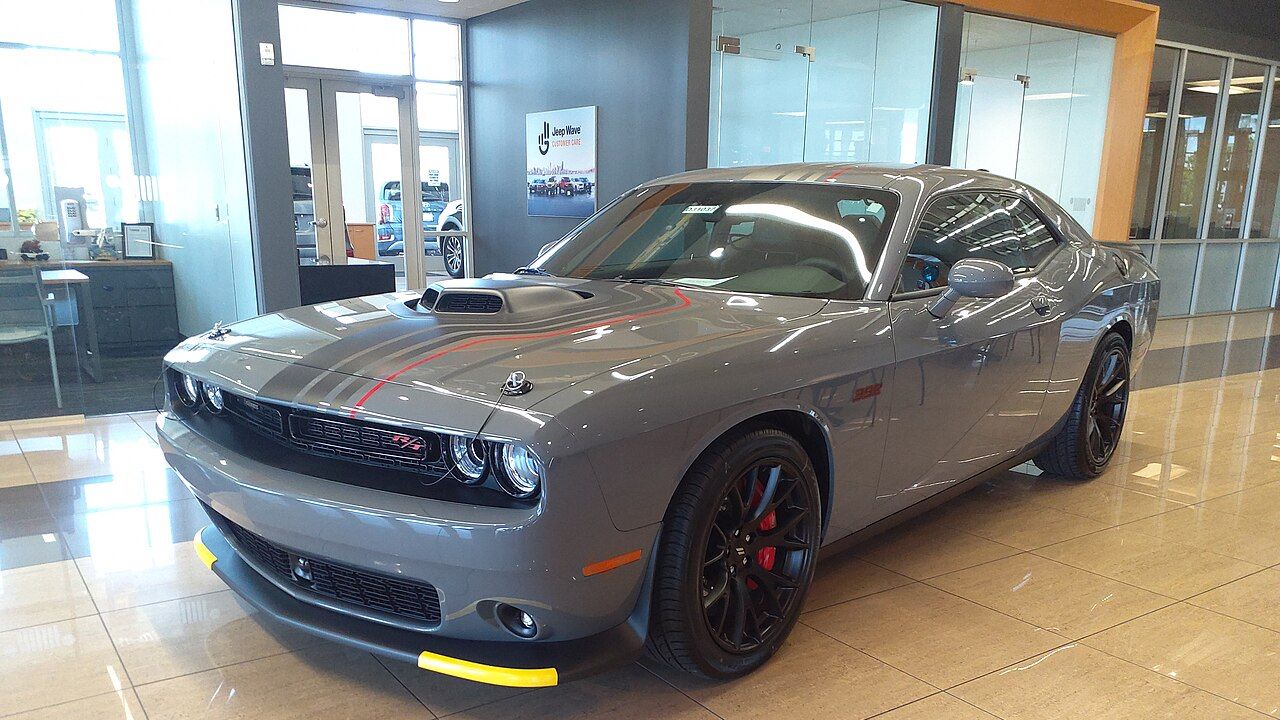
In recent years, modern car enthusiasts and manufacturers have sought to revive the classic design elements of muscle cars, including the shaker hood. Contemporary models have embraced this iconic feature, blending classic design with modern technology to create vehicles that pay homage to their predecessors while offering improved performance and efficiency.
Manufacturers have introduced modern interpretations of the shaker hood in vehicles such as the Dodge Challenger SRT Hellcat, which combines the classic design with advanced engineering to deliver a thrilling driving experience. This revival has been well-received by enthusiasts, who appreciate the nod to the past while enjoying the benefits of modern advancements.
Collector’s Value
The presence of original shaker hoods can significantly impact the value of classic muscle cars in today’s collector market. Vehicles with authentic shaker hoods are highly sought after by collectors, who recognize the historical and aesthetic significance of these features. The rarity and originality of shaker hoods contribute to the desirability and value of classic muscle cars, making them prized possessions among enthusiasts.
This demand has led to a resurgence in interest in classic muscle cars, as collectors seek to preserve and showcase these iconic vehicles. The enduring appeal of the shaker hood continues to influence the market, highlighting its lasting impact on the automotive world.
Technical Challenges and Innovations

Engineering Challenges
Despite their many benefits, designing shaker hoods posed several technical challenges. Engineers had to ensure that the hood maintained a proper seal to prevent water and debris from entering the engine bay while allowing for the necessary movement to absorb vibrations. Maintaining structural integrity was also crucial, as the hood needed to withstand the forces generated by the engine’s movement.
These challenges required innovative solutions and meticulous engineering to overcome, as any compromise in design could affect the hood’s functionality and the vehicle’s performance. Engineers had to balance the need for durability and flexibility, ensuring that the shaker hood could withstand the rigors of daily driving while delivering its intended benefits.
Innovative Solutions
Advancements in materials and engineering have allowed for the integration of shaker hoods in modern vehicles without compromising their design. The use of lightweight materials, such as aluminum and carbon fiber, has improved the durability and performance of shaker hoods, allowing them to function effectively while maintaining their iconic appearance.
Manufacturers have also employed advanced sealing techniques and engineering solutions to ensure that modern shaker hoods meet contemporary standards for performance and reliability. These innovations have allowed the shaker hood to continue evolving, ensuring its place in the automotive world for years to come.
The enduring allure of shaker hoods lies in their unique combination of form and function, making them a timeless feature that continues to captivate car enthusiasts and collectors alike. Whether in classic muscle cars or modern revivals, the shaker hood remains a symbol of automotive excellence and innovation.
Like Fast Lane Only’s content? Be sure to follow us.
Here’s more from us:
*Created with AI assistance and editor review.