Muscle cars have long been a defining feature of American automotive culture, celebrated for their formidable engines and distinctive dual exhaust tips. These vehicles are more than just machines; they are symbols of power, performance, and style. The dual exhaust design is not merely aesthetic but serves several practical purposes. Delving into the engineering, aesthetic, and cultural reasons, we uncover why dual exhaust systems have become synonymous with muscle cars.
The Engineering Perspective
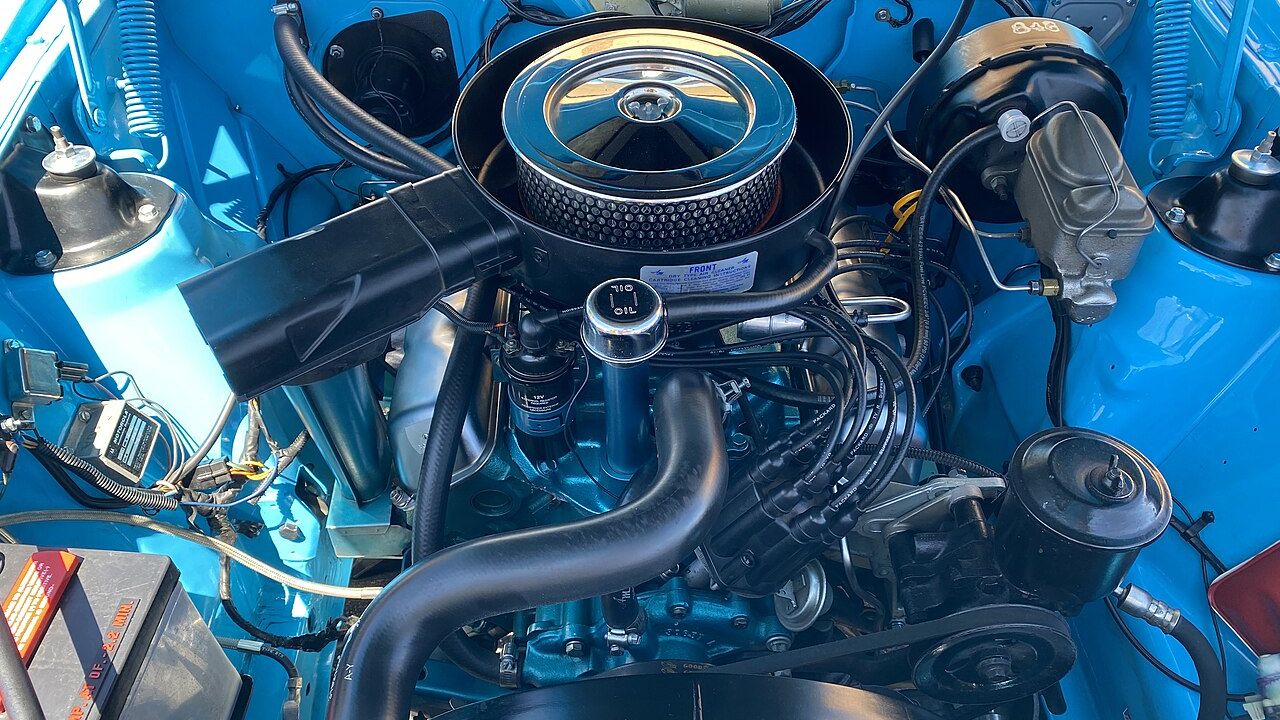
From an engineering standpoint, dual exhaust systems are primarily about performance enhancement. A critical aspect of any engine’s performance is its ability to expel exhaust gases efficiently. Dual exhaust systems provide a more efficient pathway for these gases to escape, reducing back pressure and allowing the engine to breathe better. This improvement in airflow can lead to a noticeable increase in engine power and efficiency. For instance, the 1969 Chevrolet Camaro Z28 benefited from such advancements, becoming a benchmark in performance cars of its era.
Another engineering benefit is heat dissipation. The dual exhaust setup splits the exhaust flow, effectively managing heat and reducing the risk of overheating. This feature is crucial for prolonging the life of engine components, especially in high-performance vehicles like the Dodge Charger R/T. By balancing the exhaust flow from the engine’s cylinders, dual exhaust systems promote smoother engine operation, which can also contribute to better fuel economy. The balance achieved through a dual setup ensures that each cylinder bank operates efficiently, harmonizing the engine’s overall function.
Aesthetic Appeal

Beyond their technical advantages, dual exhaust tips contribute significantly to the muscle car’s visual appeal. They lend a muscular look to the vehicle, reinforcing the image of strength and speed. This design choice is not merely functional but enhances the car’s aggressive and powerful appearance, making it a staple in the realm of muscle cars.
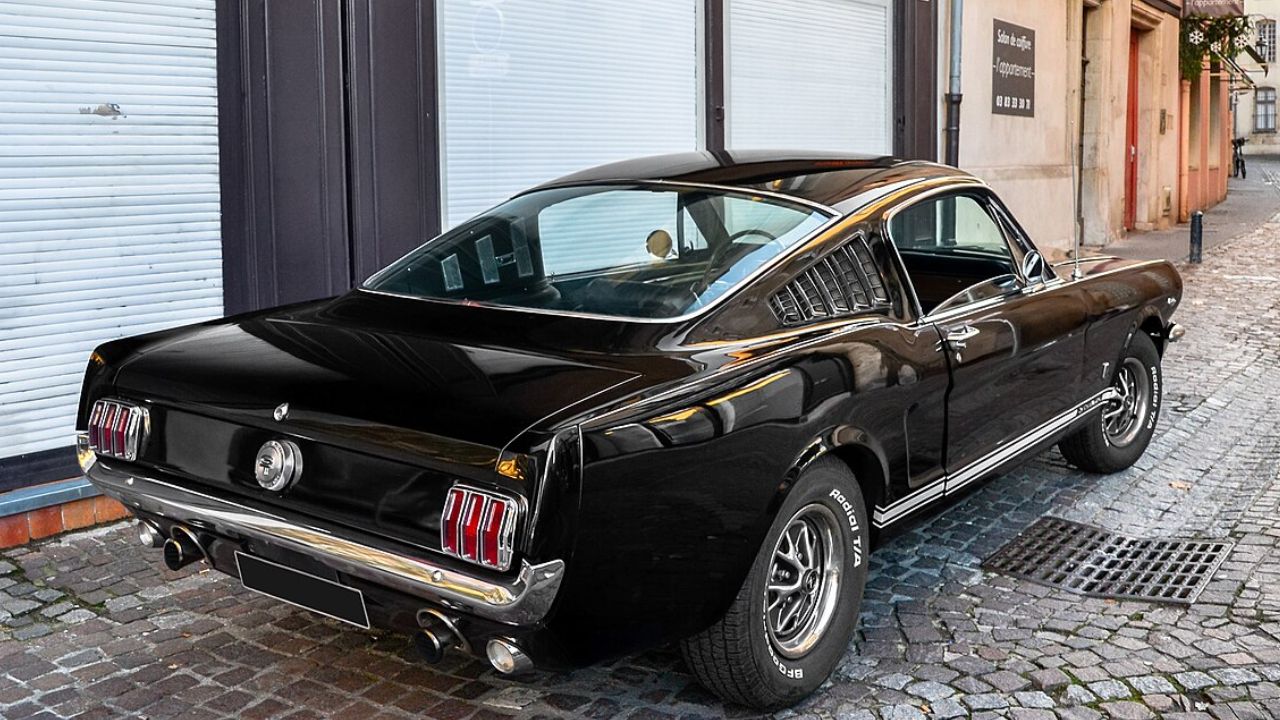
The symmetry provided by dual exhausts is another aspect that enhances the design of a vehicle. It creates a balanced and visually pleasing rear end, which is particularly important in models like the Ford Mustang GT. Additionally, the sound acoustics of dual exhausts are often tuned to produce a deeper, more resonant exhaust note. This auditory feature enriches the driving experience, making the car feel more alive and engaging for the driver.
Historical and Cultural Significance

The dual exhaust became a hallmark of high-performance vehicles during the muscle car era of the 1960s and 1970s. These cars, characterized by their powerful engines and bold designs, often featured dual exhausts as a symbol of power and prestige. The Ford Mustang, introduced in 1964, is an iconic example of how dual exhausts were integral to the muscle car identity.
Culturally, muscle cars with dual exhausts have been immortalized in popular media, from movies like “Bullitt” to car shows across America. For car enthusiasts and collectors, dual exhaust tips are often a sought-after feature that adds authenticity and value to classic muscle cars. This appeal is part of what makes models like the Pontiac GTO highly prized among collectors.
Technological Advancements

With the advent of modern technology, dual exhaust systems have evolved significantly. Today, they incorporate advanced materials and designs, such as variable valve exhaust systems, which enhance performance and efficiency. These innovations allow for greater control over exhaust flow, optimizing engine output and responsiveness.
Environmental considerations have also played a role in the evolution of dual exhaust systems. Modern designs are equipped with catalytic converters and oxygen sensors, reducing emissions while maintaining performance. This balance is crucial in meeting stringent environmental regulations without sacrificing the power that muscle cars are known for. The thriving aftermarket industry offers a range of customization options, allowing enthusiasts to modify their vehicles with performance and aesthetic enhancements.
Consumer Perception and Marketing
From a marketing perspective, dual exhausts play a significant role in shaping a vehicle’s brand identity. Automakers often use them as a tool to enhance the perceived performance and exclusivity of their cars, associating them with the brand’s heritage. This strategy is evident in brands like Chevrolet and Ford, which have long embraced dual exhausts as part of their high-performance image.
For consumers, dual exhaust systems have become a symbol of performance that many expect in high-powered vehicles. This expectation influences purchasing decisions, as buyers often associate dual exhausts with superior performance capabilities. Additionally, the psychological impact of dual exhausts cannot be underestimated. The presence of these features can enhance the driving experience by instilling a sense of control and power, making the driver feel more connected to the vehicle.
Like Fast Lane Only’s content? Be sure to follow us.
Here’s more from us:
*Created with AI assistance and editor review.