The introduction of arrowhead tachometers on the hoods of Pontiac vehicles was a distinctive feature that set the brand apart in the automotive world. This unique design choice blended aesthetic and functional aspects, capturing the attention of car enthusiasts and leaving a lasting legacy in the automotive industry.
History and Evolution of Pontiac’s Design Philosophy

Pontiac’s design ethos was rooted in innovation and a commitment to creating vehicles that resonated with car enthusiasts. Known for their bold and aggressive styling, Pontiac vehicles often pushed the boundaries of conventional design. This approach aligned perfectly with the brand’s identity, which was to offer cars that not only performed exceptionally but also made a statement on the road.
The muscle car era played a significant role in shaping Pontiac’s design decisions. During this time, there was a growing demand for powerful cars with striking features. Pontiac responded by introducing bold design elements such as the hood-mounted tachometer, which became a signature feature. This move was part of a broader trend in the automotive industry to emphasize speed and power, catering to an audience eager for performance and style.
The influence of John DeLorean, a visionary leader within Pontiac, cannot be overstated. DeLorean’s forward-thinking approach led to the development of many unique design features that set Pontiac apart from its competitors. His vision for the brand included a focus on innovation and performance, which was reflected in the introduction of the arrowhead tachometer, a feature that quickly became synonymous with Pontiac’s identity.
Technical Functionality and Aesthetic Appeal

The practical benefits of hood-mounted tachometers were significant. By positioning the tachometer on the hood, drivers could easily monitor engine performance without taking their eyes off the road. This functionality was particularly important during a time when performance driving was gaining popularity. The hood-mounted tachometer allowed drivers to receive essential feedback on engine speed, enhancing the overall driving experience.
Aesthetically, the arrowhead tachometer seamlessly integrated with the vehicle’s design, adding to its sporty and aggressive appearance. The arrowhead shape complemented the sleek lines of Pontiac vehicles, reinforcing their image as performance-oriented cars. This design choice not only enhanced the car’s visual appeal but also underscored Pontiac’s commitment to innovation.
When compared to other brands, Pontiac’s use of hood-mounted tachometers was a bold departure from the norm. While most manufacturers opted for dashboard-mounted versions, Pontiac’s decision to place the tachometer on the hood set it apart. This distinctive feature became a hallmark of the brand, further solidifying its reputation for cutting-edge design.
The Cultural Iconography of Pontiac’s Arrowhead Tachometers
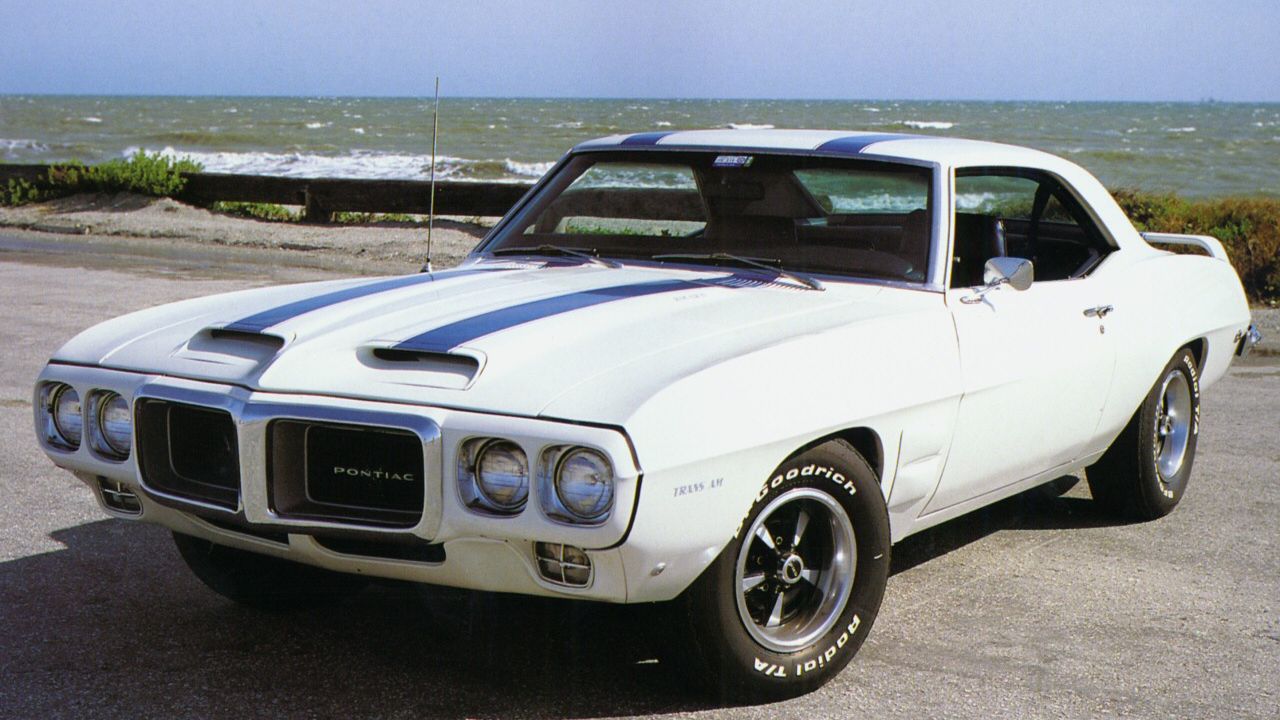
Pontiac’s arrowhead tachometers quickly became a symbol of automotive innovation and were frequently featured in popular culture. From movies to television shows, these distinctive tachometers often appeared in scenes that highlighted the power and allure of Pontiac vehicles. This exposure helped cement the tachometer’s status as an iconic design feature, resonating with audiences and car enthusiasts alike.
Among car enthusiasts and collectors, the arrowhead tachometer holds a special place. It is a cherished element that represents a golden era of automotive design. Many collectors actively seek out classic Pontiac models that feature this unique design, viewing it as a testament to the brand’s commitment to innovation and style.
The legacy of the arrowhead tachometer continues to evoke nostalgia among fans of classic Pontiac models. As a design feature, it encapsulates the spirit of an era when automotive design was driven by a desire to stand out and push technological boundaries. Today, the arrowhead tachometer is not just a relic of the past but a symbol of Pontiac’s lasting impact on the automotive world.
Challenges and Controversies Surrounding the Design

Despite its appeal, the hood-mounted tachometer design was not without its criticisms. Some drivers reported visibility issues in certain lighting conditions, which could make the tachometer difficult to read. This limitation highlighted the challenges of balancing form and function in automotive design, prompting discussions about the practicality of the feature.
Safety considerations also played a role in the debate surrounding the hood-mounted tachometer. Concerns about driver distraction were raised, although Pontiac addressed these by ensuring the tachometer was positioned to minimize interference with the driver’s line of sight. The brand’s commitment to safety was evident in its approach to tackling these issues.
The market’s response to the hood-mounted tachometer was mixed. While some praised the design for its innovation and style, others criticized it for its practicality. Nevertheless, the feature left a lasting impression on the industry, influencing future design trends and inspiring other manufacturers to explore similar innovations.
The Lasting Impact of Pontiac’s Design Innovations
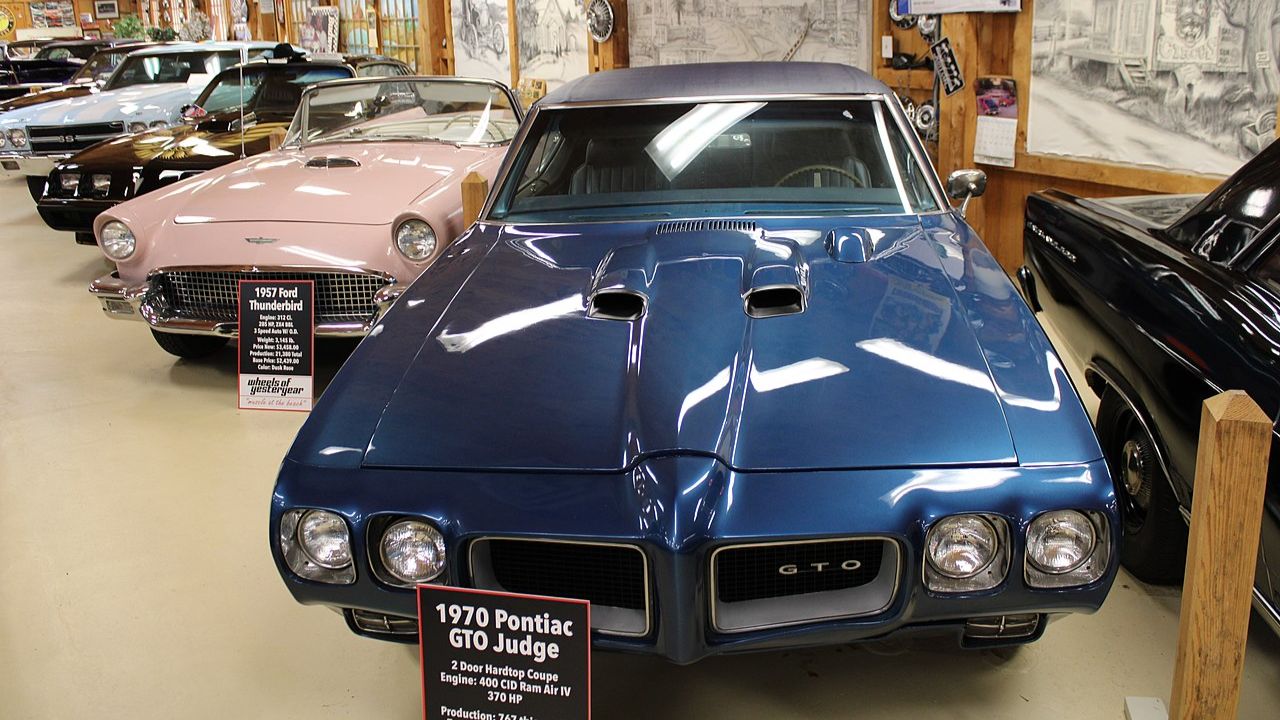
Pontiac’s innovative features have left a lasting impact on modern automotive design. The brand’s willingness to experiment with bold design choices has inspired contemporary manufacturers to prioritize both aesthetics and functionality in their vehicles. The legacy of Pontiac’s design innovations can be seen in the emphasis on unique styling and performance features that define many of today’s cars.
The discontinuation of Pontiac marked the end of an era, but its design legacy continues to influence car enthusiasts and the automotive industry. The brand’s commitment to pushing the boundaries of design and performance remains an inspiration, reminding us of the importance of innovation in the automotive world.
Efforts to preserve classic Pontiac models and their unique features, such as hood-mounted tachometers, are ongoing. Enthusiasts and collectors alike recognize the historical significance of these vehicles, and their dedication to preserving them ensures that Pontiac’s legacy will endure for generations to come.
Like Fast Lane Only’s content? Be sure to follow us.
Here’s more from us:
*Created with AI assistance and editor review.