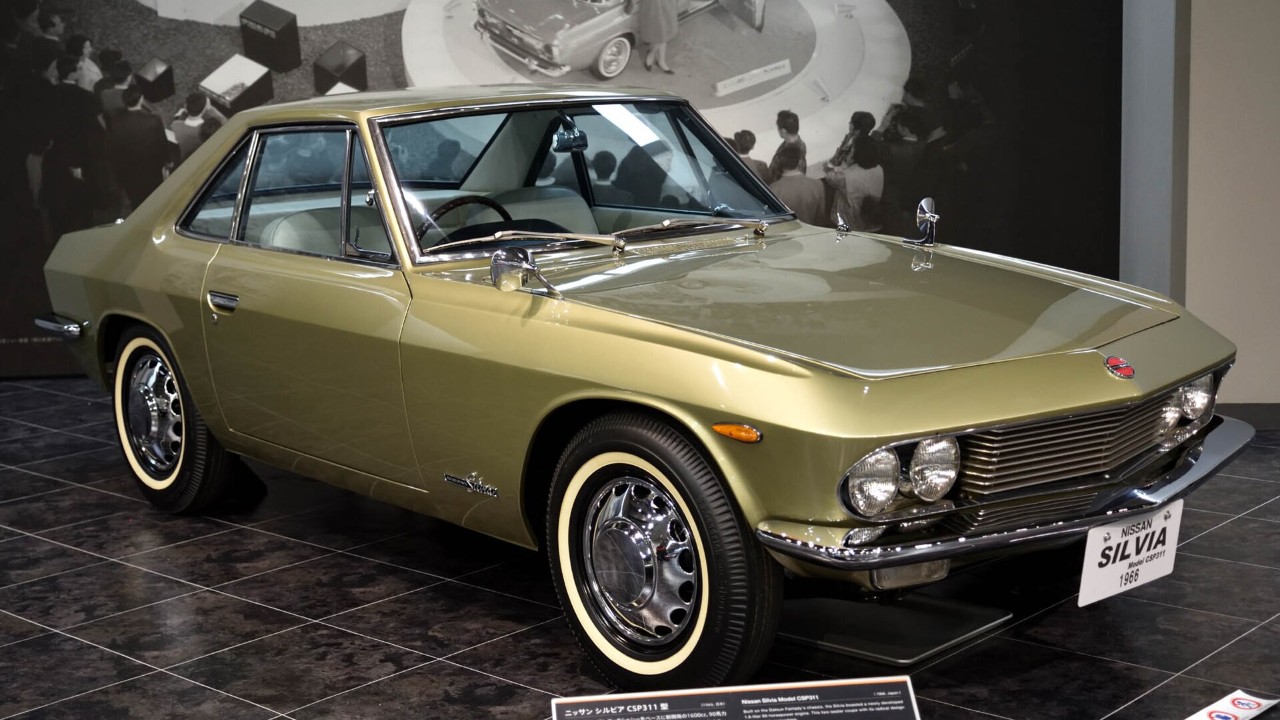
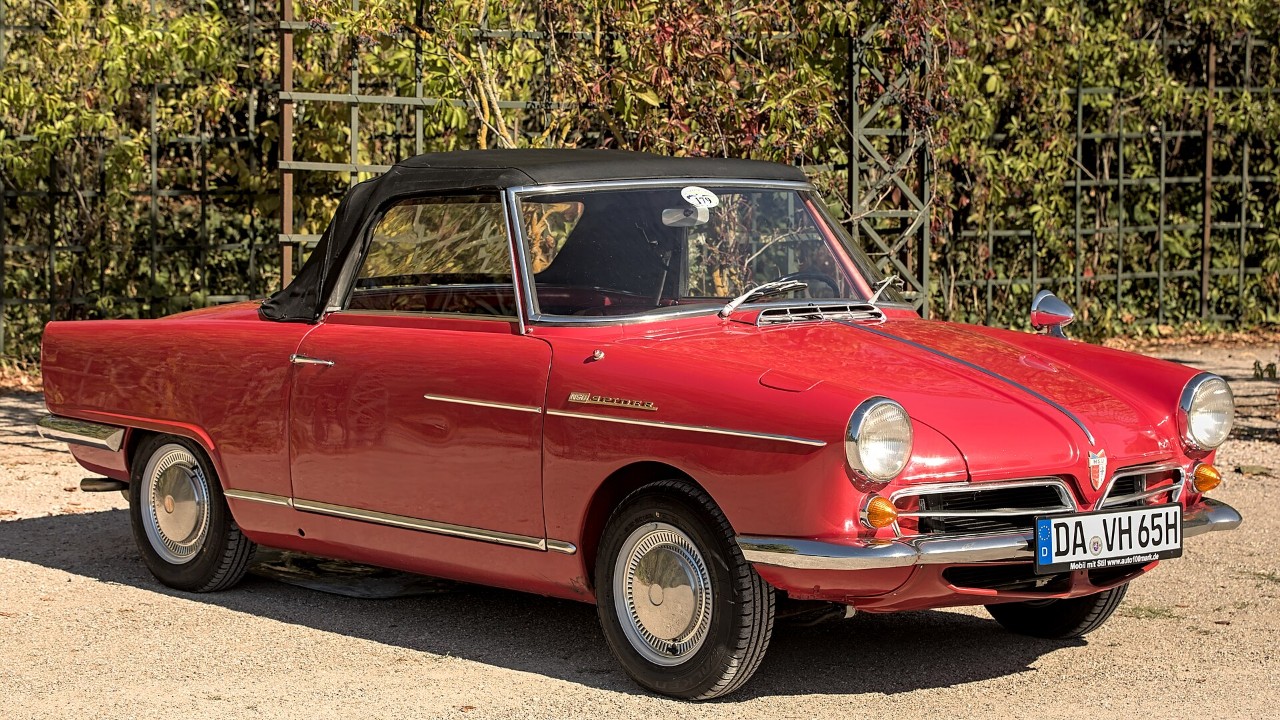
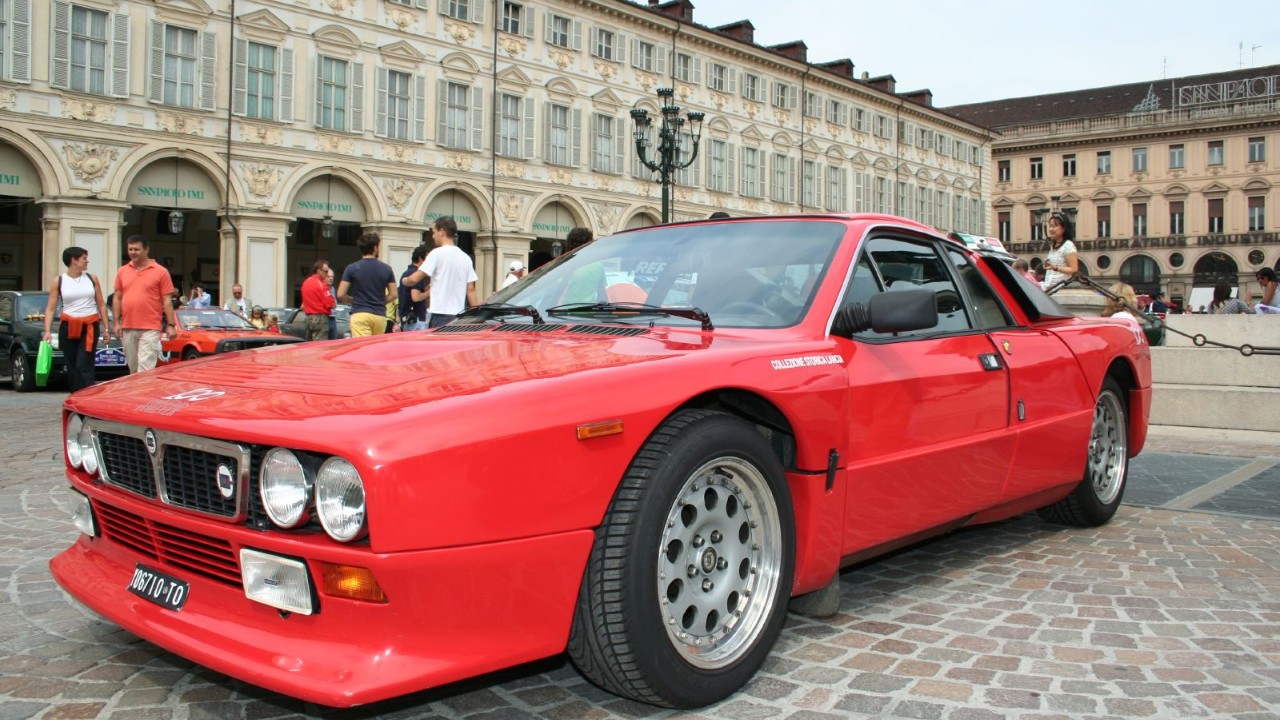
Japanese car meets have become a phenomenon that captivates car enthusiasts worldwide. These gatherings, known for their unique blend of culture, innovation, and community, offer a captivating glimpse into the vibrant automotive scene in Japan. We explore why these events garner such global attention and what makes them stand out.
The Unique Culture of Japanese Car Meets
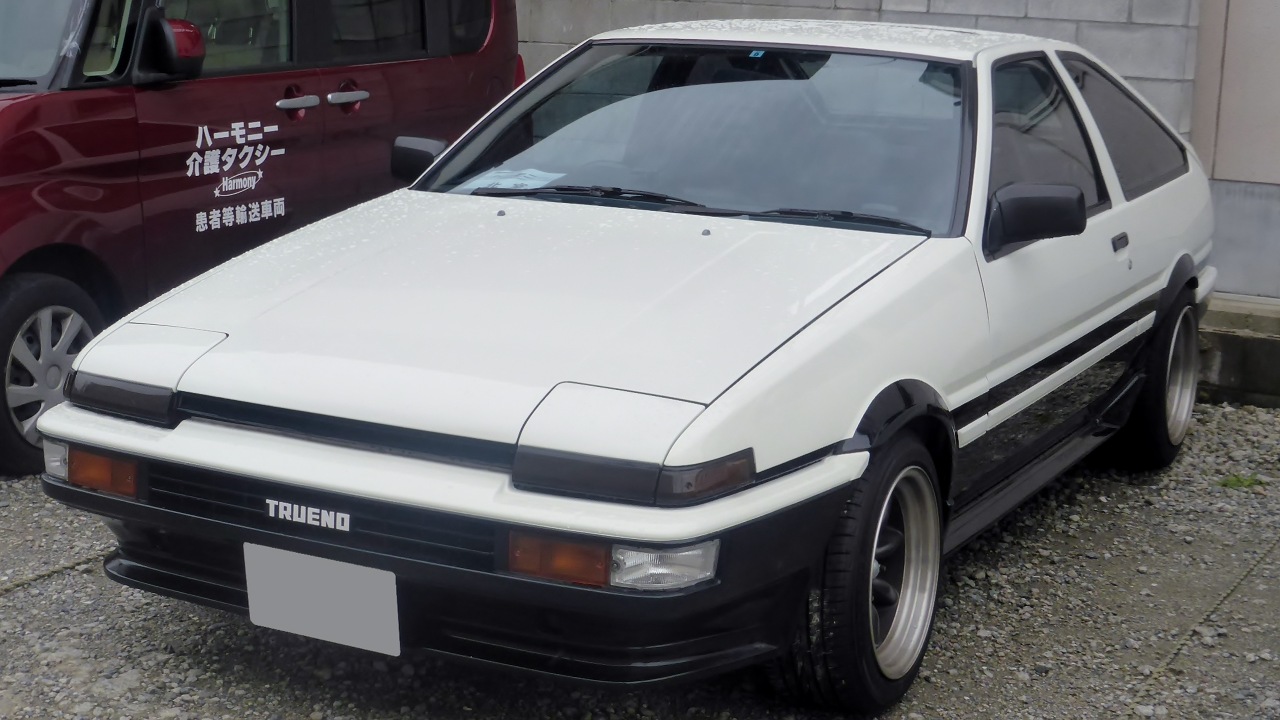
Japanese automotive culture has long held a global appeal, drawing enthusiasts from all corners of the world. This fascination is rooted in the country’s rich history of automotive excellence and the unique cultural elements that permeate these car meets. The concept of “Kaizen,” or continuous improvement, is deeply ingrained in the Japanese car community, emphasizing meticulous craftsmanship and attention to detail. This dedication to quality and innovation is evident in the vehicles showcased at these events, where even the smallest modifications are executed with precision.
Traditional Japanese values also play a significant role in shaping the etiquette and tone of car meets. Respect, humility, and harmony are central to these gatherings, creating an atmosphere that is both welcoming and inclusive. Participants often adhere to unwritten rules of conduct, ensuring that the focus remains on the shared passion for cars rather than competition or rivalry. This cultural backdrop not only enhances the experience for attendees but also sets Japanese car meets apart from their international counterparts.
Innovation and Creativity on Display

Customization and modification are at the heart of Japanese car culture, with enthusiasts constantly pushing the boundaries of design and performance. These car meets serve as a platform for showcasing the latest technological advancements and creative innovations. From cutting-edge engine modifications to bespoke body kits, the level of ingenuity on display is truly remarkable. This spirit of experimentation and creativity is a testament to the vibrant and dynamic nature of the Japanese automotive scene.
Popular media, including anime and video games, also play a significant role in influencing car designs at these events. Iconic franchises like “Initial D” and “Gran Turismo” have inspired countless enthusiasts to recreate their favorite vehicles, blending fantasy with reality. This fusion of pop culture and automotive design not only attracts a diverse audience but also highlights the unique intersection of art and engineering that defines Japanese car meets.
Community and Camaraderie

Beyond the cars themselves, Japanese car meets are renowned for fostering a strong sense of community and camaraderie among participants. These events provide a space for like-minded individuals to connect, share their passion, and exchange ideas. The sense of belonging that emerges from these gatherings is palpable, with attendees often forming lasting friendships and networks that extend beyond the confines of the meet.
Social media plays a crucial role in connecting enthusiasts and expanding the global fanbase of Japanese car culture. Platforms like Instagram and YouTube allow participants to share their experiences and showcase their vehicles to a worldwide audience. This digital connectivity not only amplifies the reach of these events but also facilitates the exchange of ideas and trends across borders, further solidifying the global impact of Japanese car meets.
Global Influence and Impact

The influence of Japanese car culture extends far beyond the borders of Japan, thanks in part to its portrayal in films, television shows, and social media. Movies like “The Fast and the Furious: Tokyo Drift” have introduced international audiences to the thrilling world of Japanese street racing and car customization. This exposure has inspired countless enthusiasts around the globe to adopt elements of Japanese car culture, from aesthetic modifications to performance enhancements.
Japanese car meets also have a significant economic impact, both locally and globally. These gatherings attract tourists and automotive professionals alike, boosting local economies and generating revenue through related industries such as hospitality and retail. Additionally, the trends and innovations that emerge from these events often influence the global automotive market, driving demand for Japanese vehicles and aftermarket parts.
Challenges and Future Prospects
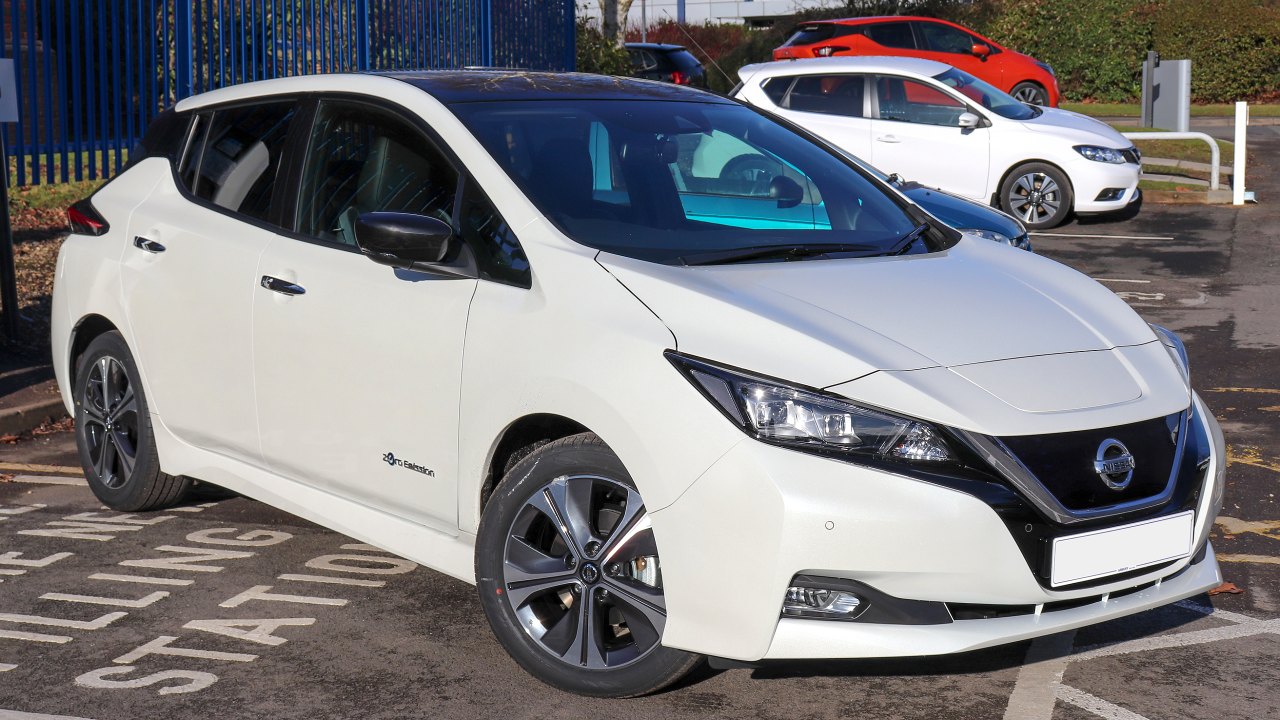
As the automotive industry evolves, Japanese car meets face new challenges and opportunities. Environmental concerns and the shift towards sustainable car culture are prompting enthusiasts to explore eco-friendly modifications and alternative energy sources. Balancing tradition with modern innovation is crucial as the community navigates these changes, ensuring that the essence of Japanese car culture is preserved while embracing new technologies.
The future of Japanese car meets in an increasingly digital world is also a topic of interest. Virtual events and online communities are becoming more prevalent, offering new ways for enthusiasts to connect and share their passion. While the physical gatherings remain a cornerstone of the culture, the integration of digital platforms presents exciting possibilities for the continued growth and evolution of Japanese car meets on a global scale.
Like Fast Lane Only’s content? Be sure to follow us.
Here’s more from us:
*Created with AI assistance and editor review.