Despite the global push towards sustainability and the increasing popularity of electric vehicles (EVs), some brands remain hesitant to fully embrace an all-electric future. As the world shifts toward greener alternatives, these brands face a complex landscape of economic, technological, and cultural factors that influence their decisions. Understanding the intricacies of transitioning to electric-only product lines reveals why some manufacturers continue to hold back.
Economic Considerations
Investment and Infrastructure Costs

The transition to electric vehicles demands substantial financial investment, which poses a significant challenge for many brands. Developing electric vehicle technology requires not only research and development but also a revamp of existing infrastructure. For instance, traditional manufacturers like Ford and General Motors have started investing billions into EV production, yet updating manufacturing facilities and retraining their workforce remain daunting tasks. These investments are crucial for ensuring that production lines can accommodate the specialized components and processes required by electric vehicles.
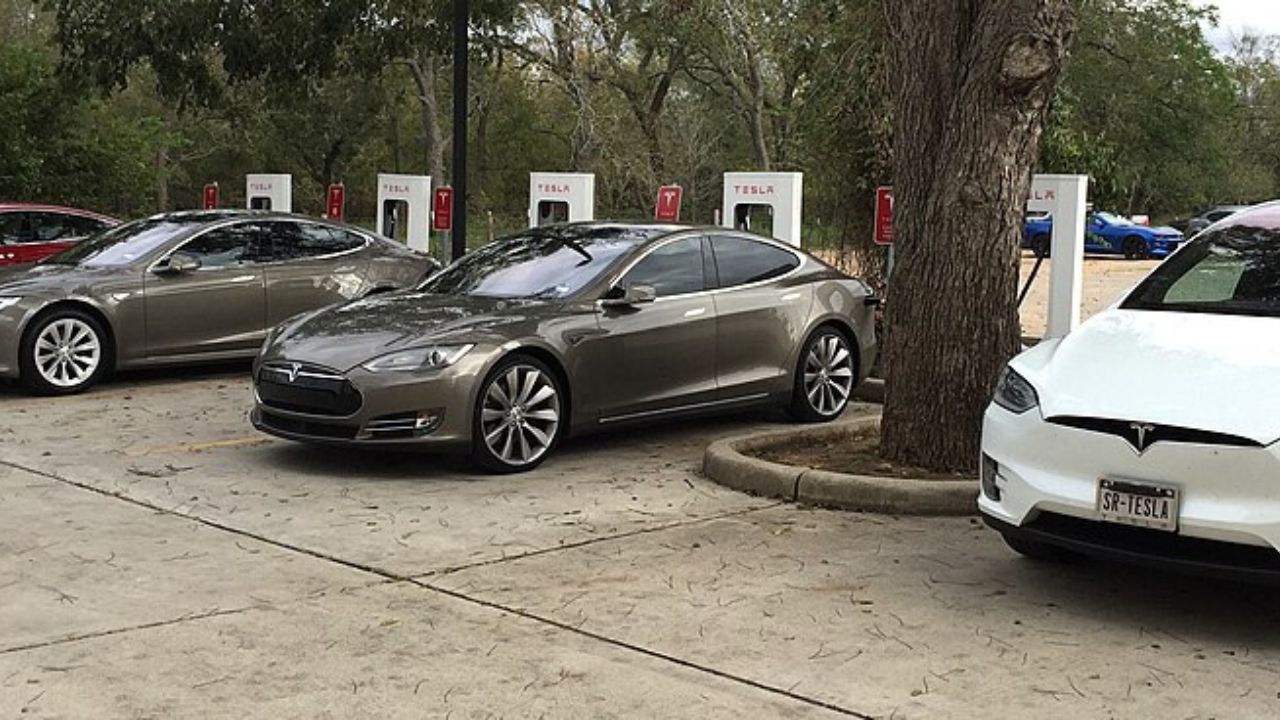
Moreover, the cost of establishing a robust charging infrastructure is another hurdle. Unlike Tesla, which built an extensive Supercharger network to support its vehicles, many brands rely on third-party providers, adding another layer of complexity and uncertainty. The financial burden of these endeavors can be prohibitive, especially for smaller companies or those struggling with profitability.
Market Demand and Profit Margins
While the demand for electric vehicles is growing, it varies significantly across regions. In markets like Norway, where EV incentives are strong, electric cars accounted for over 54% of new car sales in 2020. However, in other regions, consumer preferences still lean heavily towards traditional vehicles. This disparity in demand affects brands’ willingness to commit fully to electric vehicles, as they must balance global production strategies with local market needs.
Furthermore, the profit margins on electric vehicles can be lower than those of internal combustion engine (ICE) vehicles. The high costs associated with battery technology and the pressure to keep EV prices competitive can erode profitability. Brands like Toyota, which has historically seen success with hybrid technology, may be hesitant to risk profit margins on a full-electric lineup when hybrids still perform well financially and meet consumer demands.
Technological Limitations
Battery Technology and Range Anxiety
Despite advancements, battery technology continues to be a limiting factor for electric vehicles. Issues such as limited range, long charging times, and battery degradation over time contribute to consumer “range anxiety.” This anxiety is particularly evident in markets like the United States, where long-distance travel is common. While Tesla’s Model S offers a range of over 370 miles per charge, many other electric vehicles fall short of this benchmark, making consumers hesitant to switch from ICE vehicles.
In addition, the charging infrastructure is not yet universally robust, with significant variation in availability and accessibility. Without widespread, fast-charging networks, consumers may be reluctant to adopt electric vehicles, particularly in rural or less-developed areas. The perception that electric vehicles are less convenient for impromptu travel compared to their gasoline counterparts remains a significant barrier to widespread adoption.
Supply Chain Challenges
The production of electric vehicles depends heavily on raw materials like lithium, cobalt, and nickel, which are essential for battery manufacturing. The sourcing of these materials can be problematic, given geopolitical issues and the environmental toll of mining. For example, cobalt mining in the Democratic Republic of Congo has been criticized for poor labor practices and environmental harm.
Establishing a sustainable and ethical supply chain is crucial for brands aiming to transition to electric vehicles. However, the complexity and cost associated with securing these materials make it a formidable barrier. Brands like BMW have taken steps to procure materials responsibly, but the challenge remains significant for many manufacturers, particularly those without the leverage or resources of larger automakers.
Brand Identity and Heritage
Preservation of Brand Legacy

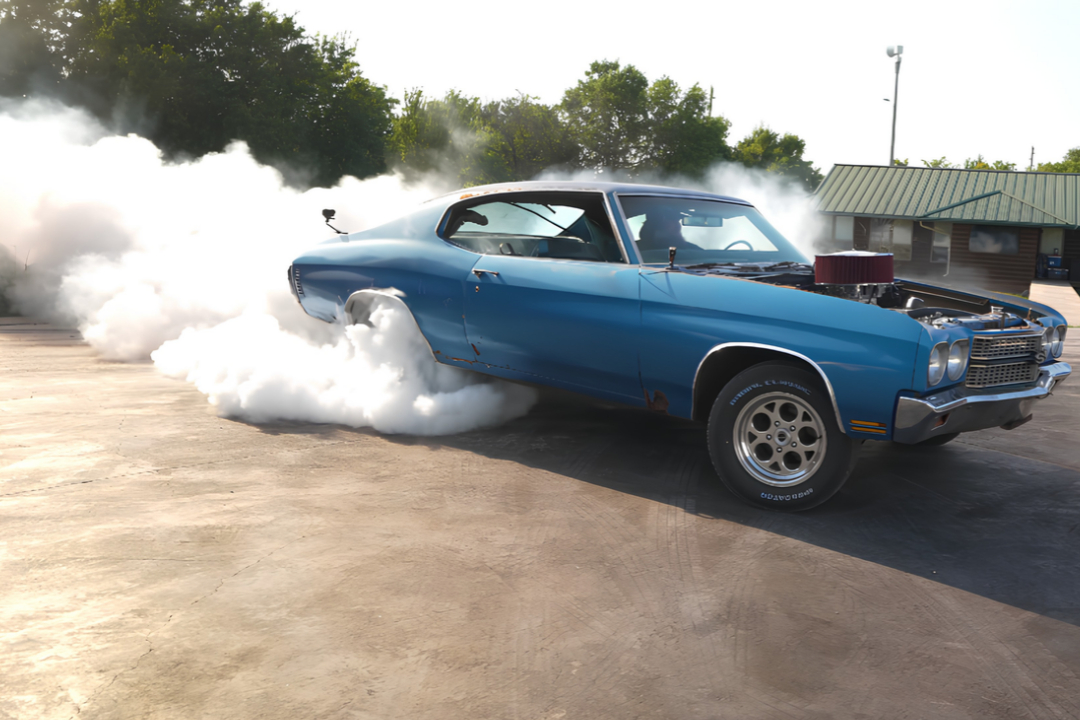
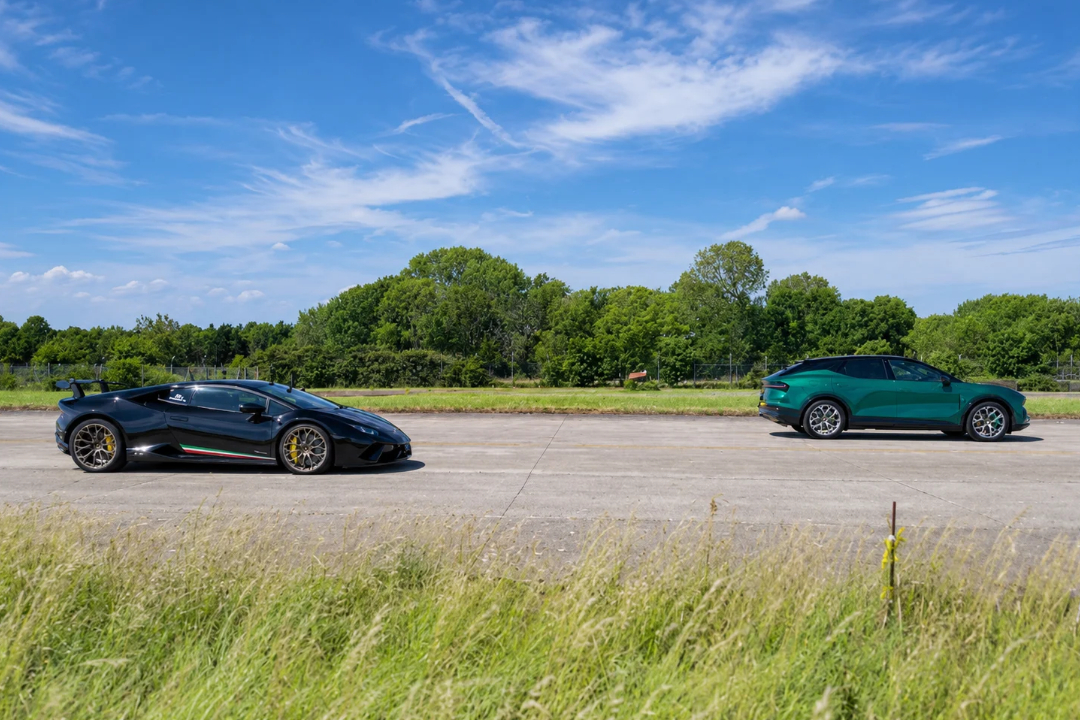
Many automotive brands have built their identity around the performance and sensory experiences of ICE vehicles. For iconic brands like Ferrari and Porsche, the roar of the engine and the tactile driving experience are integral to their brand image. Transitioning to electric vehicles poses a risk of alienating loyal customers who value these traditional attributes.
Preserving brand legacy while embracing innovation is a delicate balance. Some brands are experimenting with electric models that attempt to capture the essence of their traditional vehicles. For instance, Porsche’s Taycan aims to combine the performance and luxury associated with the brand’s heritage while offering an electric alternative. Nonetheless, the fear of losing a core part of their brand identity remains a significant consideration for many automakers.
Product Diversification Strategies

Maintaining a diverse product portfolio can be a strategic move for brands hesitant to go all-electric. By offering both electric and non-electric vehicles, companies can cater to a broader range of consumer preferences and market conditions. This strategy allows brands to hedge against the uncertainties of the electric vehicle market while continuing to capitalize on the success of existing models.
For example, Toyota’s continued investment in hybrid technology alongside its electric vehicle developments reflects a diversification strategy that mitigates risk while exploring new opportunities. By preserving a range of options, brands can transition at a pace that aligns with market demand and technological advancements, avoiding the potential pitfalls of a rapid, all-encompassing shift to electric vehicles.
Regulatory and Environmental Factors
Varying Global Regulations
The regulatory landscape for electric vehicles varies significantly across the globe, influencing brand strategies. In the European Union, stringent emissions regulations and government incentives have accelerated the adoption of electric vehicles. Conversely, in regions like Southeast Asia and parts of Africa, less aggressive policies mean that traditional vehicles continue to dominate the market.
Aligning global production with local compliance requirements is a complex challenge for automakers. Brands must navigate a patchwork of regulations, balancing the need to meet emissions standards with the realities of regional infrastructure and consumer preferences. This complexity can deter brands from committing to an all-electric future, as they juggle regulatory demands with strategic business decisions.
Environmental Impact Beyond Emissions
While electric vehicles offer clear benefits in terms of tailpipe emissions, the broader environmental impact is more nuanced. The production of batteries involves significant environmental costs, including energy-intensive mining and manufacturing processes. Additionally, battery disposal and recycling present ongoing challenges for the industry.
Brands must evaluate the net environmental benefits of transitioning to all-electric vehicles, considering the entire lifecycle of the product. Some manufacturers, like Volvo, are working towards climate-neutral production processes to address these concerns. However, the complexity of balancing environmental benefits with the realities of production and disposal remains a significant consideration for many brands.
Consumer Behavior and Acceptance
Cultural and Lifestyle Influences

Cultural perceptions and lifestyle needs play a significant role in consumer vehicle choice. In countries where car culture is deeply ingrained, such as the United States, the shift to electric vehicles may be slower due to entrenched preferences for powerful, traditional vehicles. Similarly, in regions with less developed charging infrastructure, the practicality of owning an electric vehicle may be limited.
Understanding diverse consumer priorities is key to driving acceptance of electric vehicles. Brands must navigate a complex landscape of performance expectations, affordability concerns, and convenience needs to effectively market electric options to a broad audience. Tailoring strategies to address these cultural and lifestyle influences is essential for increasing consumer acceptance.
Educational and Marketing Challenges
Educating consumers about the benefits and limitations of electric vehicles is crucial for increasing adoption. Many consumers remain unaware of the advancements in EV technology and the practicalities of owning an electric vehicle. Effective marketing campaigns can help shift consumer attitudes and highlight the advantages of electric vehicles, such as lower operating costs and environmental benefits.
Brands like Nissan, with its long-running “Innovation that excites” campaign, have successfully raised awareness and acceptance of electric vehicles. However, the challenge remains substantial, requiring ongoing efforts to engage consumers and address misconceptions. As the market evolves, educational initiatives and strategic marketing will be vital in facilitating the transition to all-electric vehicles.