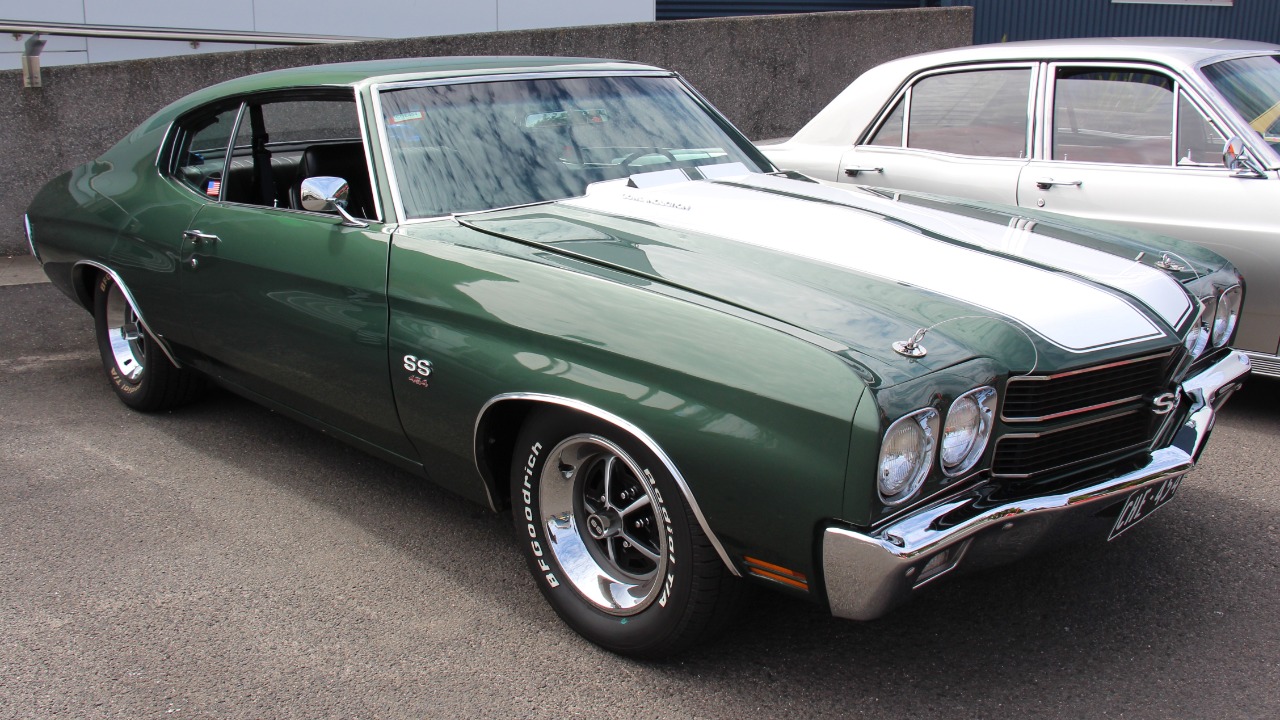
Classic car performance figures from the 1960s and 1970s are often quoted as gospel, but mechanics, racers, and historians have long known something interesting: many factory muscle cars were faster in reality than their official specifications suggested. The difference wasn’t accidental. It came from a mix of marketing strategy, insurance pressure, measurement standards, and sometimes even quiet engineering choices that pushed real-world performance beyond what appeared in brochures.
What looks like inconsistency today was, at the time, a careful balancing act between selling performance and managing consequences.
Horsepower ratings were not measured the same way
One of the biggest reasons classic cars appeared “slower” on paper is that horsepower testing methods were very different from modern standards.
Many cars of the era used gross horsepower ratings, measured on an engine test stand with no accessories attached—no air filter restrictions, no exhaust system, and minimal load. This produced optimistic numbers that did not reflect how the engine performed once installed in a full vehicle.
As testing standards shifted later to net horsepower (measured with full accessories and exhaust systems), published figures dropped significantly even when actual performance stayed similar.
This creates confusion when comparing factory claims to real-world driving results.
Insurance companies changed how cars were advertised
By the late 1960s, high-performance cars were attracting attention from insurance companies due to rising accident rates and repair costs.
Insurers began charging higher premiums for vehicles with extreme horsepower ratings. In response, manufacturers had a strong incentive to keep official numbers lower than what the engines could actually produce.
This did not necessarily mean engines were detuned. In many cases, it meant the published figures were intentionally conservative.
The result was a gap between advertised performance and what the vehicle could realistically achieve.
Real-world conditions often produced better results than expected
Factory specifications were typically conservative because they were based on controlled testing conditions and early break-in assumptions.
In real-world driving, engines often performed differently once fully broken in. Carbon buildup patterns, fuel quality variations, and atmospheric conditions sometimes allowed engines to exceed their baseline factory estimates.
Some engines were also simply overbuilt for durability, meaning they had unused performance headroom.
Classic performance engines were often underrated on purpose
Certain manufacturers developed a reputation for underrating engines, especially during the peak muscle car era.
A well-known example is Chrysler’s 426 Hemi, officially rated at 425 horsepower. Many engineers and enthusiasts believed the engine produced significantly more power in optimal conditions, but the official number remained conservative for insurance and marketing reasons.
This practice helped make cars more attractive to buyers who wanted performance without the penalty of extreme insurance costs.
Transmission and drivetrain losses were inconsistently accounted for
Another factor affecting perceived performance was drivetrain loss. Power measured at the crankshaft does not equal power delivered to the wheels.
Different testing methods and assumptions about drivetrain efficiency meant that real-world acceleration could sometimes outperform expectations based on published numbers.
In some cases, lightweight body construction or gearing choices allowed cars to translate available power into better-than-expected acceleration times.
Factory testing prioritized consistency, not maximum output
Automakers were not trying to advertise peak performance under every possible condition. Instead, they focused on repeatable, consistent numbers that could be defended across large production runs.
This meant engines were often tested under conservative tuning states to ensure reliability across different climates, fuel qualities, and driving styles.
The trade-off was that real-world “best case” performance was rarely reflected in official documentation.
Racetrack results told a different story
Independent testing by journalists, racers, and magazines often revealed faster performance than factory claims suggested.
Quarter-mile times and acceleration tests became a more trusted benchmark for enthusiasts because they reflected actual vehicle behavior under load rather than controlled engine stand tests.
When cars consistently outperformed their official ratings, it reinforced the idea that published numbers were only part of the story.
Gear ratios and tuning made a big difference
Performance was not just about horsepower. Final drive ratios, transmission gearing, and tire selection played a huge role in how fast a car actually felt.
Some factory setups were optimized for broader drivability rather than absolute peak acceleration. In other cases, optional performance packages dramatically changed real-world speed without always being clearly reflected in base specifications.
This meant two cars with identical engines could deliver very different performance experiences.
Emissions regulations quietly changed the equation
As emissions rules began tightening in the early 1970s, manufacturers started adjusting engine tuning for compliance. Compression ratios dropped, ignition timing was softened, and fuel delivery strategies changed.
However, not all changes immediately aligned with published performance updates. This transitional period created additional confusion between official numbers and actual behavior on the road.
Some earlier cars simply benefited from less restricted configurations that were never fully captured in standardized documentation.
Why manufacturers benefited from understatement
In some cases, underrating performance was a strategic advantage.
A car that “officially” made less power but still performed strongly in real-world driving felt more impressive to buyers. It also helped manufacturers avoid regulatory scrutiny while still appealing to performance-focused customers.
This created a subtle marketing advantage: the car exceeded expectations without needing to advertise extreme numbers.
The role of tuning variability in production engines
Even within the same engine family, small differences in assembly tolerances, carburetor tuning, ignition timing, and exhaust flow could produce noticeable variation in output.
Production engines were not identical in a laboratory sense. Some naturally produced slightly more power than others, contributing to inconsistent but often underestimated real-world performance.
Why modern measurements changed the narrative
Today’s engines are measured under strict SAE net standards, which include all accessories and realistic operating conditions. This makes modern horsepower figures more accurate but also less “optimistic” than historical gross ratings.
When comparing classic cars to modern ones, it is important to recognize that measurement systems—not just engineering—play a major role in perceived performance differences.
The hidden truth behind “slow” factory numbers
Many classic cars that appear modest on paper were anything but slow in practice. Their official figures often represented conservative, standardized, or strategically adjusted values rather than maximum capability.
When tested in real conditions, many exceeded expectations enough to build lasting reputations that still define them today.
When the numbers were only part of the story
The gap between advertised and actual performance is one of the defining characteristics of the muscle car era. It reflects a time when engineering, marketing, and regulation were constantly negotiating with each other.
In the end, some classic cars were not just faster than their makers admitted—they were part of a system where the “official truth” was only one version of performance, and often not the most interesting one.
More from Fast Lane Only
- Unboxing the WWII Jeep in a Crate
- 15 rare Chevys collectors are quietly buying
- 10 underrated V8s still worth hunting down
- Police notice this before you even roll window down
*Research for this article included AI assistance, with all final content reviewed by human editors