The Pontiac Grand Prix has a storied history in the automotive world, known for its performance and style. Yet, despite its legacy, some drivers remain hesitant to embrace this classic model. Understanding the underlying reasons for this ongoing reluctance reveals a complex blend of historical perception, practical concerns, and shifting consumer preferences.
Historical Context of the Pontiac Grand Prix
The Pontiac Grand Prix made its debut in 1962 as a personal luxury car, quickly capturing the attention of auto enthusiasts and consumers alike. Over the decades, it evolved from a muscle car into a more family-friendly sedan, adapting to the changing automotive landscape. Significant redesigns occurred in the 1970s, particularly with the introduction of the “A-body” platform, which allowed for more comfortable interiors and a smoother ride. The 1990s saw a resurgence in performance with the introduction of the Grand Prix GTP, which boasted supercharged V6 engines that appealed to a younger demographic.
Despite these advancements, the brand faced challenges, particularly in the late 2000s. Pontiac’s reputation for performance was overshadowed by concerns over quality and reliability. The discontinuation of the Pontiac brand in 2010 further tainted the Grand Prix’s legacy. Many consumers associate the brand with the decline of American car manufacturing, which has led to wariness among potential buyers. This historical context shapes how the Grand Prix is perceived in the current market, affecting its desirability.
Performance and Reliability Concerns
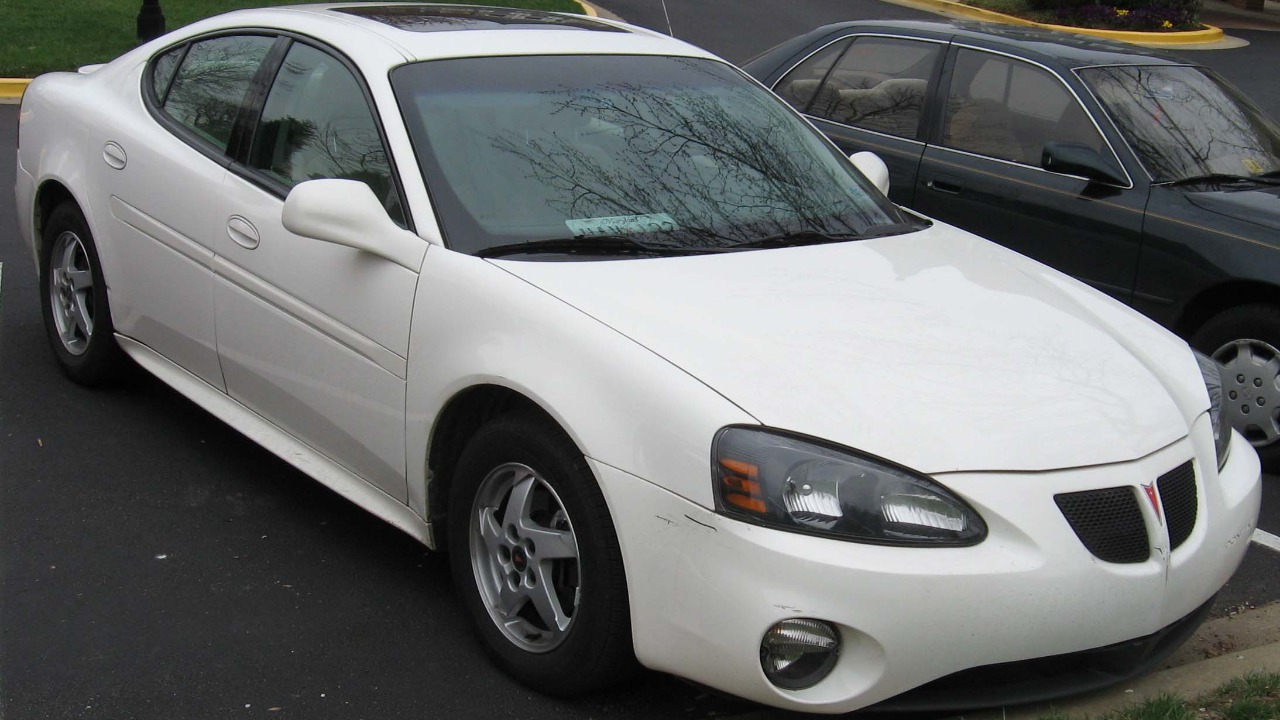
One of the most significant factors that deter potential buyers from the Pontiac Grand Prix is the performance and reliability issues reported by current and former owners. Common complaints include transmission failures, electrical problems, and engine issues, particularly in models produced in the early 2000s. For instance, the 2004 Grand Prix has been noted for its troublesome transmission that can lead to costly repairs. These issues can severely impact the vehicle’s reliability, making it less appealing in comparison to competitors like the Honda Accord or Toyota Camry, which are often praised for their long-term durability.
When comparing the Grand Prix to comparable vehicles, it becomes evident that many other models offer better performance and reliability. The Ford Fusion, for example, provides a more refined driving experience and has a reputation for fewer mechanical issues. Furthermore, as automotive technology advances, the Grand Prix’s engineering feels increasingly outdated, including its fuel efficiency and safety features. Buyers today are often looking for vehicles equipped with advanced driver assistance systems and hybrid options, which the Grand Prix lacks.
Market Perception and Brand Loyalty
The discontinuation of Pontiac has had a profound effect on buyer confidence in the Grand Prix. Many drivers are hesitant to invest in a brand that is no longer in production, fearing a lack of parts availability or service support. This uncertainty is exacerbated by the fact that the automotive market is becoming increasingly competitive, with newer models offering cutting-edge technology and superior reliability. The lingering perception of Pontiac as a brand that faltered during a tumultuous time in the auto industry contributes significantly to the reluctance to purchase a Grand Prix.
Brand loyalty plays a crucial role in the decision-making process for consumers. For some, the nostalgia associated with the Pontiac brand is overshadowed by the reality of its decline. Anecdotal evidence from current owners indicates mixed feelings; while many appreciate the performance and styling of their Grand Prix, they also express concern over the brand’s future and its long-term viability. The emotional connection to the brand can only go so far when faced with practical considerations, and this hesitance is palpable in discussions surrounding the Grand Prix. For more insights into consumer sentiment, you can check out the responses on Jalopnik.
Cost Considerations
In the used car market, the pricing trends for the Pontiac Grand Prix can be appealing. Prices typically range from $3,000 to $10,000 depending on the model year and condition. However, potential buyers must also consider the cost of ownership, which includes insurance and maintenance expenses. Given the reported reliability issues, maintenance costs can add up quickly, leading many to consider alternatives that may have a higher upfront cost but lower long-term expenses.
For instance, while a 2008 Grand Prix might be priced attractively, the cost of repairs often leads drivers to reconsider their choices. Comparatively, vehicles like the Mazda6 or Subaru Legacy offer competitive pricing along with more reliable performance and lower maintenance costs. When assessing total cost of ownership, the Grand Prix often falls short, especially when factors like resale value are taken into account.
Consumer Preferences and Trends
Shifting consumer preferences are increasingly impacting the desirability of the Pontiac Grand Prix. As more drivers lean towards SUVs and electric vehicles, the traditional sedan, including the Grand Prix, faces a stark decline in popularity. In 2021, for example, SUVs accounted for over 50% of vehicle sales in the United States, indicating a significant shift in consumer priorities. Younger buyers, in particular, are drawn to vehicles that offer versatility, modern design, and advanced technology, which the Grand Prix does not provide.
The appeal of newer car models also extends to advanced safety features and connectivity options. Many consumers today expect features such as adaptive cruise control, lane-keeping assist, and smartphone integration. Vehicles like the Toyota RAV4 and Honda CR-V not only meet these expectations but exceed them, further sidelining the Grand Prix as a viable option. Demographic trends show that younger drivers prioritize technological advancements and eco-friendliness, making it crucial for any vehicle to adapt to these changing preferences.
The Future of Pontiac and Its Legacy
There are ongoing discussions about the potential revival of the Pontiac brand, and this could have implications for the Grand Prix. Enthusiasts have long speculated about the possibility of reviving classic models, which could reignite interest in the Grand Prix among nostalgic buyers. However, the success of such a revival would largely depend on how Pontiac chooses to position itself in the modern automotive landscape. The nostalgia surrounding the brand is strong, but it must be backed by a commitment to quality, innovation, and reliability.
The role of classic cars in modern automotive culture cannot be overstated. While the Grand Prix may face challenges in attracting new buyers, it remains a popular choice among collectors and enthusiasts who appreciate its legacy. This fascination often stems from nostalgia, but it also reflects a growing interest in classic car restoration and ownership. The Pontiac Grand Prix is emblematic of an era when American muscle was at its peak, and that legacy continues to resonate with many. For insights into Pontiac’s potential comeback, check out this piece on Classic Cars.
More from Fast Lane Only
- Unboxing the WWII Jeep in a Crate
- 15 rare Chevys collectors are quietly buying
- 10 underrated V8s still worth hunting down
- Police notice this before you even roll window down
*Research for this article included AI assistance, with all final content reviewed by human editors.