Turbochargers and hybrid systems now dominate spec sheets, yet in workshops around the world many veteran mechanics still light up when a naturally aspirated engine rolls onto the lift. For them, the appeal is not nostalgia alone but a mix of mechanical clarity, predictable behavior, and long-term durability that newer technologies have not always matched. As emissions rules push manufacturers toward smaller boosted motors and complex electrification, the gap between what sells in showrooms and what technicians trust in the bay is widening.
From simple air pumps to software-managed boost
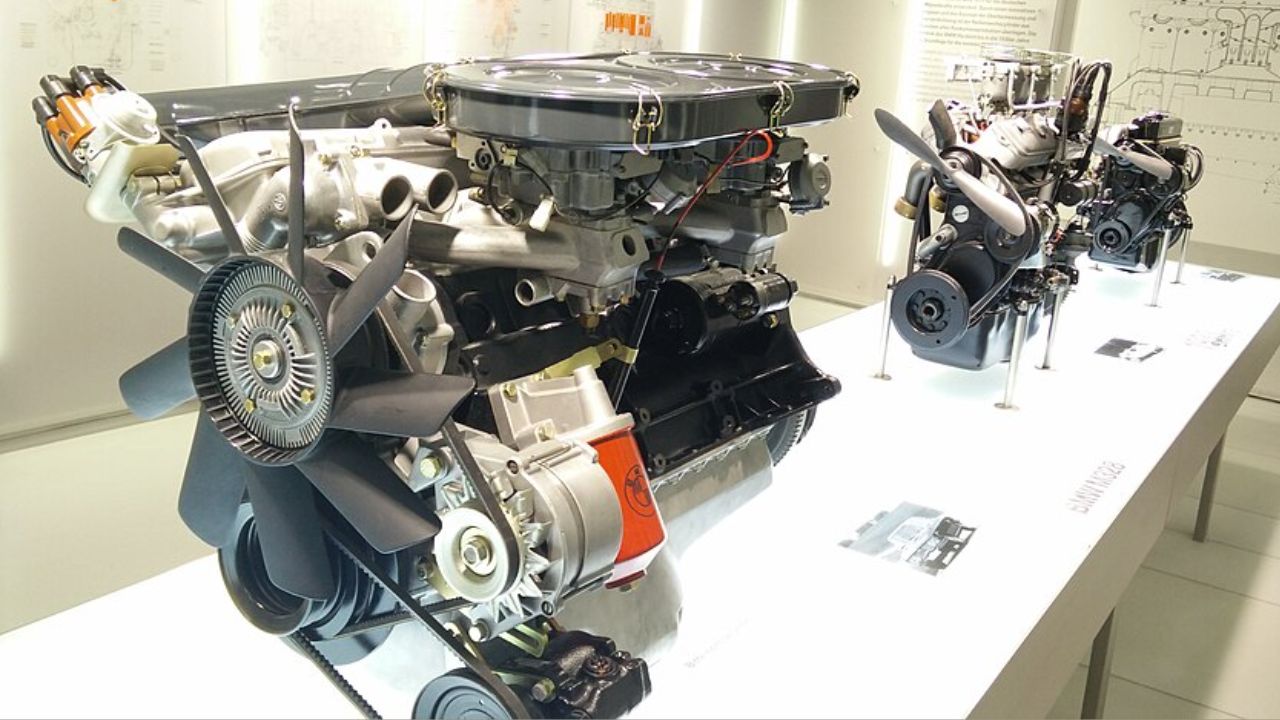
For most of the 20th century, the typical passenger car relied on a naturally aspirated engine that drew in air at atmospheric pressure, mixed it with fuel, and burned it without any forced induction. Carburetors gave way to fuel injection, but the core layout stayed simple enough that a competent mechanic with hand tools and a timing light could diagnose misfires or tune idle quality in minutes.
That template began to shift as emissions and fuel economy standards tightened. Manufacturers started shrinking displacement and adding turbochargers to recover power, often pairing them with direct injection and high compression ratios. A modern 1.5 liter turbo four can match or beat the output of an older 2.4 liter naturally aspirated unit, yet it relies on a web of sensors, intercoolers, and software strategies that are far more complex to service.
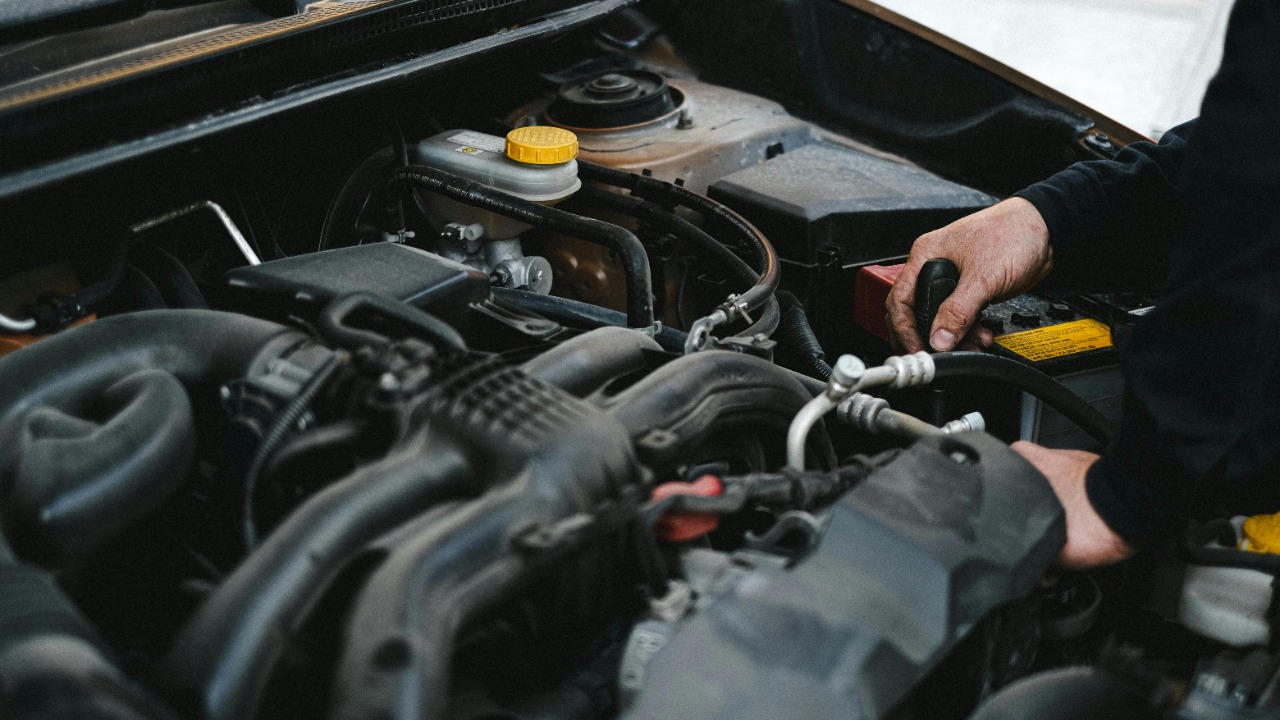
Mechanics who cut their teeth on straightforward engines see the contrast every day. A naturally aspirated four cylinder from a mainstream sedan might have a simple intake manifold, a single throttle body, and modest fuel pressures. The equivalent turbocharged engine brings wastegates, boost control solenoids, high pressure fuel pumps, and often particulate filters. Each extra element is another possible failure point, and in the real world those failures show up as drivability complaints and expensive repair bills.
The used market still reflects the appeal of that simplicity. In Brazil, for example, several versions of the Honda Civic sedan with naturally aspirated engines rated up to 155 horsepower are praised for combining respectable performance with fuel consumption of up to 13.8 km per liter, a balance that helps keep these used Civic models in high demand among buyers who value robustness.
Why the old-school powertrain still wins shop-floor loyalty
Ask independent technicians why they favor non-boosted engines and a few themes repeat. First is predictability. A naturally aspirated engine delivers power in a linear way that closely tracks throttle position. There is no lag, no sudden torque spike as boost comes in, and no need for complex strategies to protect the engine from detonation under high load. For drivers, that often means more intuitive control. For mechanics, it means fewer intermittent complaints that turn out to be software or sensor related.
Durability is another recurring theme. Turbochargers operate at extremely high temperatures and rotational speeds, and they rely on clean oil and careful warm-up and cool-down behavior. When owners skip maintenance or drive hard from cold, turbo bearings and seals suffer. By contrast, many naturally aspirated engines tolerate neglect better, which is one reason high mileage examples keep showing up as trade-ins and still run acceptably. In enthusiast circles, lists of engines that will be missed often include long-running naturally aspirated designs that built reputations for surviving abuse, a sentiment reflected in coverage of beloved non-turbo motors that enthusiasts expect to disappear.
Serviceability also matters. On a naturally aspirated layout, access to spark plugs, coils, belts, and even cylinder heads is usually more straightforward. Turbo engines pack more hardware into the same space, which raises labor times and the risk of collateral damage when parts seize or fasteners corrode. Independent shops, which compete on price and turnaround time, often prefer platforms where routine jobs do not require removing a turbocharger or dismantling half the intake tract.
There is also an emotional component. Many mechanics are enthusiasts themselves, and they respond to the way a high quality naturally aspirated engine sounds and revs. Performance icons such as the Porsche 911 GT3 and various V8 sports cars are celebrated for their throttle response and high redlines, traits that come directly from building power through revs rather than boost. Modern showcases of this philosophy, from exotic V12s to finely tuned V10s, still appear in lists of standout non-turbo cars that highlight how manufacturers continue to chase character even as regulations tighten.
Why the debate over engine character is heating up now
The tension between naturally aspirated engines and newer powertrains matters more today because the industry is in a transition that affects everyone from dealership techs to backyard tinkerers. As governments set stricter fleet emissions targets, automakers have pivoted toward downsized turbo engines and plug-in hybrids to hit lab test numbers. On paper, these powertrains offer strong torque and lower consumption. In practice, they can be sensitive to driving style and maintenance, which shapes how reliable they feel to owners and the mechanics who see them later in life.
Resale patterns hint at that divide. Used car buyers who plan to keep vehicles for a decade often search listings for naturally aspirated engines, especially in compact sedans and small SUVs where outright performance is less critical. Mechanics frequently advise those customers to prioritize proven non-turbo engines if they want lower long-term risk, particularly when the buyer cannot afford unexpected large repairs out of warranty.
At the same time, the rise of electric vehicles introduces a new comparison point. EVs deliver instant torque and very low routine maintenance, but they rely on battery packs and software ecosystems that are largely dealer controlled. For independent mechanics, naturally aspirated internal combustion engines remain one of the few powertrains they can fully diagnose and rebuild without proprietary tools or restricted parts channels. That independence has economic implications, since thousands of small workshops depend on serviceable engines for their livelihood.
A cultural shift is underway as well. Younger drivers who grew up with turbocharged hot hatches and factory-tuned compact SUVs may see non-boosted engines as underpowered or old fashioned. Yet among track day regulars and grassroots racers, the appeal of predictable, linear power has not faded. Many budget race series still favor older naturally aspirated platforms because they are cheap to buy, easy to keep running, and consistent session after session.
How naturally aspirated engines might survive the next decade
Despite the regulatory pressure, naturally aspirated engines are unlikely to vanish overnight. Instead, they are being pushed into specific niches where their strengths matter most. One is the enthusiast segment, where buyers are willing to pay a premium for character and response. High revving sports cars and specialty models continue to carry the non-turbo torch, often as halo products that showcase a brand’s engineering heritage.
Another niche is cost-focused markets where fuel quality is inconsistent and maintenance budgets are tight. In these regions, manufacturers still sell simple non-turbo engines precisely because they are tolerant of poor fuel and infrequent oil changes. Mechanics in such markets often become vocal advocates for these powertrains, since they see firsthand how complexity can turn a minor issue into a vehicle-ending repair when parts are scarce or expensive.
There is room for evolution too. Some engineers are exploring higher compression naturally aspirated designs paired with mild hybrid systems that assist at low rpm but leave the core engine free of forced induction hardware. That approach aims to keep the linear feel and mechanical simplicity that mechanics respect while meeting emissions and economy targets through smarter control and energy recovery.
For workshops, adaptation is already underway. Many mechanics who love naturally aspirated engines are also investing in training for turbocharged and electrified systems, recognizing that customer fleets are changing. Yet when they recommend a used car to a relative or choose a platform for a long-term project, a significant number still gravitate toward a well proven non-turbo engine. Their preference is not a rejection of progress so much as a vote for designs that balance performance, efficiency, and fixability over a long service life.
More from Fast Lane Only
- Unboxing the WWII Jeep in a Crate
- 15 rare Chevys collectors are quietly buying
- 10 underrated V8s still worth hunting down
- Police notice this before you even roll window down
*Research for this article included AI assistance, with all final content reviewed by human editors