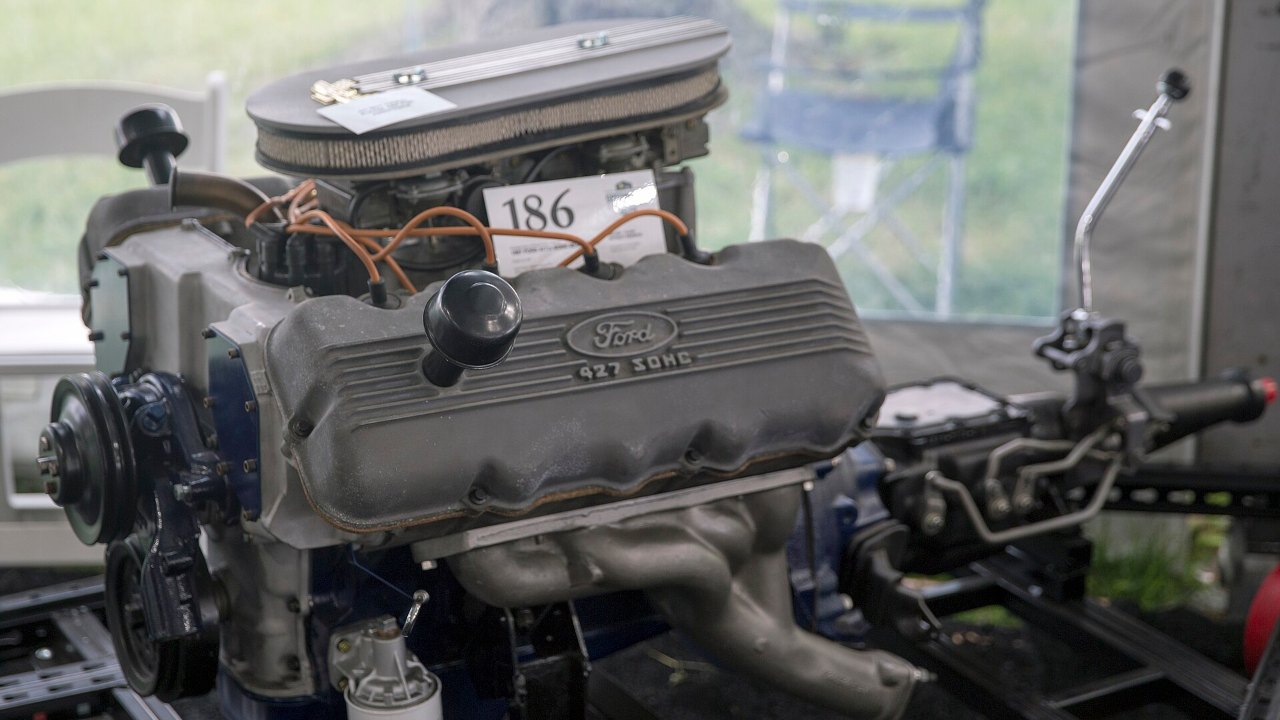
The V8 engine has long been heralded as a symbol of power and performance, capturing the imagination of car enthusiasts for generations. Yet, not every vehicle equipped with a V8 has been a logical choice for consumers. Despite this, many such vehicles have achieved surprising sales success, challenging conventional wisdom. This exploration delves into the peculiar world of V8s that defied logic yet found a market.
The Allure of the V8 Engine
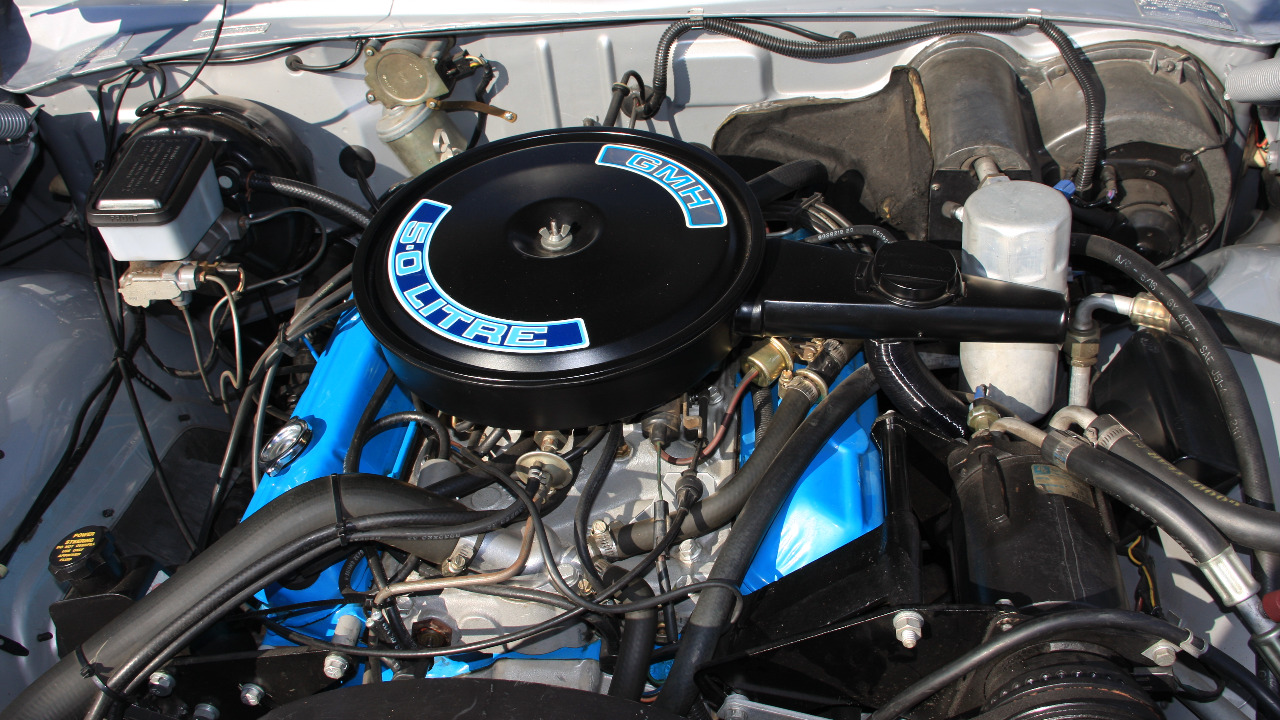
The fascination with V8 engines runs deep, rooted in the rich tapestry of automotive history and cultural significance. As explored in “The roar of the V8” study, these engines have become synonymous with American muscle cars, embodying a spirit of rebellion and freedom on the open road. This cultural impact has cemented the V8’s place in the pantheon of automotive legends, making it a desirable feature for many car buyers.
Psychologically, the allure of a V8 goes beyond mere performance metrics. The preference for V8s often stems from an emotional connection, where the low growl of the engine resonates with a primal sense of power and control. The auditory experience of a V8, with its distinct rumble, is a key factor in its appeal, as documented in various studies. This sensory experience creates an emotional bond between driver and machine, a connection that can override practical considerations.
Case Studies of Unlikely V8 Successes
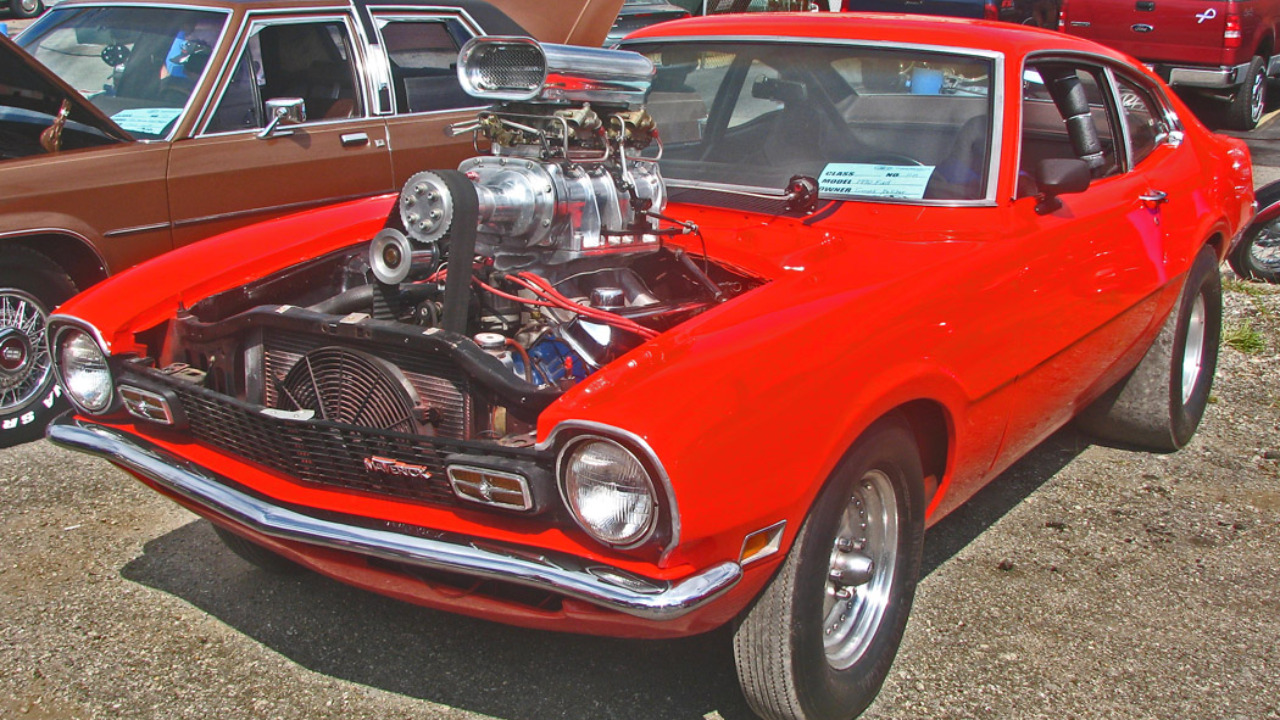
One of the most intriguing cases of an unlikely V8 success is the Ford Maverick. Originally introduced as a compact car in the 1970s, the Maverick’s V8 variant defied expectations. Despite being an economy-focused model, the V8 version found a dedicated fan base. Insights from “The roar of the V8” study reveal that consumers were drawn to the unique combination of compactness and power, making it a surprising hit.
The Dodge Charger also exemplifies the enduring appeal of V8 engines. The new Charger prototype echoes the historical context of its V8 predecessors, maintaining the legacy of performance and muscle. Despite shifts in consumer preferences and stricter emissions regulations, the Charger continues to captivate a dedicated audience, eager to experience its legendary power.
Similarly, SRT vehicles have carved out a niche in the market, with enthusiasts eagerly anticipating the potential comeback of these high-performance models. The unique blend of speed, design, and heritage makes SRT V8s a compelling choice for those who value performance above all else, even as the industry moves toward more sustainable alternatives.
Economic and Environmental Considerations
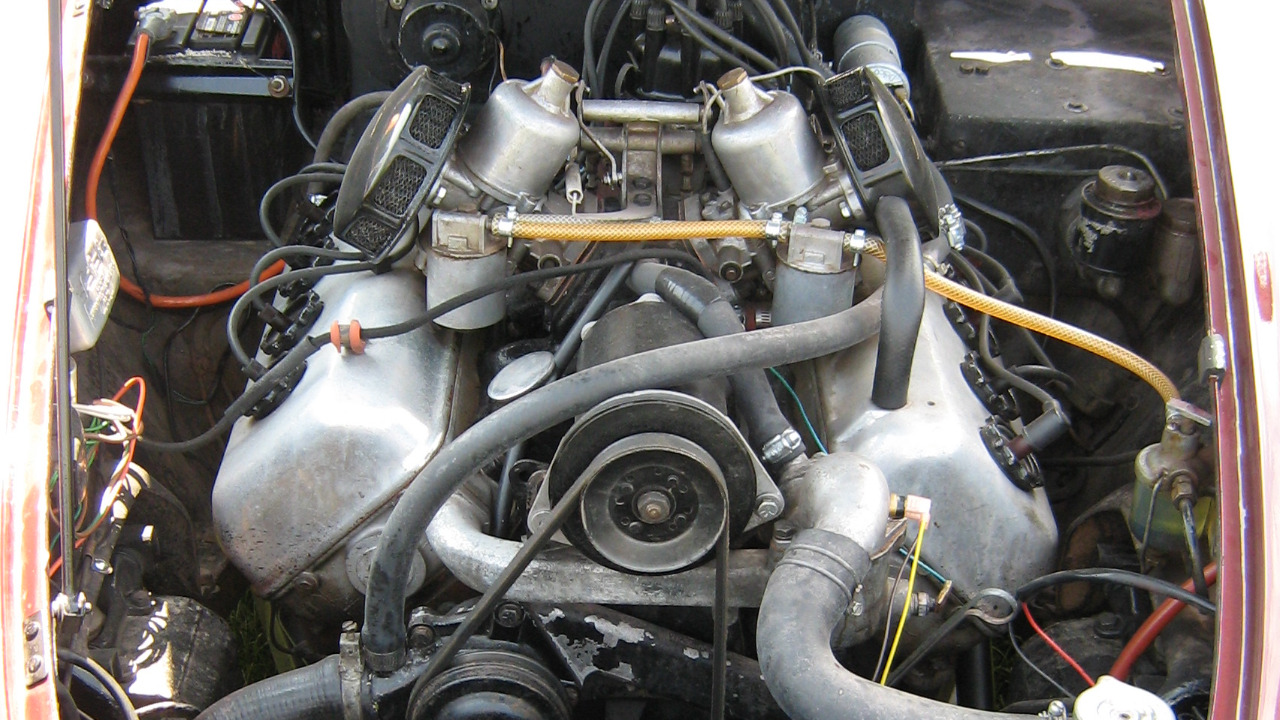
Owning a V8 comes with its share of economic drawbacks, primarily due to fuel inefficiency. These engines are notorious for consuming more fuel compared to their smaller counterparts, leading to higher costs at the pump. Additionally, maintenance expenses can be significant, as V8s require specialized care and attention. Despite these factors, the allure of power and performance often outweighs practical concerns for many buyers, who are willing to invest in the experience a V8 provides.
The environmental impact of V8 engines is another critical consideration. With increasing awareness of climate change and the need for sustainable practices, the ecological implications of driving a V8 are hard to ignore. These engines produce more emissions, contributing to pollution and environmental degradation. However, there remains a disconnect between this awareness and consumer choices, as the emotional appeal of V8s continues to drive sales.
Market trends have also played a role in the persistence of V8 engines. Despite a shift toward smaller, more efficient powertrains, the demand for V8s remains steady in certain segments. Industry reports suggest that consumer preferences for high-performance vehicles continue to influence production decisions, ensuring that V8s remain a viable option for those who prioritize power over efficiency.
Marketing and Branding Strategies
Nostalgia and brand loyalty are powerful tools in the marketing arsenal of car manufacturers. By tapping into the rich history of V8 engines, brands can evoke a sense of nostalgia that resonates with consumers. This emotional connection fosters brand loyalty, encouraging buyers to choose V8 models even in a modern context. The cachet of owning a piece of automotive history adds to the appeal, making V8s a desirable choice for those who value heritage and tradition.
Performance branding is another strategy that has kept V8s in the limelight. By emphasizing the high-performance capabilities of these engines, manufacturers can create a sense of exclusivity and prestige. This approach appeals to consumers who prioritize speed and power, positioning V8s as the ultimate expression of automotive performance. Despite practical concerns, the allure of being associated with a high-performance brand often outweighs logical considerations.
Limited editions and exclusivity further drive sales of certain V8 models. By releasing limited-run versions of popular vehicles, manufacturers create a sense of urgency and desirability. These exclusive models often come with unique features and enhancements, appealing to collectors and enthusiasts who are willing to pay a premium for rarity. This strategy not only boosts sales but also reinforces the brand’s image as a purveyor of high-performance, exclusive vehicles.
The Future of V8s in a Changing World
As the automotive industry evolves, technological advancements may play a crucial role in sustaining the appeal of V8 engines. Innovations in engine design, materials, and manufacturing processes could lead to more efficient and environmentally friendly V8s, allowing them to coexist with emerging technologies. By embracing these developments, manufacturers can ensure that V8s remain relevant in a rapidly changing world.
The rise of electric powertrains presents both a challenge and an opportunity for traditional V8s. While electric vehicles (EVs) offer a more sustainable alternative, there is potential for these technologies to coexist. Some manufacturers are exploring hybrid powertrains that combine electric and V8 engines, providing the best of both worlds. This hybrid approach could appeal to consumers who desire the power and sound of a V8 but also prioritize sustainability.
Consumer sentiment is also shifting toward sustainability and efficiency, which could impact the future market for V8 engines. As awareness of environmental issues grows, consumers may become more selective in their automotive choices, favoring options that align with their values. However, the emotional connection to V8s and the sensory experience they provide may continue to drive demand, ensuring that these engines remain a beloved part of automotive culture for years to come.
Like Fast Lane Only’s content? Be sure to follow us.
Here’s more from us:
- All New Trans Am: 10 Things You Need to Know
- The Fastest Farm Truck Ever Built
*Created with AI assistance and editor review.