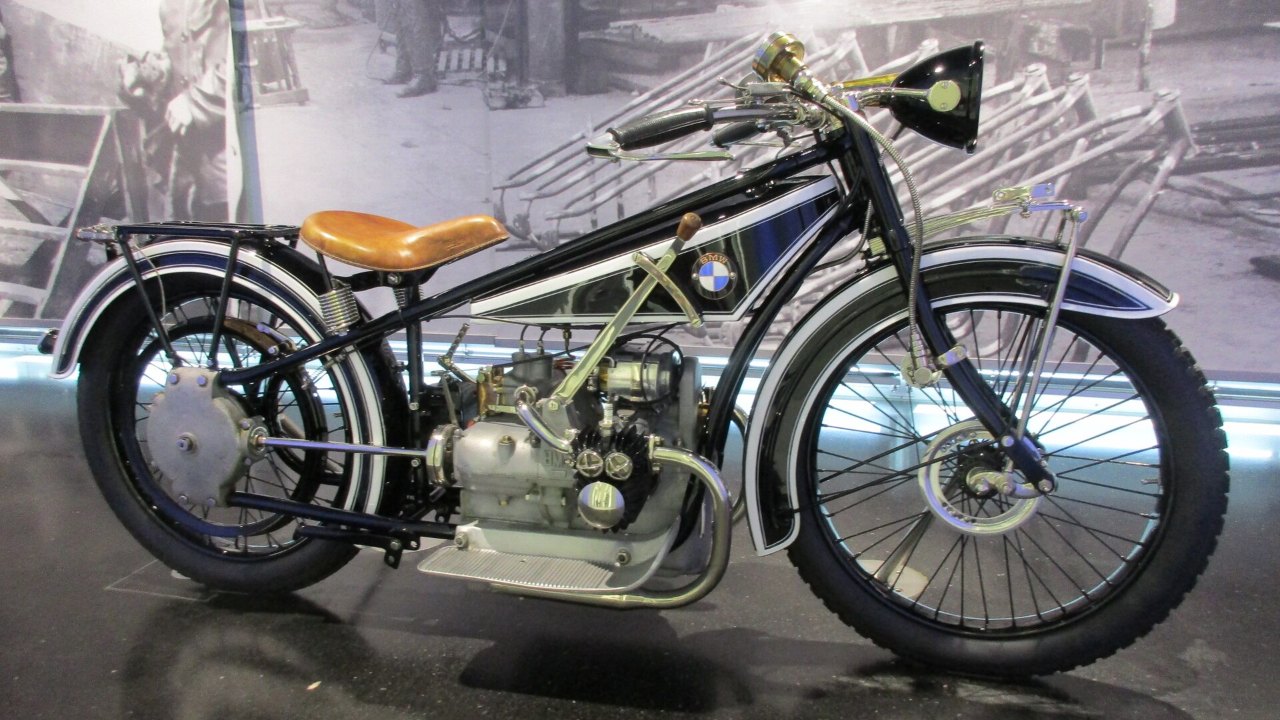
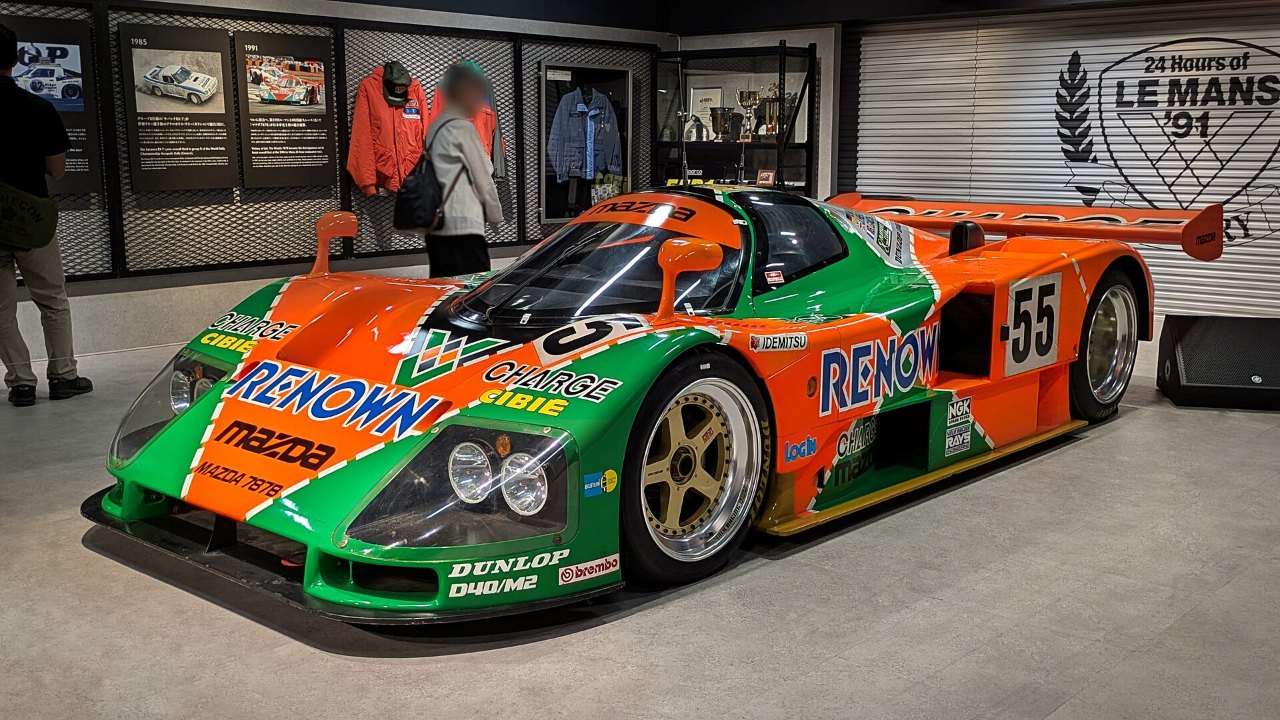
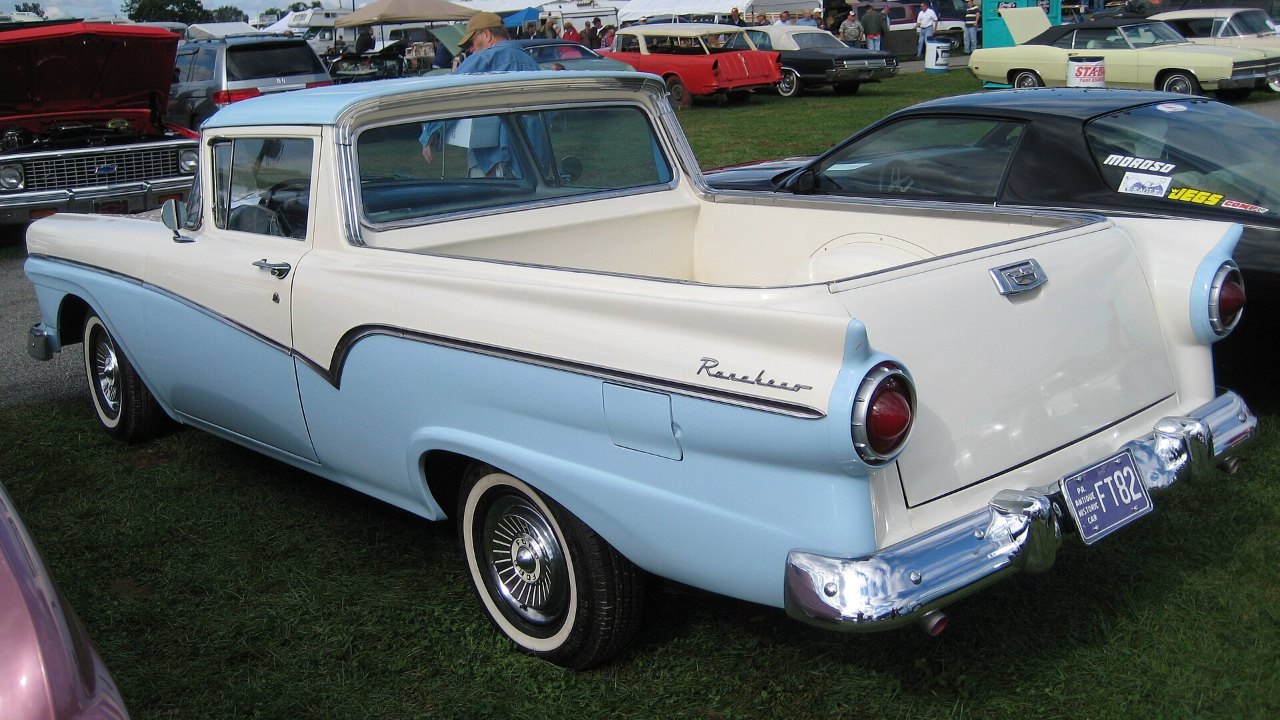
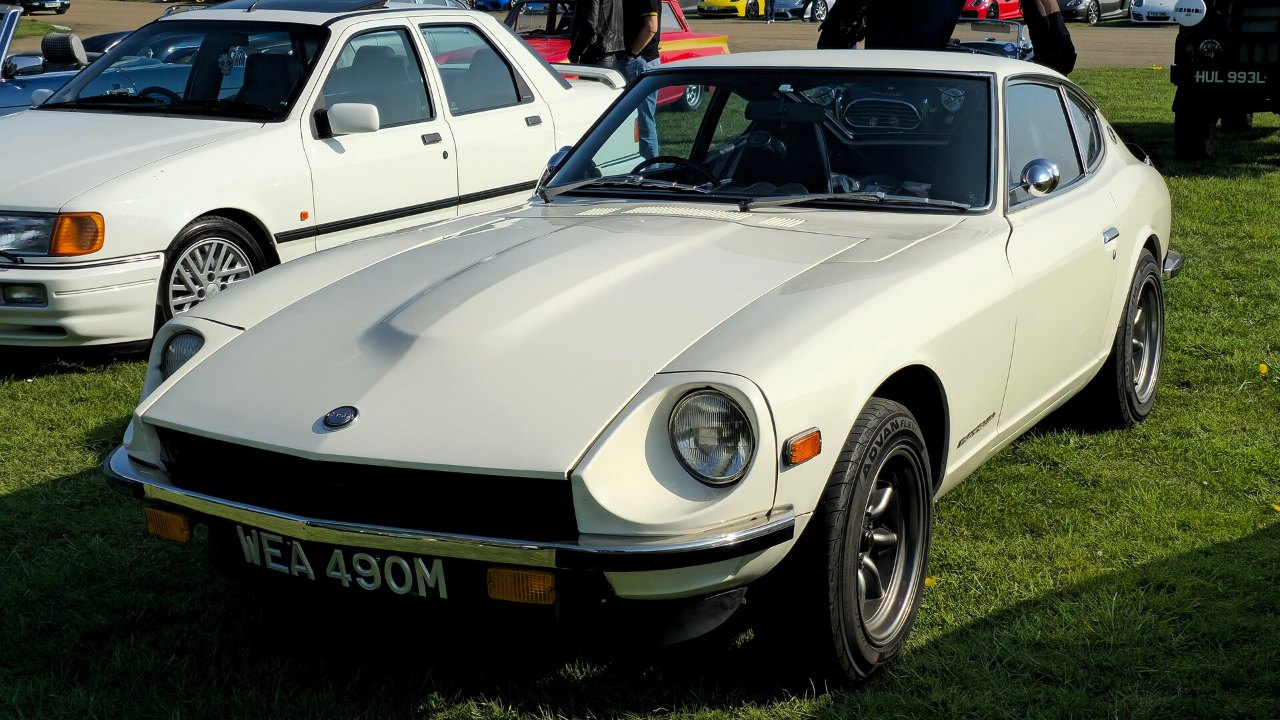
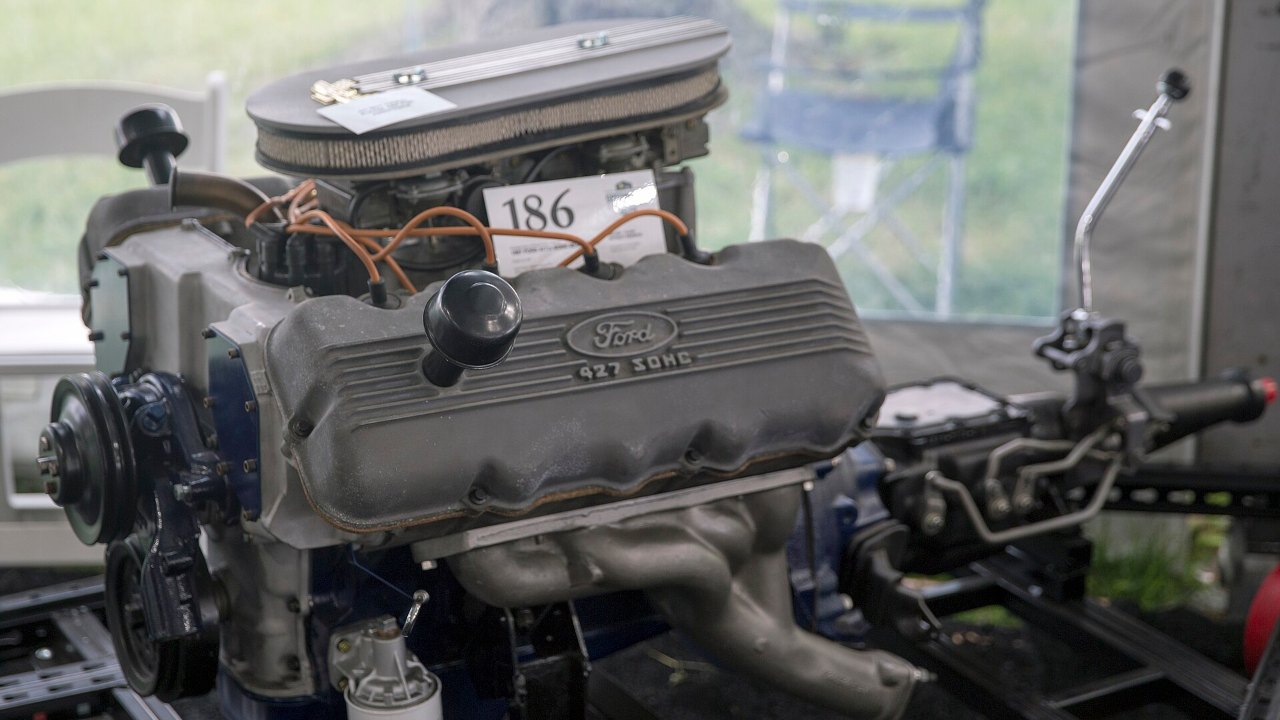
The automotive world is experiencing a renaissance as classic cars are being revitalized with new powertrains. This trend not only preserves the beloved designs of the past but also enhances their performance and efficiency. By swapping outdated engines with modern powertrains, enthusiasts and manufacturers alike are creating a fascinating fusion of old and new.
The Rise of Restomods
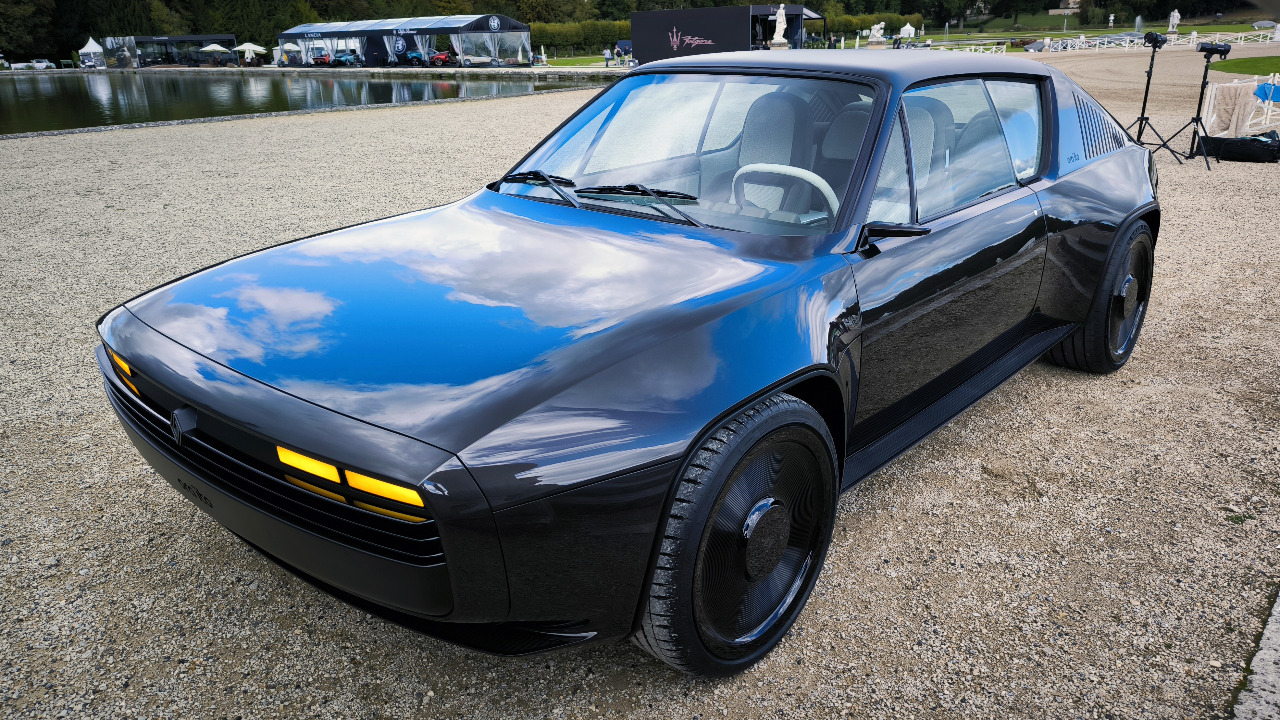
Restomods represent a captivating blend of restoration and modernization. Unlike traditional restorations, which aim to preserve or recreate the original state of a classic vehicle, restomods enhance these vintage cars with modern technology. This concept has its roots in the desire to marry the aesthetic and historical value of classic cars with the reliability and performance of contemporary vehicles. The term itself is a portmanteau of “restoration” and “modification.”
The popularity of restomods is surging, driven by a combination of nostalgia and the increasing availability of advanced automotive technology. Car enthusiasts are drawn to the idea of owning a piece of history that offers the comforts and conveniences of modern engineering. This trend is also fueled by the auto industry’s support, as manufacturers and custom shops alike offer services to create bespoke restomod vehicles. Factors such as the desire for better performance, improved safety features, and enhanced fuel efficiency contribute to this growing interest.
Iconic restomod projects, like the Toyota FJ40 equipped with a modern GM engine, showcase the appeal and craftsmanship involved. These projects not only highlight the technical prowess required but also emphasize the dedication to maintaining the visual and emotional essence of the original designs. The result is a vehicle that captures the spirit of a bygone era while delivering a driving experience that meets today’s standards.
Technological Advancements in Powertrains

The electric revolution is reshaping the landscape of classic cars, offering benefits like reduced emissions and increased performance. Electric powertrains provide a powerful, silent, and clean alternative to traditional combustion engines. This transformation allows vintage cars to meet modern environmental standards without sacrificing their unique charm. Additionally, the ease of maintenance and the potential for enhanced acceleration make electric conversions an attractive option for many enthusiasts.
Hybrid technology is another avenue being explored, providing a balance between traditional mechanics and modern efficiency. By integrating hybrid systems, classic cars can achieve improved fuel economy and lower emissions while retaining some of their original mechanical components. This approach appeals to those who wish to maintain a connection to the car’s heritage while benefiting from technological advancements.
However, retrofitting old cars with new powertrains presents technical challenges. Engineers and hobbyists must navigate issues such as weight distribution, space constraints, and electrical system integration. Solutions are emerging, thanks to innovative engineering and a thriving community of enthusiasts who share their expertise and experiences online. These collaborative efforts are helping to overcome barriers and ensure that classic cars remain viable and enjoyable for future generations.
Economic and Environmental Impacts
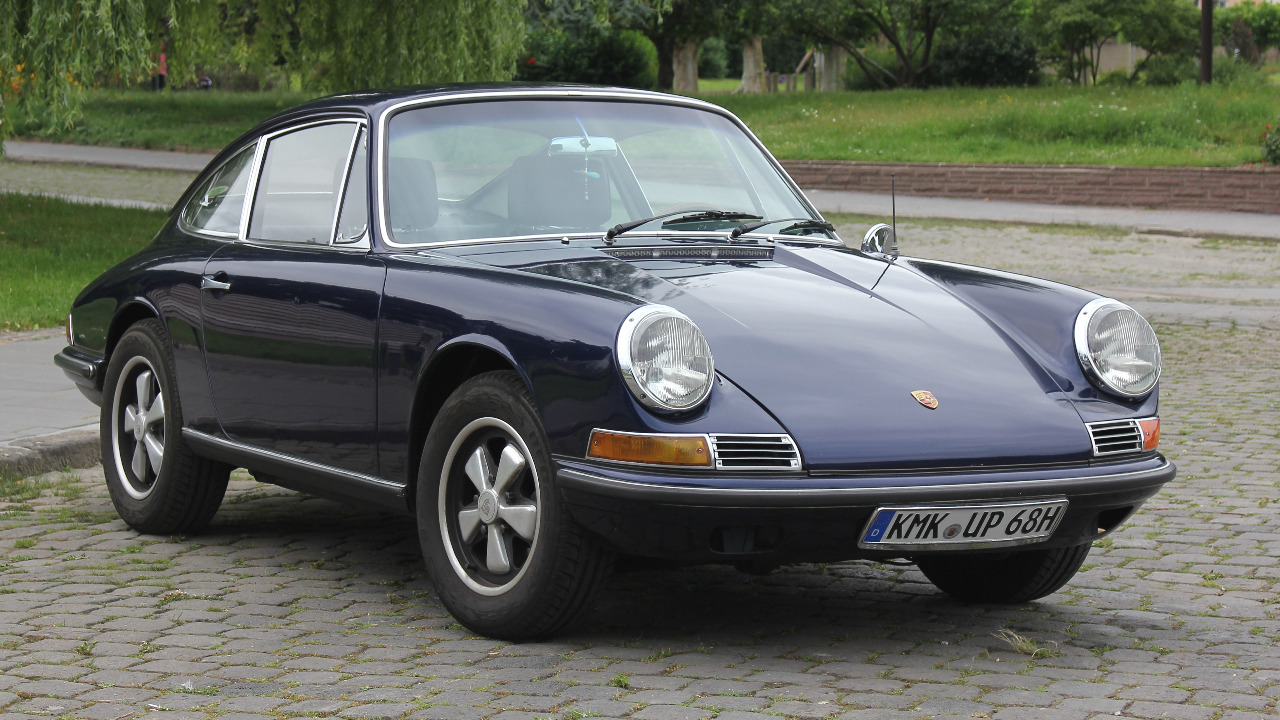
Upgrading classic cars with new powertrains involves several cost considerations. While the initial expenses can be significant, the potential savings in maintenance and fuel efficiency often justify the investment. Modern powertrains tend to be more reliable and require less frequent servicing, reducing long-term ownership costs. Additionally, the enhanced fuel economy offered by electric and hybrid systems can lead to substantial savings over time.
From an environmental perspective, modernizing old cars contributes to reduced carbon footprints and resource conservation. By extending the life of existing vehicles, the demand for new car production decreases, minimizing the environmental impact associated with manufacturing. Furthermore, studies suggest that upgrading older vehicles can significantly lower emissions, making it an environmentally responsible choice.
The restomod trend is also influencing market dynamics, particularly in the realm of classic cars. There is a growing demand for older models as candidates for restomod projects, which can drive up their resale values. Enthusiasts are increasingly interested in cars that offer a strong foundation for modernization, leading to a shift in the used car market. As a result, certain classic cars have become more sought-after, reflecting their potential as restomod platforms.
Cultural and Emotional Aspects
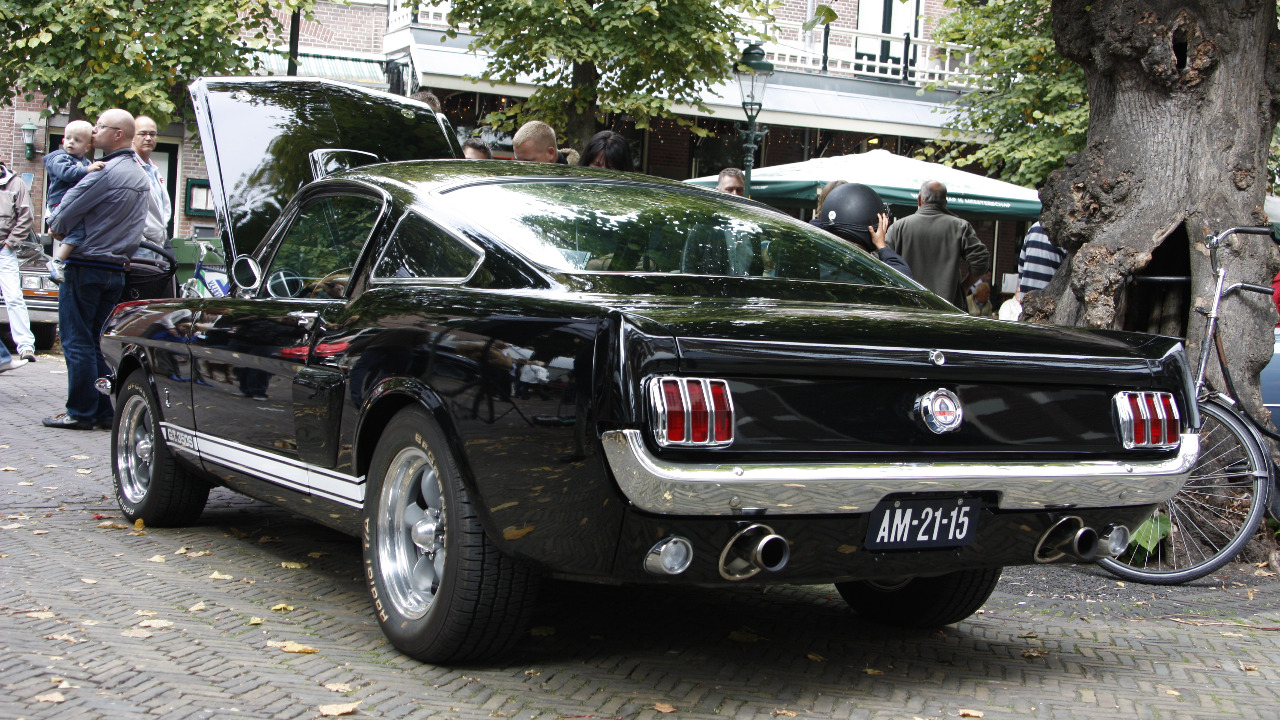
For many car enthusiasts, classic models evoke a deep sense of nostalgia. Modern powertrains enable these individuals to continue their relationship with beloved vehicles while enjoying the benefits of contemporary technology. The fusion of old and new allows for a unique driving experience that honors the past while embracing the future.
The restomod community is vibrant and supportive, with car clubs, online forums, and social media playing pivotal roles in fostering collaboration and knowledge sharing. Enthusiasts exchange ideas, offer advice, and celebrate their shared passion for revitalizing classic cars. This sense of community enhances the restomod experience, making it more than just a mechanical endeavor but also a cultural movement.
Preserving the legacy of classic cars while embracing technological advancements is a delicate balance. Restomod projects strive to maintain the historical significance of these vehicles while ensuring their relevance in a modern world. By doing so, they contribute to the ongoing narrative of automotive history, enriching it with new chapters that celebrate both heritage and innovation.
Future of Classic Cars with Modern Powertrains
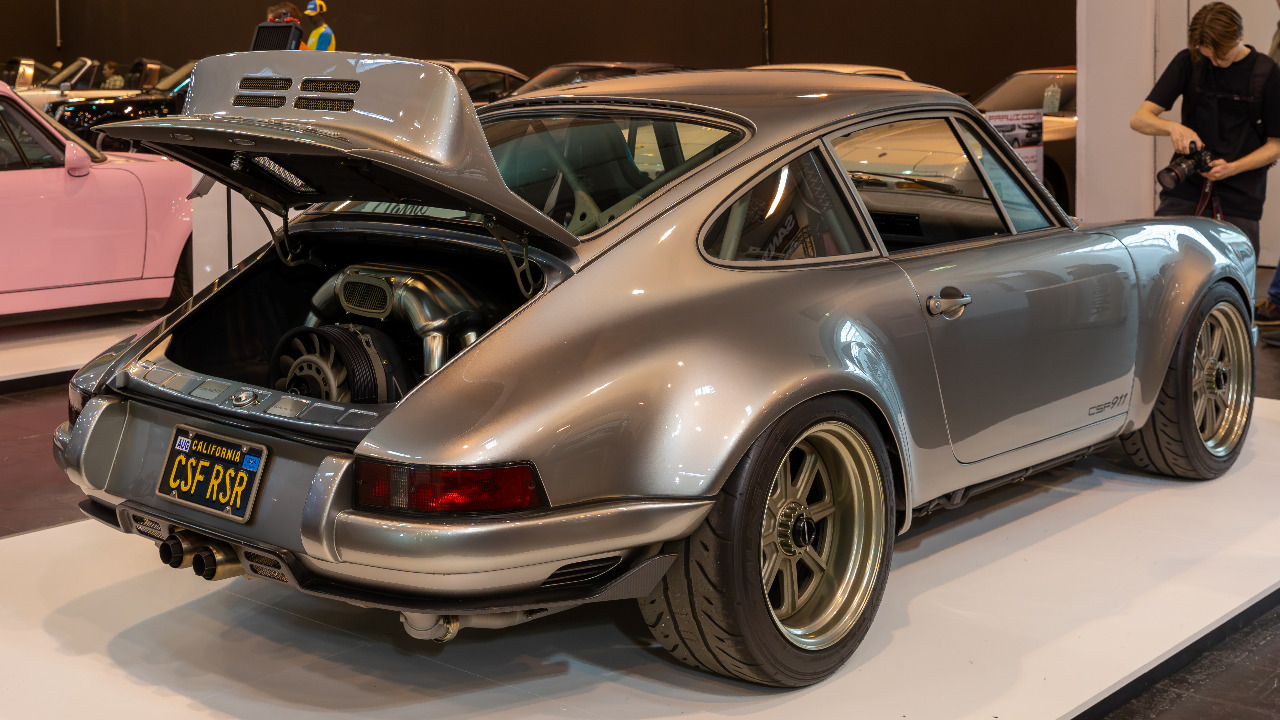
Looking ahead, advancements in powertrain technology will likely continue to influence the restomod landscape. Innovations in battery technology, for instance, promise to enhance the performance and range of electric conversions. Furthermore, the integration of autonomous features into classic cars could redefine what it means to drive a vintage vehicle, merging nostalgia with cutting-edge technology.
The regulatory landscape will also play a significant role in shaping the future of restomods. Government regulations around emissions and fuel efficiency could drive further adoption of modern powertrains in classic cars. As these standards evolve, the restomod community will need to adapt, finding innovative ways to align with environmental goals while preserving the essence of classic vehicles.
The legacy of classic cars is a testament to their enduring appeal, and the incorporation of modern powertrains ensures their continued relevance. By balancing preservation with innovation, enthusiasts can honor the rich history of these vehicles while paving the way for future generations to enjoy them. This dynamic interplay between past and present speaks to the resilience and adaptability of the automotive world, where the love for classic cars continues to thrive.
Like Fast Lane Only’s content? Be sure to follow us.
Here’s more from us:
- All New Trans Am: 10 Things You Need to Know
- The Fastest Farm Truck Ever Built
*Created with AI assistance and editor review.