The 1957 Oldsmobile Fiesta did not simply join the station wagon boom of the late 1950s, it arrived as a rolling showcase for power, chrome and space-age optimism. In a market crowded with practical family haulers, Oldsmobile turned its Fiesta into a halo wagon that borrowed performance hardware from its Super 88 siblings and wrapped it in some of the most dramatic styling the brand ever put on the road.
That combination of muscle, ornament and rarity is why the Fiesta still stands apart today, both in factory-correct form and as a favored canvas for modern hot rod builders. When I look at the surviving cars and the way enthusiasts modify them, I see a model that captured Oldsmobile at its most ambitious, then proved flexible enough to be reimagined decades later without losing its core character.
Oldsmobile’s boldest wagon idea
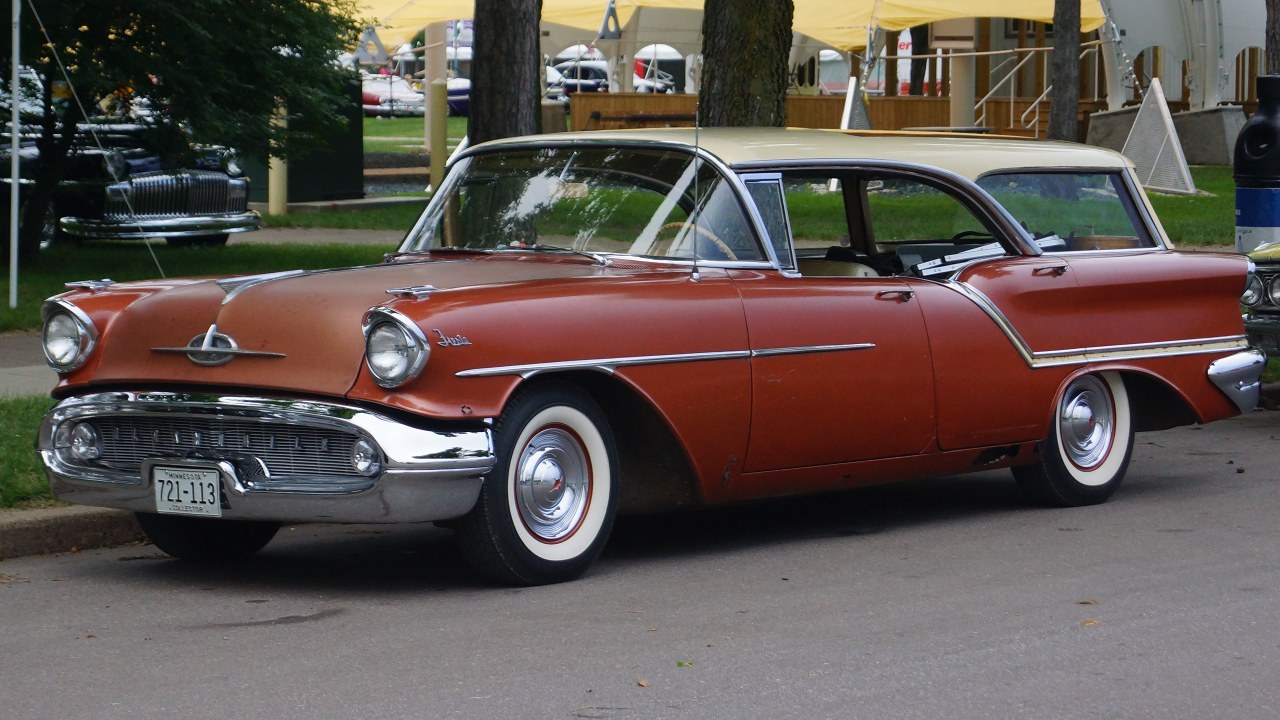
Oldsmobile positioned the Fiesta as more than a family wagon, it was effectively a Super 88 in long-roof form, aimed at buyers who wanted prestige and performance along with cargo space. Contemporary descriptions of the 1957 Super 88 highlight how the line sat near the top of Oldsmobile’s hierarchy, and the Fiesta shared that upscale mission rather than chasing bare-bones fleet sales. That intent shows up in the way the car was trimmed, from its extensive brightwork to its elaborate interior appointments that went well beyond basic vinyl and rubber mats.
Under the skin, the Fiesta drew on the same engineering that made the Super 88 a serious performer in its day. Factory literature for the 1957 Oldsmobile Super 88 notes that its V8 was rated at 300 hp and that the car could reach 60 mph in under 8 seconds, figures that put it squarely in the performance conversation for the era and helped Oldsmobile cultivate a reputation for speed. The fact that Lee Petty and his son Richard campaigned Olds convertibles on the sands of Daytona and hardtops at stock-car venues underscored that this was not just marketing talk but real-world competition credibility, and the Fiesta benefitted from sharing that mechanical lineage.
Styling that shouted “Jet Age”
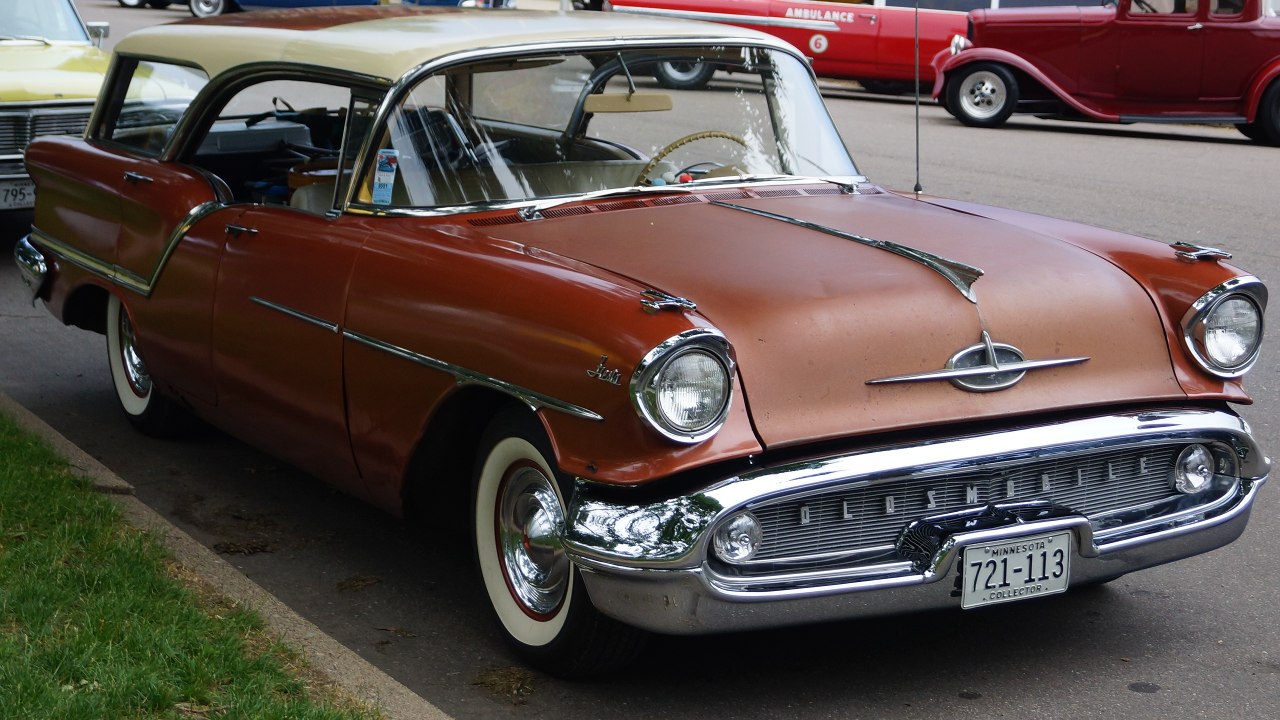
What truly set the 1957 Fiesta apart visually was how unapologetically it embraced the Jet Age aesthetic. The body sides were dominated by sweeping sculpted panels and heavy chrome, culminating in a rear treatment that was far more dramatic than most wagons of the period. One period description of the Super 88 Fiesta notes that four chrome strakes extended from the mid rear sides to the huge chrome tail lamp bezels, a detail that turned the back of the car into a kind of rolling light show. Those “Four chrome strakes” were not subtle, but subtlety was not the point in 1957, and they helped the Fiesta read as a prestige object even when viewed from a distance.
The front and interior design followed the same philosophy, with layered chrome, complex grille textures and a dashboard that echoed aircraft instrument panels more than utilitarian family transport. Under the hood, the Dynamic 88 version of the line used a different engine tune, but the Fiesta’s association with the Super 88 meant buyers could pair that flamboyant exterior with serious power. That blend of extroverted styling and genuine performance hardware is why collectors today still single out the Super 88 Fiesta as one of the most distinctive wagons of the decade, rather than just another chrome-heavy 1950s design.
Powertrain and performance pedigree
From a mechanical standpoint, the Fiesta’s connection to Oldsmobile’s Rocket V8 program is central to its appeal. The 1957 Super 88 was available with the J2 Rocket V8, a 371 cubic inch engine topped by triple two barrel carburetors that pushed output to the 300 hp range and gave the car its sub 8 second sprint to 60 mph. That specification mattered because it meant Oldsmobile was willing to put serious performance hardware into a car that could also haul kids, luggage and camping gear, a combination that feels very modern in hindsight. The Fiesta, sharing that Super 88 foundation, inherited the same robust drivetrain and chassis tuning that made the sedans and hardtops credible at high speed.
The durability of that engineering shows up in the way enthusiasts still drive and demonstrate these cars. In one walkaround of a 1957 Oldsmobile Super 88, owner Jim O’Keefe explains how his factory original J2 Rocket V8 car retains its period correct setup, from the triple carburetors to the way the engine responds under load. That video, recorded with Jim Keefe presenting his Oldsmobile Super 88, underscores how the mechanical package remains usable and engaging decades later, rather than being a fragile museum piece. When I consider the Fiesta in that context, it reads as an early example of the performance wagon idea that would not become mainstream until much later.
Rarity, collectability and the wagon niche
Even within Oldsmobile’s own lineup, the Fiesta occupied a relatively narrow niche, which has helped its collectability. Production numbers for the Super 88 Fiesta were modest compared with sedans and coupes, and the wagon body style meant many examples were worked hard as family or utility vehicles rather than preserved. Surviving cars today often show a mix of original features and period repairs, which makes fully restored examples stand out at auctions and specialist dealers. One listing for a 1957 Oldsmobile 88 Fiesta wagon highlights how carefully sellers document trim codes, drivetrain details and even small pieces of exterior brightwork, because buyers know how difficult it can be to source correct parts for such a limited production model.
Valuation guides that track the 1957 Oldsmobile Super 88 Fiesta treat it as a distinct submodel, reflecting both its rarity and its specific styling cues. The same sources that describe the “Four chrome strakes” and the elaborate tail lamp bezels also note that the Fiesta’s suspension and chassis tuning were comparable to the more common sedans, which means the wagon does not suffer from compromised road manners despite its extra weight and length. For collectors, that balance of scarcity, visual drama and usable driving dynamics is a powerful combination, and it explains why the Fiesta often commands a premium over more ordinary 88 wagons from the same year.
The Fiesta as a modern hot rod canvas
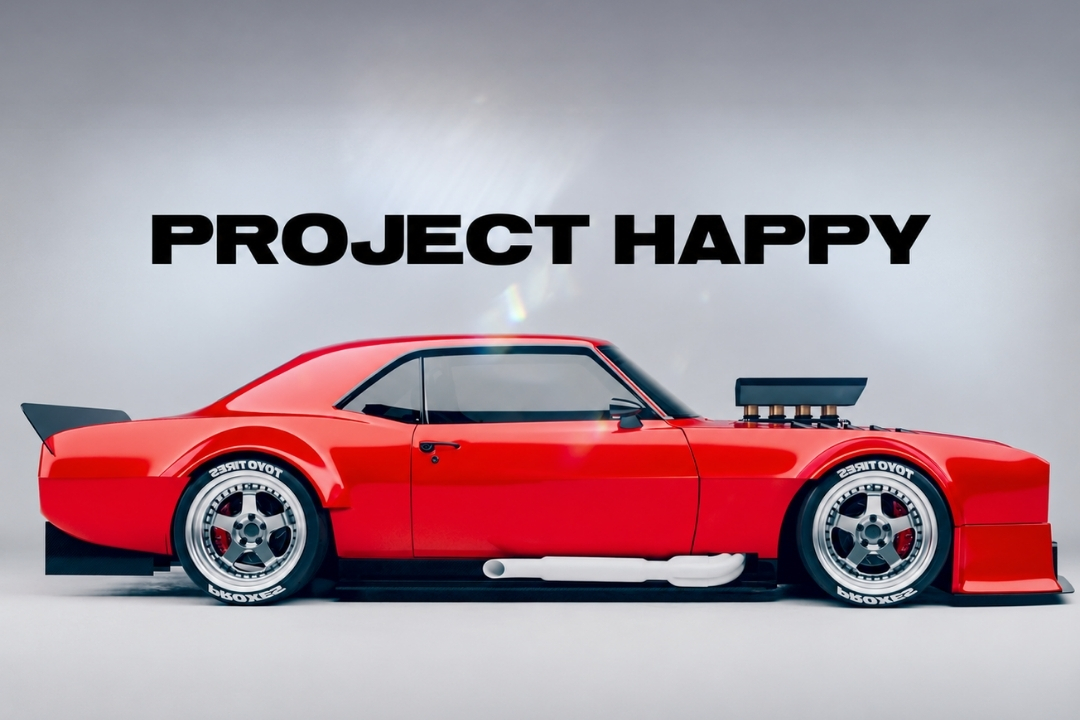
While some owners chase factory correctness, others see the 1957 Fiesta as an ideal platform for modern hot rod builds. The long roofline, generous wheel openings and substantial frame make it well suited to contemporary drivetrains and suspension upgrades, and builders have not been shy about reimagining the car. One detailed feature on a customized 1957 Olds Fiesta wagon describes how the owner retained the basic body shape and signature chrome elements but replaced much of the underlying hardware with modern components. That approach preserves the car’s visual identity while making it far more capable on today’s roads.
In that particular build, outright new items include a Flaming River tilt column and a three spoke steering wheel from Juliano’s, along with updated steering, rack and pinion components and Strange axles. There is a lot of modern engineering hidden under the vintage sheetmetal, from upgraded brakes to revised suspension geometry, yet the car still reads instantly as a 1957 Olds Fiesta wagon when it rolls past. I see that as a testament to how strong the original design was: even when builders swap in contemporary parts for safety and performance, they tend to keep the “Four chrome strakes,” the tail lamp bezels and the overall stance intact. The result is that the Fiesta continues to stand apart, not only as a historical artifact but as a living platform for creativity that bridges 1950s optimism with present day expectations.
More from Fast Lane Only: