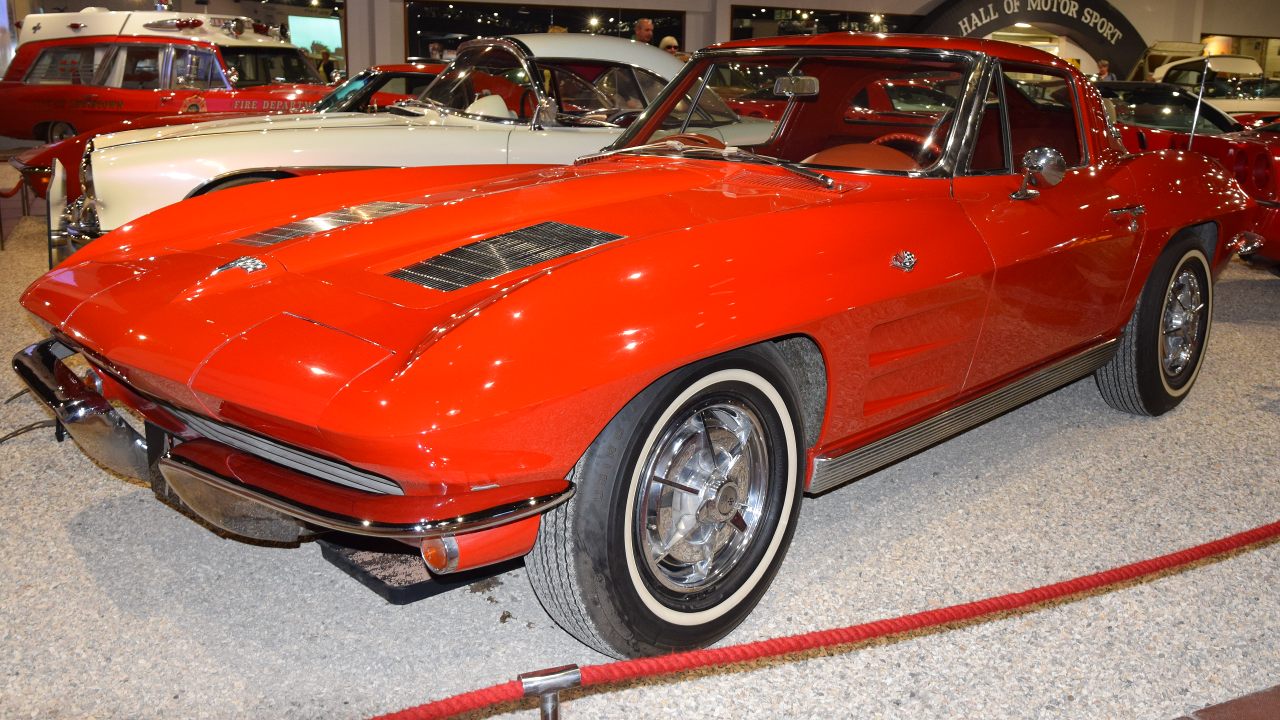
The 1963 Chevrolet Corvette Sting Ray did not just update an aging American sports car, it arrived as a direct challenge to Europe’s self-image as the natural home of sophisticated performance machines. With its sharp-edged styling, new chassis and serious racing intent, the second-generation Corvette forced European drivers and designers to reassess what America could build. I see its impact most clearly in how it unsettled long-held assumptions about handling, design and even who got to define what a “proper” sports car should be.
From boulevard cruiser to serious sports car
When the 1963 Chevrolet Corvette Sting Ray appeared, it marked a decisive break from the softer, chrome-heavy first-generation Corvette that had been shaped by returning soldiers who had sampled sports cars in the United Kingdom and Europe. Earlier Corvettes leaned heavily on that postwar enthusiasm for open two-seaters, yet they were still seen as flashy cruisers rather than focused drivers’ cars. By contrast, the Sting Ray’s compact proportions, fastback roofline and split rear window signaled a machine that wanted to run with the best from Italy, Germany and Britain, not just parade down American highways.
Underneath the styling, the engineering shift was just as pointed. The new Corvette adopted a more advanced chassis and suspension layout that moved it away from its boulevard-only reputation and closer to the kind of purposeful hardware European makers had been refining for years. Contemporary analysis of the 1963 model notes that although the Sting Ray still carried compromises, it was a giant step forward from the original Corvette and finally gave America a sports car that could be mentioned alongside a Jaguar that had dominated enthusiasts’ attention for almost a decade. That repositioning, from copycat to credible rival, is what made European observers sit up.
Design that looked more Italian than Detroit
The Sting Ray’s styling shocked European audiences because it did not fit the usual Detroit template of excess chrome and soft curves. Its knife-edged fenders, hidden headlamps and taut surfacing looked closer to contemporary Italian work than to the fins and flourishes that had defined American design. The split-window coupe in particular, with its dramatic spine bisecting the rear glass, had the kind of visual drama that European coachbuilders typically reserved for limited-production exotics, not a mainstream American sports car.
That kinship with European aesthetics was not accidental. The same period saw The Italian Corvette concept, named Rondine at the Pininfarina workshop, reinterpret the Corvette theme with unmistakably Italian lines. The one-off Corvette Rondine, designed by Italian coachbuilder Pininfarina and unveiled at the Paris Motor Show, pushed the idea even further, clothing Corvette mechanicals in a steel body that could have worn a European badge without raising eyebrows. When European designers saw that an American platform could carry such refined shapes, it blurred the stylistic border that had long separated Detroit from Turin and Paris.
Engineering that answered Europe on its own terms
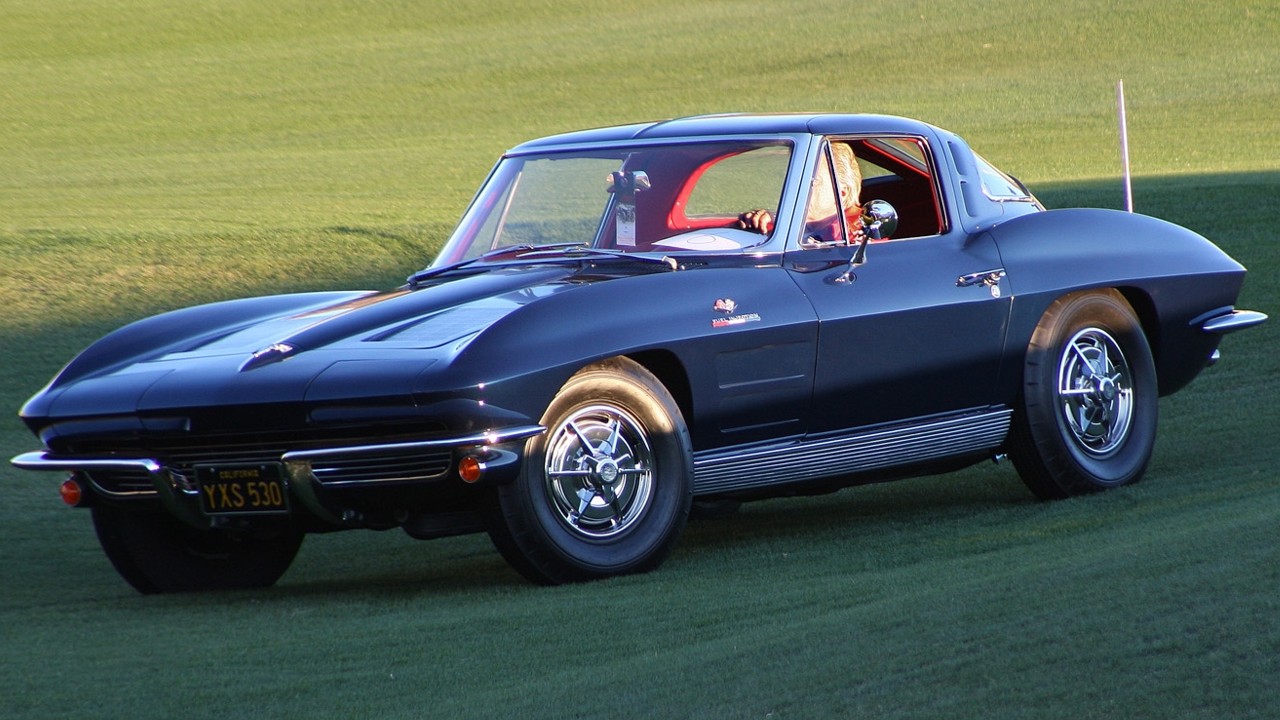
European critics had long dismissed American performance cars as powerful but crude, built for straight-line speed rather than nuanced handling. The 1963 Sting Ray directly targeted that stereotype. Its new chassis and suspension layout were developed to improve cornering and stability, moving the Corvette away from the soft, flex-prone feel that had limited the first generation. Contemporary assessments of the 1963 car emphasize that although the Sting Ray still contained compromises, it represented a major leap in sophistication and finally gave American buyers a sports car that could be driven hard on twisting roads, not just drag strips.
Powertrain choices reinforced that message. The availability of a Fuel Injected V8 in the 1963 Chevrolet Corvette Sting Ray Split-Window Coupe turned the car into a serious high performance tool, with throttle response and output that matched or exceeded many European rivals of the era. Enthusiast coverage of the fuel injected split-window cars highlights how their combination of advanced engine technology and improved chassis balance continues to captivate drivers decades later. For European observers used to seeing American cars as overpowered and underdeveloped, the Sting Ray’s engineering package looked like a direct rebuttal.
Europe’s uneasy reaction to an American upstart
European car culture in the early 1960s was built on the assumption that serious sports cars came from places like Modena, Coventry and Stuttgart. The arrival of a sharply styled, technically ambitious Corvette challenged that hierarchy. Commentators who had grown up with the idea that American cars were simply big, soft and unsophisticated suddenly had to contend with a coupe that looked at home among Italian exotics and could keep pace with established European sports models. The Sting Ray did not instantly erase every criticism, but it made it harder to dismiss America as a second-tier player.
That discomfort is still visible in later debates about the Corvette’s place in automotive history. Some modern commentators argue that popular British television coverage has underestimated the Corvette, leaning on old clichés about American cars rather than engaging with what models like the Sting Ray actually achieved. Others point back to the postwar years, when soldiers returning from the United Kingdom and Europe brought home a taste for agile sports cars, as the cultural spark that eventually produced a Corvette capable of meeting European standards on its own terms. The 1963 Sting Ray is where that long-running conversation stopped being theoretical and became unavoidably real.
Legacy: the car that changed how America and Europe saw each other
Looking back now, I see the 1963 Sting Ray as the moment the Corvette stopped chasing Europe and started forcing Europe to respond. Later reflections on the Chevy Corvette C2 describe it as America’s muscular rebuttal to European sports car dominance, a car that proved an American manufacturer could build something with both presence and precision. When that rebuttal arrived in the form of a production coupe with split rear glass, hidden lamps and a fuel injected V8, it did more than impress American buyers. It challenged European makers to acknowledge that performance and sophistication were no longer their exclusive territory.
The ripple effects extended beyond sales charts or lap times. The collaboration that produced The Italian Corvette Rondine at Pininfarina, and its appearance at the Paris Motor Show, showed that European designers were willing to experiment with American hardware as a serious foundation, not just a curiosity. At the same time, ongoing enthusiast fascination with the 1963 Chevrolet Corvette Sting Ray Fuel Injected Split-Window Coupe underlines how that single model year crystallized a shift in expectations on both sides of the Atlantic. By combining European-influenced design cues, upgraded engineering and unapologetically American power, the Sting Ray forced Europe to reconsider what an American sports car could be, and in doing so, it permanently altered the conversation between the two automotive worlds.