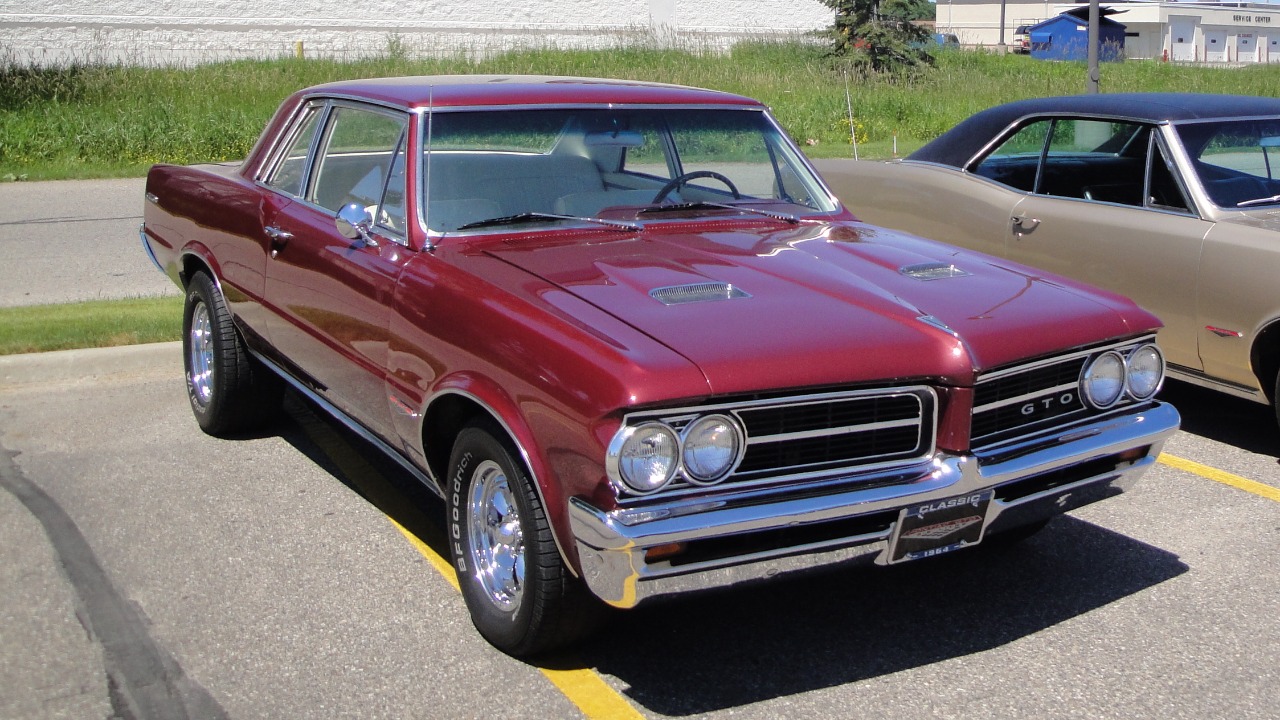
The 1964 Pontiac GTO emerged as a groundbreaking vehicle that redefined the American muscle car segment. With its powerful performance, distinctive styling, and innovative marketing, it captured the attention of buyers and automotive enthusiasts alike, leaving a lasting impact on the automotive landscape.
Historical Context of the 1960s Automotive Market
The early 1960s marked a significant turning point in the automotive industry, particularly in the United States, where a burgeoning youth culture began to demand vehicles that reflected their desire for speed, style, and individuality. The emergence of the muscle car genre was a response to this demand, with manufacturers eager to capitalize on the enthusiasm of younger buyers who were seeking performance-oriented vehicles. As I reflect on this era, it’s clear that the GTO was not just a car; it was a symbol of freedom and rebellion for a generation.
In 1964, the automotive landscape was rapidly evolving, influenced by the recent success of the Ford Mustang, which debuted the previous year. The Mustang’s combination of sporty aesthetics and approachable pricing set the stage for fierce competition among automakers. Pontiac, recognizing the shifting winds of consumer preference, sought to carve out its own niche in the growing muscle car market. This competition fueled innovation, and the GTO emerged as a bold contender, embodying the spirit of the times with its powerful performance and edgy design.
Innovative Design Features
The Pontiac GTO’s design was a game changer in the automotive world. With its aggressive stance, elongated hood, and muscular lines, the GTO instantly caught the eye of potential buyers. What stood out most were its distinctive features, such as the prominent hood scoop and the split grille, which set it apart from its contemporaries. It was a vehicle that announced its intentions long before you ever hit the gas pedal. The GTO’s design was not only about aesthetics; it was also about performance, with the design elements contributing to aerodynamic efficiency.
One of the most appealing aspects of the GTO was its range of vibrant color options and customizations. Buyers could choose from a palette that included eye-catching shades like Montero Red, Tyrol Blue, and Arbor Green, allowing them to express their individuality. This emphasis on personal expression resonated with a generation eager to stand out, and it was a strategy that would become a hallmark of the muscle car movement. The customizability of the GTO played a pivotal role in its initial success, as it catered to the desires of young buyers looking for a vehicle that mirrored their lifestyles.
Powertrain and Performance Specifications
The heart of the 1964 Pontiac GTO was its remarkable 389 cubic inch V8 engine, which produced an impressive 325 horsepower. This engine was a powerhouse, enabling the GTO to accelerate with authority and leaving its competitors in the dust. When I think about the thrill of driving a GTO, I can’t help but recall the excitement of feeling that power at my fingertips. The car was not just about looks; it was a performance machine that delivered exhilarating driving experiences.
Comparing the GTO’s performance metrics with its contemporaries reveals just how revolutionary it was for its time. Cars like the Chevrolet Chevelle and the Ford Fairlane were beginning to offer performance options, but the GTO’s combination of power, handling, and style set it apart. The GTO’s optional Tri-Power carburetor further enhanced its performance capabilities, allowing it to reach an astounding 348 horsepower. This upgrade was particularly popular among performance enthusiasts who sought even more power and acceleration, solidifying the GTO’s reputation as a formidable competitor in the muscle car arena.
Marketing Strategy and Public Reception
Pontiac’s marketing strategy for the GTO was as innovative as the car itself. The name “GTO” was derived from the Italian Gran Turismo Omologato, a term used in racing to signify a car that was built for both performance and style. This name not only conveyed a sense of speed and power but also captured the imagination of the American public. Pontiac’s advertising campaign, which included eye-catching print ads and television spots, emphasized the GTO’s performance credentials, appealing to a generation eager for excitement and adventure.
Grassroots marketing efforts played a crucial role in generating buzz around the GTO. Car clubs, local races, and enthusiast gatherings provided forums for Pontiac to showcase its new muscle car. The immediate public reaction was overwhelmingly positive, with sales skyrocketing in the debut year. Within just a few months of its release, the GTO had surpassed initial sales projections, demonstrating that Pontiac had successfully tapped into the desires of young, performance-oriented consumers. This initial success set the stage for the GTO’s enduring legacy in automotive history.
Legacy and Impact on Future Models
The GTO’s influence on the muscle car segment cannot be overstated. It set the standard for what a muscle car should be—powerful, stylish, and affordable. As manufacturers like Chevrolet, Dodge, and Ford sought to create their own performance vehicles, the GTO served as a benchmark against which all others were measured. The subsequent success of models like the Chevrolet Camaro and the Dodge Charger can be traced back to the groundwork laid by the GTO, which redefined performance in the American automotive market.
Beyond its impact on competing brands, the GTO solidified Pontiac’s identity as a performance-oriented brand. The success of the GTO allowed Pontiac to cultivate a reputation for producing vehicles that combined sportiness with practicality, appealing to a broad audience of consumers. The GTO also influenced popular media, becoming a cultural icon that appeared in films, music, and television shows, further embedding it into the American automotive culture. I often think about how the GTO represented a shift in the way cars were perceived—not just as modes of transportation, but as symbols of status and individuality.
Challenges and Evolution Post-1964
While the GTO enjoyed phenomenal success in its debut year, Pontiac faced challenges in the following years as the automotive market continued to evolve. The late 1960s saw increased competition from other manufacturers, as well as shifts in consumer preferences towards more fuel-efficient vehicles. The GTO, despite its iconic status, had to adapt to these changes. The introduction of stricter emissions regulations and rising insurance costs made it difficult for muscle cars to maintain their previous levels of performance and appeal.
By the late 1960s and early 1970s, the GTO underwent several design and performance changes in an effort to stay relevant. The introduction of the GTO Judge in 1969, with its more aggressive styling and performance upgrades, was a bid to recapture the excitement that had initially drawn buyers to the original GTO. However, as the muscle car era began to decline, the GTO struggled to maintain its market share amid a growing preference for smaller, more economical cars. Ultimately, the GTO’s story reflects the broader narrative of the American muscle car, which faced significant challenges as the automotive landscape shifted in the wake of oil crises and changing consumer values.
More from Fast Lane Only
- Unboxing the WWII Jeep in a Crate
- 15 rare Chevys collectors are quietly buying
- 10 underrated V8s still worth hunting down
- Police notice this before you even roll window down
*Research for this article included AI assistance, with all final content reviewed by human editors.