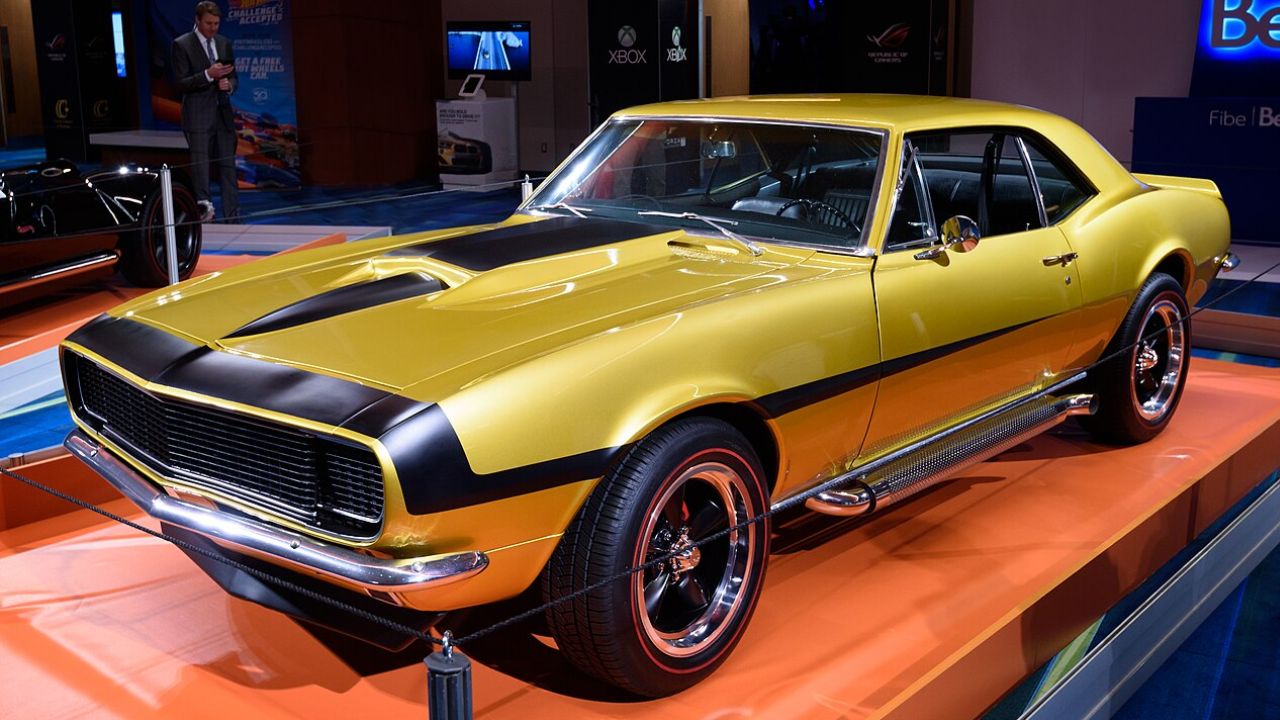
The 1967 Chevrolet Camaro emerged as a formidable competitor in the American muscle car market, challenging the dominance of the Ford Mustang. It was a time when American car enthusiasts were hungry for performance, style, and affordability, and the Camaro fulfilled these desires while reshaping Chevrolet’s brand identity. This article delves into how the Camaro not only made waves in the automotive industry but also posed significant challenges for Ford, ultimately influencing the trajectory of the muscle car segment.
Background of the Muscle Car Era
The muscle car phenomenon took root in the early 1960s, fueled by a post-war economy that embraced freedom and individuality. This era saw the convergence of powerful engines, sleek designs, and a youthful spirit that resonated deeply with American consumers. The Ford Mustang, introduced in 1964, quickly became the poster child of this movement, capturing the imagination of car lovers and setting a new standard for the industry. Its combination of performance, style, and affordability made it an instant classic, ushering in a new wave of automotive culture.
As the Mustang gained traction, its influence on American society deepened, becoming synonymous with the “American Dream.” The car’s success also heightened consumer expectations regarding performance and design, leading to a competitive landscape where automakers raced to deliver powerful vehicles that could capture the hearts of buyers. The demand for muscle cars skyrocketed, and soon, other manufacturers recognized the opportunity to capitalize on this trend, setting the stage for fierce competition in the market.
The Development of the 1967 Chevrolet Camaro
The birth of the 1967 Chevrolet Camaro was a strategic move by General Motors, driven by the recognition that the Mustang had carved out a substantial market segment. Under the leadership of Bill Mitchell, the design team at Chevrolet embarked on a mission to create a vehicle that could rival Ford’s offering. The styling of the Camaro was characterized by its aggressive lines, a long hood, and a short rear deck, which not only gave it a sporty appearance but also appealed to the muscle car demographic.
Key features that set the Camaro apart included its wide stance, distinct grille, and bold color options. The decision to enter the pony car segment was not taken lightly; GM had to ensure that the Camaro would not only compete on style but also on performance. They developed a range of engine options, from the base six-cylinder to the robust V8 engines, accommodating various consumer preferences and allowing for customization. This strategic approach positioned the Camaro as a versatile option for buyers seeking both performance and style.
Market Positioning Against the Mustang
Chevrolet’s marketing strategy for the Camaro was meticulously crafted to target a demographic that closely mirrored that of the Mustang. While the Mustang appealed to a broad spectrum of buyers, particularly young, adventurous drivers, the Camaro aimed to attract those looking for a bit more flair and performance. The marketing campaign emphasized the Camaro’s racing heritage and performance capabilities, creating an image of excitement and freedom that resonated with consumers.
One of the key elements of the Camaro’s market strategy was its pricing. Chevrolet positioned the Camaro to undercut the Mustang, offering a competitive price point that made it an attractive option for budget-conscious buyers. This pricing strategy not only helped Chevrolet gain traction but also forced Ford to rethink their pricing and marketing tactics. By delivering a compelling product at an appealing price, the Camaro quickly established itself as a serious contender in the muscle car arena.
Performance Specifications and Options
The performance of the 1967 Camaro was a significant factor in its appeal. Chevrolet offered a range of engine options, including a 230 cubic-inch inline-six engine producing 140 horsepower, and various V8 options, the most notable being the 396 cubic-inch big-block that churned out 375 horsepower. This variety allowed consumers to choose a configuration that best suited their performance needs, from daily driving to spirited weekend racing.
In comparisons between the Camaro and the Mustang, automotive journalists noted that the Camaro often edged out the Mustang in terms of handling and overall performance. The independent front suspension provided a smoother ride and better cornering capabilities, making the Camaro a favorite among enthusiasts. Performance metrics, such as acceleration times and lap speeds, showcased the Camaro’s prowess, further solidifying its status as a legitimate competitor to the Mustang.
Consumer Reception and Sales Impact
The launch of the 1967 Camaro was met with enthusiasm, reflecting a growing appetite for performance-oriented vehicles. Early consumer response was overwhelmingly positive, with many praising its styling, performance, and value proposition. In its inaugural year, the Camaro recorded impressive sales figures, quickly becoming one of Chevrolet’s best-selling models.
In the late 1960s, sales figures revealed a fierce battle between the Camaro and Mustang. While the Mustang initially dominated the market, the Camaro’s sales began to climb rapidly, reaching nearly 220,000 units sold in its first year, compared to the Mustang’s impressive figures. The influence of automotive journalism and consumer reviews played a significant role in shaping public perception, as positive reviews in magazines and publications like Motor Trend helped solidify the Camaro’s reputation as a worthy challenger.
The Camaro’s Cultural Impact
Beyond its performance and sales numbers, the 1967 Camaro became a cultural icon, symbolizing freedom, rebellion, and the spirit of the 1960s. Its aggressive styling and robust performance attracted a diverse following, and the car soon became a staple in American car culture. Appearances in popular media, including films and television shows, further boosted its image. The Camaro was featured prominently in movies like “Transformers” and TV series, resonating with audiences and cementing its status as a symbol of American muscle.
Car clubs and enthusiasts played a pivotal role in promoting the Camaro, organizing events and gatherings that celebrated its legacy. These communities fostered a sense of belonging among Camaro owners, reinforcing the car’s status as a beloved classic. The camaraderie among enthusiasts and the shared passion for performance cars contributed to the Camaro’s lasting cultural impact, making it more than just a vehicle; it became a lifestyle choice.
Ford’s Response to the Camaro Challenge
In the wake of the Camaro’s success, Ford recognized the need to adapt its strategy to regain market share. The Mustang’s design underwent several revisions in response to the Camaro’s popularity, with updates aimed at enhancing performance and modernizing its appearance. Ford introduced special editions and performance packages, such as the Mustang Cobra and Boss models, to appeal to the same demographic that the Camaro had captured.
Marketing efforts were also intensified, with Ford launching campaigns that emphasized the Mustang’s heritage and performance benefits. They sought to remind consumers of the Mustang’s dominance in the muscle car segment while also introducing innovative features to compete directly with the Camaro. This back-and-forth between the two manufacturers exemplified how competition in the automotive industry could drive innovation and consumer choice.
Long-Term Effects on the Automotive Industry
The legacy of the 1967 Chevrolet Camaro extends far beyond its initial success; it reshaped the muscle car landscape and influenced future generations of vehicles. The rivalry between Ford and Chevrolet set a precedent for how automakers approached market competition, emphasizing the need for continuous innovation and responsiveness to consumer demands. The intense competition led to the development of more powerful and efficient vehicles, shaping the expectations of car buyers for decades to come.
The long-standing impact of the Camaro can be seen in the evolution of muscle cars in the 1970s and 1980s. As emissions regulations and fuel economy standards changed the landscape, manufacturers adapted their offerings, ensuring that the spirit of the muscle car lived on. The Camaro’s influence also inspired a new generation of automotive enthusiasts, fostering a culture that celebrates performance and style, and ensuring that the muscle car remains a relevant and cherished part of American automotive history.
Lessons Learned from the Camaro’s Success
The rivalry between the Camaro and Mustang offers valuable lessons for automotive manufacturers. The importance of understanding consumer preferences and responding to market trends cannot be overstated. Chevrolet’s ability to deliver a high-performance vehicle that appealed to a specific demographic demonstrated the value of targeted marketing and innovation in product development.
Additionally, the Camaro’s success highlights the significance of competition in driving industry progression. As manufacturers strive to outdo one another, the resulting innovations benefit consumers through improved performance, safety features, and overall vehicle quality. The story of the Camaro and its impact on Ford serves as a reminder of how a singular product can reshape an entire industry and inspire generations of enthusiasts.
More from Fast Lane Only