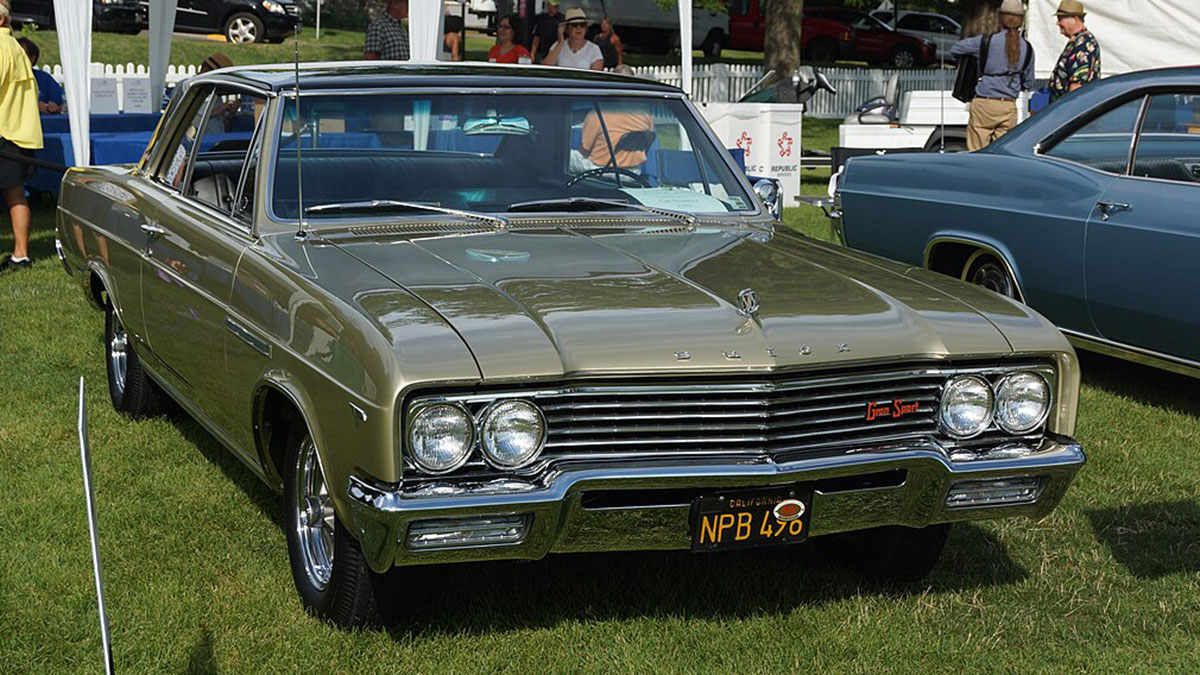
The 1965 Buick Skylark GS arrived at a moment when American performance was shifting from full-size bruisers to mid-size muscle, and it did something quietly radical. Instead of chasing raw aggression, it wrapped serious speed in a calm, almost formal body, proving that a car could be quick without shouting about it. Six decades later, that balance of power, poise, and polish still shapes how I think about performance cars.
When I look at modern sport sedans and high-output crossovers, I see echoes of what the Skylark GS laid down in 1965: big torque, real everyday comfort, and a sense that performance should feel effortless rather than frantic. The car matters today not just as a collectible, but as an early template for the kind of dual-purpose machines enthusiasts now expect.
Buick’s late but clever entry into the muscle era
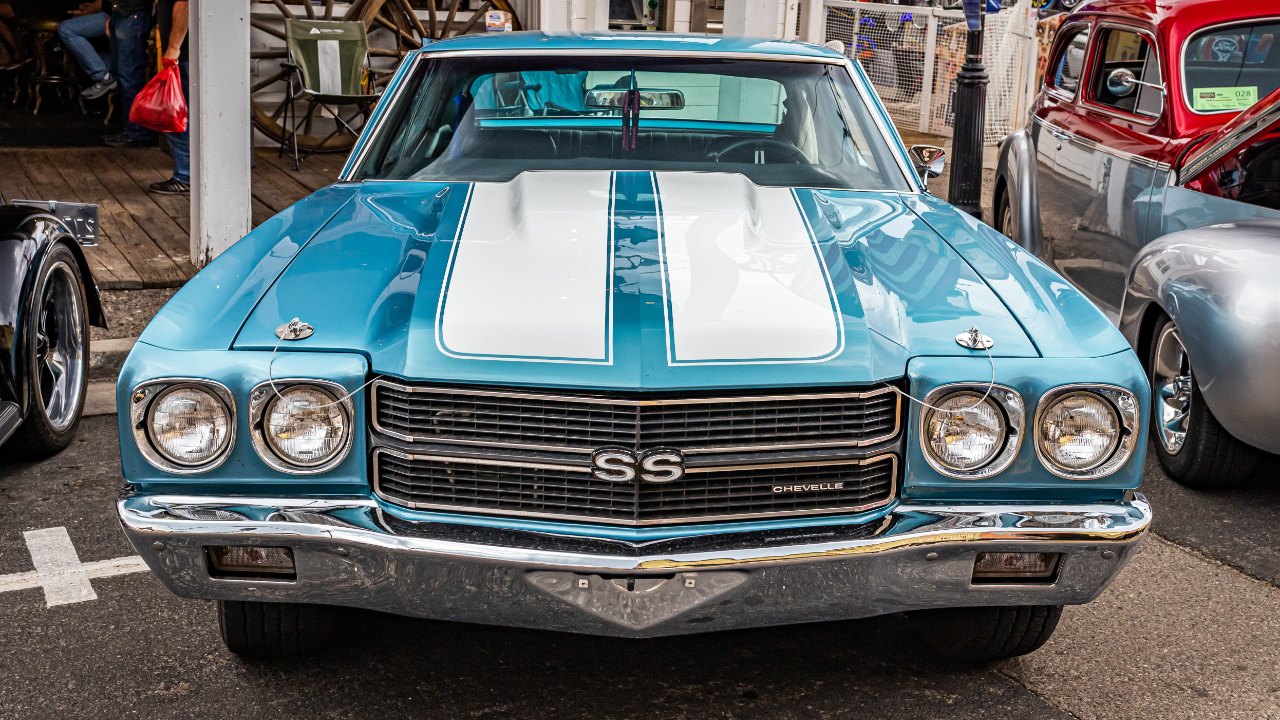
By the mid 1960s, the mid-size field had become the hottest battleground in Detroit, and General Motors was setting the pace. In 1964 and 65, the company’s strategy of flooding showrooms with intermediate models worked so well that the Chevelle helped leave rivals like the Fai behind in sales. Buick was not first to the party, but it understood that to stay relevant it needed a car that could stand beside Pontiac’s GTO without abandoning the brand’s reputation for refinement.
That is where the Skylark came in. Earlier in the decade, the name had reappeared as a compact, and by 1964 the Skylark had grown into its own model line that helped Buick move into the booming intermediate segment. When the company added a Gran Sport package to this mid-size platform, it was not just chasing a trend, it was giving long-time Buick buyers a way to join the muscle conversation without jumping to a different brand.
The Gran Sport option that changed the Skylark’s mission
The turning point came when Buick took its comfortable mid-size and gave it a serious performance heart. According to period Buick Mid data, the Gran Sport option arrived partway through the model year and immediately transformed the car’s character. What had been one of the more genteel intermediates suddenly had the hardware to run with the quickest factory street machines of its day.
That package, described in contemporary Size Cars Factoids, bundled a big engine, upgraded driveline, and supporting components into a single order code. It was marketed as the Skylark “Gran Sport,” and it signaled that Buick was willing to let its mid-size car step out of its comfort-cruiser role. The result was a machine that could still play the part of a polite family car, but with a very different personality when the driver leaned into the throttle.
The 401 Nailhead and Buick’s rule-bending power play
Under the hood, Buick did not simply drop in a slightly warmed-over small-block. It reached into its full-size parts bin and pulled out the 401 V8, a big-torque engine that enthusiasts know as the Nailhead. In Gran Sport trim, the company labeled this 401.4 CID engine as a “400” for marketing purposes, a neat way to stay within corporate displacement limits while still delivering serious shove. Reporting on the car’s development notes that this 401 cubic inch V8 was far beyond the Skylark’s usual powerplants, and that the 401.4 figure was quietly rounded down to 400 to keep the paperwork tidy.
The engine’s character defined the car. With its distinctive Nailhead layout and broad torque curve, the big V8 gave the Gran Sport effortless acceleration that felt different from the high-revving small-blocks in some rivals. Technical writeups point out that the 401.4 CID unit, identified in internal documents as a CID engine, also added weight over the front axle, which shaped the Gran Sport for handling and braking. That compromise, more nose-heavy than some competitors, is part of what makes the car so interesting to drive today: it rewards smooth inputs and measured pace rather than wild cornering.
Chassis, styling, and the “gentleman’s muscle” personality
What keeps drawing me back to the 1965 Skylark GS is how its body and chassis refuse to scream about its performance. The A-body platform had grown for 1964, stretching nearly a foot longer overall, yet the basic shape remained clean and almost understated. Contemporary descriptions of the Classic Cars Image note that the new intermediates were larger but still carried a slab-sided look that fit Buick’s more conservative image. That restraint made the Gran Sport’s power feel like a secret shared between driver and machine.
Inside, the car leaned into that same dual nature. For 1965, the Buick Skylark could be ordered with bucket seats and a console-mounted selector, details that gave the Gran Sport a more purposeful cockpit without abandoning comfort. Period coverage of the model year points out that, Yet even with these sporty touches, the car still felt like a Buick first and a hot rod second. That balance is exactly what modern enthusiasts mean when they talk about a “sleeper,” and it is why the GS still feels relevant in an era of stealthy performance sedans.
How the GS package reshaped Buick’s performance identity
The Gran Sport did more than add speed to a single model year, it helped redefine what a Buick could be. Enthusiast histories of the brand’s performance line explain that the GS name was created so owners could feel part of a more youthful, go-fast culture without giving up the comfort they expected. In that context, the 1965 Skylark GS sits at the start of a lineage in which The Gran Sport became shorthand for a car that could commute all week and still hold its own at the drag strip on Saturday night.
That dual personality is not an accident. Later analysis of the series notes that the Buick GS proved performance cars did not need to sacrifice refinement to be genuinely fast. While some competitors built muscle machines that felt raw or stripped down, Buick leaned into better interiors, quieter cabins, and smoother suspensions. Writers looking back on the line argue that The Buick GS showed that engineering and tuning mattered more than just bolting parts together, a lesson that still resonates in how modern performance cars are developed.
More from Fast Lane Only: