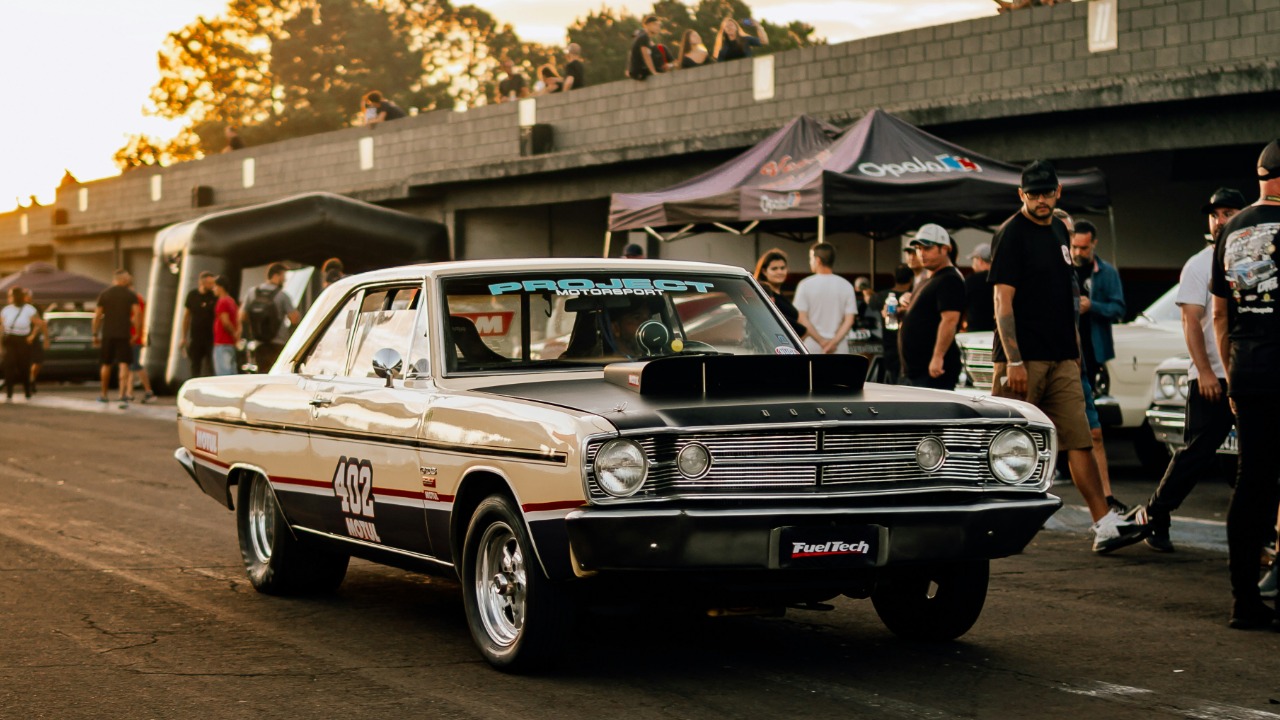
The 1968 Dodge Hemi Dart was built as a rules-legal weapon for the drag strip, yet it ran so far ahead of its supposed peers that it effectively broke the class it was meant to dominate. What began as a compact economy car became a bare‑bones missile that forced sanctioning bodies, rivals, and even Dodge itself to rethink what a factory car could be. The story of how a humble Dart turned into an unruly Super Stock legend explains why this one-season special still defines the outer limit of muscle car excess.
From commuter compact to quarter-mile assassin
The Dodge Dart started the decade as a sensible compact, aimed at buyers who cared more about fuel bills than elapsed times. Over several generations the car evolved into a more versatile platform, with the late 1960s A‑body gaining sharper styling and room for serious V‑8 power, as chronicled in overviews of the Dart generations. By 1967, Dodge had already tested the waters with high performance 273 and 383 engines in the Dart, but the real shock came when engineers decided to stuff in the 426 Hemi.
The 426 cubic inch Hemi was already feared on NASCAR ovals and drag strips, yet it had never been factory installed in the compact A‑body. The engine bay was tight, the front suspension was never intended for that mass, and the car’s mission as an affordable compact seemed incompatible with the cost of the race-bred “elephant” motor. Dodge went ahead anyway, green‑lighting a tiny run of Hemi Darts for Super Stock competition, each one built less like a showroom model and more like a semi-finished race car.
How Dodge and Hurst built the Hemi Dart
To make the combination work, Dodge shipped partially assembled Darts to Hurst, which specialized in turning factory shells into competition specials. The resulting LO23 Hemi Dart was stripped of anything that did not help it reach the finish line faster. Thin Corning glass, acid‑dipped body panels, no seam sealer, and minimal sound deadening all cut weight. Bench seats were replaced with lightweight units, and the cars often lacked items as basic as a heater.
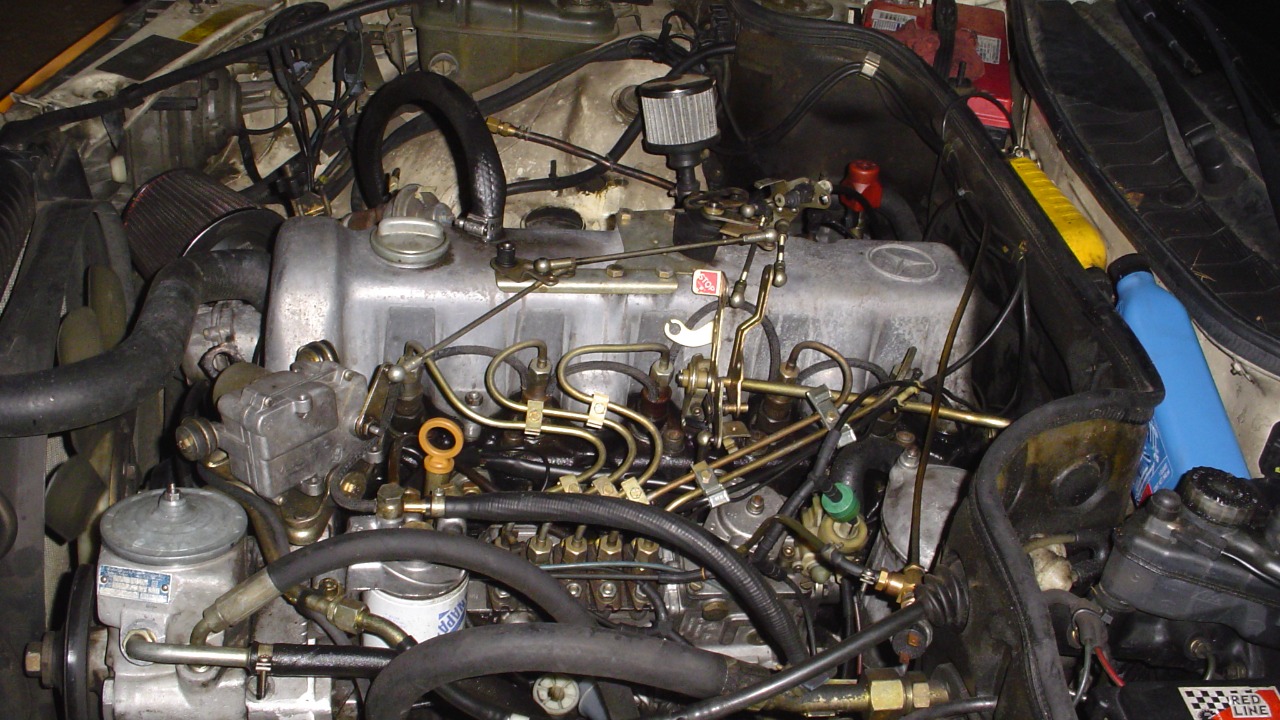
Under the hood, the 426 Hemi received drag‑ready hardware: high compression pistons, aggressive camshaft, aluminum intake, and dual four‑barrel carburetors. Contemporary coverage of the Hemi’s development, including the “Elephant” nickname that followed the engine into drag racing, highlights how its size and airflow potential made it uniquely suited to quarter‑mile abuse, a reputation reflected in pieces like The Elephant Man. The Hemi Darts were officially rated at figures that looked plausible for showroom insurance forms, but racers quickly discovered that real output was far higher.
Factory Super Stock that outran the rulebook
The National Hot Rod Association’s Super Stock classes were meant for cars that still resembled what a customer could buy, even if they were optimized for drag racing. Weight‑to‑cubic‑inch formulas and strict part rules were supposed to keep competition tight. On paper, the Hemi Dart complied, yet in practice it obliterated the intended balance.
With a curb weight trimmed far below a typical intermediate muscle car and a race-prepped Hemi sending power through a stout TorqueFlite automatic, the LO23 package produced quarter‑mile times that immediately reset expectations. Period accounts describe mid‑10‑second passes at trap speeds that embarrassed heavier B‑body Hemi cars. The combination of ultra-light shell and big-cube race engine meant the Dart was effectively running a class below where its performance belonged, which forced officials to reclassify and adjust weight breaks to give other brands a chance.
Why the car was “too fast for its own class”
The problem was not simply that the Hemi Dart was quick. It arrived as a fully optimized package at a time when rivals were still adapting their own cars to evolving Super Stock rules. Chevrolet and Ford had strong big-block offerings, but few had the benefit of a compact body with a drag‑tuned engine installed by a factory‑backed conversion partner.
In effect, Dodge created a car that treated the rulebook as a starting point for exploitation rather than a ceiling. The combination of lightweight construction, overbuilt engine, and minimal concessions to street comfort meant the Dart was barely a road car at all. That imbalance explains why many historians describe the LO23 as a machine that outgrew its intended category. Sanctioning bodies had to respond with new classifications and stricter interpretations of what counted as a production car, while rival manufacturers scrambled to field comparable specials.
Inside the “elephant” under the hood
The 426 Hemi that powered the Dart was already a legend in stock car and drag racing, but its installation in the A‑body platform highlighted just how extreme the engine had become. Massive cylinder heads, hemispherical chambers, and a cross‑flow layout gave the Hemi airflow advantages that small‑block rivals could not touch. When combined with high compression and race fuel, the engine tolerated aggressive tuning that pushed it far beyond its nominal ratings.
Technical retrospectives on the Hemi’s drag racing career emphasize how its durability let racers lean on it with high rpm launches and hard gear changes, often for full seasons without major failures. The Hemi Dart’s role in that story is central, since it gave privateers a near turnkey entry into the upper reaches of Super Stock. While many engines of the era were adapted from street duty, the Hemi was essentially a competition design that happened to be sold through dealers.
How the Hemi Dart reshaped the Dart nameplate
For most buyers, the Dart remained an accessible, sensible car. Enthusiast market analysis has pointed out that the broader 1967 to 1976 Dart lineup still offers some of the most attainable Mopar performance, with V‑8 cars providing strong value compared with headline-grabbing models like the Charger or Challenger, as seen in coverage of accessible Mopar muscle. Yet the existence of the Hemi Dart permanently altered how enthusiasts perceived the badge.
Instead of a purely budget compact, the Dart name came to carry a split identity. On one side were the everyday slant‑six sedans and modest V‑8 coupes. On the other sat a tiny run of factory drag cars that could out‑accelerate almost anything on four wheels. That contrast has helped sustain interest in the entire Dart family, since even humble models now share a lineage with one of the wildest Super Stock packages Detroit ever built.
Pop culture, barn finds, and survivor cars
The Dart’s presence in period television and custom culture also feeds its legend. One of the most famous examples is the modified car built for the detective series “Mannix,” which later surfaced as a neglected project before enthusiasts recognized its significance. The story of that Mannix Dart shows how even non‑Hemi cars from this era can become highly prized once their history is uncovered.
Surviving Hemi Darts themselves are even more coveted. Their low production numbers, track‑focused build, and tendency to live hard lives on the drag strip mean that unmodified examples are rare. When they do appear, they often command prices that reflect both their performance pedigree and their role as artifacts from a brief moment when factory engineers were allowed to prioritize elapsed time over every other concern.
Why collectors still chase the Hemi Dart
Modern collectors value the Hemi Dart for more than raw speed. It represents a particular philosophy of factory involvement in racing, in which manufacturers were willing to build near‑single‑purpose cars to capture trophies and headlines. Enthusiast outlets regularly rank the LO23 among the wildest Mopar creations, highlighting its stripped interiors, fiberglass body parts, and drag‑only demeanor, as seen in detailed breakdowns of Hemi Dart Super features.
That reputation has a feedback effect. As prices climb for the few genuine cars, builders create faithful replicas and nostalgia Super Stock racers that keep the look and sound alive. These tribute cars appear at vintage events and local strips, often running in specialized classes that celebrate factory‑style muscle. Their presence helps reinforce the Hemi Dart’s status as a benchmark, even for enthusiasts who will never see an original in person.
More from Fast Lane Only
- Unboxing the WWII Jeep in a Crate
- 15 rare Chevys collectors are quietly buying
- 10 underrated V8s still worth hunting down
- Police notice this before you even roll window down
*Research for this article included AI assistance, with all final content reviewed by human editors.