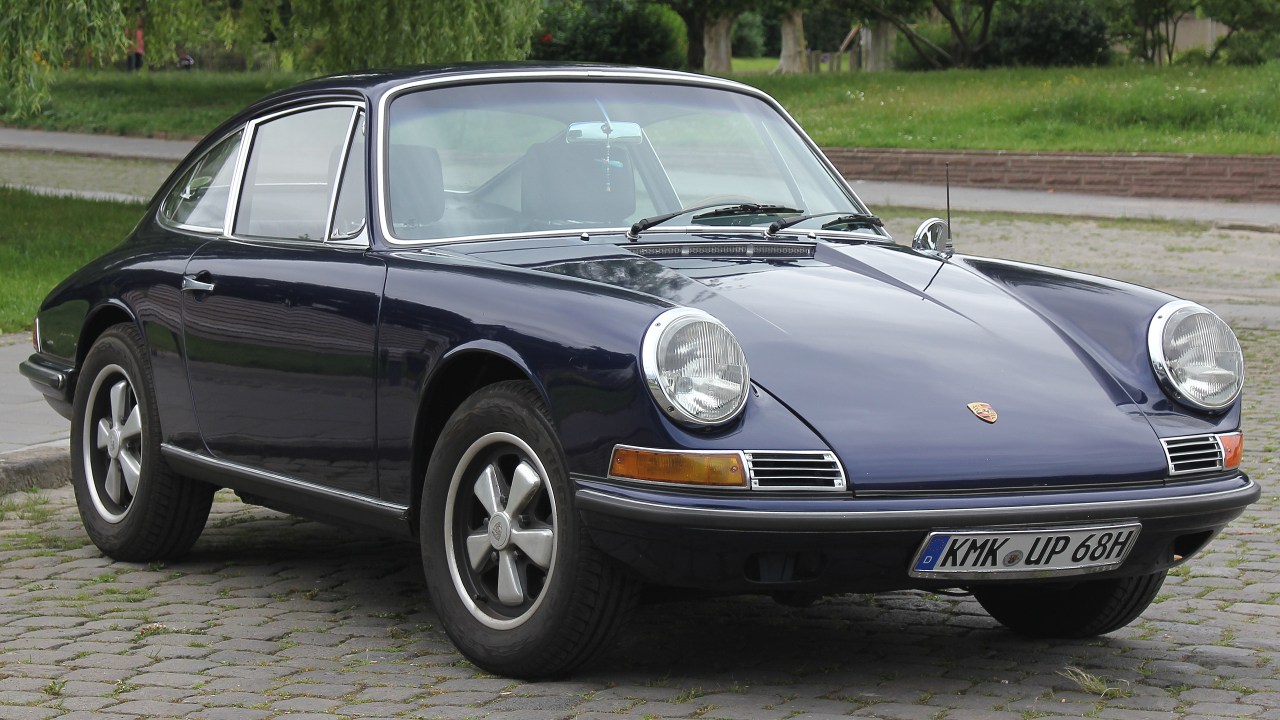
The 1968 Porsche 912 arrived at a moment when Porsche risked losing the very buyers who had built the brand. As the 911 moved the company upmarket, the 912 quietly kept traditional customers in the fold, offering familiar character in a new shape. I see that car as a strategic pressure valve, easing Porsche from the 356 era into the modern age without forcing loyal drivers to follow the price and performance leap all at once.
From 356 loyalists to 911 aspirants
When Porsche retired the 356, it faced a simple problem: the new 911 was faster, more sophisticated and more expensive, and not every 356 owner was ready or able to make that jump. The Porsche 912 Coupe, built from 1965 to 1969, was conceived specifically to bridge that gap as Porsche sought a successor to the 356 while still keeping its customer base intact. In other words, the 912 was not an afterthought, it was a deliberate entry-level model that carried over the spirit and running costs of the older car inside the new body style.
To achieve that, Porsche combined the fresh 911 silhouette with mechanicals that 356 drivers already trusted. The 912 used a 1,582 cc pushrod flat four derived from the 356C, so buyers were not being asked to gamble on an unfamiliar powertrain while they adjusted to the new chassis and styling. Contemporary price guides describe how the 912 Coupe effectively sat between the outgoing 356 and the more ambitious 911, giving Porsche a carefully judged middle step rather than a cliff edge for its core audience.
The 356 heart in a 911 body
The technical recipe that made the 912 possible is part of why it filled that market space so effectively. The 912 engine was a 1,582 cc pushrod flat four from the 356C, which produced 102 hp in 1968, nearly 80 fewer than the same year’s 911 at the car’s extreme rear. That output looks modest on paper, but it meant the car delivered performance that felt familiar to 356 owners while benefiting from the longer wheelbase, improved suspension and more modern ergonomics of the 911 platform. The result was a car that looked like the flagship but behaved like the approachable sports car Porsche customers already knew.
Period and modern descriptions underline how closely the 912 mirrored the 911 in appearance, right down to the iconic roofline and compact overhangs, while hiding its 356-based engine in the rear. One detailed account notes that not everyone is familiar with the Porsche 912, pointing out that it looks like the iconic 911 but has the Porsche 356 engine in the rear, which helps explain why some enthusiasts initially misread it as a lesser imitation rather than a carefully tuned compromise. In practice, that combination gave drivers a lighter nose, a slightly different balance and a power delivery that suited real-world roads more than headline-grabbing top speeds.
Affordability, usability and the “better than a 911” argument
Price and running costs were central to the 912’s mission, and they remain central to its appeal today. Contemporary buying guides describe the 912 as the affordable alternative that Porsche added to the line in order to bridge the gap and not alienate loyal customers. With the simpler flat four, owners faced lower fuel consumption and less complex maintenance than the six cylinder 911 demanded, which made the car easier to live with as a daily driver. That usability helped Porsche keep customers who might otherwise have drifted to cheaper rivals once the 911 reset expectations on price.
Modern commentators sometimes go further, arguing that in certain conditions the 912 can actually be more satisfying than a 911. In one enthusiast discussion titled around why the 912 is better than a 911, the speaker leans on the car’s lighter engine and more forgiving handling to make the case that outright power is not the only measure of a sports car. The same theme appears in restoration features that describe a beautifully restored 1968 Porsche 912 as a car that is light, balanced and fun to drive, with enough performance to be engaging without becoming intimidating. Those perspectives reinforce the idea that the 912’s lower specification was not just a cost saving, it created a distinct driving character that some drivers actively prefer.
How the 1968 model crystallized the formula
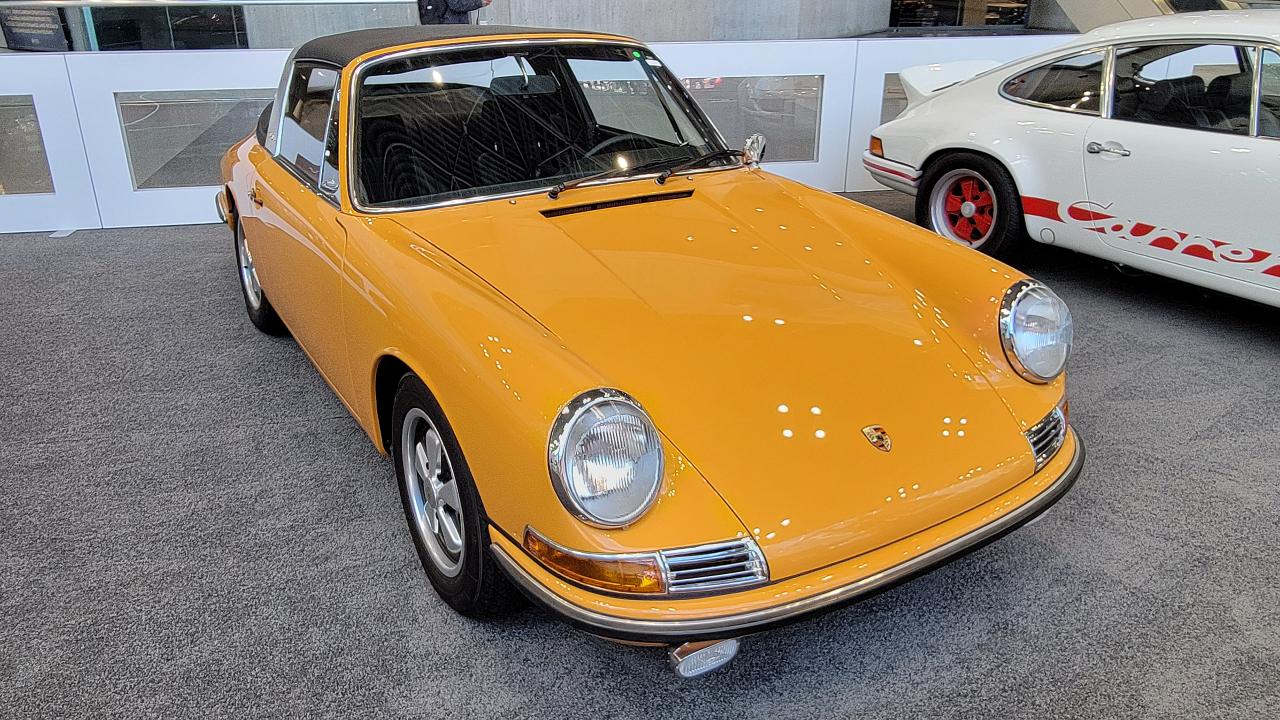
By 1968, the 912 had matured into a particularly coherent package, and that model year shows why the car mattered so much in Porsche’s lineup. The 102 hp output from the 1,582 cc flat four gave the 1968 Porsche 912 enough pace to exploit the chassis without overwhelming it, especially on narrow or twisting roads where balance counted more than brute force. Contemporary descriptions of well preserved 1968 cars highlight how the modest power, combined with the 911-derived suspension and body, results in an engaging drive on twisty roads that rewards smooth inputs rather than raw aggression.
Visually, the 1968 912 delivered the full contemporary Porsche experience, which was crucial for buyers who wanted the latest look even if they did not need the fastest engine. Reports on restored examples emphasize how closely the car tracks the 911’s proportions and detailing, right down to the cabin layout, while quietly differing under the engine lid. That alignment meant a 1968 912 owner parked next to a 911 shared the same design language and brand cachet, which helped Porsche maintain a unified image even as it segmented its range by performance and price.
Legacy: from stopgap to cult classic
What began as a pragmatic solution to a product planning problem has, over time, taken on a life of its own. Price analyses that track the Porsche 912 Coupe from its production run between 1965 and 1969 show how values have risen as enthusiasts reassess the car’s role in the brand’s history. The same guides that once framed it as a budget option now describe how a 912 in average condition commands serious money, reflecting a shift from overlooked entry-level model to recognized classic. That change in perception underscores how effectively the car did its job: by keeping 356-era buyers engaged, it helped sustain the market that later collectors would draw from.
Today, the 912’s blend of 356 mechanicals and 911 styling is precisely what makes it distinctive. Features on restored 1968 cars stress that it is a Porsche that looks like a 911 but carries the 356 engine and character, a combination that appeals to drivers who value feel and heritage over outright speed. Buying guides still describe the 912 as an engaging drive on twisty roads, a reminder that the qualities which once justified its existence as a gap filler now stand on their own merits. In that sense, the 1968 Porsche 912 did more than plug a temporary hole in the lineup, it created a lasting alternative vision of what a classic Porsche sports car could be.
More from Fast Lane Only: