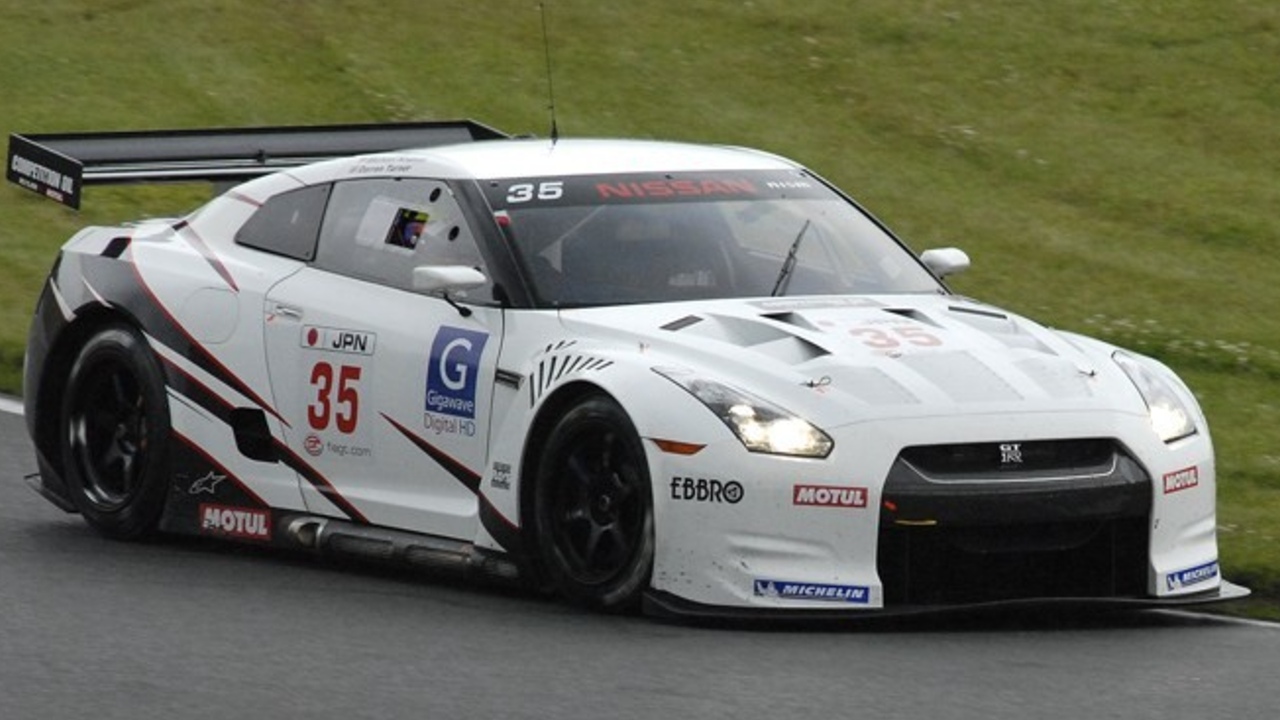
The 2009 Nissan GT-R arrived as a numbers car, but it stayed in the conversation because those numbers translated into humiliation for supercars that cost twice as much. With brutal acceleration, relentless grip, and a price tag that undercut European exotics, it reset expectations for what a modern performance car could deliver. I see its impact most clearly in how it forced rivals to justify their premiums not with lap times, but with emotion and heritage.
Engineering a giant killer, not a garage queen
Nissan did not stumble into this performance; it engineered the GT-R from the ground up as a supercar assassin. The car sat on an all new Premium Midship platform that pushed the engine back in the chassis and used a rear mounted transaxle to balance weight, a layout described in the official 2009 Nissan GT-R press material. That packaging, combined with all wheel drive, meant the car could put down power in conditions that left rear drive exotics spinning their tires. The functional bodywork was shaped with advanced aerodynamics in mind, evoking what the press kit called the lines of a well trained athlete rather than a delicate sculpture, and every vent and crease served cooling or downforce rather than fashion.
Under the hood, the twin turbo V6 was only half the story. Each engine was hand assembled, then paired with a dual clutch automatic transmission that delivered nearly uninterrupted power during shifts, a key reason the car could repeat blistering lap times without drama. Contemporary testing highlighted how the all wheel drive system and a huge array of traction and technical gizmos allowed the Nissan GT-R to use every drop of its output, making full throttle launches feel almost clinical compared with the wheelspin theatrics of traditional supercars. At the time of its release, the GT-R featured launch control and a dual clutch transmission that altered expectations for sports cars, with electronics that worked in the background rather than overwhelming the driver.
Suspension and grip that humbled exotics
Raw power alone does not embarrass cars twice the price; it is the ability to carry that speed through corners that exposes them. The 2009 GT-R used a super lightweight double wishbone front suspension and a rear multi link setup with adjustable Bilstein Damptronic shocks, a combination that let it switch from compliant road manners to track ready stiffness at the touch of a button. That hardware, tied into the car’s sophisticated stability and torque distribution systems, meant the GT-R could attack a circuit with a level of composure that felt more like a race car on slicks than a road legal coupe on street tires.
On track, the effect was startling. Testers noted that the car’s extra weight seemed to have almost no impact on its straight line speed or its ability to change direction, a trait that made it devastating both on a road course and at a drag strip. The all wheel drive system continuously distributed torque to maximize grip, so even mid corner bumps or damp patches did little to unsettle the chassis. Reviews from the period described how the Nissan GT-R could give a driver of average talent something close to a professional’s pace, with the electronics and suspension quietly cleaning up mistakes rather than punishing them. That blend of forgiving handling and relentless traction is what turned the GT-R from a fast car into a supercar slayer.
Nordschleife proof that the numbers were real
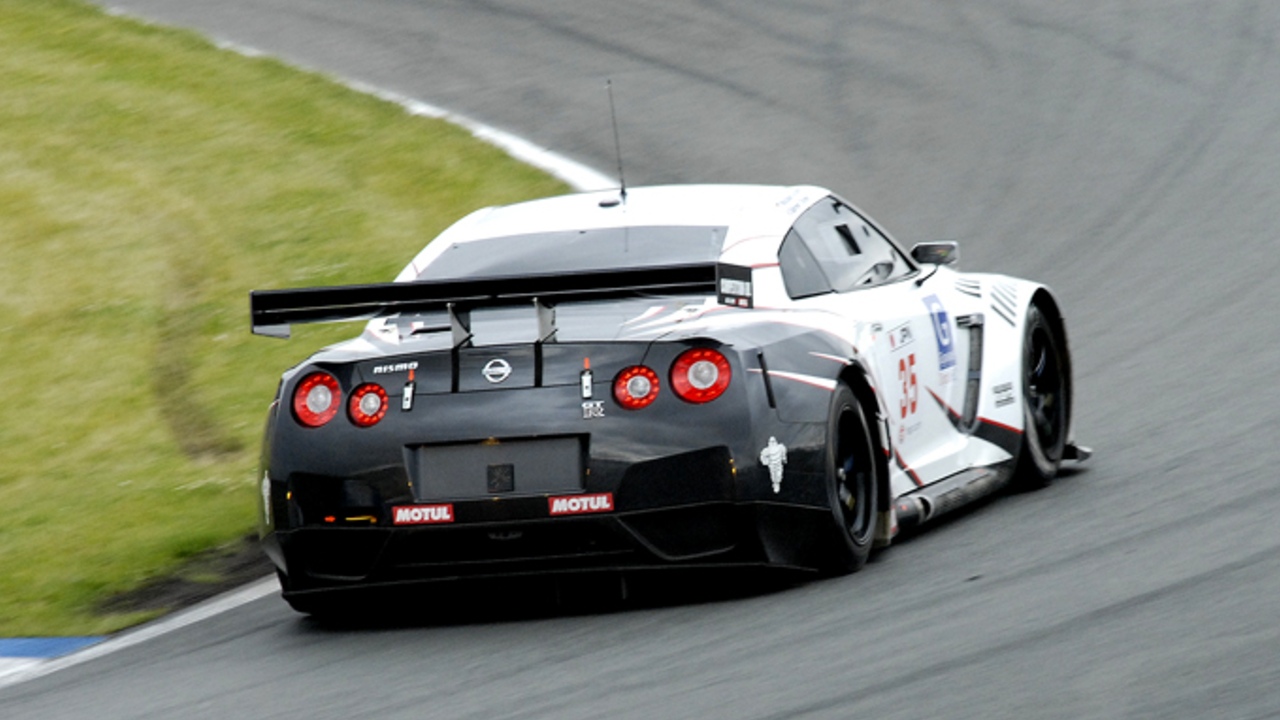
Lap times at the Nürburgring Nordschleife became the GT-R’s calling card, and they were central to its reputation for punching above its price. Nissan announced that the car had achieved a new record lap time at the circuit, highlighting a run that undercut established benchmarks and put the GT-R in the same conversation as far more expensive machinery. Data compiled on the Nissan GT-R at the Nordschleife recorded a 7:26.70 lap, a figure that placed it ahead of revered halo cars and validated the engineering focus on real world performance rather than brochure statistics.
The claim was controversial enough that rivals pushed back. Porsche questioned the time, suggesting the GT-R was significantly slower around the Ring, which in turn prompted Nissan to defend its Nürburgring lap with additional video evidence and detailed explanations of the run. Whatever the debate, independent coverage later noted that the Nissan GT-R lapped the Nordschleife in 7min 26.70sec, a result that compared favorably with icons like the Porsche Carrera GT at 7min 28sec. When a car that cost a fraction of those exotics could match or beat them on one of the world’s toughest circuits, the embarrassment for traditional supercar makers was not theoretical, it was measured in seconds.
Value that exposed the supercar price premium
Performance is only half of why the 2009 GT-R unsettled the establishment; the other half is what buyers paid for it. In its first year in the United States, the all new 2009 Nissan GT-R arrived as a performance legend in Japan and a perennial favorite of video racing gamers finally heading to America. It delivered acceleration, grip, and lap times that lined up with six figure European exotics, yet it did so at a price that undercut many of them by tens of thousands of dollars. For enthusiasts who had grown up racing virtual versions of the car, the idea of getting that level of capability without supercar money was transformative.
That value story has only grown clearer with time. Buying guides now describe the Nissan GT-R R35 as an overlooked supercar, noting that its extra weight did little to blunt its startling straight line speed and that it works as well on a drag strip as it does on a circuit. Commentators urging JDM fans to consider a used Nissan GT-R over newer sports cars point out that The Nissan GT-R turned heads from the factory, combining everyday usability with performance that still embarrasses many newer rivals. When a car can be cross shopped with more modest sports coupes on the used market yet still run with or ahead of exotic machinery, it exposes how much of the traditional supercar premium is about badge and theater rather than objective capability.
From cult hero to enduring “Godzilla” legend
The 2009 GT-R did not appear in a vacuum; it was the latest chapter in a story that began with the Skyline. Histories of the model trace its roots back to the Skyline, those box arched heroes of Japanese touring car racing, and describe how the modern Nissan GT evolved from that lineage into a standalone halo car. The nickname “Godzilla” captured the idea of a Japanese monster that could terrorize established rivals, and by the time the R35 arrived, that mythology had been reinforced by years of dominance in video games and tuner culture. The GT-R, often nicknamed “Godzilla,” is celebrated for its balance of luxury, power, and advanced technology, often competing with supercars at a fraction of the price.
Over its production run from 2009 onward, the Nissan GT-R continued to refine the formula that made the original car so disruptive. Later models added more power and updated electronics, but the core remained the same: a car pre programmed for fast laps, with systems that let ordinary drivers access extraordinary performance. Enthusiast reviews still describe the Nissan GT-R as utilizing every drop of its performance potential, and social media posts highlight builds where The GT is turned into an even more extreme machine, with carbon fiber everywhere and track focused setups that push the platform further. That continuity is why the 2009 model is remembered not just as a quick car from its era, but as the moment Godzilla stepped out of the digital world and forced the supercar establishment to respond.
More from Fast Lane Only: