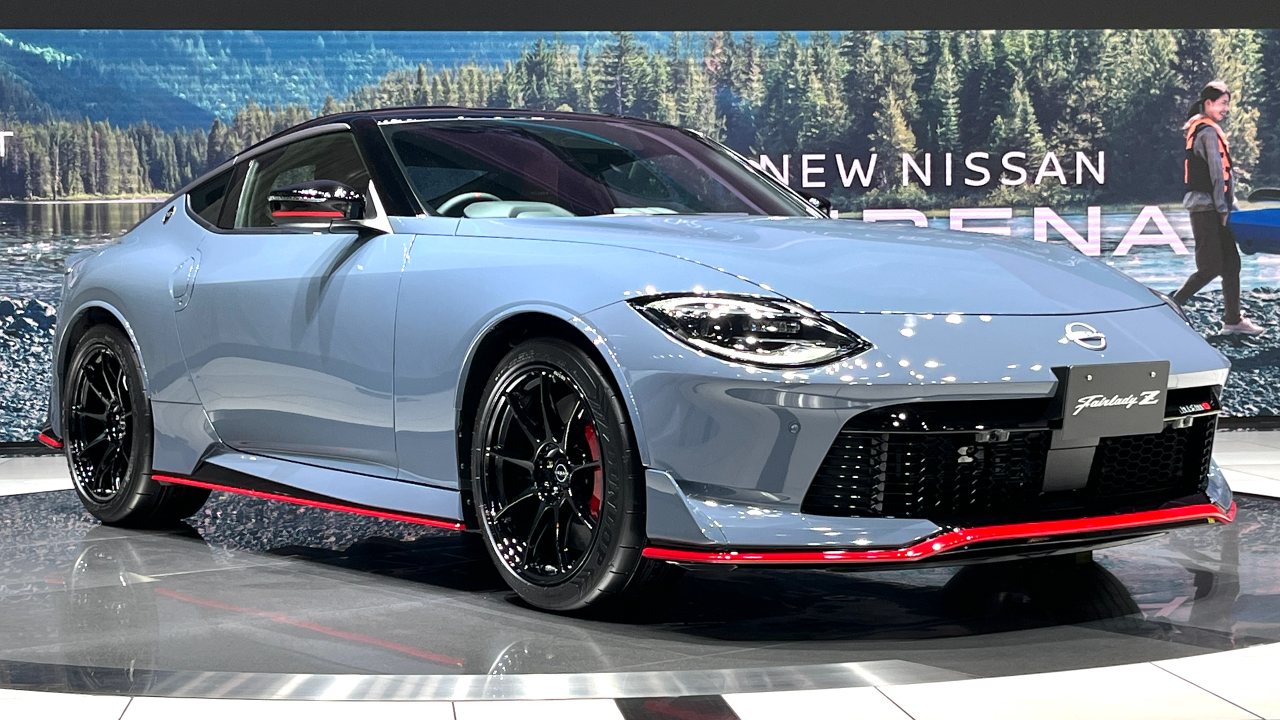
The 2023 Nissan Z arrived as more than a new sports coupe. It was a referendum on whether an old-school, rear-drive, manual-transmission performance car could still matter in a market tilting toward crossovers and electric vehicles. That context meant the reborn Z carried expectations that went far beyond its own spec sheet, from nostalgic fans of the original Z-car to skeptics who saw it as a last stand for affordable combustion thrills.
Those expectations were sharpened by the long life of the 370Z and by rivals that had grown quicker, more refined, and, in some cases, cheaper. When Nissan finally pulled the wraps off the new model, enthusiasts were not just judging a single car, they were measuring whether a Japanese icon could still feel relevant in an era of turbocharged hot hatches and track-focused pony cars.
The weight of Z-car history and a shrinking sports-car niche
The Z nameplate carries more than five decades of heritage, so any new version arrives with built-in pressure to honor that lineage while moving the story forward. The 2023 car leaned heavily into that legacy, with styling that deliberately echoed classic cues and a cabin layout that kept analog dials and a traditional driving position. Reviewers noted that the company was clearly Aware of the emotional pull of the original cars and tried to channel that into a package that would resonate with long-time fans as well as younger drivers who knew the badge mainly from games and social media. That historical weight meant missteps would not be forgiven easily, especially after the 370Z lingered on sale for years with minimal changes.
At the same time, the broader market for two-door performance cars has been contracting, particularly in the sub-$40 segment that once defined attainable fun. One early drive report framed the new Z as a response to shrinking attention spans for relatively affordable sports cars, with the Japanese brand trying to squeeze as much visual drama and performance as possible into a package that could still be cross-shopped with mainstream coupes. That context helps explain why the car’s design and powertrain choices were scrutinized so closely: enthusiasts understood that if a heritage model like this could not justify its place in showrooms, the case for future combustion sports cars would be even harder to make.
How pricing and performance raised the bar before launch
Even before customers could drive it, the 2023 Z was being judged against a set of expectations shaped by its predecessor and by rivals from Detroit and Japan. In enthusiast discussions, some buyers assumed that the new car would be “worse but cheaper” than more focused track machines, essentially a stylish, slightly softer alternative that undercut them on price. That assumption did not hold once pricing and specs emerged, and it created friction among shoppers who had penciled in the Z as a budget-friendly option. When the final numbers landed closer to established performance coupes, the car suddenly had to justify itself on lap times and hardware, not just on looks and nostalgia.
Formal testing reinforced that dynamic. One detailed first test pointed out that When Nissan finally redesigned its Z sports car, the bar for the 370Z’s replacement had actually lowered in some respects, because the outgoing car had grown dated in both performance and refinement. Yet the new model still had to contend with modern benchmarks that offered similar or better acceleration, chassis tuning, and track durability. That meant any shortfall in cooling, braking, or steering feel was magnified, because buyers were no longer comparing the Z only to its own past, but to a field of contemporary coupes and sedans that had quietly raised expectations for what a performance car at this price should deliver.
Fan hopes, early criticism, and the “disappointment” narrative
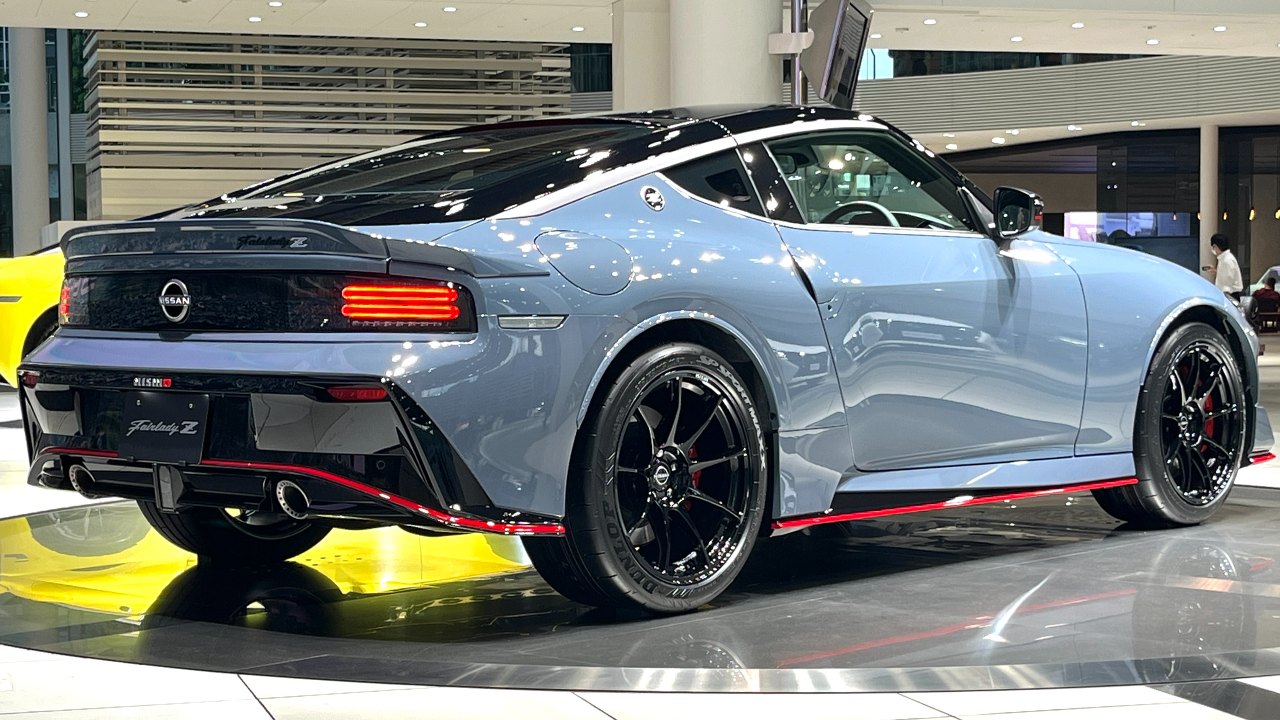
Long before the first customer deliveries, online communities were already debating whether the new Z could live up to the hype. On enthusiast forums, one detailed thread argued that the program felt rushed, with the author suggesting that the company had “dropped the ball” on making electric vehicles aspirational and then pivoted back to a combustion sports car without fully resolving its development compromises. That same discussion compared the Z directly with mid-engine and high-performance rivals, framing it as a car that might struggle to match the polish of more expensive machinery while still carrying a premium price tag. The tone of those conversations seeded an early narrative that the car might be a “disappointment” if it did not dramatically outperform the aging 370Z in every measurable way.
Once cars reached reviewers and early adopters, that skepticism evolved into more specific critiques. Some owners who loved the exterior styling and the twin-turbo V6 still described themselves as “overall disappointed” that the underlying platform and interior felt closer to a heavy refresh than a clean-sheet design. Others pointed to issues like heat management and track durability, echoing a widely shared video that framed the 2023 model as having “one big problem” in sustained hard use. In parallel, a separate Reddit discussion asked bluntly why the Nissan was disliked, with commenters citing Dealer markups, concerns that Its track performance was not strong enough for the price even at MSRP, and comparisons to alternatives like a Camaro LT1 that could be had for less. Together, those threads show how quickly a car can acquire a reputation problem when expectations are sky-high and early feedback is mixed.
Cheap thrills, real-world strengths, and the case for being “underrated”
Against that backdrop of criticism, a different strand of commentary focused on what the Z actually does well. Several reviewers highlighted that the car delivers the kind of “cheap thrills” that made earlier generations beloved, with a strong turbocharged punch, rear-wheel drive, and a manual gearbox that encourages drivers to seek out back roads rather than lap records. One detailed review described the car as predictable and intuitive in everyday driving, noting that while its absolute track pace might lag some rivals, that trade-off did not matter much in the real world. The emphasis was on how the car feels from behind the wheel, not on shaving tenths at a circuit, and that perspective resonated with buyers who valued engagement over ultimate numbers.
Later analysis went further, asking whether the Z was a flop or simply underrated. That piece pointed out that the wider market has shifted toward SUVs and electric vehicles, which naturally limits the sales potential of a two-door sports coupe. It also noted that supply constraints and pricing pressures affected the car’s perceived value, especially once markups pushed it out of reach for some of the enthusiasts it was meant to attract. Yet the same reporting acknowledged that the model maintains a dedicated following, suggesting that within its niche, the car delivers on its promise of accessible performance and character. In that light, the heavy expectations look less like a fair benchmark and more like a reflection of how much emotional weight enthusiasts placed on a single model to carry the torch for traditional sports cars.
Why expectations were always going to be hard to meet
Looking across the reactions, I see a pattern that explains why the 2023 Z felt burdened from the start. It was asked to be a heritage tribute, a modern performance bargain, a track-ready weapon, and a halo product for a brand navigating a shift toward electrification, all at once. Enthusiast forums that had spent years imagining a clean-sheet successor were always going to be sensitive to signs of cost-cutting or platform carryover, and early threads that framed the program as rushed or compromised set a tone that later reviews struggled to dislodge. When some owners then reported frustrations with heat management or interior aging, those anecdotes slotted neatly into a preexisting story that the car had not gone far enough beyond the 370Z.
At the same time, the broader market context meant that even a well-executed sports coupe would face headwinds. As one analysis of the car’s sales performance noted, the shift toward crossovers and electric vehicles has reduced the appeal of traditional two-door models, and that trend also affected the price point and availability of the Z. Enthusiast complaints about Dealer markups and comparisons to alternatives like a Camaro LT1 show how sensitive this segment is to perceived value, especially when buyers can cross-shop powerful sedans and coupes that offer more space and similar performance. In that environment, the Z’s mission was always going to be delicate: deliver enough nostalgia and driving joy to satisfy purists, while convincing a new generation that a compact, rear-drive coupe still deserves a place in a garage dominated by practical, high-tech vehicles.
More from Fast Lane Only: