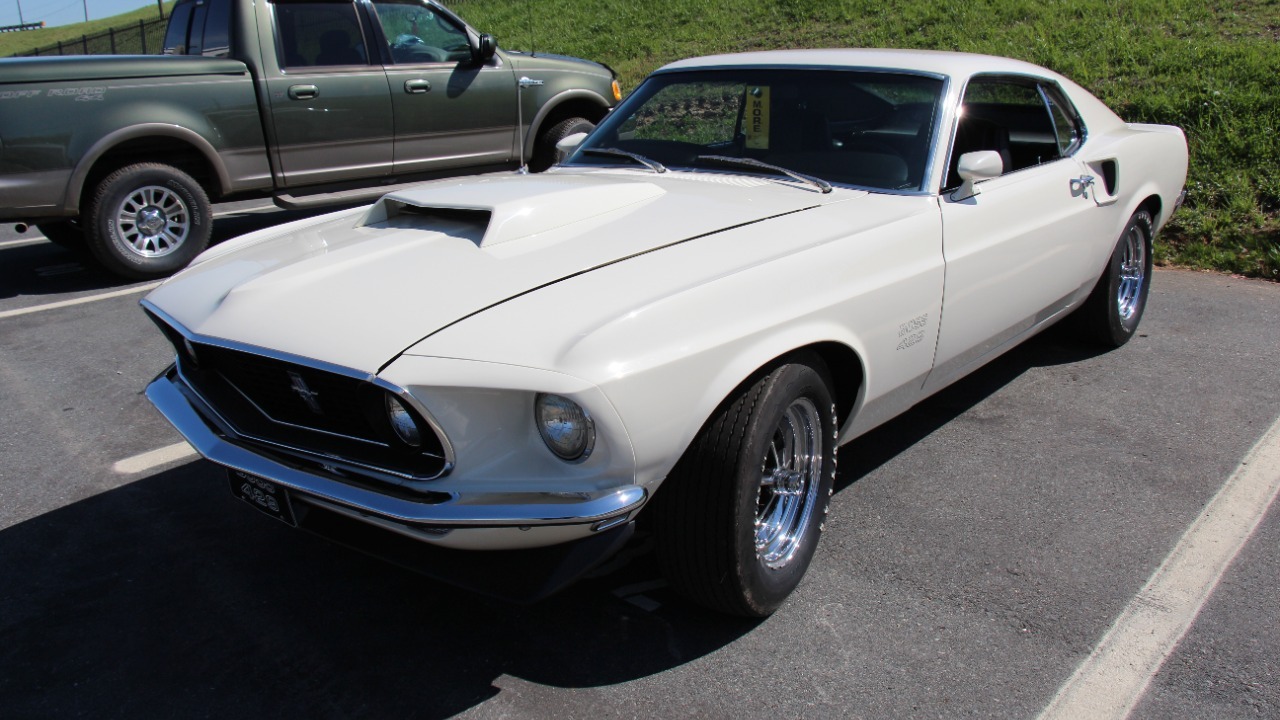
In the late 1960s, Ford’s ambitious plans for high-performance vehicles led to the development of the iconic Boss 429 Mustang. However, internal debates and concerns nearly halted the production of this legendary muscle car. Understanding the factors that influenced these decisions provides valuable insights into automotive history and corporate dynamics.
The Rise of the Muscle Car Era
The 1960s marked a significant turning point in American automotive culture, with the muscle car era taking off in full swing. This period was characterized by the rise of high-performance vehicles that offered not just speed but also a sense of freedom and rebellion. The Ford Mustang, introduced in 1964, quickly became a symbol of this movement, appealing to the youthful demographic that craved power and style. As competitors like General Motors with their Chevrolet Camaro and Chrysler with the Dodge Charger began to gain traction, Ford recognized the urgent need to maintain its competitive edge in this burgeoning market.
Ford’s performance division, which was responsible for developing high-performance models, played a crucial role in shaping the Boss 429. The division was tasked with creating vehicles that could stand toe-to-toe with the likes of the Pontiac GTO and the various offerings from Dodge and Chrysler. The muscle car trend was not merely about horsepower; it was about creating a visceral driving experience that resonated with a generation eager for excitement. Thus, the stage was set for the Boss 429 to emerge as a formidable contender in this fierce automotive landscape.
Development of the Boss 429 Engine
The Boss 429 was equipped with a revolutionary engine that marked a significant departure from traditional Ford designs. The heart of the beast was its 429 cubic inch HEMI engine, capable of producing over 500 horsepower, which was a staggering figure for the time. This engine was not just powerful; it was a testament to the engineering prowess of Ford, incorporating features such as aluminum cylinder heads and a unique intake design that maximized airflow. The decision to use the HEMI engine was influenced by the need to compete with the powerful offerings from Chrysler, which had already established a reputation for high-performance engines.
However, the integration of such a large engine into the Mustang chassis was fraught with challenges. The Mustang was designed as a sporty coupe, and fitting the HEMI engine required significant modifications. Collaborating with Kar Kraft, a small engineering firm that specialized in high-performance vehicles, Ford faced numerous engineering hurdles, including ensuring proper weight distribution and cooling. The process was exhaustive, but it was this dedication to innovation that would ultimately define the Boss 429.
Executive Concerns and Internal Debates
Despite the excitement surrounding the Boss 429, not all Ford executives were on board with its production. Concerns over the financial implications of producing a niche vehicle that catered to a specific segment of the market were paramount. With the automotive landscape evolving rapidly, there were fears that the investment might not yield the expected returns. The potential for profitability was hotly debated, with some executives advocating for a more practical approach. They questioned whether the muscle car craze would endure or if it was merely a passing fad.
Moreover, the changing market landscape posed additional challenges. As the 1970s approached, stricter emission regulations were on the horizon, and many within Ford worried that the Boss 429 might be unable to meet these new standards. The divide among Ford executives regarding performance versus practicality created a tense atmosphere. Some believed that the allure of high-performance vehicles would dissipate in the face of rising fuel costs and environmental concerns, while others felt that Ford should seize the moment and embrace the muscle car trend. The internal debates reflected a larger struggle within the automotive industry to balance innovation and responsibility.
Market Positioning and Consumer Demand
Consumer interest in high-performance vehicles was at an all-time high during the late 1960s. Young buyers were drawn to the idea of owning a car that offered not only speed but also a sense of identity. Ford’s market research indicated a growing demand for powerful cars, particularly among the youth demographic. The Boss 429 was positioned as a flagship model within the Mustang lineup, intended to be the ultimate expression of performance and style.
However, the expected sales figures for the Boss 429 were a topic of considerable scrutiny. Ford executives compared the projected sales of the Boss 429 against other models in the Mustang lineup, such as the Boss 302 and the Mach 1. While the Boss 302 offered a more balanced approach to performance and practicality, the Boss 429 was seen as a more niche product. Ultimately, the decision to move forward with production hinged on the ability to capture the imagination of consumers and solidify Ford’s reputation as a leader in high-performance automobiles.
Final Decision and Production Insights
After extensive discussions and evaluations, Ford ultimately decided to proceed with the production of the Boss 429. This decision was not made lightly; it came after weighing the potential risks and rewards. The Boss 429 would be produced in limited numbers, with only around 1,300 units manufactured, making it one of the rarest Mustangs in history. This exclusivity would later contribute to its legendary status among collectors and enthusiasts.
The legacy of the Boss 429 is profound. It not only represented a high point in Ford’s performance history but also showcased the company’s willingness to take risks in uncertain times. Reflections from executives and engineers involved in the decision-making process reveal a mixture of pride and apprehension. They recognized that the Boss 429 would not only define a generation of muscle cars but also leave an indelible mark on Ford’s brand identity.
Legacy of the Boss 429 and Its Impact on Ford
The cultural significance of the Boss 429 in the muscle car era cannot be overstated. It became a symbol of American automotive performance, embodying the spirit of the late 1960s. The car’s striking design, combined with its raw power, made it a favorite among enthusiasts and collectors alike. Today, the Boss 429 is celebrated not just as a car but as a piece of American history that represents a time when performance was king.
Moreover, the Boss 429 influenced future Ford performance models and branding strategies. The lessons learned during its development helped shape subsequent models, ensuring that Ford remained competitive in the performance market. The Boss nameplate would later return with models like the Boss 302, showcasing the brand’s commitment to high-performance vehicles.
Today, the collectibility and value of the Boss 429 continue to rise, with pristine examples fetching astronomical prices at auctions. The car is not just a relic of the past; it is a reminder of a time when American muscle reigned supreme, and it serves as a benchmark for performance enthusiasts. As I reflect on the saga of the Boss 429, it underscores the complex interplay of innovation, market dynamics, and corporate decision-making that shaped the automotive landscape of the 1960s.
More from Fast Lane Only
- Unboxing the WWII Jeep in a Crate
- 15 rare Chevys collectors are quietly buying
- 10 underrated V8s still worth hunting down
- Police notice this before you even roll window down
*Research for this article included AI assistance, with all final content reviewed by human editors.