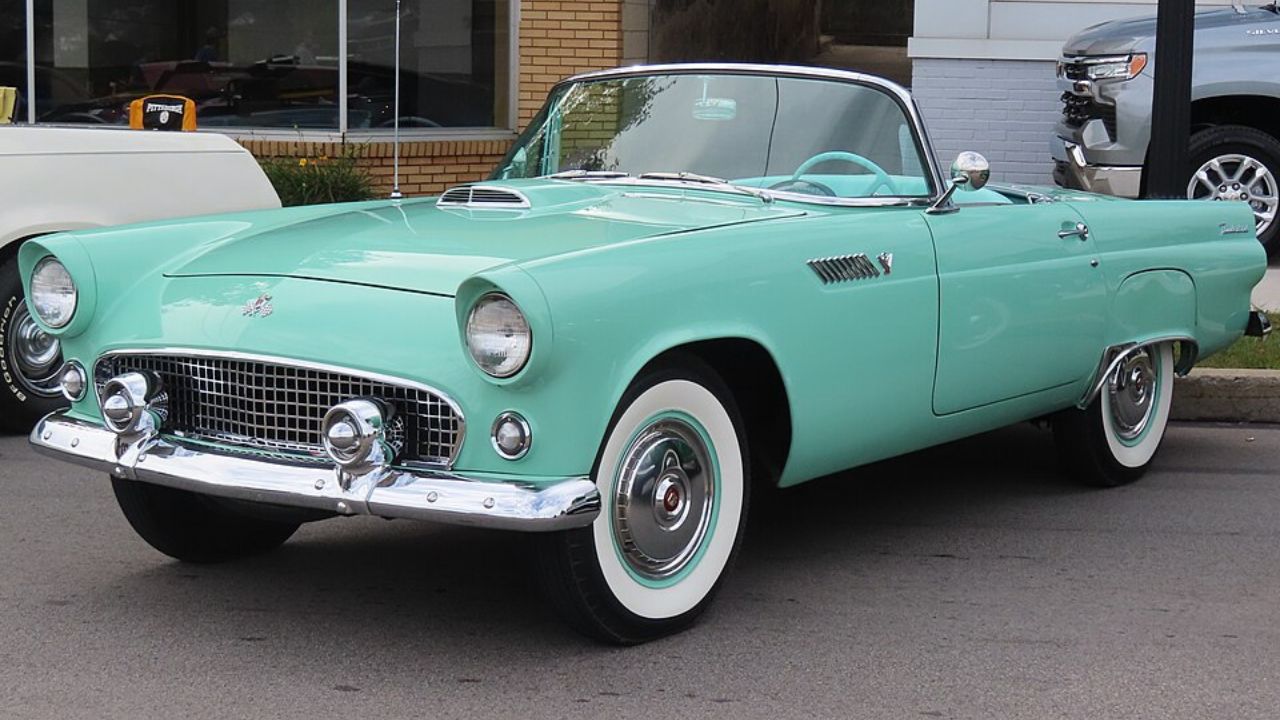
The Ford Thunderbird arrived at a time when American buyers were searching for something different from traditional automobiles. Instead of focusing only on practicality or pure performance, Ford created a vehicle that combined style, comfort, and excitement. The Thunderbird introduced a new category of personal luxury cars and changed how manufacturers approached premium vehicles for decades.
A New Type of American Automobile
When Ford introduced the Thunderbird in 1955, the company wanted to compete with the growing popularity of European sports cars. However, Ford recognized that many American buyers wanted more than a lightweight performance machine. They wanted a vehicle that offered excitement while still providing comfort and convenience.
The original Thunderbird featured a two-seat layout, elegant styling, and a powerful V8 engine. Unlike many sports cars of the era, it included features such as roll-up windows, comfortable seating, and a refined interior that made it suitable for everyday driving.
Ford positioned the Thunderbird as a personal car rather than a dedicated racing machine. This decision helped it appeal to a broader audience and created a new market segment.
The Thunderbird showed that luxury and performance could successfully exist together in one automobile.
Comfort Became Just as Important as Performance
While early sports cars focused heavily on handling and speed, the Thunderbird emphasized the overall driving experience. Ford understood that many customers wanted a vehicle that felt special during normal use, not just during high-performance driving.
The Thunderbird offered smooth power delivery, premium materials, and a comfortable cabin that separated it from traditional sports cars. It became a vehicle designed for cruising, long-distance travel, and enjoying the journey.
This philosophy influenced the development of future luxury cars. Manufacturers began recognizing that buyers valued personality, comfort, and exclusivity as much as horsepower.
The Thunderbird helped prove that a premium vehicle did not need to be extreme to be desirable.
The Personal Luxury Market Was Born
The success of the Thunderbird surprised Ford and competitors across the industry. Strong demand encouraged other manufacturers to create similar vehicles that combined sporty styling with upscale features.
Over time, the Thunderbird evolved into a larger and more luxurious coupe, moving further away from its sports car origins. Although some enthusiasts preferred the original performance-focused approach, the later versions helped establish the personal luxury segment.
Cars such as the Buick Riviera, Oldsmobile Toronado, and Chevrolet Monte Carlo followed a similar formula, offering stylish designs and comfortable interiors aimed at buyers seeking something more exclusive than ordinary sedans.
The Thunderbird’s influence reshaped the direction of American luxury vehicles.
A Legacy That Changed Automotive Design
The Ford Thunderbird became one of the most important cars in American automotive history because it introduced a completely new idea. It showed that buyers wanted vehicles built around lifestyle, image, and personal enjoyment rather than only transportation needs.
Its success encouraged automakers to create more specialized vehicles designed around specific customer desires. The concept of the personal luxury car remained popular for decades and influenced how manufacturers approached premium models.
Collectors continue celebrating early Thunderbirds for their elegant styling and historical importance. The car represents a moment when Ford changed the industry by understanding what buyers wanted before many competitors did.
The Thunderbird changed luxury cars forever because it proved that comfort, style, and performance could combine to create an entirely new automotive experience.
More from Fast Lane Only
- Unboxing the WWII Jeep in a Crate
- 15 rare Chevys collectors are quietly buying
- 10 underrated V8s still worth hunting down
- Police notice this before you even roll window down
*Research for this article included AI assistance, with all final content reviewed by human editors