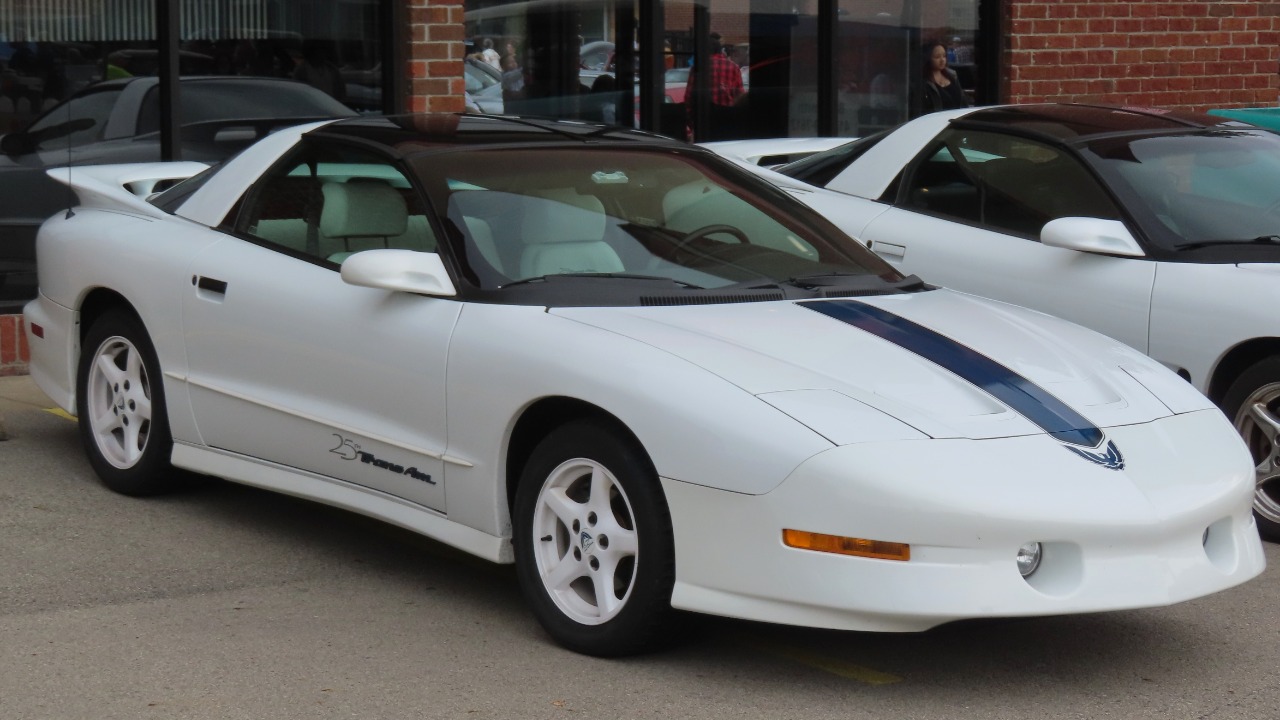
The Pontiac Firebird has been a symbol of American muscle since its inception in the 1960s. With its sleek design and powerful performance, many models stand out in automotive history. As a car enthusiast, I believe there are specific Firebirds that deserve special recognition for their impact on the market and the driving experience they offer.
1970 Pontiac Firebird Trans Am

The 1970 Pontiac Firebird Trans Am is often celebrated as one of the finest muscle cars of its era. With a 400 cubic inch V8 engine, it produced a whopping 335 horsepower, allowing it to dominate the streets. Its distinctive hood scoops and vibrant color options make it an iconic choice among collectors. The 1970 model also introduced the famous “screaming chicken” graphic, further cementing its status in pop culture.
Aside from its performance, the 1970 Trans Am has a historical significance that attracts enthusiasts. It was a key player in the Trans Am racing series, showcasing Pontiac’s commitment to performance. This blend of racing heritage and street prowess ensures that the ’70 Trans Am remains a must-have for any serious collector. For more insights into its legacy, check out this detailed analysis.
1976 Pontiac Firebird Formula 400
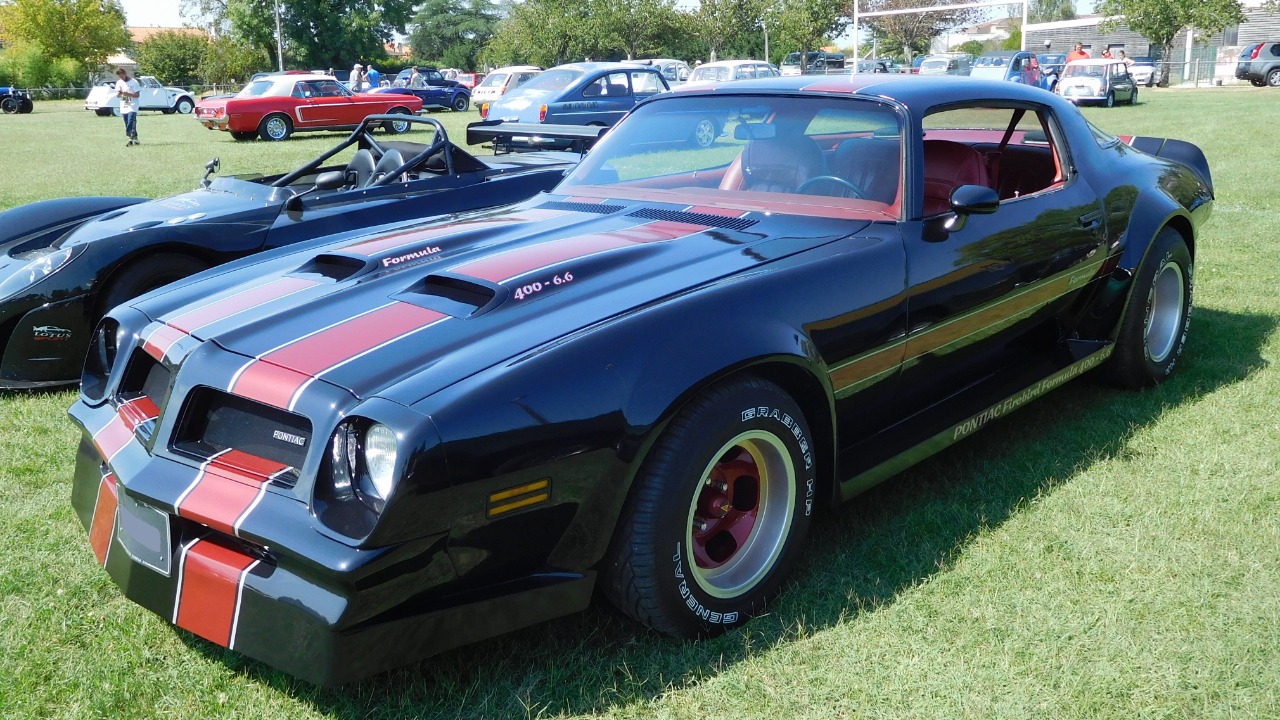
The 1976 Pontiac Firebird Formula 400 is a classic example of how the Firebird evolved throughout the 1970s. With its powerful 400 cubic inch V8 engine, it offered a balance of performance and comfort. The Formula package provided enhanced handling capabilities, making it more appealing to driving enthusiasts who enjoyed cornering and responsiveness. Its sporty appearance, with a functional hood scoop and distinct graphics, also caught the eyes of many.
This model stood out during a time when fuel economy was becoming increasingly important. Despite the oil crisis, the Formula 400 managed to retain a strong following due to its performance capabilities. Today, it represents a bridge between classic muscle and the changing automotive landscape of the time. For more information about its significance, I recommend reading this comprehensive resource.
1987 Pontiac Firebird GTA
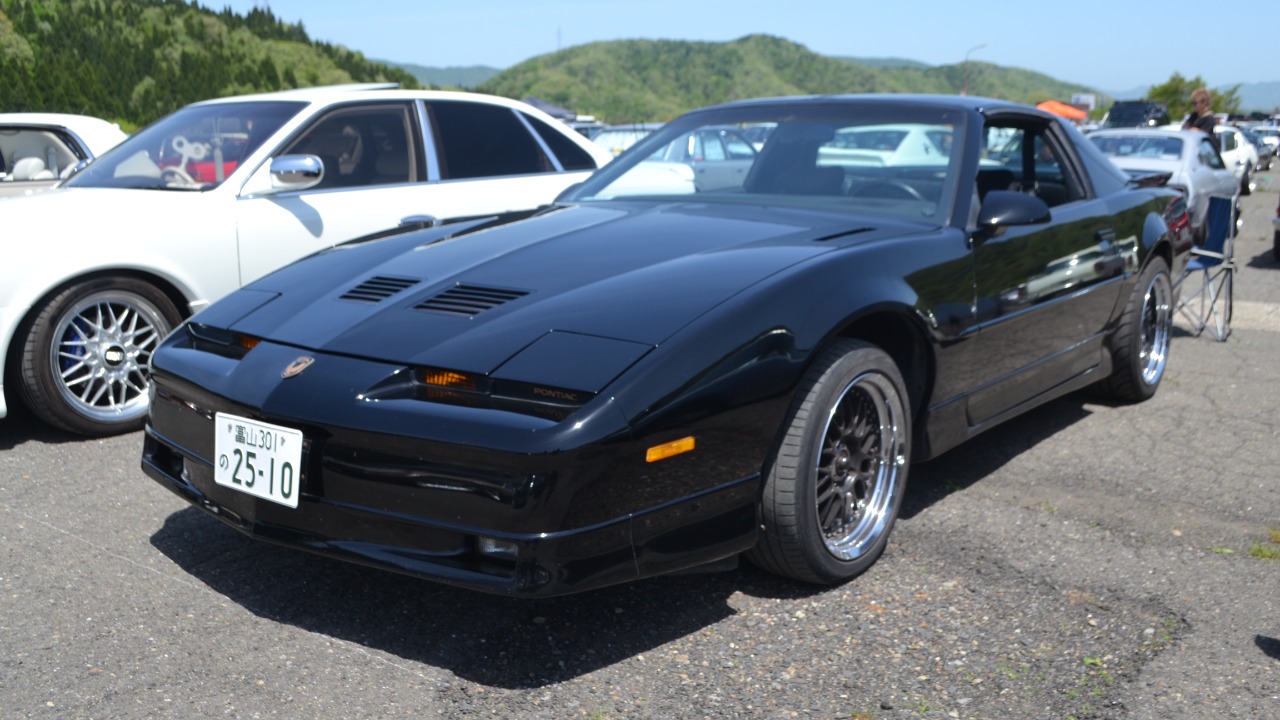
The 1987 Pontiac Firebird GTA is a standout due to its combination of performance and refinement. Equipped with a 5.7-liter V8 engine, it delivered impressive power and acceleration, making it a favorite among enthusiasts. The GTA package included features like a tuned suspension and larger brakes, enhancing its performance on both the street and the track. Its aerodynamic design and bold graphics also added to its appeal.
The 1987 model year marked a significant shift in the Firebird lineup, as it embraced a more modern aesthetic while still paying homage to its muscle car roots. Many collectors appreciate the GTA for its unique blend of luxury and performance, making it a sought-after classic. To see some amazing examples, check out this Instagram reel.
1994 Pontiac Firebird 25th Anniversary Edition
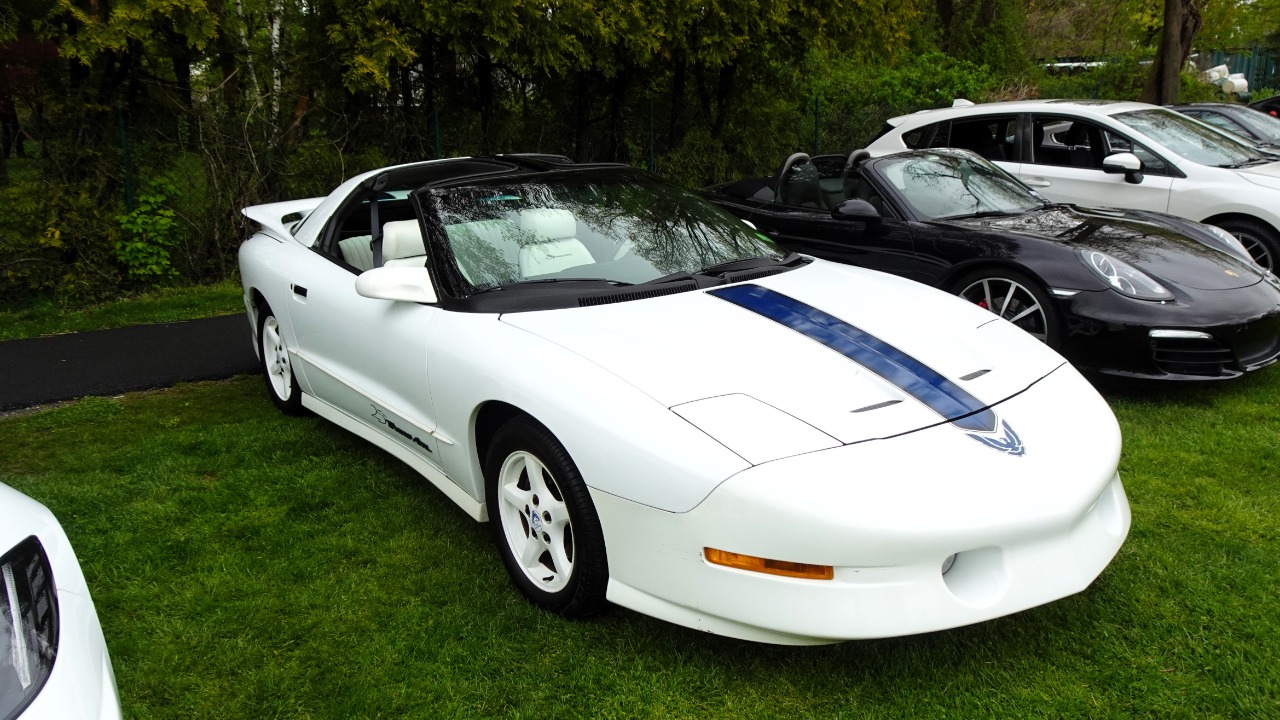
The 1994 Pontiac Firebird 25th Anniversary Edition is a celebration of the Firebird’s legacy. With only 1,500 units produced, this special edition featured a distinctive white exterior with blue and red stripes, paying homage to its racing heritage. Under the hood, it came equipped with a powerful 5.7-liter LT1 engine, providing the performance that enthusiasts crave.
This model is often remembered for its unique styling and limited production, making it a collector’s dream. The 25th Anniversary Edition encapsulates the spirit of the Firebird, blending performance and iconic design. For those interested in learning more about its impact, check out this academic article that delves into its significance in automotive history.
The Iconic 1977 Trans Am
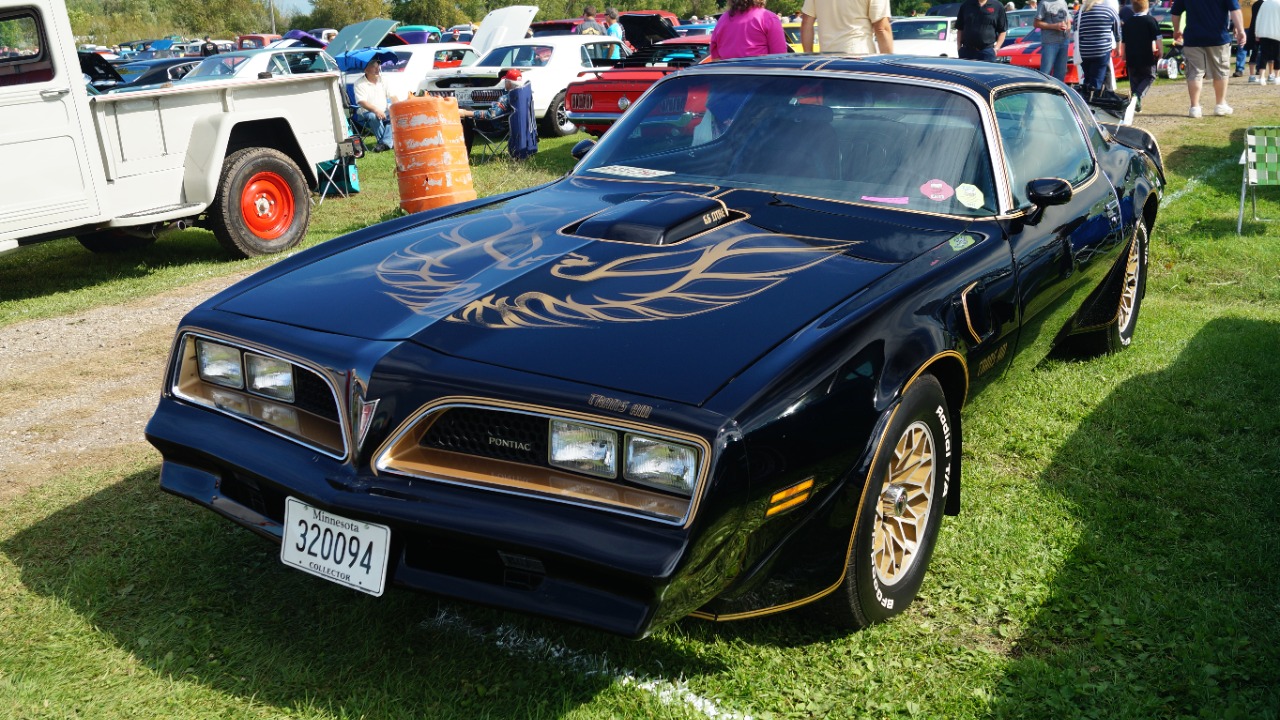
The 1977 Pontiac Trans Am stands out as a symbol of American muscle and performance. With its distinct “screaming chicken” hood decal and a sleek silhouette, this model was a defining moment for the Firebird line. Under the hood, the 6.6-liter V8 engine delivered impressive horsepower, making it a favorite among speed enthusiasts.
Many collectors seek out this year due to its combination of power, style, and nostalgia. The 1977 model also gained fame through its appearances in various media, cementing its status in pop culture.
2002 Pontiac Firebird Trans Am Collector’s Edition
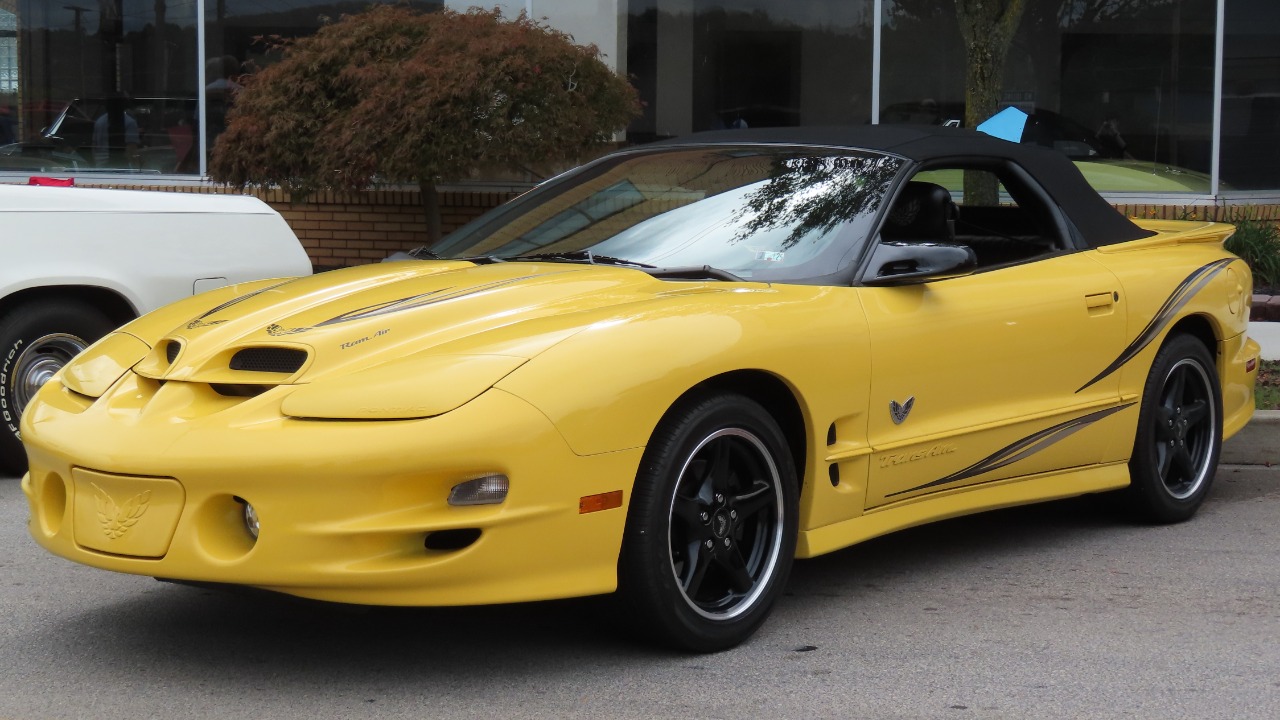
The 2002 Pontiac Firebird Trans Am Collector’s Edition is a fitting tribute to the Firebird’s legacy as the model came to a close. Limited to just 2,000 units, it featured a striking yellow paint job with distinctive graphics and special badging. Powered by a robust 5.7-liter LS1 V8, it offered 325 horsepower, ensuring exhilarating performance.
As one of the final models before Pontiac’s discontinuation, the Collector’s Edition holds immense sentimental value for fans of the brand. Its combination of rarity and performance solidifies its place in the hearts of collectors. Many enthusiasts view it as a classic that encapsulates the essence of the Firebird, embodying both style and speed.
1969 Pontiac Firebird
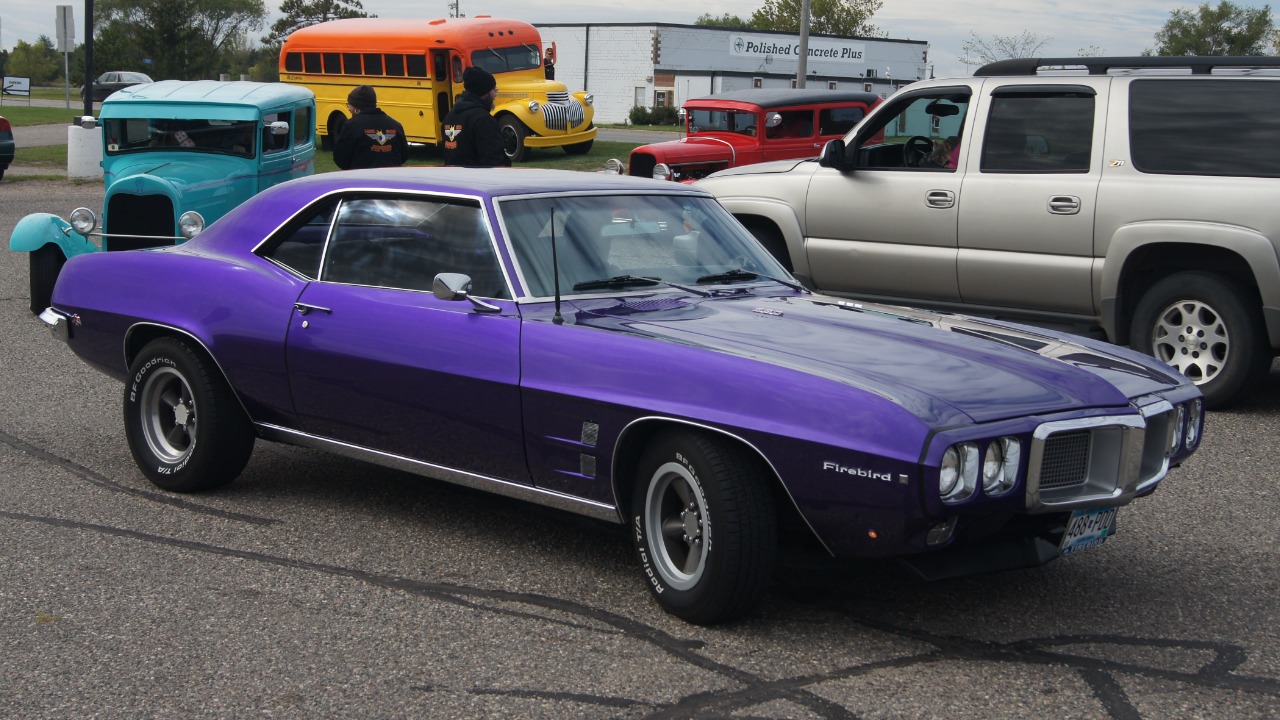
The original 1969 Pontiac Firebird is a classic that set the stage for future generations. With its sleek lines and aggressive stance, it quickly became a contender in the muscle car market. Offering a variety of engine options, including the powerful 400 cubic inch V8, it provided ample horsepower for an unforgettable driving experience.
The 1969 Firebird’s design was groundbreaking, featuring a long hood and short rear deck that appealed to car enthusiasts. Its racing pedigree also contributes to its allure, as it was developed during a time when performance was paramount. Collectors value the ’69 Firebird for its historical significance and role in establishing Pontiac as a leader in the muscle car arena. For more details on its legacy, visit this Facebook post that highlights its importance.
The Rare 1980 Turbo Trans Am
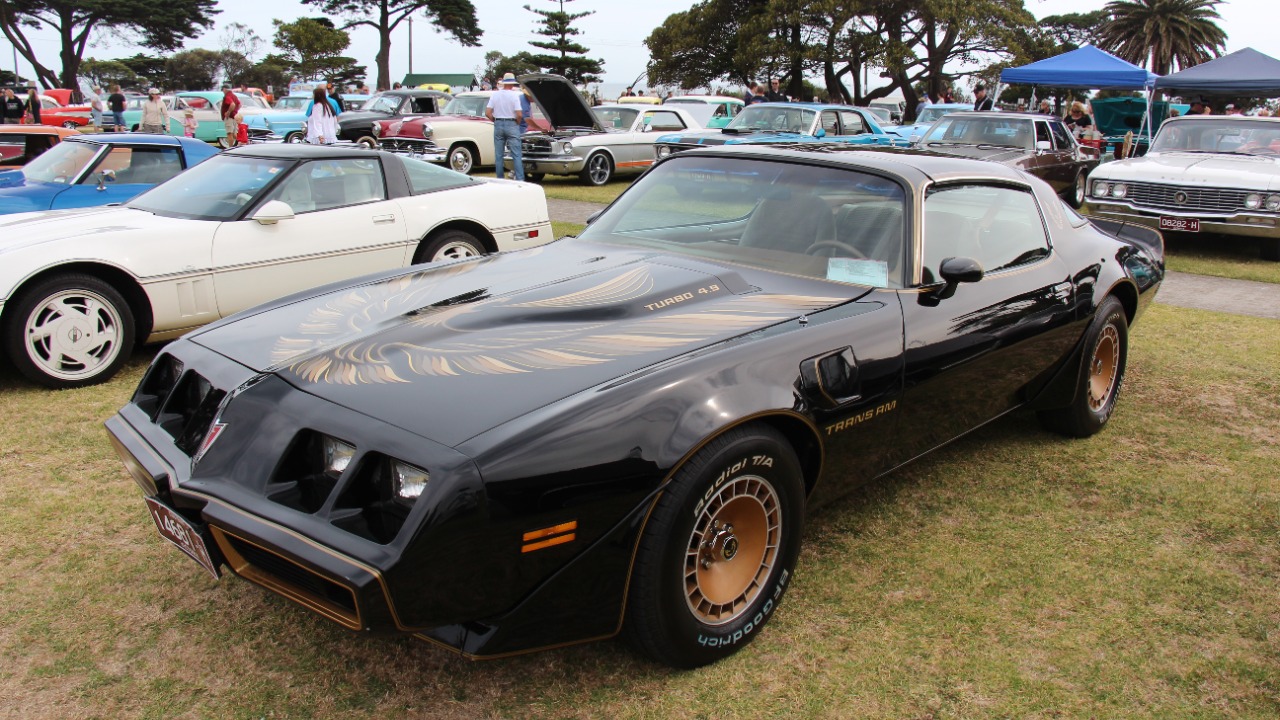
The 1980 Turbo Trans Am is a rare find in the world of Firebirds, with only about 5,000 units produced. This model introduced a turbocharged engine, which was a significant technological advancement for its time.
The 4.9-liter V8 engine generated considerable power while maintaining fuel efficiency, making it an attractive option in the face of tightening emissions regulations. Collectors value the Turbo Trans Am not just for its rarity but also for its pioneering role in performance technology.
The 1995 Firebird: A Modern Classic
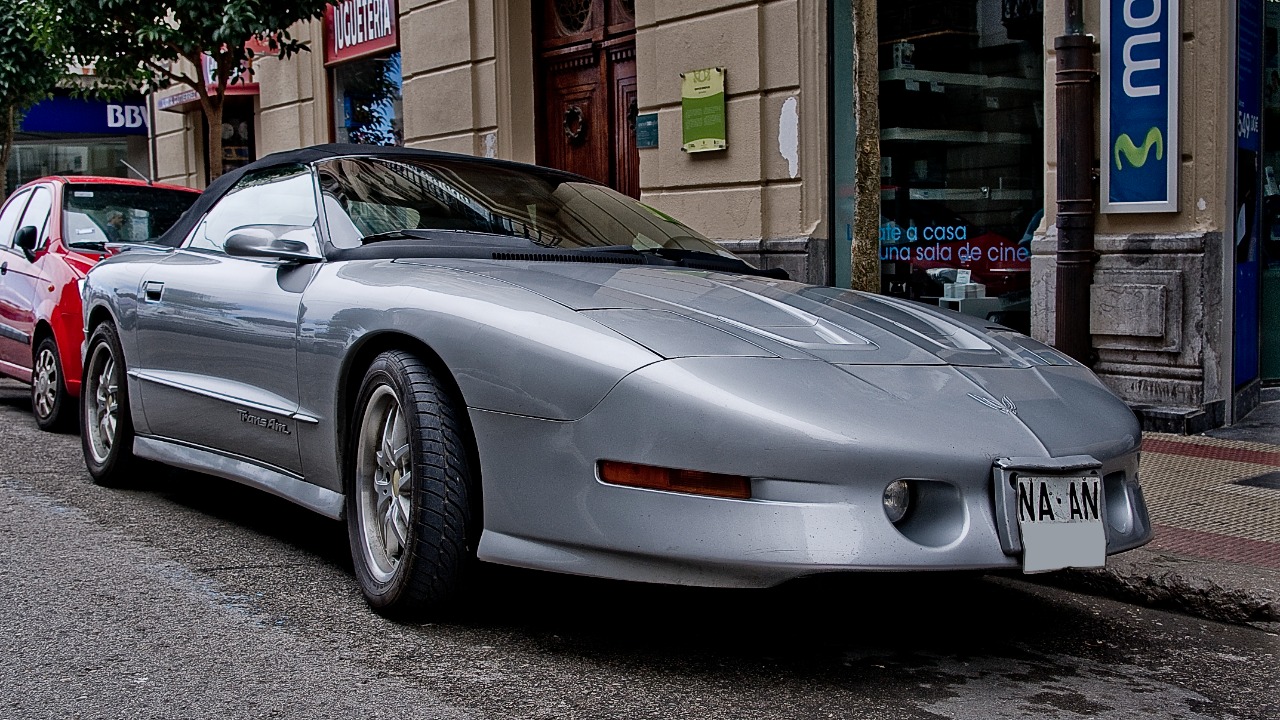
The 1995 Pontiac Firebird is part of the fourth generation and represents a significant evolution in design and technology. With a sleeker, more aerodynamic profile, it offered updated performance features and a more comfortable interior. The introduction of the LS1 engine in the later models provided a substantial boost in horsepower, making it a favorite among performance seekers.
This generation also maintained the Firebird’s commitment to sporty handling, making it an excellent choice for both cruising and spirited driving. Collectors value the 1995 models for their blend of classic Firebird characteristics and modern amenities, ensuring their place in automotive history.
More from Fast Lane Only
- Unboxing the WWII Jeep in a Crate
- 15 rare Chevys collectors are quietly buying
- 10 underrated V8s still worth hunting down
- Police notice this before you even roll window down
*Research for this article included AI assistance, with all final content reviewed by human editors.