The Hellcat Redeye didn’t show up because the world needed it. It showed up because Dodge refused to quit while things were still burning. With 797 horsepower, a supercharger the size of a small turbo diesel, and a chassis barely hiding its age, the Redeye is as over-the-top as it sounds—and that’s exactly the point.
It wasn’t built to be balanced or practical. It exists because Dodge found a way to turn leftover Demon parts into a street-legal missile. Here’s why the Hellcat Redeye happened—and why it still matters.
Dodge Wanted to Bridge the Gap

The standard Hellcat made 707 horsepower. The Demon made 840 on race fuel. The Redeye filled the space between—797 hp on pump gas, no parachute required. It gave Dodge something crazier than the Hellcat without stepping fully into drag-strip territory.
It uses the Demon’s 2.7L supercharger instead of the Hellcat’s 2.4L, and redlines at 6,500 rpm. With an 8-speed auto and 3.09 final drive, it does 0–60 in 3.4 seconds. Dodge didn’t build it just because they could—they built it because people kept asking what was next.
It Was a Way to Recycle Demon Hardware
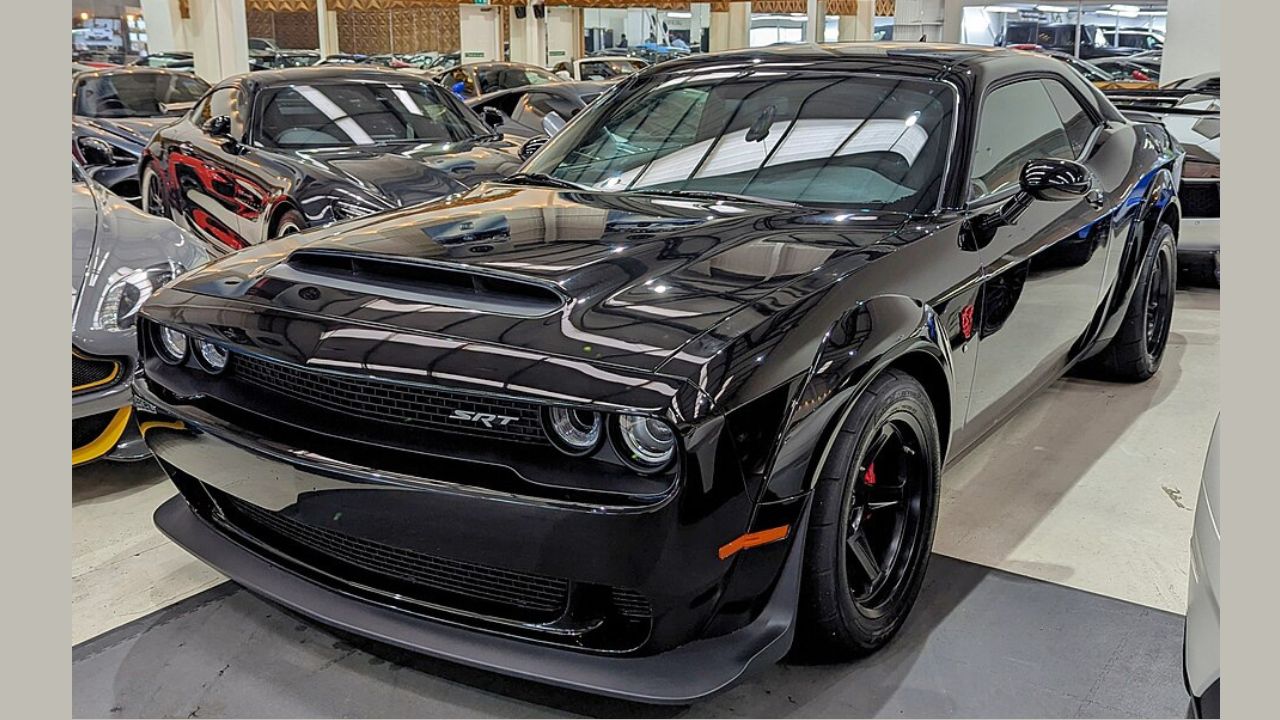
Only 3,300 Demons were built, and their parts were too good to scrap. Dodge repurposed the supercharger, SRT Power Chiller, and high-strength internals for the Redeye, making use of existing supply chains.
This wasn’t just badge engineering. The Redeye uses a forged steel crankshaft, high-strength rods, and pistons designed for extreme cylinder pressure. It also inherited the Demon’s dual fuel pumps and larger intake. It was a parts-bin build, but it was a smart one.
It Gave Dodge Something to Market
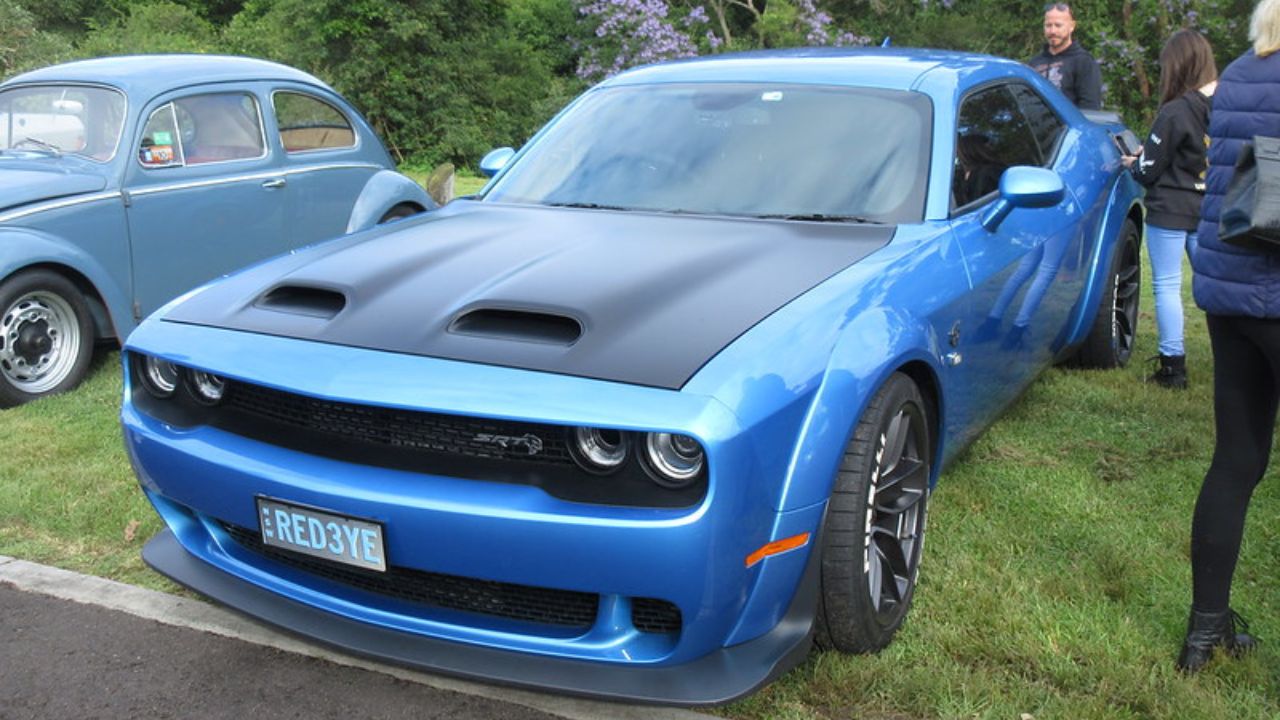
By 2019, the Challenger platform was more than a decade old. Dodge needed headlines, not a full redesign. The Redeye gave them that—nearly 800 horsepower and quarter-mile times in the 10s straight off the lot.
The car played perfectly into Dodge’s image of unapologetic power. It came with widebody options, vented hoods, and a launch control system. Whether or not most buyers used it that way, it gave the brand a spotlight it wouldn’t have earned otherwise.
It Was the Street-Legal Demon

The Demon was too much for the street—no passenger seat, skinny front tires, race gas tuning. The Redeye gave people 90% of the Demon’s performance in a car you could live with daily.
It came with standard front and rear seats, real tires, and didn’t need a crate of drag gear to run. On the street, the Redeye is actually faster in some hands—more stable, better tires, and less setup. It gave Dodge a street weapon without track-day baggage.
It Gave Buyers an Outrageous Halo Car
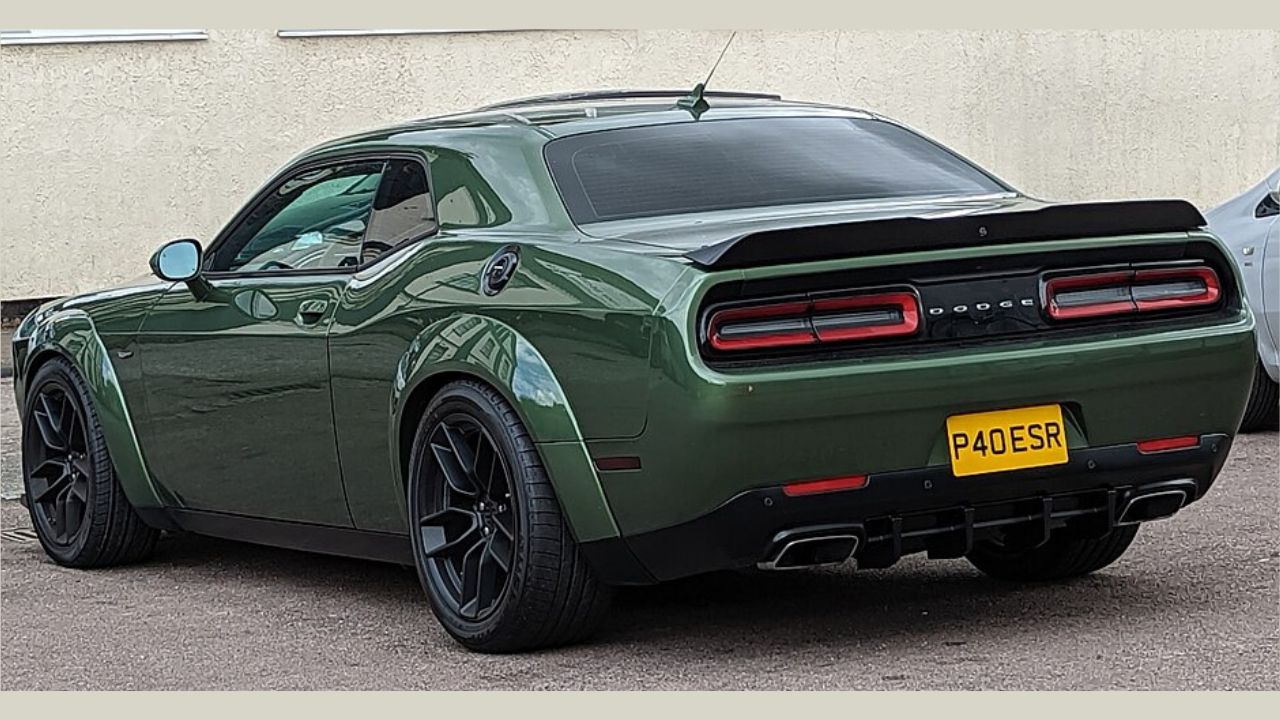
The Redeye isn’t cheap, but it’s far less expensive than any other 800-horsepower car with a warranty. That gave Dodge something to lure in buyers—even those who ended up with a Scat Pack or regular Hellcat.
It made the Challenger lineup feel bigger and bolder, and for some people, just knowing it existed was enough. Dealers had a performance benchmark to talk about, even if they only sold a few. And that alone helped boost the brand’s muscle car image.
It Let Dodge Go Out Swinging

The Redeye arrived just as V8s were entering the final chapter. With emissions tightening and electrification looming, Dodge leaned into the madness while it still could. This was horsepower with a deadline.
There’s no subtlety here—just a 4,500-pound brick pushing 797 hp and screaming through a 2.7L blower. It wasn’t built for sustainability—it was built to burn rubber before the curtain closed. The Redeye let Dodge leave a smoky burnout mark in history.
It Fed the Aftermarket
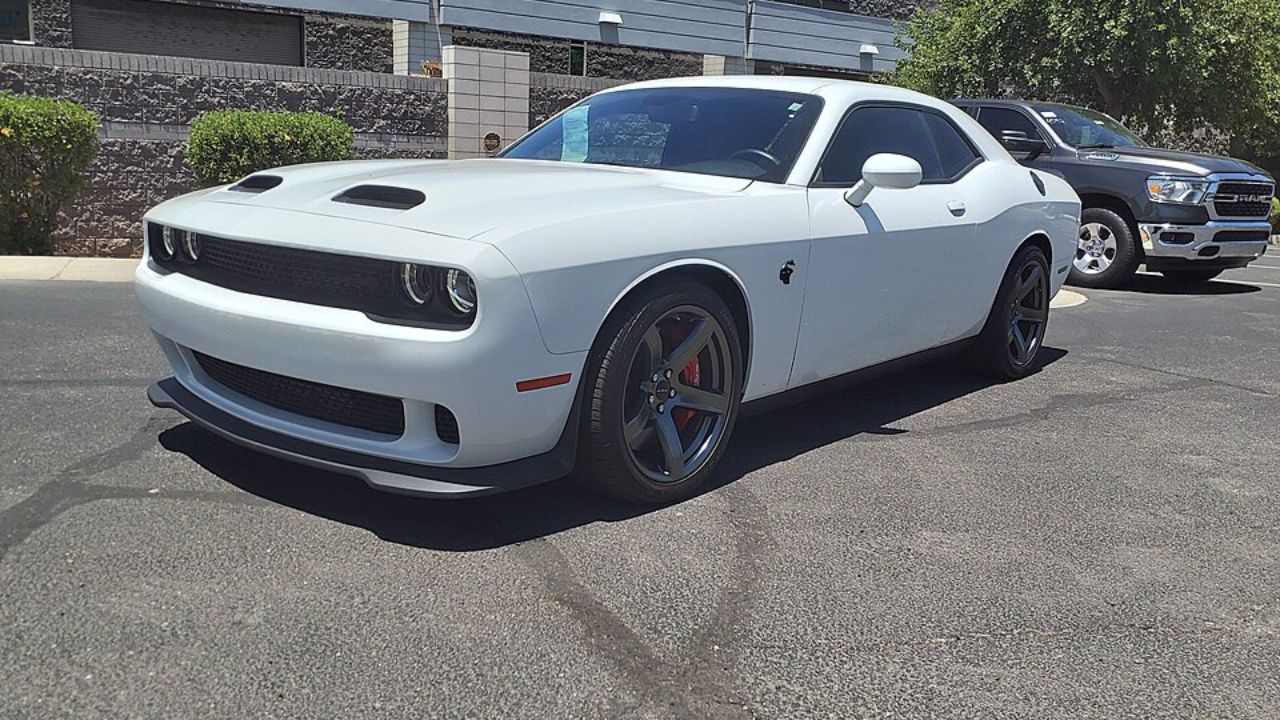
A factory car making nearly 800 horsepower gave the aftermarket something serious to build from. Tuners were hitting 900 or even 1,000 hp on pump gas with basic mods. That helped the Redeye become a cornerstone in the modern street scene.
Upgraded injectors, pulleys, cooling mods, and tuning could unlock power fast. And because the Redeye had beefed-up internals from the factory, it could actually handle it. It wasn’t just a fast car—it was a platform.
It Was a Challenger That Could Actually Handle

Most Challengers feel like missiles in a straight line and cruise ships in corners. But the Redeye, especially in Widebody form, tightened that gap. With 305-section tires, stiffer bushings, and better balance, it felt surprisingly composed.
No, it’s not a canyon carver. But on a wide road or airstrip, the Redeye holds its own. Launch assist, electronic stability programs, and torque reserve helped make it usable—even if you were pushing four figures in horsepower.
It Helped Move a Lot of Challengers
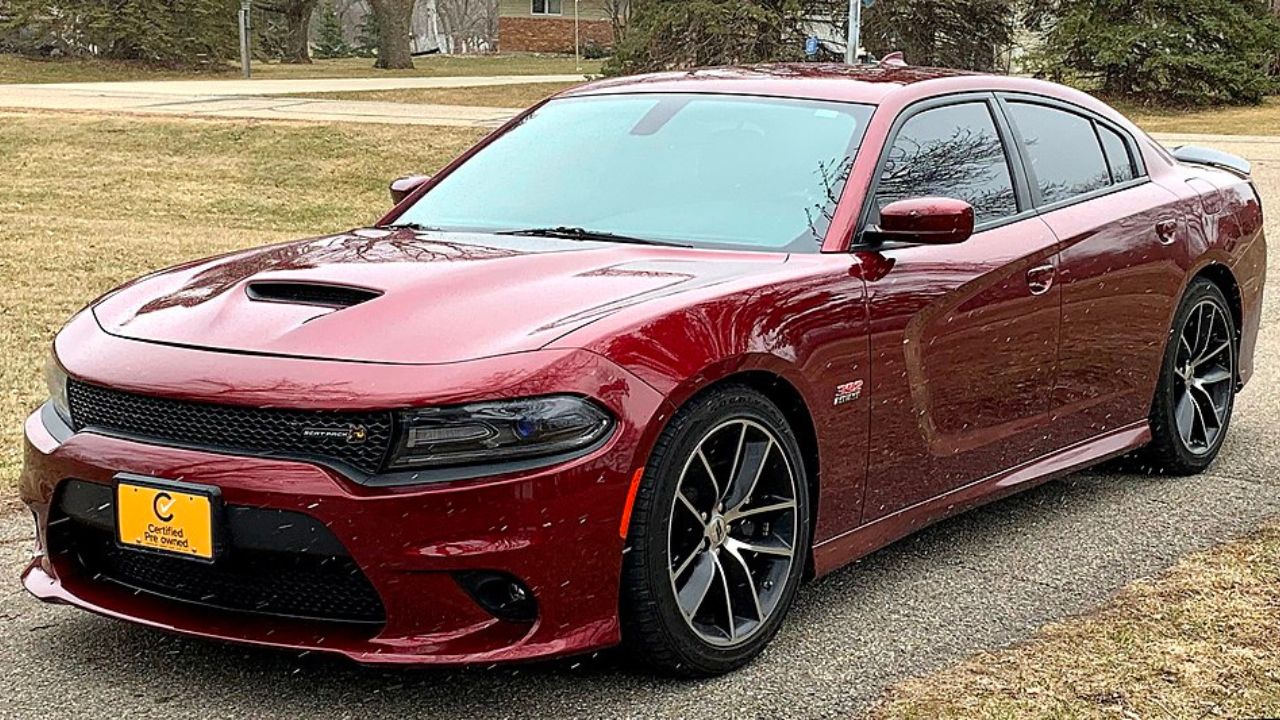
For every Redeye sold, Dodge sold multiple Scat Packs and standard Hellcats. The high-horsepower halo helped Dodge push buyers toward more manageable (and profitable) trims. The Redeye’s presence alone helped build the brand’s image.
People came for the headlines—then settled for something cheaper but still quick. The Redeye was aspirational, even if only a few could justify owning one. In marketing terms, it worked exactly as intended.
It Proved There Was Still a Market for Madness
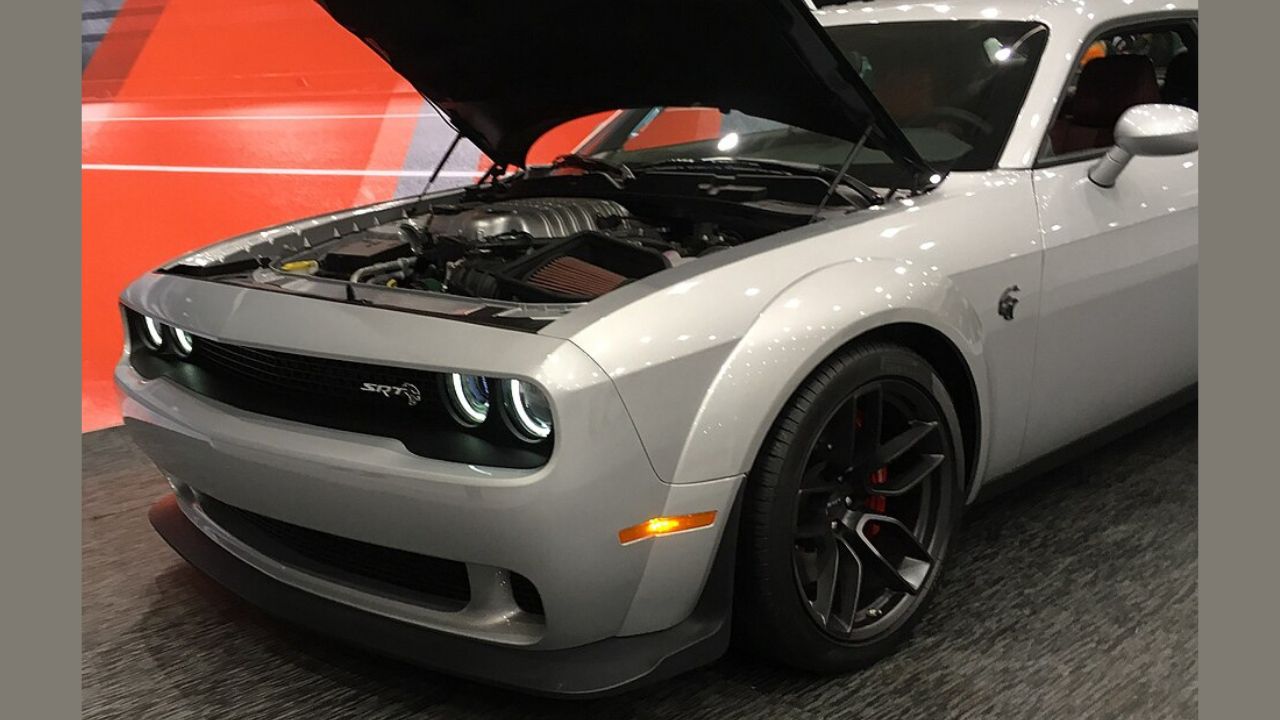
The Redeye showed that in a world of hybrid commuters and EV crossovers, there was still room for a car that made no excuses. It was loud, heavy, rear-wheel-drive, and unapologetically excessive.
It didn’t care about Nürburgring times or track-day finesse. It cared about going fast in a straight line and scaring the guy in the next lane. In that sense, the Redeye wasn’t just a car—it was a message. Dodge heard the clock ticking and answered with noise.
Like Fast Lane Only’s content? Be sure to follow us.
Here’s more from us:
*Created with AI assistance and editor review.