The Mercedes 300SL is now seven decades removed from its debut, yet the car still behaves like fresh news whenever one comes to market. Values keep resetting, collectors keep outbidding one another, and a coupe or roadster that once seemed like a museum piece now functions as a real-time barometer for the top of the classic car world.
I see that enduring frenzy as the product of three intertwined forces: genuine racing pedigree, radical engineering, and a market that has treated the 300SL as a blue-chip asset almost from day one. Seventy years on, the car still sits at the crossroads of design, technology, and money in a way very few classics can match.
From race winner to road icon
The 300SL did not begin life as a glamorous boulevard cruiser, it started as a purpose-built competition machine that had to win races before it could win over collectors. Its story, as detailed in reporting on The Racing Roots Of The 300 SL, begins on the track, where lightweight construction and advanced engineering were developed for endurance events before being adapted to the road. That competition-first origin is crucial, because it means every road-going 300 carries the DNA of a factory racer rather than a styling exercise.
By the time the production 300SL arrived, it was already framed as a kind of victory lap for the brand, a way to bring race technology to wealthy private owners. Later analysis of the model’s legacy, published on Dec 3, 2024, underscores how the car’s motorsport background and meticulous development work still shape its reputation as a serious driver’s machine rather than a static sculpture. When collectors fight over a 300SL today, they are not just buying a pretty coupe, they are buying a direct link to that early competition program and the engineering intensity that went into its creation.
Engineering that still feels advanced
Even stripped of its racing backstory, the 300SL would stand out for the way it fused style with technology that was far ahead of its contemporaries. Reporting on the car’s mechanical package notes that it was Ahead Of Its Time With a 3.0 Liter Inline Six that turned a glamorous coupe into a genuinely fast grand tourer. That engine, paired with a lightweight chassis and sophisticated suspension, gave the 300SL performance that still feels usable and engaging on modern roads.
Period testing backs up that impression. Contemporary coverage cited in a later market analysis notes that Road & Track in 55 recorded the coupe at 1,229 kg (2,710 lb) and measured a sprint from zero to 97 km/h in 7.4 seconds, figures that put it firmly in the top tier of 1950s performance cars. Those numbers are not just trivia for spec sheets, they explain why owners still drive these cars on rallies and tours instead of hiding them away. The engineering gives the 300SL a depth of ability that keeps it relevant long after most contemporaries have become fragile curiosities.
Design that defined an era
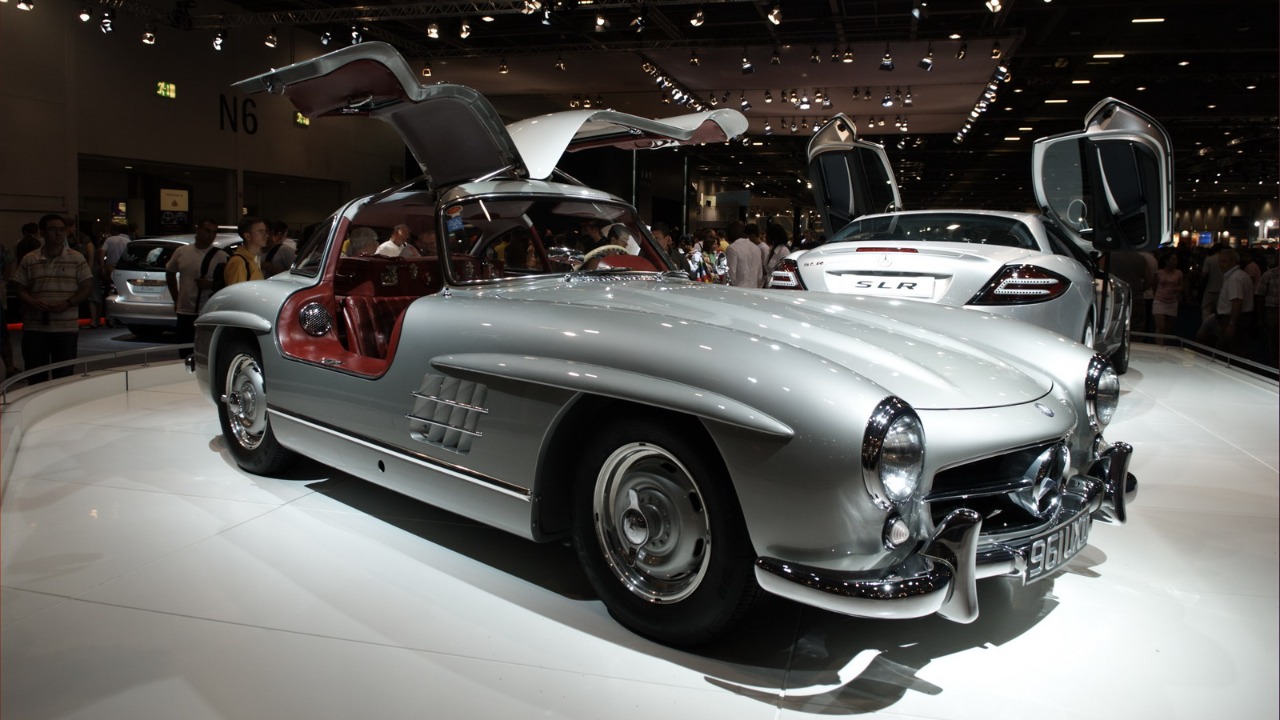
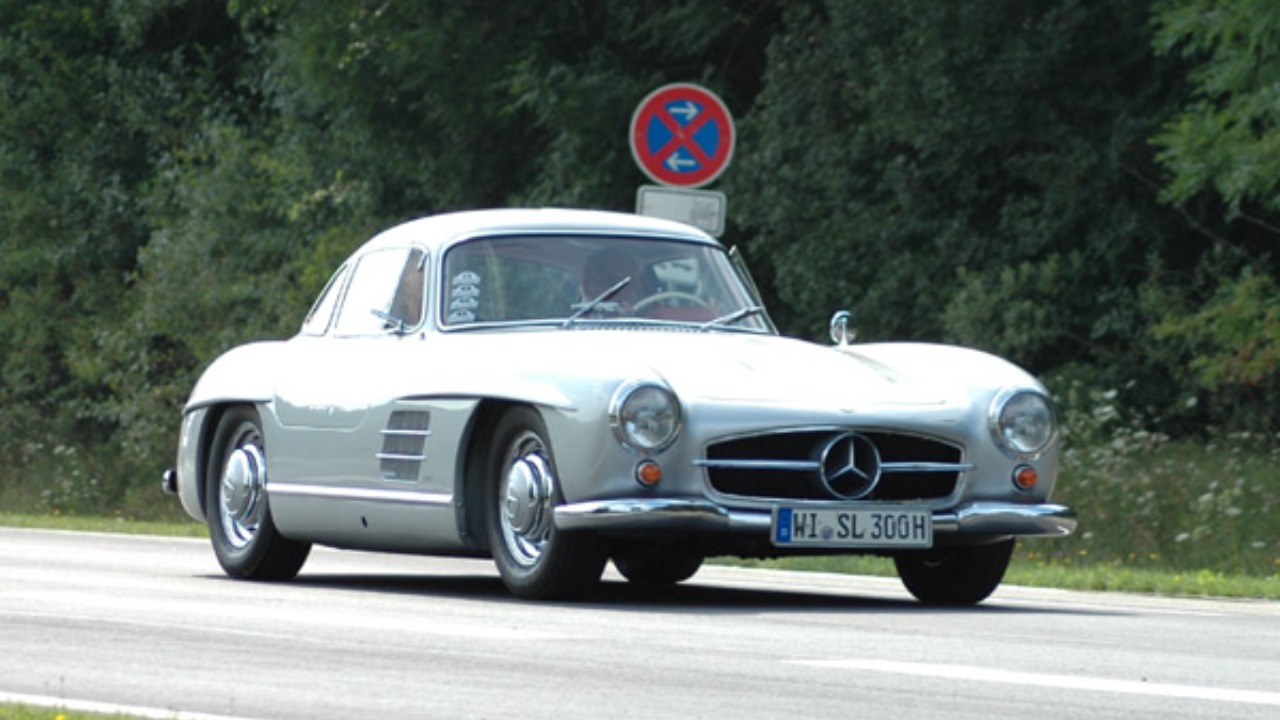
The 300SL’s engineering might win over racers and engineers, but its shape is what made it a cultural reference point. The signature gullwing doors, the long hood, and the low, almost delicate greenhouse created a silhouette that enthusiasts still rank among the most beautiful cars ever built. One enthusiast-focused review of a 1954 coupe simply calls the Mercedes-Benz 300SL Gullwing and an absolute icon, a sentiment that has echoed through decades of coverage and auction catalogues.
That visual impact is not just about nostalgia. A later deep dive into the model’s place in automotive history describes how the Three Pointed Star of Mercedes Benz found one of its purest expressions on the 300 SL, turning the car into a rolling symbol of postwar optimism and technical confidence. That combination of instantly recognizable form and brand significance means the 300SL photographs well, anchors museum exhibits, and still looks modern enough to sit comfortably next to contemporary supercars, all of which feeds its desirability among collectors who care as much about presence as performance.
Production rarity and the appeal of discovery
Underneath the glamour, the 300SL’s production numbers help explain why demand so often outstrips supply. A detailed Production Summary of the model notes that the 300 SL Production History covers both the Gull Wing and Roadster, all built in Sindelfingen, Germany. While the exact totals are not spelled out in the summaries at hand, the framing makes clear that these were never mass-market cars, but carefully assembled halo models produced in limited quantities.
That scarcity is amplified by the way individual cars can vanish for decades and then reappear, igniting fresh excitement. A factory account of a long-hidden example describes how a Mercedes Benz 300 SL, built from 1954 and shown in a post dated Aug 6, 2019, emerged as an “ultimate hidden treasure,” with the note that it was a luxury sports car produced by Mercedes Benz from 1954 to 1963. Stories like that barn discovery, or later coverage of a separate Gullwing Barn Find Is Worth $10 Million, reinforce the idea that there might always be one more significant 300SL waiting in a garage or warehouse. That possibility keeps collectors alert and adds a treasure-hunt dimension to the car’s appeal.
Why the market treats the 300SL as a benchmark
Few classic cars have been as consistently valuable as the 300SL, and that stability has turned it into a reference point for the wider collector market. An analysis of price trends, published on Oct 28, 2021, argues that the model helps Watch the Entire Collector Car Market, because it has been treated as a blue-chip asset almost since new. When a 300SL sells for a surprisingly high or low number, analysts read it as a signal about confidence at the top of the hobby.
More recent reporting reinforces that view. A focused look at the car’s Collectibility, dated Mar 14, 2022, describes the 300SL as the most iconic car ever to wear the Mercedes Benz logo and notes that it has been highly sought after and expensive for years. Valuation tools focused on a 1956 Mercedes Benz 300SL Gullwing explain that typical sale prices vary widely depending on condition and history, but also highlight that the average of the last three years reached $3,410,000. Those figures show why the car is treated less like a discretionary toy and more like a long-term store of value.
Record sales and the psychology of “must-have” status
Headline-grabbing auction results have turned the 300SL into shorthand for serious money, and each new record sale seems to pull the rest of the market upward. A recent example came when a 1956 Mercedes Benz 300 SL Alloy Gullwing, described as the star of The Junkyard auction, sold for a staggering $9,355,000 US in a post dated Oct 25, 2024. That figure did not just reward one seller, it reset expectations for rare-specification cars and reminded buyers that special 300SLs can command modern hypercar money.
At the other end of the narrative spectrum, coverage of a separate discovery titled This Mercedes 300 SL Gullwing Barn Find Is Worth Million describes a car valued at $10 Million, underlining how originality, provenance, and rarity can combine to produce eight-figure estimates. When enthusiasts see those numbers, the 300SL stops being just a dream car and becomes a kind of financial legend. That psychology, where buyers fear missing out on the next big sale, helps explain why bidding can turn combative whenever a particularly pure or rare example crosses the block.
Craftsmanship, culture, and why the 300SL still matters
Beyond the spreadsheets and auction headlines, the 300SL endures because it represents a particular moment in automotive culture when craftsmanship and pedigree were central to a car’s identity. A recent video profile, dated Jun 5, 2025, puts it plainly, noting that, In the world of classic cars, the Mercedes 300SL represents a time when craftsmanship and pedigree mattered more than fleeting trends. That framing captures why the car resonates with younger enthusiasts who never saw one new, but recognize the depth of engineering and design that went into it.
Earlier brand storytelling from Aug 6, 2019, which highlighted a Mercedes Benz 300 SL as a luxury sports car produced from 1954 to 1963, reinforces that sense of continuity. Later commentary from Jul 21, 2025, on the broader history of the Three Pointed Star of Mercedes Benz positions the 300 SL as one of the defining shapes of the 1950s, a car that helped set expectations for what a high-performance grand tourer should be. When I look at the way collectors still chase these cars, I see more than nostalgia or speculation. I see a sustained recognition that the 300SL, in both Gull Wing and Roadster form, captured a balance of speed, style, and substance that the market has been trying to recapture ever since.