The rotary engine, once heralded as a revolutionary alternative to traditional piston engines, has experienced a tumultuous journey through the annals of automotive history. Despite its decline in mainstream adoption, the rotary engine has maintained a loyal following and continues to capture the imagination of engineers and enthusiasts alike.
Historical Context of the Rotary Engine
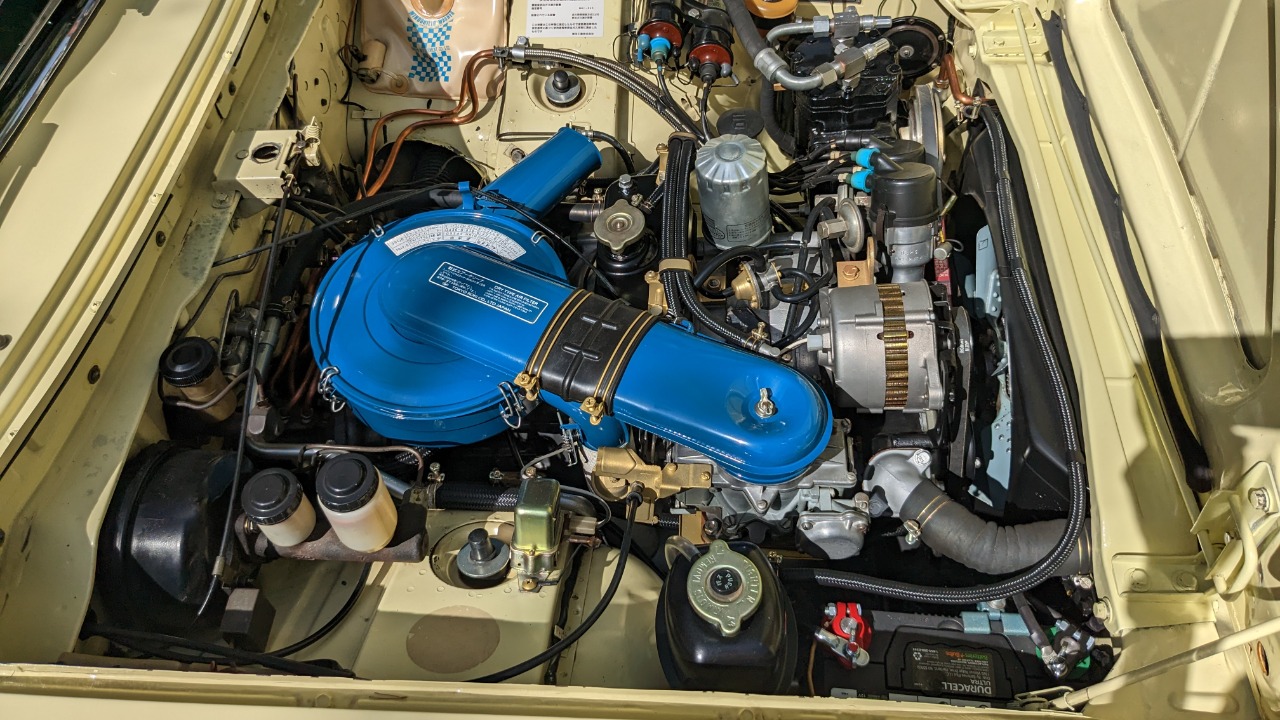
The rotary engine was invented in the early 20th century, with significant contributions from engineers like Felix Wankel, who developed the first successful rotary engine in the 1950s. Early applications included the NSU Spider, which became the world’s first production car powered by a rotary engine. Over the decades, notable advancements such as improved sealing technologies and better materials have helped refine the rotary engine’s performance and durability.
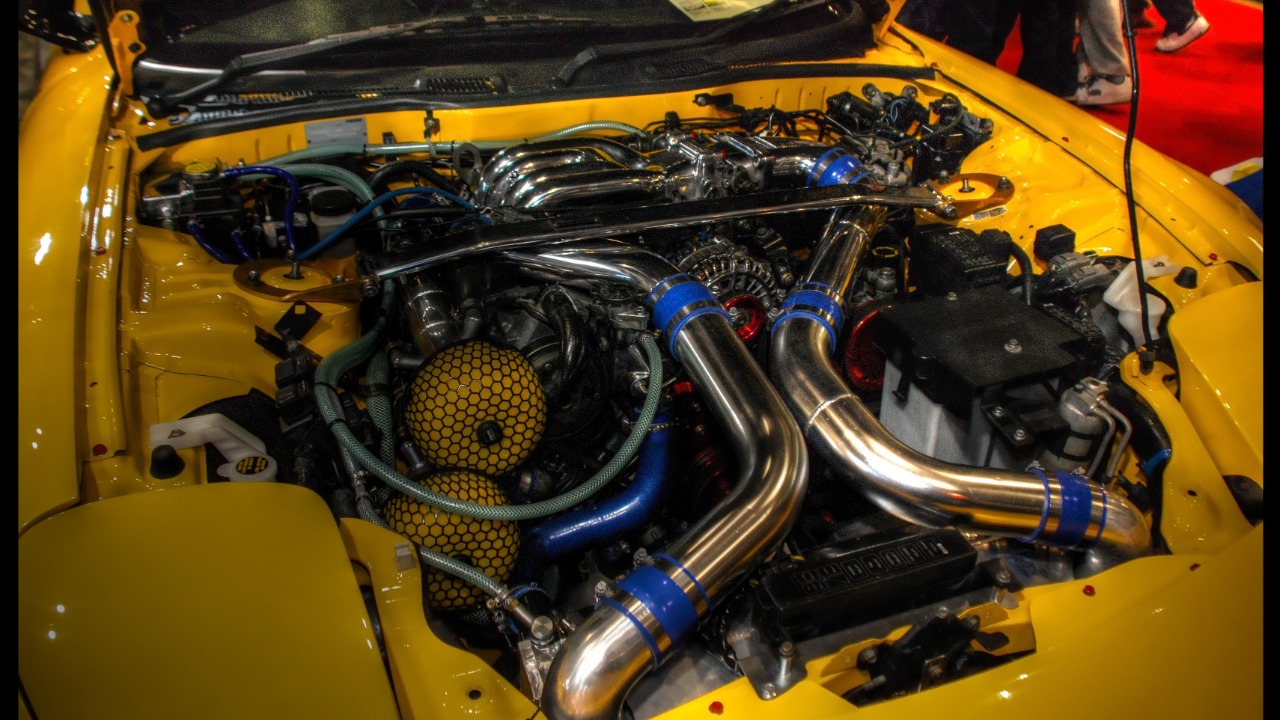
Companies like Mazda have played a pivotal role in popularizing the rotary engine, particularly with their RX series, which debuted in the 1960s. The RX-7, launched in 1978, became a cultural icon, known for its lightweight design and agile handling. Despite facing stiff competition from piston engines, which dominate the market due to their established manufacturing processes, rotary engines have carved out a niche for themselves, appreciated for their unique characteristics.
Technical Advantages and Innovations
One of the most significant advantages of the rotary engine is its compact design. With fewer moving parts than traditional internal combustion engines, the rotary engine can fit into smaller engine bays, allowing for better vehicle dynamics and weight distribution. This compactness contributes to enhanced performance, particularly in sports cars like the Mazda RX-8, which showcased impressive handling and agility on the road.
The rotary engine also boasts a high power-to-weight ratio, which is particularly appealing in racing applications. Its ability to deliver substantial power from a smaller package has made it a favorite among motorsport enthusiasts. For instance, the RX-7 and RX-8 have both found success in various racing leagues, demonstrating how rotary engines can produce competitive power levels while maintaining lightweight characteristics.
Challenges and Limitations
Despite its advantages, the rotary engine has faced several challenges that have hindered its widespread adoption. Fuel efficiency has historically been a significant drawback, with rotary engines consuming more fuel than their piston counterparts. This has made them less attractive to consumers increasingly concerned about fuel economy, especially during periods of rising fuel prices.
Moreover, stringent emissions regulations have posed a considerable challenge for rotary engines. As governments worldwide implement stricter measures to reduce vehicle emissions, rotary engines have struggled to meet these standards. The issues of cooling and reliability, including problems like overheating and apex seal wear, further complicate the rotary engine’s viability in modern vehicles.
The Resurgence and Future Potential
Despite historical challenges, the rotary engine is seeing renewed interest, especially in grassroots motorsport and enthusiast communities. Teams have begun to explore the rotary engine’s unique characteristics, leading to innovative applications in competitive racing. The RX-7, for instance, has been utilized in drift competitions, where its lightweight design and responsive power delivery have proven advantageous.
Recent technological innovations aim to address the rotary engine’s historical shortcomings. Companies are investing in research to improve fuel efficiency and emissions performance, with some projects focusing on advanced fuel injection systems and improved thermal management. Additionally, the potential for hybridization presents an exciting avenue for the rotary engine, as integrating it into hybrid systems could leverage its strengths while mitigating its weaknesses.