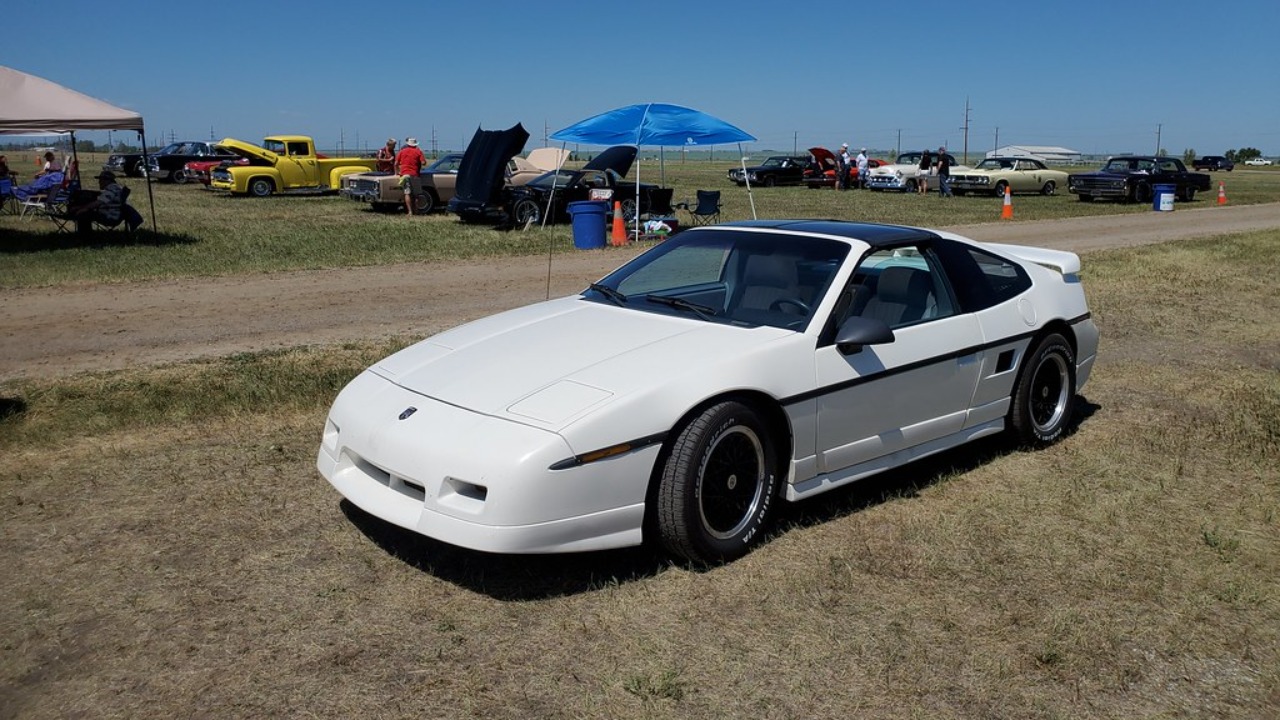
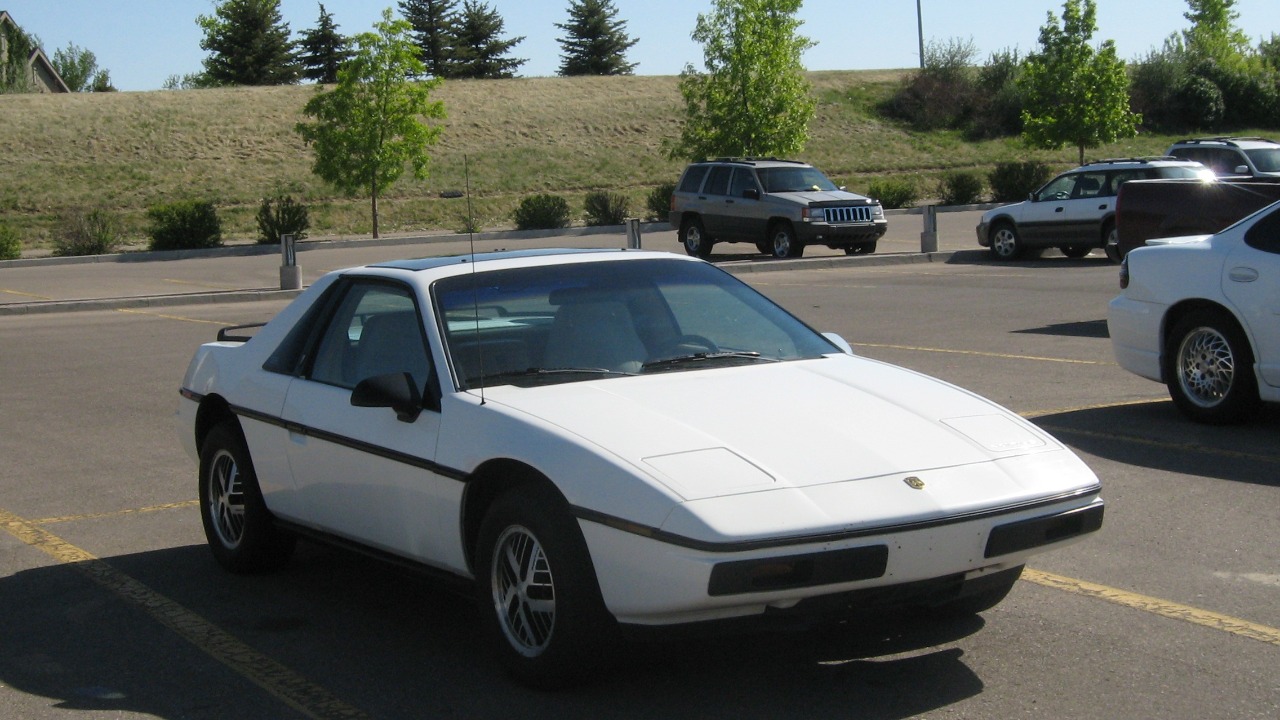
The Pontiac Fiero, a mid-engine sports car produced by General Motors from 1984 to 1988, was once hailed for its innovative design and affordability. However, despite its initial popularity, the Fiero’s production was ultimately discontinued. The reasons behind this iconic vehicle’s demise are multifaceted and reveal a complex interplay of design challenges, market dynamics, brand identity issues, and corporate decisions.
1. Design and Engineering Challenges
The Fiero’s innovative plastic body panels were a groundbreaking approach in automotive design, offering weight savings and modern aesthetics. However, these materials presented significant manufacturing challenges. Early production runs struggled with quality control, leading to inconsistencies that frustrated customers and dealers alike. Furthermore, the car’s unique mid-engine layout posed a series of engineering hurdles, particularly in terms of cooling. Many early models experienced overheating due to inadequate cooling systems, resulting in performance complaints that tarnished the Fiero’s reputation.
Maintenance and repair also became a deterrent for potential buyers. The mid-engine design, while innovative, complicated access to key components, which made routine servicing more difficult compared to traditional front-engine vehicles. As a result, many buyers opted for competitors with simpler designs, ultimately impacting the Fiero’s market appeal.
2. Market Positioning and Competition
Initially marketed as an affordable sports car, the Fiero found itself in a crowded marketplace dominated by established brands like Honda and Nissan. The Nissan 300ZX and the Honda CRX offered proven performance and reliability, making it challenging for the Fiero to carve out a distinct identity. Additionally, the economic landscape shifted in the 1980s. Rising fuel prices and a recession led consumers to prioritize practicality over sportiness, which further diminished demand for cars like the Fiero.
Pontiac’s attempts to reposition the Fiero with the introduction of the GT model in 1986 were met with mixed reviews. While the GT boasted enhanced performance features and styling, it failed to achieve widespread acclaim or attract a broader audience. Instead of revitalizing interest in the Fiero, these efforts often fell flat against the backdrop of an industry increasingly leaning toward SUVs and sedans.
3. Marketing and Brand Identity Issues
Throughout its production run, Pontiac struggled to communicate a consistent marketing message for the Fiero. Without a clear understanding of its target demographic, potential buyers were left confused about what the Fiero truly represented. The introduction of other models like the Pontiac Sunfire and the ongoing evolution of the Pontiac brand further muddled its identity, leading to decreased focus and support for the Fiero line.
Negative media coverage regarding safety and reliability also played a significant role in tarnishing the Fiero’s reputation. Reports about overheating issues and concerns over quality control fueled public skepticism. As a result, consumer perception shifted, and the allure of the Fiero diminished, making it a harder sell in an increasingly competitive market.
4. Corporate Decisions and Strategic Shifts
As General Motors underwent restructuring in the late 1980s, the focus shifted toward larger, more profitable vehicles. This strategic pivot marginalized niche models like the Fiero, which struggled to secure the necessary investment for continued development. With the automotive market increasingly favoring SUVs and trucks, the Fiero’s appeal diminished significantly as consumer preferences evolved.
Internal conflicts regarding the Fiero’s future also contributed to its demise. Inconsistent investment in marketing and development created a sense of uncertainty around the model, leaving it vulnerable to being sidelined in favor of more lucrative options. Ultimately, these corporate decisions sealed the fate of the Pontiac Fiero, leading to its discontinuation in 1988.