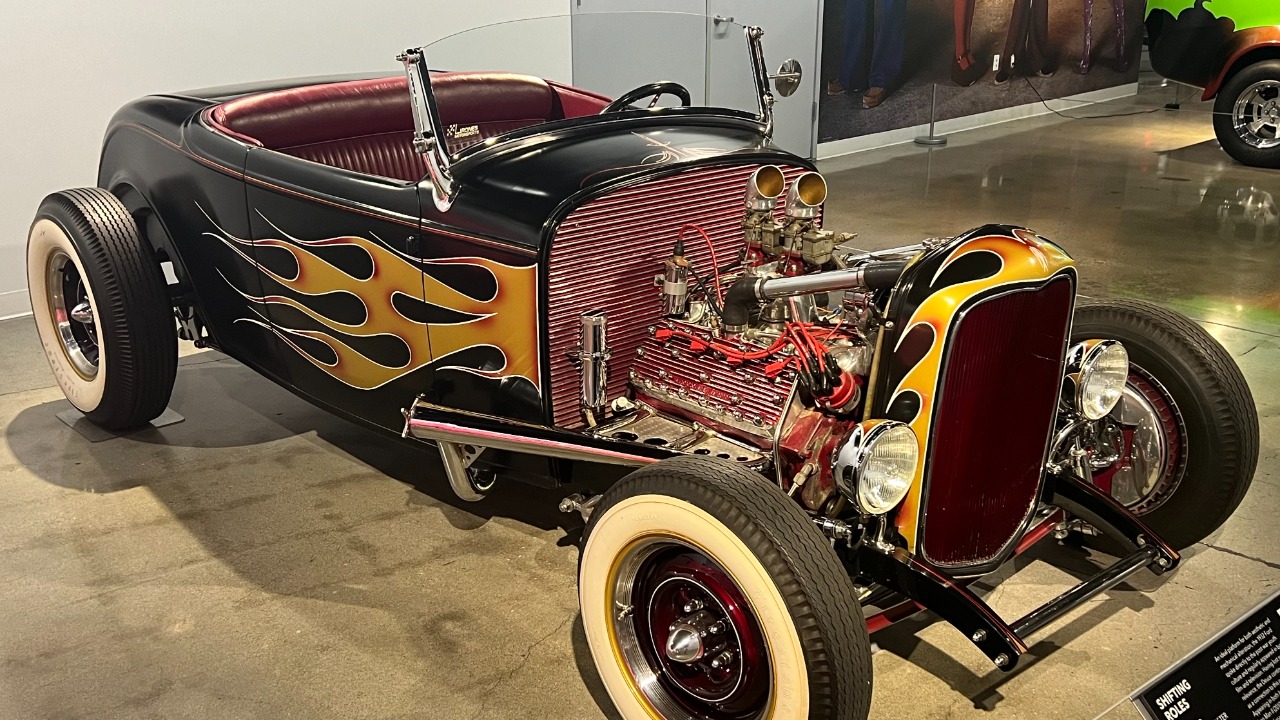
Tom McMullen was a pivotal figure in the evolution of car culture in the United States, known for his innovative contributions and passionate advocacy for automotive enthusiasts. His influence helped shape the landscape of car shows, magazines, and the DIY ethos that defines car culture today.
Early Life and Influences
Born in 1934 in Pasadena, California, Tom McMullen was raised in a family that appreciated craftsmanship and creativity. His early experiences were marked by exposure to mechanics and engineering, thanks to his father, who was a skilled machinist. This environment nurtured Tom’s curiosity about how things worked, especially vehicles. By the age of 15, he had already begun tinkering with cars, laying the groundwork for a lifelong passion.
One of the pivotal moments in McMullen’s early life was witnessing the post-war automotive boom. The 1950s were a transformative time for the American car industry, with sleek designs and powerful engines capturing the imagination of the public. Events like the 1953 Motorama, showcasing the latest innovations from General Motors, left a lasting impression on him. This burgeoning car culture, coupled with his hands-on experiences, ignited his desire to not only own a car but to customize and innovate.
The Birth of Custom Car Culture
In the 1960s, as America embraced a youth-driven culture of rebellion and self-expression, McMullen played a crucial role in the emergence of the custom car movement. He began to participate in local car shows, where enthusiasts displayed their modified vehicles and shared ideas. These shows became a breeding ground for creativity and community, allowing builders to showcase their unique visions.
McMullen’s approach to car customization was distinct. Unlike many of his contemporaries who focused on flashy aesthetics, he emphasized performance and functionality. His innovative designs often incorporated advanced engineering practices that diverged from mainstream automotive trends. For instance, he was known for experimenting with lightweight materials and engine modifications, which became a hallmark of his work and significantly influenced the custom car scene.
Publishing and Media Influence
In 1962, McMullen took a significant leap by founding “Car Craft” magazine, a publication that would become a cornerstone of automotive journalism. The magazine catered to a growing audience of car enthusiasts eager to learn about customization techniques, DIY projects, and the culture surrounding them. His vision was clear: to create a platform that not only informed but also inspired readers to take on their own car projects.
McMullen employed various strategies to engage his readers. He included step-by-step guides, how-to articles, and feature stories that highlighted successful builders and their projects. This approach not only offered practical advice but also fostered a sense of community among readers. The magazine quickly gained popularity, turning into a vital resource for car builders across the nation and amplifying the DIY ethos that underpins car culture today.
Innovations and Contributions
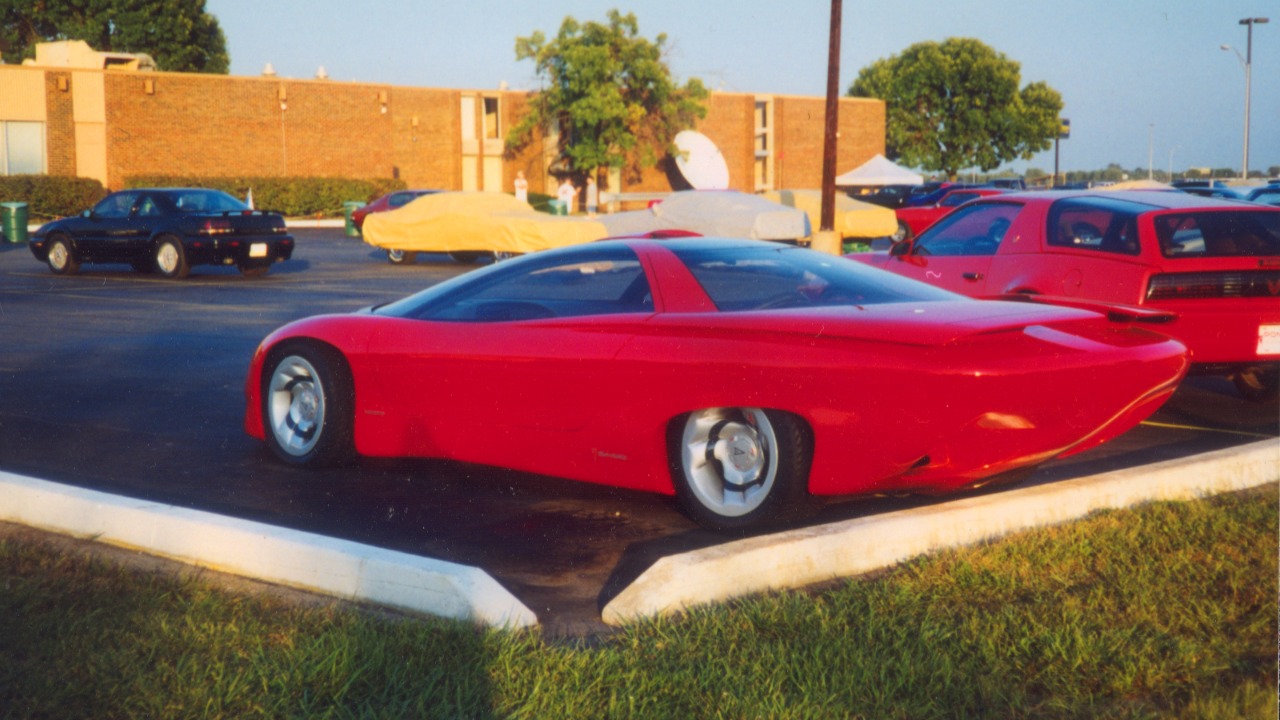
McMullen’s contributions to car culture extended far beyond his writing; he was also known for his remarkable projects and builds. One of his most notable creations was the “T-Hawk,” a radical custom car that pushed the boundaries of design and engineering. The T-Hawk combined elements of a drag racer with a sleek, futuristic aesthetic, showcasing McMullen’s ingenuity and vision. This vehicle not only turned heads but also set new standards for what could be achieved in car customization.
Moreover, McMullen’s influence was felt not just among professional builders but also among amateurs. He demonstrated that anyone with a passion for cars could achieve remarkable results with the right knowledge and tools. His work encouraged countless enthusiasts to push their limits, leading to an explosion of creativity in the custom car scene. As a result, the community became more inclusive, welcoming builders of all skill levels to participate and share their projects.
Legacy and Impact on Modern Car Culture
Even decades after his passing in 1992, Tom McMullen’s philosophies continue to resonate within today’s automotive community. His emphasis on creativity, personalization, and community engagement laid the groundwork for the vibrant car culture we see now. Modern car shows and events often reflect his vision, emphasizing the importance of individual expression and collaboration among enthusiasts.
Subsequent generations of car builders and enthusiasts have drawn inspiration from McMullen’s work. The rise of social media platforms and online forums has created new avenues for sharing ideas and showcasing builds, echoing the community-driven spirit that McMullen championed. Events like the SEMA Show and the Goodguys Rod & Custom Association gatherings continue to celebrate the innovative spirit he embodied, with awards and recognitions often honoring his legacy.
Tributes and Remembrance
Tom McMullen’s impact on car culture is reflected in the heartfelt tributes from fellow enthusiasts and industry leaders. Many remember him not just for his contributions to custom cars and automotive journalism but also for his genuine passion for building community. On social media platforms, posts celebrating his work and influence, such as those on Facebook, have sparked conversations about his lasting legacy.
Annual car shows and gatherings often feature memorial segments dedicated to McMullen, where enthusiasts share stories and reflections about how his work has influenced their own projects. These events serve not only as a tribute but also as a reminder of the importance of community in the car culture he helped shape. By honoring his contributions, enthusiasts ensure that his spirit lives on in the passion and creativity that continues to thrive in the automotive world.
More from Fast Lane Only
- Unboxing the WWII Jeep in a Crate
- 15 rare Chevys collectors are quietly buying
- 10 underrated V8s still worth hunting down
- Police notice this before you even roll window down
*Research for this article included AI assistance, with all final content reviewed by human editors.