Drive belts sit at the center of your engine’s daily workload, and the material slowly pays the price. As miles add up, heat, tension, and contamination harden the rubber, then small surface lines turn into visible cracks and, eventually, failure.
How modern drive belts work and why material matters
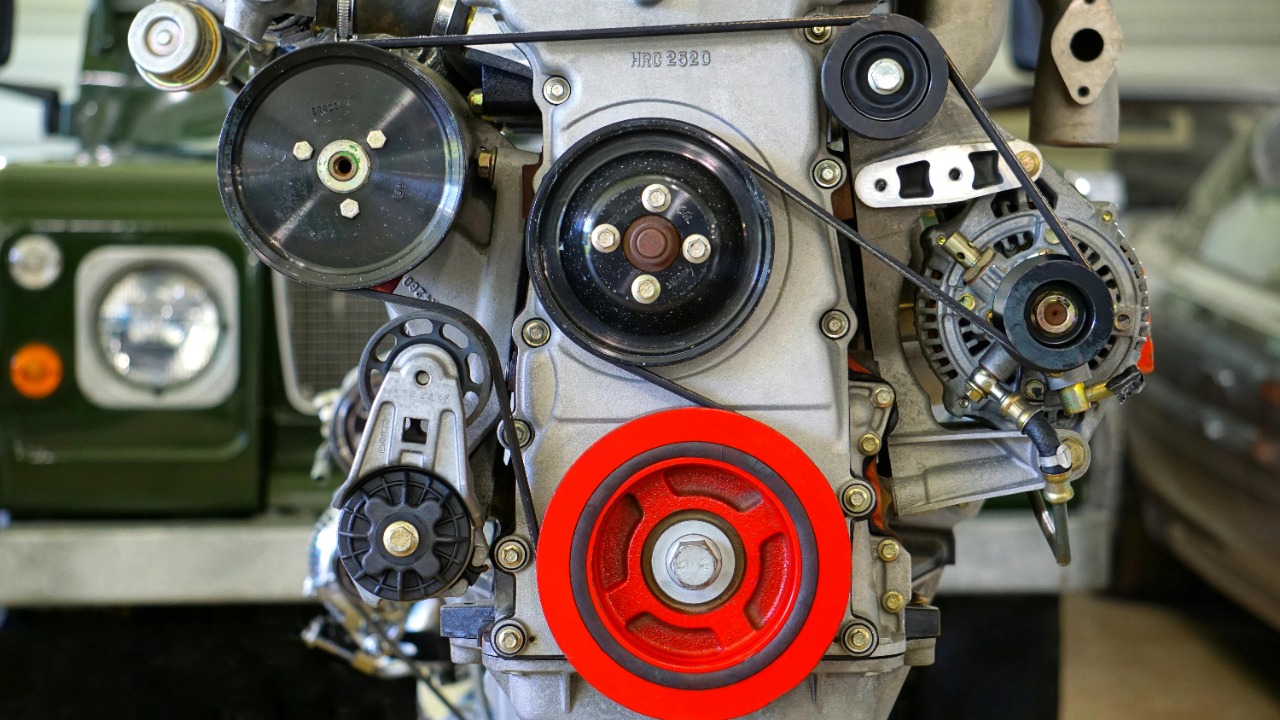
Your car’s drive belts link the crankshaft to vital accessories, so every start sends load through a rubber loop. A serpentine belt on a 2018 Toyota Camry, for example, spins the alternator, water pump, power steering pump, and air conditioning compressor in one continuous path. Engineers design these belts with internal cords and ribs that keep alignment tight and grip strong under constant rotation and changing engine speed. When that structure weakens, the belt can slip, squeal, or shed chunks of material, which then threatens charging, cooling, and steering systems at the same time.
Most late‑model vehicles use EPDM (ethylene propylene diene monomer) rubber for accessory belts, because it resists heat and ozone better than older neoprene compounds. The material still ages, though, and its surface gradually loses flexibility as plasticizers migrate out and the rubber oxidizes. Microcracks start in the rib valleys, then spread across the belt as it bends around pulleys thousands of times per minute. Manufacturers often rate EPDM belts for 90,000 to 100,000 miles, yet real‑world conditions like stop‑and‑go traffic, high under‑hood temperatures, and heavy electrical loads can shorten that window significantly.
Heat, tension, and misalignment: the mechanical stress behind cracks
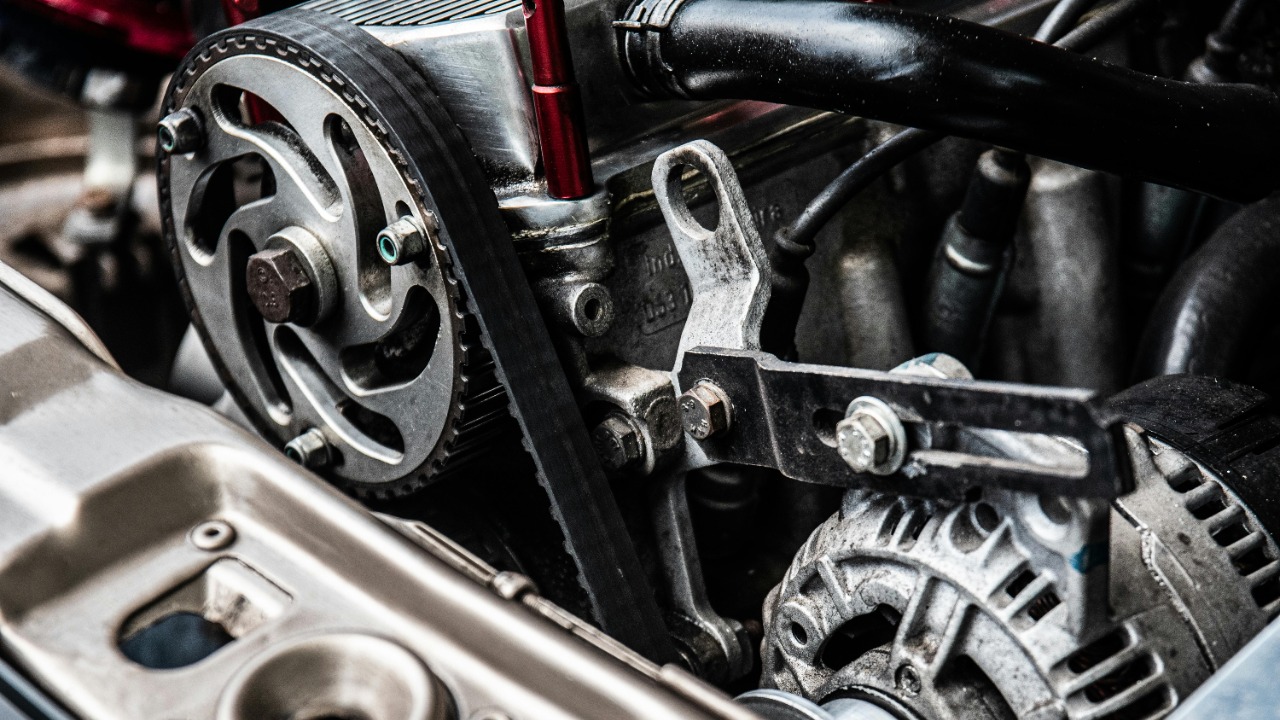
Every time you drive, the belt cycles between tight stretches and sharp bends, which creates repeated mechanical fatigue. The tight side of the belt carries the torque from the crankshaft, while the slack side returns with less load, so the internal cords constantly flex. Over time, that flexing breaks down the bond between the rubber and the cords, and the ribs begin to separate or glaze. High engine speeds on a highway run, followed by sudden stops in city traffic, amplify that stress and speed up crack formation along the rib surfaces.
Heat multiplies the damage, because rubber softens at high temperature, then stiffens as it cools, which accelerates aging. Under‑hood temperatures in a compact crossover like a Honda CR‑V can stay high long after shutdown, baking the belt even when the engine is off. If the automatic tensioner sticks or a pulley sits slightly out of plane, the belt tracks sideways and scrubs against pulley flanges. That misalignment carves tiny notches into the ribs, which then grow into visible cracks and missing chunks. Drivers often hear a chirp or squeal on cold starts when misalignment and tension problems begin to show.
Environmental exposure and contamination that age belts faster
Drive belts live in a harsh environment, surrounded by oil vapors, coolant mist, and road grit that sneaks past splash shields. When a front crankshaft seal or valve cover gasket seeps, oil can soak into the belt surface and swell the rubber. That swelling weakens the bond between the ribs and the internal cords, so the belt can delaminate or shred under load. Coolant leaks from a water pump or hose connection create a similar problem, because glycol and additives attack the rubber and leave it brittle after repeated exposure.
Road salt and fine dust also play a role, especially in regions with long winters or unpaved roads. Grit embeds in the ribs and turns the belt into sandpaper that wears pulley grooves and its own contact surfaces at the same time. As the ribs lose material, they sit deeper in the pulley grooves and lose proper contact, which encourages slip and heat buildup. That extra heat accelerates oxidation and hardening, so cracks appear sooner than the mileage alone would suggest. Vehicles that tow, carry heavy loads, or idle for long periods in delivery service see even more contamination and thermal cycling, which shortens belt life further.
Age, mileage, and the shift from visible cracks to performance symptoms
Older neoprene belts often showed clear surface cracking long before they failed, so a quick visual check told most of the story. EPDM belts age differently, and they can lose a large share of their material without dramatic surface splits. Technicians now rely more on rib depth, glazing, and noise than on simple crack counts. A belt on a 2015 Ford F‑150 may look acceptable at a glance, yet a closer inspection can reveal rounded ribs, missing chunks, or fibers showing through the rubber, all signs that the belt has reached the end of its service life.
As the belt ages, symptoms shift from cosmetic flaws to functional problems that you can feel and hear. A slipping belt may cause dim headlights at idle, a weak battery after short trips, or intermittent power steering assist during parking maneuvers. Drivers sometimes notice a rhythmic chirp that changes with engine speed, which often points to localized cracks or hard spots on the ribs. If the belt drives the water pump, overheating can follow a sudden failure, leaving you stranded and risking head gasket damage. Replacing a worn belt before it snaps avoids those cascading problems and usually costs far less than repairing the damage from a roadside breakdown.
Inspection habits and replacement timing that prevent sudden failure
Regular inspection gives you the best chance to catch cracking and wear before the belt fails under load. You can start with a simple visual check every oil change, looking for frayed edges, missing rib sections, or contamination from oil or coolant. Press on the longest span of the belt to feel for stiffness or glazing, and listen for squeals or chirps on cold starts or when accessories like the air conditioning compressor engage. Many owners of vehicles like the Subaru Outback or Chevrolet Equinox schedule belt checks around 60,000 miles, even if the official interval stretches longer, because real‑world conditions often prove harsher than lab tests.
Professional technicians use belt wear gauges and tension tools to measure rib depth and alignment more precisely, which helps them spot aging EPDM belts that still look intact. They also inspect the tensioner and idler pulleys, since a weak spring or rough bearing can cause a new belt to crack prematurely. When you replace a belt, pairing it with a fresh tensioner and any noisy pulleys reduces the risk of repeat problems. Following the maintenance schedule in your owner’s manual, while adjusting for severe service like frequent towing or extreme heat, keeps the belt system healthy and cuts the odds of sudden accessory loss on the road.