Your steering wheel should feel light and predictable, not noisy or strained. When the power steering pump starts to whine, it signals a problem that can grow from annoying to dangerous if you ignore it. Understanding what that sound means helps you protect the steering system, avoid sudden failures, and keep repair costs under control.
Most whining noises from a hydraulic power steering pump trace back to fluid issues, mechanical wear, or mounting problems. Once you know how each cause behaves, you can match the sound to likely faults, decide what you can check yourself, and see when it is time for a professional inspection.
How a power steering pump works and why it makes noise
A hydraulic power steering pump uses engine power to pressurize fluid and assist your steering effort. The pump draws fluid from the reservoir, pushes it through high pressure lines, and feeds the steering gear or rack so you can turn the wheel with minimal force. Any disruption in that flow, from air bubbles to worn internal parts, can create a high pitched whine that rises with engine speed.
Most passenger vehicles with hydraulic assist use a belt driven vane or rotor style pump that runs whenever the engine turns. The pump relies on a steady supply of clean fluid at the correct level, along with tight internal clearances, to stay quiet. When fluid runs low or becomes aerated, the vanes can cavitate and the pump starts to whine under load, especially during parking maneuvers or full lock turns, as detailed in many steering noise guides.
Low or contaminated power steering fluid
Low fluid ranks as the most common reason your pump starts to sing. As the level drops, the pump inlet can suck air along with fluid, which creates foam and cavitation. You usually hear a rising whine when you turn the wheel at low speeds, and the steering may feel heavier or jerky. Many technicians point to visible bubbles in the reservoir and a burnt smell as clear signs of aerated or overheated fluid, which matches patterns described in steering assist reports.
Contaminated fluid can cause similar noise even when the level looks correct. Metal particles from a failing pump, rubber debris from aging hoses, or moisture can thicken the fluid and reduce lubrication. The pump then works harder, runs hotter, and starts to whine or groan. Service bulletins often recommend a complete flush when fluid appears dark or gritty, because partial top offs leave abrasive material in the system, a point echoed in several fluid maintenance advisories.
Air in the system and cavitation
Air pockets inside the hydraulic circuit change how the pump moves fluid and almost always create noise. When air compresses and expands inside the pump, it produces a sharp whine or buzzing sound that often gets louder as you turn the wheel. You may also feel vibration in the steering wheel. Technicians usually bleed the system after any hose replacement or rack change, because trapped air can linger and cause persistent noise, as described in several diagnostic overviews.
Cavitation happens when low pressure at the pump inlet causes fluid to vaporize into tiny bubbles that then collapse under pressure. That collapse creates noise and can pit internal surfaces. A restricted return line, clogged filter screen, or collapsed hose can all trigger cavitation. Many repair manuals highlight that cavitation noise often tracks engine speed more than steering angle, which helps you distinguish it from rack or tie rod noises, a distinction supported in multiple steering noise case studies.
Worn pump bearings, vanes, or internal seals
Mechanical wear inside the pump can turn a quiet system into a constant whiner even when fluid looks perfect. Bearings that support the pump shaft can wear out, especially on high mileage vehicles or cars that ran with overtightened belts. As the bearing degrades, the shaft can wobble, which changes vane clearance and creates a steady whine or growl. Many technicians report that this noise often appears even at idle with the wheel straight, then intensifies during turns, a pattern noted in several pump failure analyses.
Internal vanes and seals also wear over time, especially if the system ran with dirty or incorrect fluid. Worn vanes can leak internally, which reduces pressure and forces the pump to spin faster to deliver the same assist. That extra effort raises noise and heat. Failing shaft seals may also leak fluid externally, leaving wet streaks on the pump body or bracket. Many service guides recommend replacing the pump once internal wear reaches this stage, because seal kits alone rarely cure the underlying whine, a conclusion supported in several remanufacturing notes.
Belt, pulley, and mounting issues
Not every whine from the front of the engine comes from the pump itself. A loose or glazed drive belt can slip on the pulley, especially during low speed parking maneuvers when steering loads peak. That slip often creates a high pitched squeal that some drivers mistake for pump whine. Inspecting belt tension, checking for cracks or glazing, and confirming pulley alignment can separate belt noise from internal pump problems, a diagnostic step highlighted in many belt system guides.
Mounting issues can also change how you hear the pump. Loose bracket bolts or worn bushings let the pump vibrate against the engine or body, which can amplify normal operating sounds into a noticeable whine. Some vehicles, including certain Honda Accord and Toyota Camry model years, use specific torque specs and bracket designs to control vibration. Service literature for those models stresses proper mounting and torque during pump replacement to avoid new noises, a point reinforced in several factory procedures and OEM repair manuals.
Steering rack, hoses, and other components that mimic pump whine
Noise that seems to come from the pump can actually start elsewhere in the steering system. A worn steering rack can create a hiss or whine as fluid passes through damaged valves or seals. That sound often appears only during turns and may come with uneven steering effort or fluid leaks at the rack boots. Many diagnostic charts advise checking for rack play and external leaks before condemning the pump, a sequence reflected in several rack failure summaries.
Hoses and lines can also act like tuning forks and carry noise from one component to another. A partially blocked return hose, kinked metal line, or deteriorated rubber section can restrict flow and create a whine that seems to originate at the pump. Some manufacturers add small dampers or revised hose designs to address customer complaints about steering noise. Technical service bulletins for models like the Subaru Outback and Ford Escape describe updated hoses that reduce hydraulic resonance, a fix documented in several TSB archives and steering noise bulletins.
When the whine signals a safety risk
Some pump noise stays mostly cosmetic for a while, but other sounds warn of looming failure. A sudden increase in whine volume, combined with heavy steering or intermittent assist, suggests the pump can no longer maintain pressure. That situation can become dangerous if assist drops while you turn across traffic or navigate tight spaces. Safety advisories often urge drivers to treat any change in steering effort as urgent, a stance reflected in several steering safety notices and vehicle control studies.
Persistent whine that you ignore can also contaminate the rest of the system. A failing pump may shed metal into the fluid, which then damages the rack and valves. Many warranty policies require flushing or replacing the rack when a pump fails for this reason, because leftover debris can destroy a new pump quickly. Repair cost data show that combined pump and rack replacements can run into four figures on vehicles like the BMW 3 Series or Ford F-150, while early pump attention often limits the repair to fluid service and a single component, as outlined in several repair cost surveys and estimate databases.
What you can check yourself and when to see a mechanic
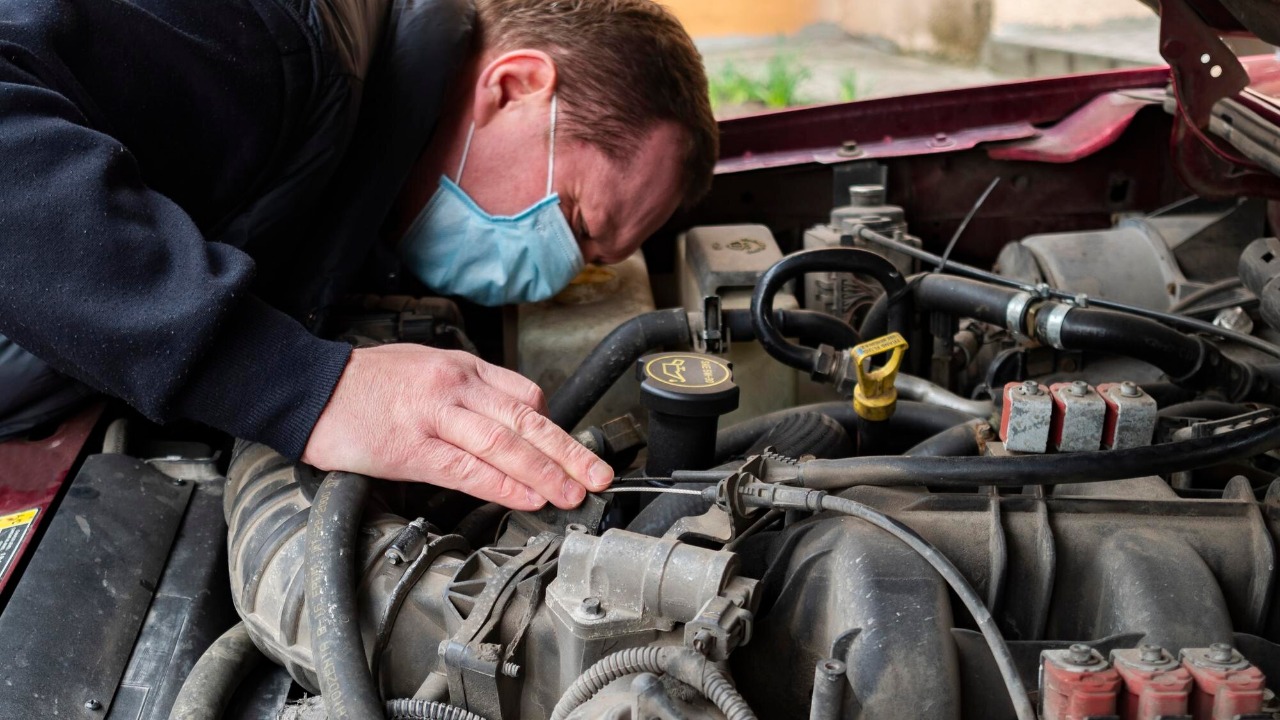
You can handle several basic checks before booking a shop visit. Start by inspecting the fluid level with the engine off, using the markings on the reservoir or dipstick. Look at fluid color and smell for any burnt odor. Then listen for the whine pattern. If the noise appears only at full lock, you may be hearing normal pressure relief. If it whines during gentle turns or straight driving, the system likely needs attention. Many owner manuals for models like the Honda Civic and Chevrolet Malibu outline these simple checks, which match recommendations in several owner maintenance guides.
Professional help becomes important when fluid looks contaminated, leaks appear, or the steering effort changes. A qualified technician can measure pump pressure, inspect belt alignment, and check for internal rack issues that mimic pump noise. Shops often use manufacturer specific procedures and scan tools to confirm whether an electric power steering system, common on newer vehicles like the Tesla Model 3 or Toyota RAV4 Hybrid, contributes to the noise instead of a hydraulic pump. Service documentation for those vehicles stresses correct diagnosis before replacing expensive components, a point reinforced in several electric steering manuals and hybrid steering guides.