Oil seeping from the front of your engine rarely starts as a dramatic failure. It usually begins as a slow weep at the timing cover that stains your driveway, lowers oil level, and quietly raises the risk of expensive internal damage. When you understand why that cover starts leaking, you can spot early warning signs, choose smarter repairs, and avoid letting a small seal problem turn into a full engine rebuild.
What the timing cover actually does
You rely on the timing cover to keep oil inside while the crankshaft and cam drive spin at high speed. The cover seals the front of the engine block, holds the crankshaft front seal, and often houses the timing chain or belt area that needs constant lubrication. Many modern engines, like the Toyota 2AR-FE in the 2012 Camry, use an aluminum timing cover that bolts to an aluminum block with a thin bead of sealant and a few rubber gaskets around key passages.
Your cover also acts as a structural piece that supports accessories and guides coolant flow. On some General Motors V6 engines, for example, the water pump bolts directly to the timing cover, so coolant passages run through the same casting that holds engine oil behind it. That mixed role means one leak point can send oil down the front of the engine, or in some cases let coolant and oil mix inside the cover area, which raises the stakes when the seal fails.
Why gaskets and sealant start to fail
Most timing cover leaks start with aging gaskets and sealant that no longer flex with the engine. Heat cycles harden rubber and cure liquid sealant beyond its designed elasticity, so the material cracks when the block and cover expand at different rates. Engines that run hot for long stretches, like compact crossovers used for towing, put extra stress on these joints and often show seepage at the upper corners of the cover first.
Oil chemistry also matters because additives can swell or shrink gasket material over time. If you stretch oil change intervals far beyond what the manufacturer specifies, oxidized oil and sludge can attack the seal lip around the crankshaft and the bead of RTV sealant along the cover perimeter. Some owners of early 2010s Ford EcoBoost engines, for instance, reported front cover seepage after extended intervals that left thick deposits near the crank seal, which then lost its ability to hold pressure.
Thermal expansion, vibration, and engine design flaws
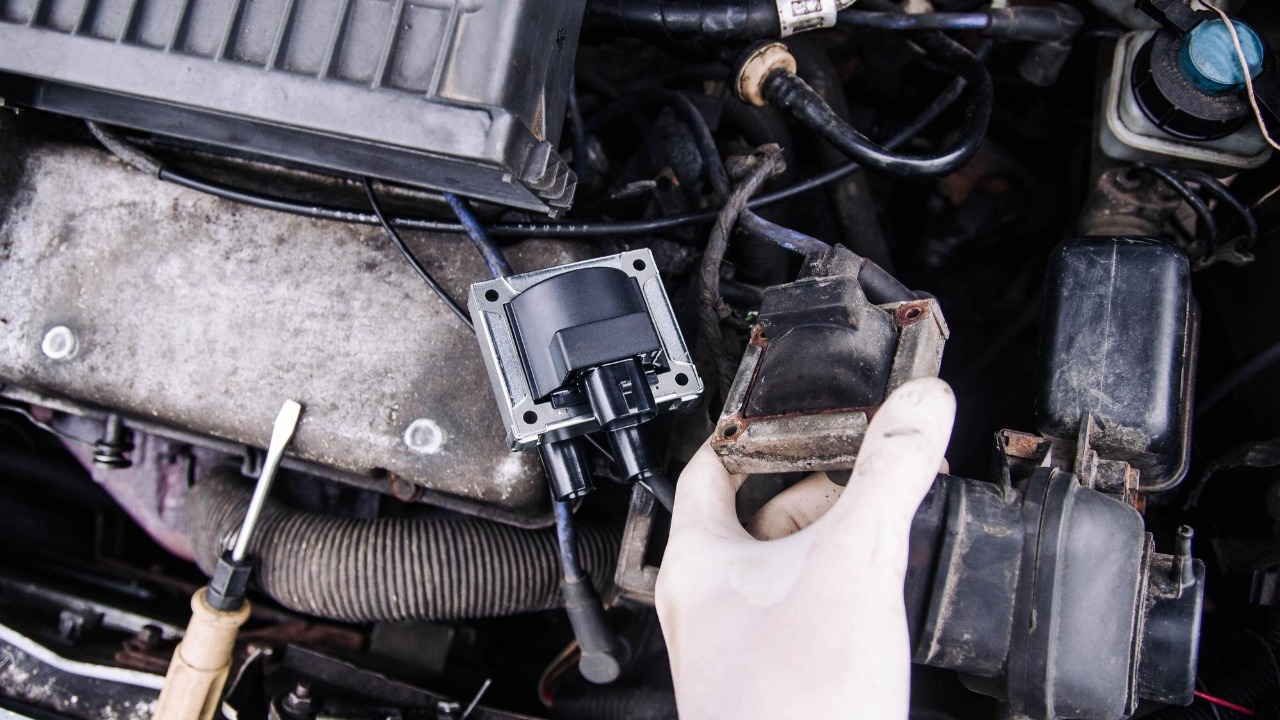
Even a fresh gasket can struggle when the engine design pushes the limits of thermal expansion and vibration. Long, thin timing covers on inline engines, such as the BMW N52 straight six, span a tall block and see different temperatures at the top and bottom. That uneven heating can cause the cover to warp slightly over time, which opens tiny gaps along the sealing surface and lets oil mist escape under load.
Vibration adds another layer of stress, especially on engines with balance issues or worn engine mounts. A transverse V6 in a front wheel drive SUV, like a 2015 Honda Pilot, twists against its mounts every time you accelerate from a stop. That movement tugs on the timing cover, the crank seal, and the accessory brackets bolted to it. If the manufacturer used marginal bolt patterns or thin castings, the cover can flex enough that the gasket scrubs back and forth, eventually tearing or extruding from the joint.
Crankshaft seals and PCV pressure problems
Many drivers blame the timing cover when the real culprit is the crankshaft front seal that sits inside it. That seal rides on the crank snout and holds back pressurized oil while the shaft spins thousands of times per minute. If the sealing lip wears a groove into the crank surface, or if the spring inside the seal loses tension, oil will track along the crank and fling outward behind the crank pulley, which looks like a cover leak from the outside.
Crank seals also fail early when crankcase pressure climbs because of a restricted positive crankcase ventilation system. A clogged PCV valve on a turbocharged engine, such as a Volkswagen 2.0 TSI, can let blow-by gases build pressure inside the crankcase. That pressure pushes oil past the weakest point, often the front or rear main seal, and then gravity carries the oil down the timing cover. Until you restore proper ventilation, any new seal or gasket you install will face the same internal pressure and may start leaking again within a few thousand miles.
Corrosion, coolant leaks, and poor sealing surfaces
Corrosion around the timing cover can turn a once smooth sealing surface into a pitted mess that no gasket can fully seal. Engines that see a lot of short trips in cold climates often trap moisture in the crankcase, which condenses near the cooler front cover. If coolant leaks from a nearby hose or water pump and sits on the aluminum casting, galvanic corrosion can eat away at the metal around bolt holes and coolant passages, creating channels where oil can escape.
Previous repairs sometimes make this worse when technicians scrape old sealant with aggressive tools that gouge the aluminum. A deep scratch along the sealing flange on a Subaru FB25, for example, can give oil a direct path to the outside even if you apply fresh RTV. Some manufacturers specify very precise cleaning methods and sealant bead sizes for this reason, and skipping those steps can leave micro gaps that only show up as leaks after several heat cycles and pressure spikes.
How driving habits and maintenance choices accelerate leaks
Your timing cover lives longer when you keep oil level and quality in the healthy range. Running low on oil raises operating temperature and thins the remaining fluid, which makes it easier for oil to slip past marginal seals. Hard driving on a hot day in a 2018 Chevrolet Silverado with low oil can push the front cover area to temperatures that exceed what the original gasket compound was designed to handle, especially near the exhaust side of the engine.
Maintenance shortcuts also stack the odds against the cover. Using the wrong viscosity oil, skipping recommended coolant changes, or ignoring small coolant seepage near the water pump all add stress to the same front engine area. A neglected coolant leak on a 2014 Hyundai Sonata, for instance, can drip onto the timing cover and crank pulley, softening rubber components and baking residue into the gasket edges. Over time, that contamination weakens the bond between the cover and block, so a minor weep turns into a visible drip that coats the underside of the car.
Recognizing early symptoms before damage spreads
You usually get several warning signs before a timing cover leak becomes a crisis. Light oil mist on the front of the engine, a faint burning smell after highway driving, or fresh oil on the lower splash shield all suggest the cover area is no longer fully sealed. On vehicles like the 2016 Nissan Altima, you might notice oil collecting around the crank pulley and lower radiator hose, even though the valve cover area looks dry.
Dashboard clues matter too, especially when leaks lower oil level over time. A low oil warning on a late model Ford F-150 that appears between scheduled services should prompt a careful inspection of the front engine area, not just a quick top off. If the leak reaches the serpentine belt, you may hear belt squeal or see the belt glaze, which can lead to accessory failures that mask the original timing cover problem until the repair becomes much more expensive.
Why repairs are labor heavy and how to choose the right fix
Timing cover leaks are rarely cheap because access is difficult on most modern vehicles. Technicians often need to remove the serpentine belt, crank pulley, engine mount, and sometimes the entire front subframe just to reach all the cover bolts. On transverse engines like the 2017 Kia Sorento 2.4, the engine may need to be supported from above while the mount is removed, which adds hours of labor even if the parts list is limited to sealant, a gasket set, and a new crank seal.
Your repair choice should match the leak source and the age of the engine. If a high mileage 2010 Toyota RAV4 shows seepage at multiple points along the cover and the crank seal lip is visibly worn, a full front engine reseal with new seals, fresh RTV, and careful surface preparation makes more sense than spot fixes. On a newer car with a small weep at a known weak corner, some manufacturers publish updated procedures or revised gasket designs that address the specific flaw, so asking the shop to follow those bulletins can prevent repeat leaks and protect your investment.