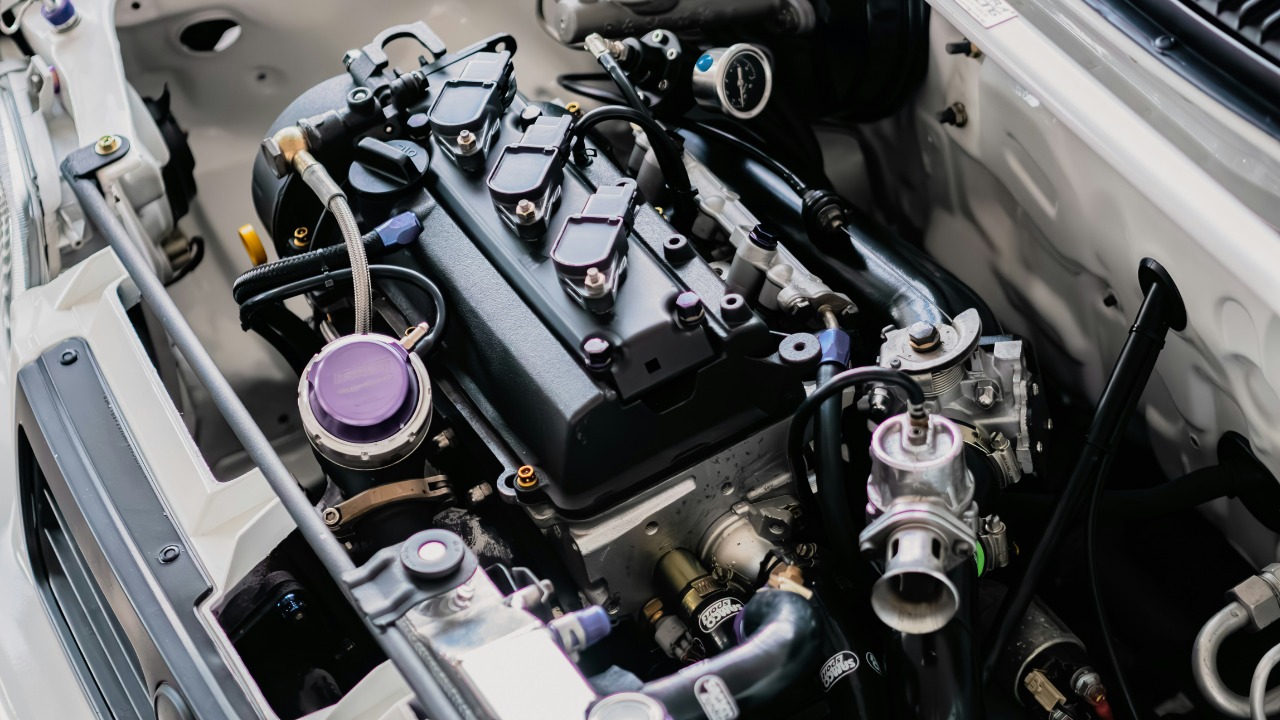
Your engine feels calm at a stoplight because a hidden idle system keeps fuel, air, and spark in balance. That quiet stability is not luck, it is the result of sensors, valves, and software working together to hold a steady speed even when conditions change.
Idle speed basics and why smooth running matters
Idle speed is the engine speed your car holds when you are not pressing the accelerator. Engineers choose a narrow range that keeps the engine running smoothly while limiting fuel use and vibration. Most modern gasoline engines idle between 600 and 900 revolutions per minute, which is enough to keep accessories powered without wasting energy. A stable idle protects components, keeps the cabin comfortable, and gives you predictable response when you pull away from a stop.
Automakers tune idle speed to balance emissions, fuel economy, and drivability. Cold engines need a higher idle to warm up the catalytic converter and reduce unburned fuel, while hot engines can drop to a lower, quieter speed. Electronic control units monitor crankshaft speed and adjust airflow or ignition timing to keep that target steady. When the control strategy works well, you feel a smooth hum instead of shuddering or stalling as the car sits in traffic.
How the idle air control valve manages airflow
On many port injected engines, an idle air control valve meters air that bypasses the closed throttle plate. The valve opens slightly when the engine needs more air, such as during cold starts or when the air conditioning compressor engages. It closes when load drops, which prevents the engine from racing at a stop. The control unit commands tiny steps in valve position and watches engine speed respond, then trims the opening until the idle target is met.
Different designs use pintle valves, rotary valves, or integrated throttle bodies, but the goal stays the same. The system must react quickly when you turn the steering wheel, shift into gear, or switch on headlights, because each action adds load. A healthy idle air control valve keeps those transitions almost invisible. When it sticks or fails, you may see a fluctuating tachometer, rough idle, or sudden stalls as the engine loses its fine airflow control.
Electronic throttle control and drive by wire idle
Many newer vehicles replace a separate idle valve with electronic throttle control. The accelerator pedal sends a signal to the control unit, which then moves the throttle plate with an electric motor. At idle, the computer holds the plate at a precise angle that lets in just enough air to maintain speed. This approach gives engineers more flexibility to shape torque response and to coordinate idle with traction control or start stop features.
Drive by wire systems rely on redundant sensors at the pedal and throttle body to ensure safe operation. The control unit constantly compares requested torque, engine speed, and airflow, then adjusts the throttle opening in small increments. When you sit at a light with the air conditioning running, the computer can nudge the throttle open a fraction to offset compressor drag. That subtle adjustment keeps the engine from dipping below its target speed and prevents the shudder you might remember from older cable throttle cars.
Role of engine sensors in stable idle
Your car’s smooth idle depends on accurate data from several sensors. The mass airflow sensor or manifold pressure sensor tells the control unit how much air is entering the engine. Oxygen sensors in the exhaust report how completely fuel is burning, which lets the system fine tune the mixture. A crankshaft position sensor tracks engine speed and position so the computer can adjust spark timing in real time.
Coolant temperature and intake air temperature sensors also shape idle behavior. A cold engine needs richer fuel and more airflow, so the control unit raises idle speed until temperatures climb. As the engine warms, the system leans the mixture and trims airflow to a lower, quieter speed. If any of these sensors send incorrect data, the idle strategy can fall apart. You might see surging, hunting between speeds, or a check engine light as the computer struggles to keep the engine running smoothly.
Fuel injection strategies at idle

Modern fuel injection systems use precise pulse control to deliver the right amount of fuel at idle. The control unit calculates injector open time based on airflow, engine speed, and sensor feedback. At low speed, the pulses are very short, so even small errors can cause rich or lean conditions. Engineers program special idle maps that prioritize stability over peak power, with conservative timing and mixture targets that keep combustion consistent.
Some engines use sequential injection, firing each injector just before its intake valve opens, while others use batch strategies at idle to simplify control. Direct injection systems must also manage fuel pressure and spray pattern to avoid roughness. When injectors clog or wear, idle quality often suffers first, because the engine has less momentum to mask uneven combustion. Regular use of quality fuel and timely maintenance helps keep those tiny pulses accurate, which preserves that smooth, almost silent idle you expect.
Ignition timing and idle stability
Ignition timing is another key tool for smoothing idle. The control unit can advance or retard spark by a few degrees to nudge engine speed up or down. When load increases suddenly, a quick timing advance can add torque before airflow adjustments catch up. That fast response helps prevent stalls when you shift into gear or turn on a high electrical load like a rear defroster.
Engineers also use timing to reduce vibration. Small timing changes between cylinders can even out torque pulses and reduce the shake you feel in the steering wheel or seat. Some systems monitor crankshaft speed variations between firing events and adjust timing cylinder by cylinder. That level of control turns what could be a lumpy idle into a refined, almost imperceptible thrum, especially in four cylinder engines that naturally produce more vibration.
How accessories and loads affect idle quality
Every accessory that draws power from the engine affects idle. The air conditioning compressor, power steering pump, alternator, and even the cooling fan add load when they engage. Without compensation, each load spike would drag engine speed down and could cause a stall. The idle control system anticipates many of these events by watching switch signals and system pressures, then raises airflow or timing in advance.
Electrical loads also matter. When you turn on headlights, heated seats, or a high powered audio system, the alternator must work harder. That extra effort increases drag on the engine at idle. Modern control units monitor battery voltage and alternator output, then adjust idle speed to keep charging stable. If the alternator or battery is weak, the system may struggle to maintain both voltage and smooth idle, which is why dim lights and rough running often appear together.
Idle stop start systems and perceived smoothness
Many recent models use idle stop start systems to save fuel in traffic. The engine shuts off when you come to a complete stop and restarts when you release the brake or press the clutch. For this to feel refined, the restart must be quick and free of harsh vibration. Engineers tune starter motors, flywheels, and engine mounts to soften that moment, while software predicts driver intent to time the restart.
Some systems use integrated starter generators that can spin the engine up more smoothly than a traditional starter. Others coordinate fuel injection and spark so the engine fires on a specific cylinder for a faster, cleaner start. If calibration is off, you may feel a noticeable shudder or delay when traffic moves. Drivers who value comfort sometimes disable stop start in heavy city driving, trading a small fuel penalty for a more continuous idle feel.
Common idle problems and what they signal
Rough idle, stalling, or a fluctuating tachometer often point to issues in the idle control system. Vacuum leaks let unmetered air into the intake, which confuses the control unit and can cause a high or hunting idle. Dirty throttle bodies or idle valves restrict airflow and force the system to work harder to maintain speed. Faulty sensors, especially mass airflow or oxygen sensors, can lead to incorrect fuel trims that show up first at idle.
Misfires at idle may indicate worn spark plugs, ignition coils, or compression problems. Because the engine turns slowly, each misfire is more noticeable than at highway speed. A failing alternator can also cause unstable idle as voltage dips and the control unit struggles to keep systems powered. When you notice new vibrations or idle changes, early diagnosis can prevent more serious damage, since the same issues that disturb idle often stress catalytic converters and other expensive components.
Driving habits and maintenance that keep idle smooth
Your habits and maintenance choices have a direct impact on idle quality. Regular oil changes keep hydraulic lifters, variable valve timing systems, and timing chains working correctly, which supports stable combustion. Using fuel that meets the octane rating recommended in your owner’s manual helps prevent knock, so the control unit does not need to pull timing at idle. Keeping the air filter clean ensures the airflow readings stay accurate.
Simple steps like cleaning the throttle body, checking for cracked vacuum hoses, and replacing spark plugs at the specified interval can prevent many idle complaints. Avoid resting your foot on the accelerator at stops, since that can confuse adaptive idle learning in some vehicles. When warning lights appear or idle changes suddenly, prompt inspection protects both comfort and reliability. A well maintained idle system rewards you with a calm cabin, predictable response, and less stress on every component that depends on a steady engine speed.