The P-51 Mustang is renowned for its stellar performance during WWII, but it wasn’t the top seller in terms of production numbers. While the Mustang earned a legendary status, several other fighter planes were produced in higher quantities, each playing a critical role in the air battles of the era. This article explores the fighter planes that outsold the Mustang and delves into the reasons behind their mass production.
The P-51 Mustang: A Legendary Aircraft

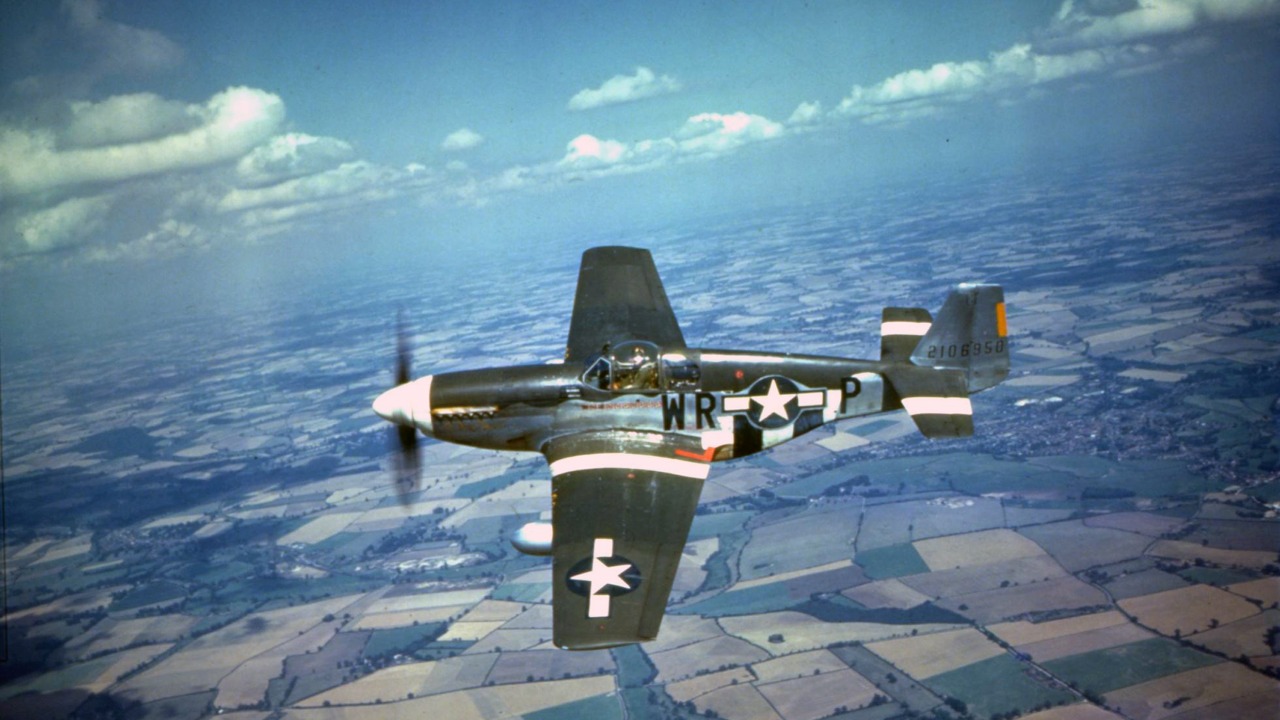
The P-51 Mustang is often hailed as one of the most formidable fighter planes of World War II. Known for its sleek design and powerful engine, the Mustang was a versatile aircraft capable of long-range missions, making it a key component in the Allied air strategy. Its ability to escort bombers deep into enemy territory was instrumental in achieving air superiority. Despite its relatively lower production numbers compared to other fighters, the Mustang’s legacy endures due to its remarkable performance and adaptability. Its prowess in the European Theater, combined with its advanced design, ensured its place in aviation history. The Mustang’s reputation is further cemented by its post-war influence, as seen in its impact on aircraft design and its presence in popular culture. More information about the Mustang can be found in this article from National Interest.
The Supermarine Spitfire: Britain’s Iconic Fighter
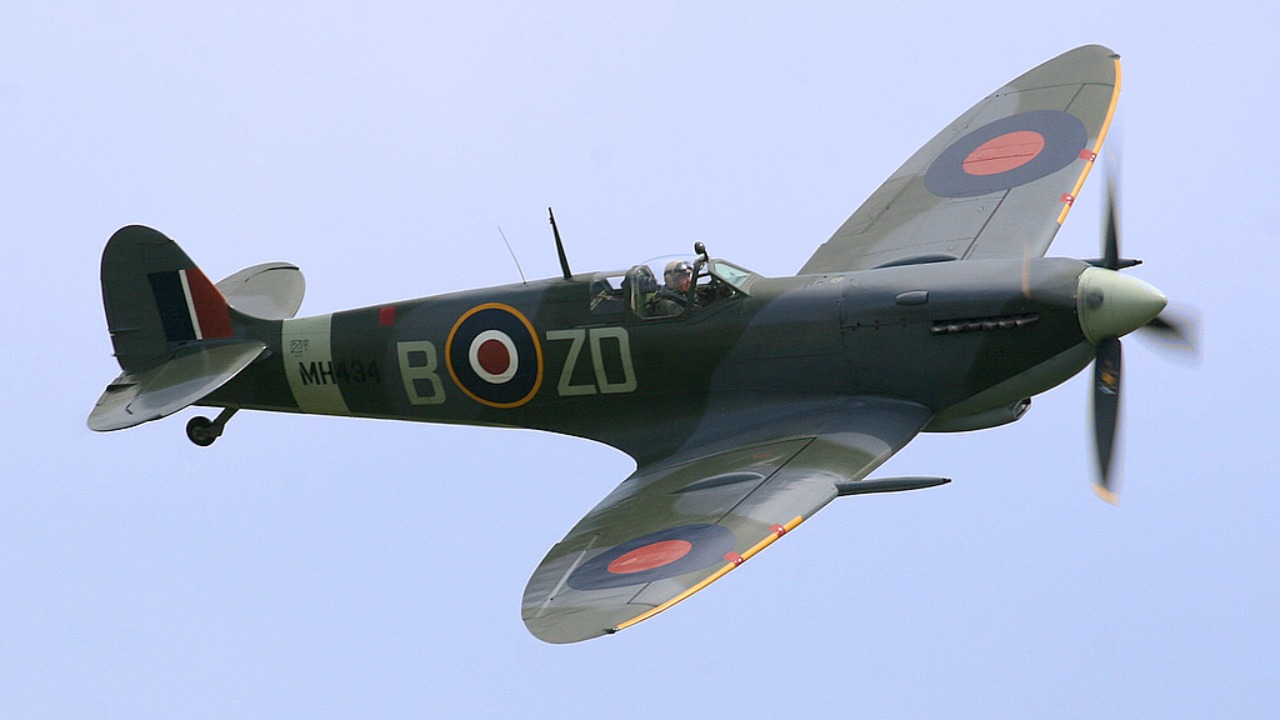
The Supermarine Spitfire was a key player in the Battle of Britain, serving as the backbone of the Royal Air Force. Its elliptical wings and superior maneuverability made it a formidable opponent in dogfights. The Spitfire’s performance during these crucial battles helped turn the tide in favor of the Allies, earning it a place in British iconography. In terms of production, the Spitfire saw over 20,000 units built, surpassing the P-51 Mustang. The numerous variants of the Spitfire ensured its continued use throughout the war, adapting to different roles and missions. The aircraft’s cultural significance in the UK cannot be overstated, symbolizing resilience and victory. For a deeper dive into the Spitfire’s history, you might refer to this book available on Google Books.
The Messerschmitt Bf 109: Germany’s Workhorse
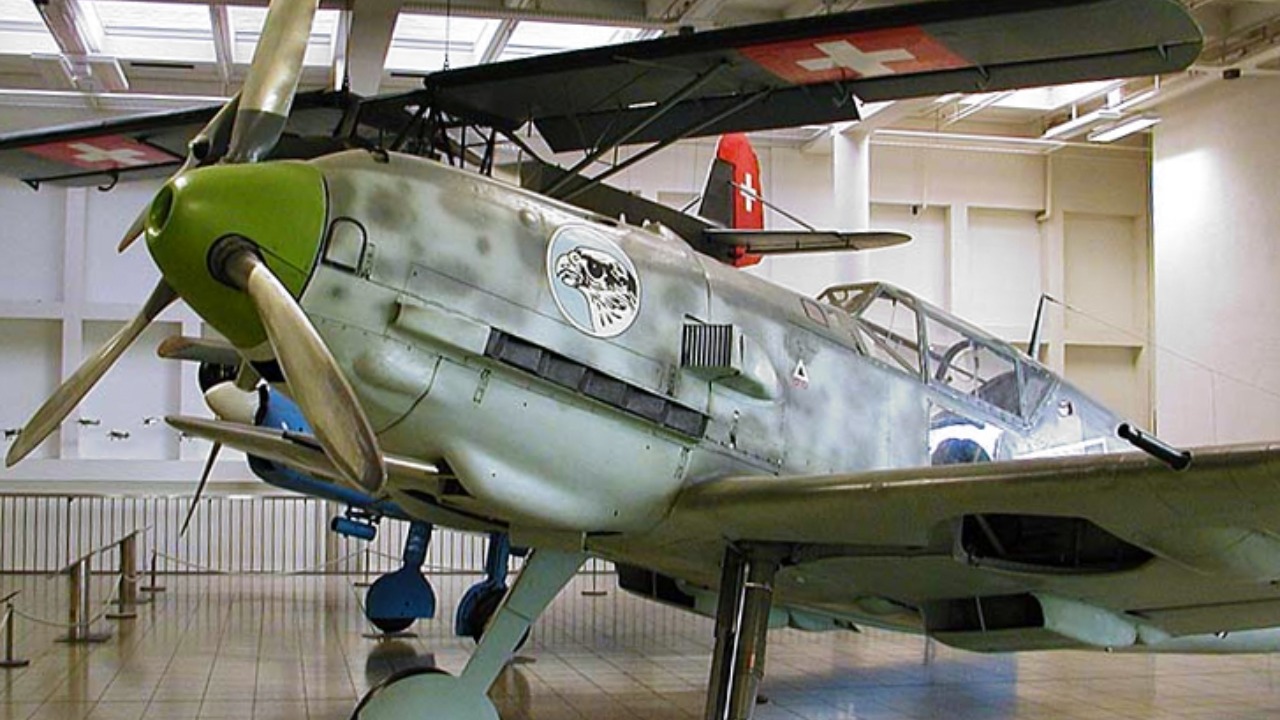
The Messerschmitt Bf 109 was Germany’s most produced fighter aircraft during WWII, with over 30,000 units built. Known for its advanced aerodynamics and powerful armaments, the Bf 109 was a versatile fighter that excelled in various combat scenarios. Its design innovations, such as a closed cockpit and retractable landing gear, set new standards in aviation. The Bf 109 was a staple in the Luftwaffe, participating in key battles across Europe, North Africa, and the Eastern Front. Its high production numbers were driven by Germany’s strategic need to maintain air superiority against the advancing Allies. The aircraft’s effectiveness in combat ensured its continued deployment throughout the war’s duration.
The Yakovlev Yak-3: Soviet Strength in the Skies

The Yakovlev Yak-3 was a vital component of the Soviet Air Force, introduced during the later years of WWII. Designed for agility and speed, the Yak-3 was particularly effective in the dogfights of the Eastern Front. Its robust design allowed it to excel in harsh conditions, making it a favorite among Soviet pilots. Although production numbers were not as high as the Bf 109 or Spitfire, the Yak-3 was produced in significant quantities to meet the demands of the Soviet war effort. Its performance against German fighters was commendable, contributing to the Soviet Union’s eventual victory. The Yak-3’s legacy is remembered for its role in pivotal battles and its impact on Soviet aviation.
The Mitsubishi A6M Zero: Japan’s Aerial Power

The Mitsubishi A6M Zero was Japan’s primary fighter aircraft in the early years of the Pacific War. Renowned for its exceptional range and maneuverability, the Zero quickly became a symbol of Japanese air power. Its early successes against Allied planes were a testament to its design and the strategic advantage it provided to Japan. The high production volume of the Zero, with over 10,000 units built, was driven by Japan’s aggressive military strategy in the Pacific. However, as the war progressed, advancements in Allied aircraft technology diminished the Zero’s effectiveness. Despite this, the Zero remains an iconic representation of Japanese aviation during WWII. For more detailed information, the Google Books collection offers in-depth insights.
Factors Influencing Production Decisions in WWII
The production decisions for WWII fighter planes were influenced by various strategic and logistical factors. The demands of different theaters of war required specific aircraft capabilities, leading to varied production priorities among the Allied and Axis powers. For instance, the need for long-range escorts in Europe led to the Mustang’s development, while the Pacific Theater’s focus was on carrier-based operations, prompting the production of the Zero. Resource availability and industrial capacity also played critical roles in determining production numbers. Nations with greater access to raw materials and manufacturing facilities, such as the United States and Germany, could produce aircraft in larger quantities. Additionally, political and military leadership heavily influenced production choices, prioritizing certain designs and capabilities to meet strategic goals. Overall, the mass production of these iconic fighter planes was a complex interplay of technological advancements, strategic imperatives, and the sheer industrial might of the nations involved. The legacy of these aircraft continues to be studied and celebrated in military history and aviation circles worldwide.
Like Fast Lane Only’s content? Be sure to follow us.
Here’s more from us:
*Created with AI assistance and editor review.