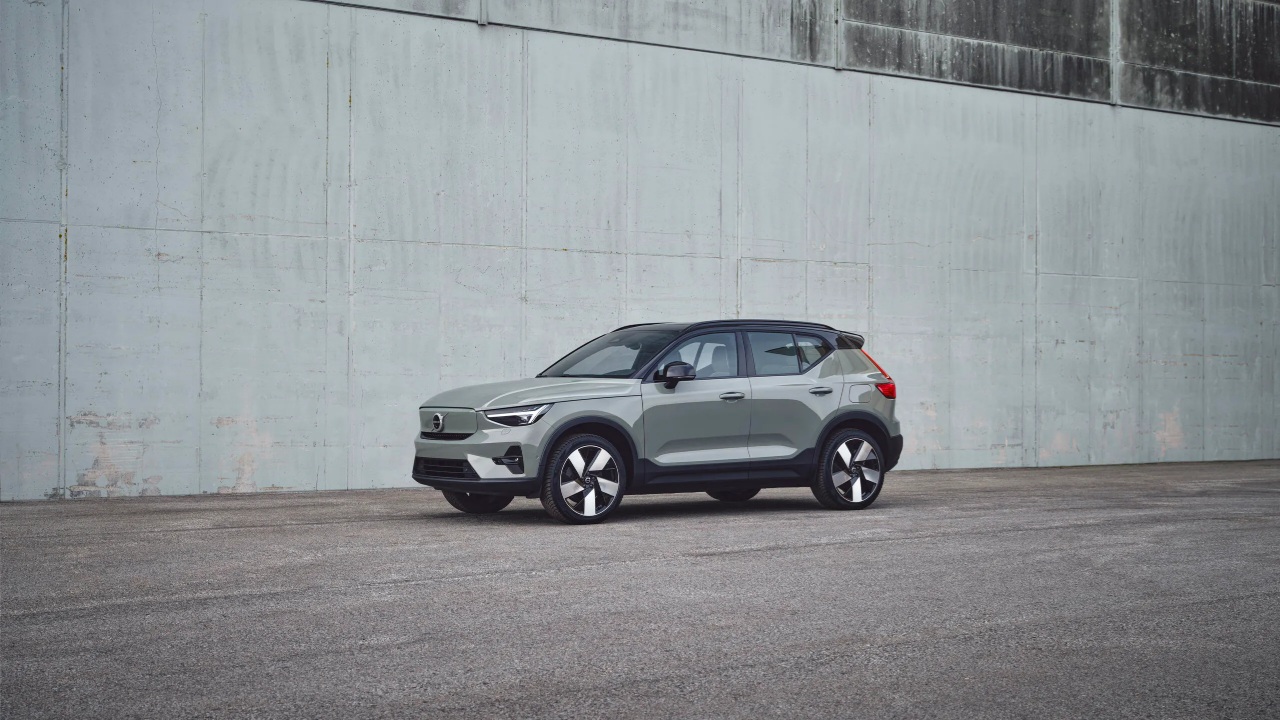
For Volvo owners, the most important work on their cars is increasingly happening out of sight, long after the engine has cooled and the driveway has gone quiet. By 2026, the company’s latest models are being designed to diagnose faults, download new code, and install critical fixes while their drivers sleep, turning software into a kind of invisible mechanic. The promise is simple but sweeping: fewer surprise warning lights, fewer service visits, and a car that quietly improves itself over time.
That shift is not just a convenience feature, it is a strategic reset for a brand that has already seen how software can delay deliveries and frustrate early adopters. After the 2021 XC40 Recharge highlighted both the power and the fragility of connected systems, Volvo is now building its 2026 lineup around over-the-air updates, remote diagnostics, and a new user experience that treats code as a core safety system rather than an afterthought.
The overnight update becomes routine maintenance
The core of Volvo’s invisible mechanic is the ability to push new software directly to the car without a workshop visit. The company’s own guidance on How to update Over The Air describes a system that downloads updates while the vehicle is being driven or when it is parked with a data connection, then waits for the driver to approve installation. Owners receive a notification in the center display and in the Volvo Cars app when a new package is ready, and they can choose to start the process immediately or schedule it for later, as detailed in the company’s You support instructions. The only requirement is that the car be locked and not in use during installation, which is why nighttime has become the default window.
On the driver’s side, the process is deliberately minimal. A dealer guide to Downloading and Installing OTA Updates Simply walks owners through a short path in the infotainment system: open Settings, then System, then Software, and enable Automatic software download. Once that toggle is on, the car quietly fetches new code in the background and waits for the driver’s confirmation. For 2026 models, Volvo is positioning this as the default mode of ownership, where software updates sit alongside fuel and charging as routine upkeep rather than a special event.
From software headaches to a 2026 reset
Volvo’s push toward self-healing cars is rooted in hard lessons from its first generation of connected vehicles. The 2021 XC40 Recharge, which uses a Google Android powered infotainment system, was designed from the outset to receive over-the-air updates. That capability allowed Volvo to address bugs and add features after delivery, but it also meant that a software problem could halt vehicles before they ever reached customers. Early in the XC40 Recharge rollout, a software bug was significant enough that deliveries were paused while engineers prepared a fix that could be downloaded while the vehicle was parked, underscoring how central code had become to the basic operation of the car.
Owners have felt those growing pains directly. In a discussion among Volvo XC90 drivers, one user posting under the name Thee_Lone_Raven wrote that there had been “Nothing but issues” with a particular setup and that “they have a fix for it on the 2026 model year,” as captured in a Sep thread titled “Are the” t8 recharges having an issue. That kind of feedback has shaped expectations for the next wave of vehicles. A video analysis published in Nov, hosted by Hussein, framed the 2026 lineup as a software comeback, asking whether the new models would finally resolve persistent glitches. Volvo’s answer is to move more of that problem solving into the background, so that fixes arrive automatically rather than as a series of dealership appointments.
A new Volvo UX built for constant change
To make overnight repairs feel normal rather than intrusive, Volvo is redesigning the way drivers interact with their cars. The company’s 2026 announcement for its hybrid range describes a New generation Volvo Car UX For the 2026 model year, stating that every new Volvo will come equipped with this updated interface. The emphasis is on clearer notifications, more intuitive controls, and a closer link between the car and the Volvo Cars app, so that software changes feel like part of a coherent digital environment rather than a series of cryptic prompts. This is not just a cosmetic refresh, it is an attempt to make a constantly evolving vehicle feel stable and predictable to the person behind the wheel.
That same strategy extends to the broader 2026 Hybrid Lineup Introduces Major Upgrades and Over the Air Updates for Existing Cars. Volvo has signaled that its 2026 hybrids will not only ship with improved hardware but will also deliver over-the-air updates to some existing fully electric vehicles. That approach turns the fleet into a rolling software platform, where a car bought several years earlier can still receive refinements to energy management, driver assistance, or infotainment. It also raises expectations: if a 2026 hybrid can be updated in the driveway, owners will be less tolerant of bugs that linger for months without a visible fix.
Remote Diagnostics and the rise of the invisible mechanic
Behind the scenes, Volvo is pairing over-the-air updates with a more proactive approach to fault detection. In heavy trucks, the company has already deployed Remote Diagnostics that provide proactive diagnostic and repair planning assistance with detailed analysis of critical diagnostic trouble codes. A separate description of Remote Diagnostics highlights the same Proactive model, in which data from the vehicle is analyzed in real time and relayed to support staff who can coordinate parts, service, and communication through Volvo Action Service. The research methods noted in these programs focus on analysis of live data streams, turning raw fault codes into actionable guidance.
That commercial playbook is now informing how Volvo thinks about passenger cars. An article on The Invisible Mechanic describes how a new 2026 Volvo will secretly repair its own problems while the owner is sleeping, positioning remote diagnostics and over-the-air updates as a combined system rather than separate features. The piece, which refers to The Invisib concept of a hidden digital caretaker, explains that the car can flag emerging issues, request the necessary software package, and install it during off hours. In practice, that means a driver might see a brief notification in the Volvo Cars app in the evening and wake up to a vehicle that has already addressed a minor fault or refined a control algorithm without any further action.
What this means for owners, dealers, and the wider market
For drivers, the most immediate impact of this invisible mechanic is a shift in what it means to “maintain” a car. Instead of waiting for a scheduled service interval or a dashboard warning, owners are increasingly relying on digital alerts that arrive in the center display or through When the Volvo Cars app signals that a new software release is available. Release notes explain what is included in each update and how long installation will take, which helps drivers decide whether to trigger it immediately or schedule it for overnight. The result is a more continuous, less disruptive pattern of care, where small improvements and fixes arrive regularly instead of being bundled into a single, time consuming workshop visit.
Dealers and service centers are also being pushed into a new role. With more issues resolved through code, workshops may see fewer simple software complaints and more complex cases that require both digital and mechanical expertise. At the same time, Volvo’s own Volvo channels are emphasizing that over-the-air updates and remote diagnostics are part of the brand’s identity, not optional extras. That positioning aligns with broader trends in connected products, where systems like Google’s Shopping Graph use Product information aggregated from brands, stores, and other content providers to keep digital catalogs current. In the automotive context, Volvo is effectively treating each car as a connected node in a larger network, one that can be monitored, updated, and improved long after it leaves the factory.
More from Fast Lane Only