Not every automotive legend was a best-seller. Some earned lasting respect through groundbreaking engineering, unforgettable performance, or bold design rather than production volume. Though built in relatively small numbers, these vehicles left an influence that far exceeded their sales, proving that true significance is measured by impact instead of quantity.
Shelby Cobra 427
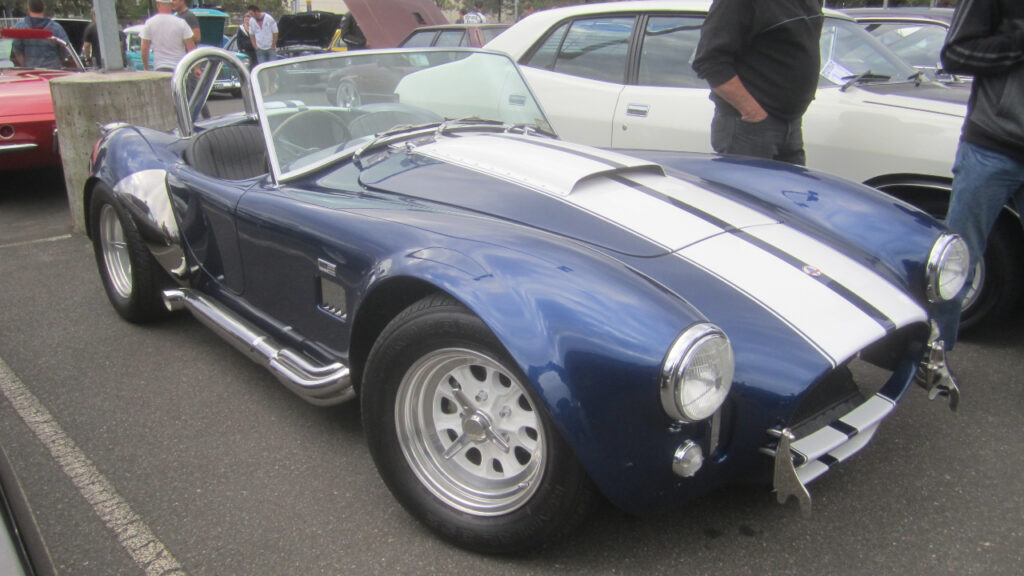
The Shelby Cobra 427 became legendary by combining lightweight British roadster design with massive American V8 power. Built in limited numbers, it delivered extraordinary performance that reshaped expectations for sports cars. Its rarity and unmistakable character have made it one of the world’s most celebrated automotive icons.
Buick GNX
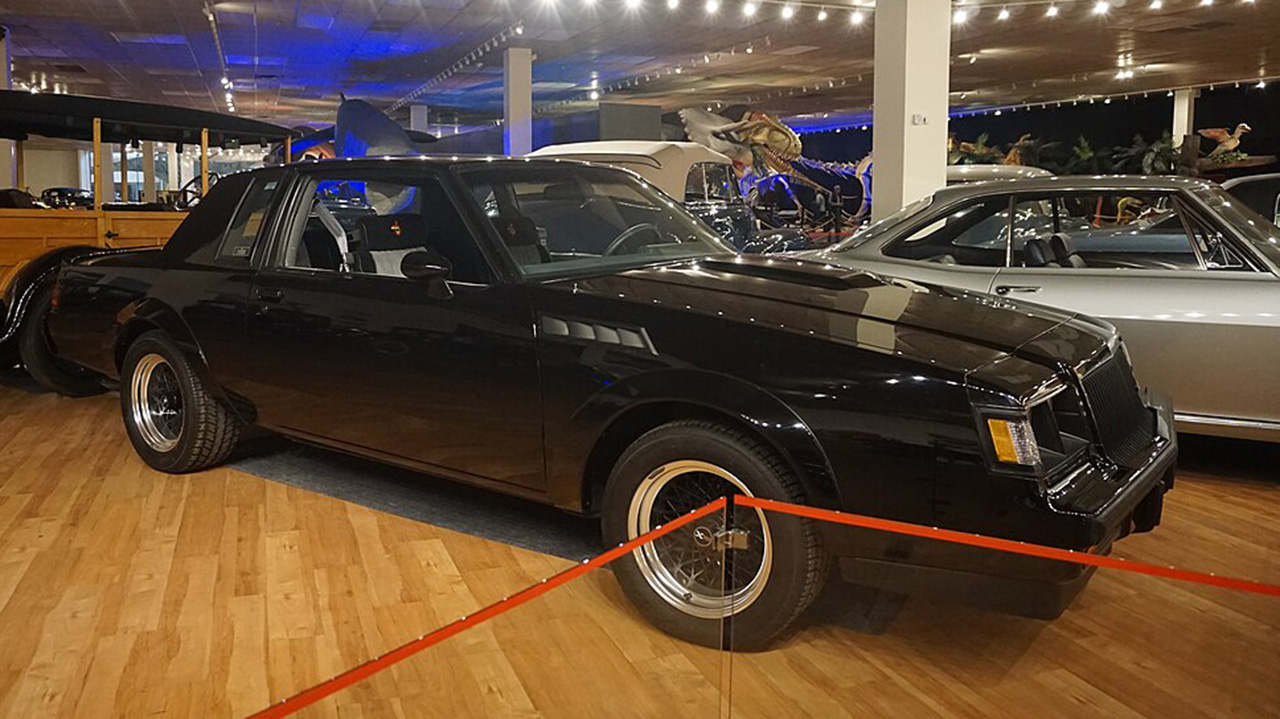
The Buick GNX arrived near the end of the muscle car era with turbocharged performance that surprised nearly everyone. Produced in very limited numbers, it quickly established itself as one of America’s fastest production cars. Its rarity and remarkable capability continue to make it one of Buick’s greatest achievements.
Porsche 959
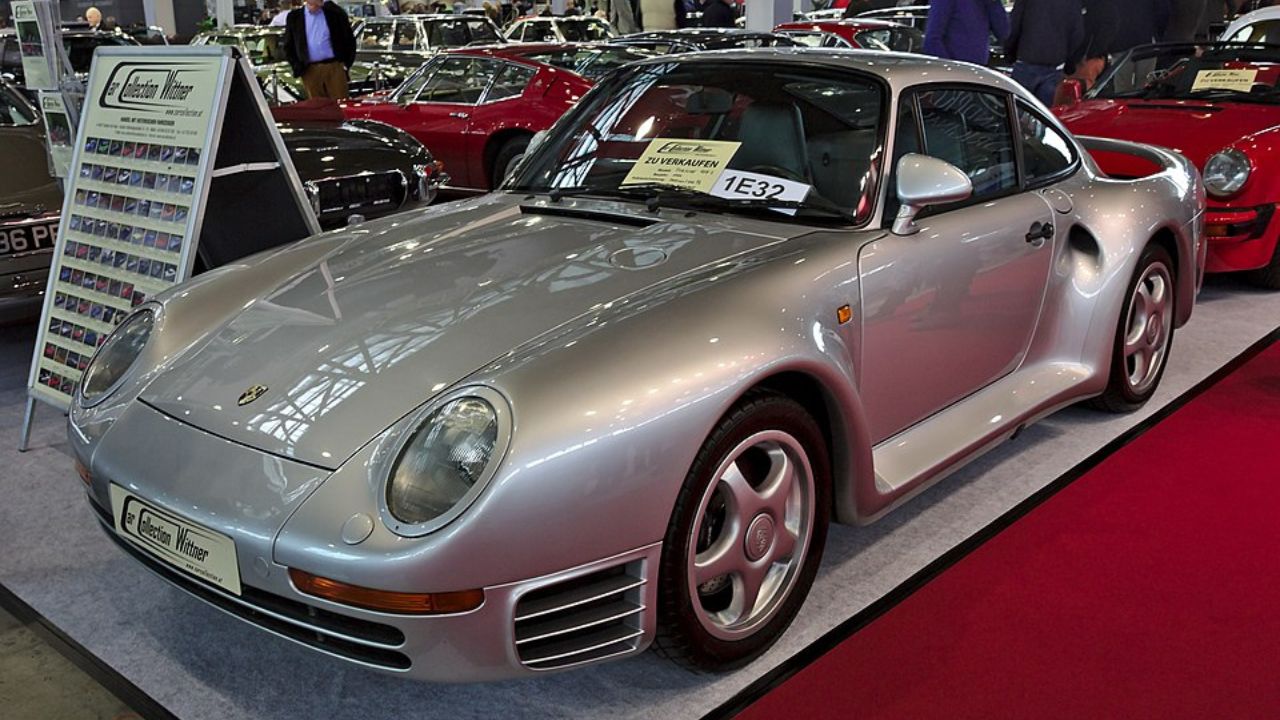
The Porsche 959 showcased advanced all-wheel drive, lightweight materials, and sophisticated electronics years before they became common. Although only a limited number were produced, its technological innovations influenced future high-performance vehicles across the industry. Today, it remains one of Porsche’s most historically significant creations.
Lancia Stratos
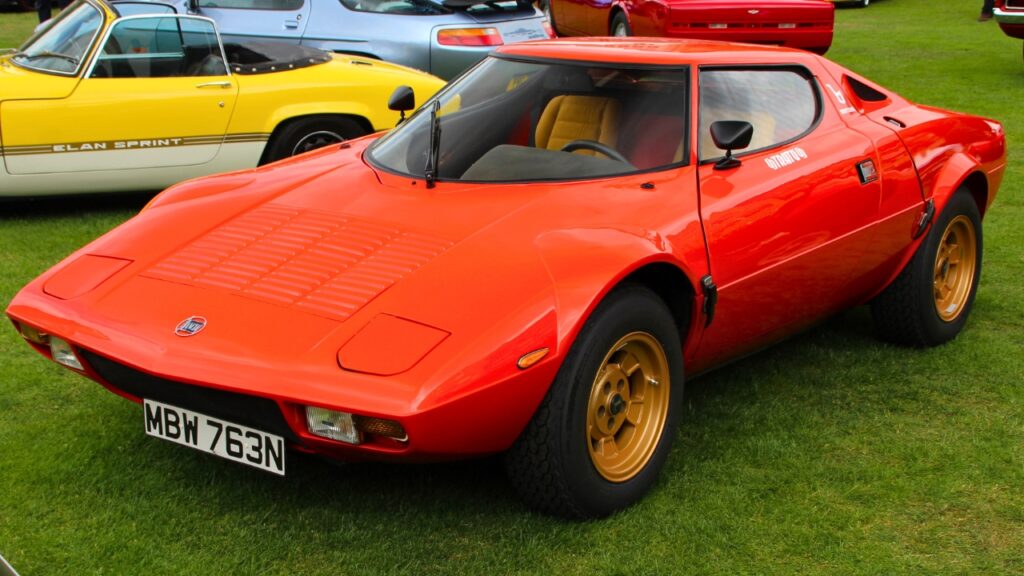
The Lancia Stratos was developed primarily for rally competition, making production numbers relatively small. Its compact mid-engine layout and aggressive styling created an unmistakable identity both on and off the rally stage. The Stratos proved that motorsport success could establish legendary status without mass-market sales.
Ford RS200
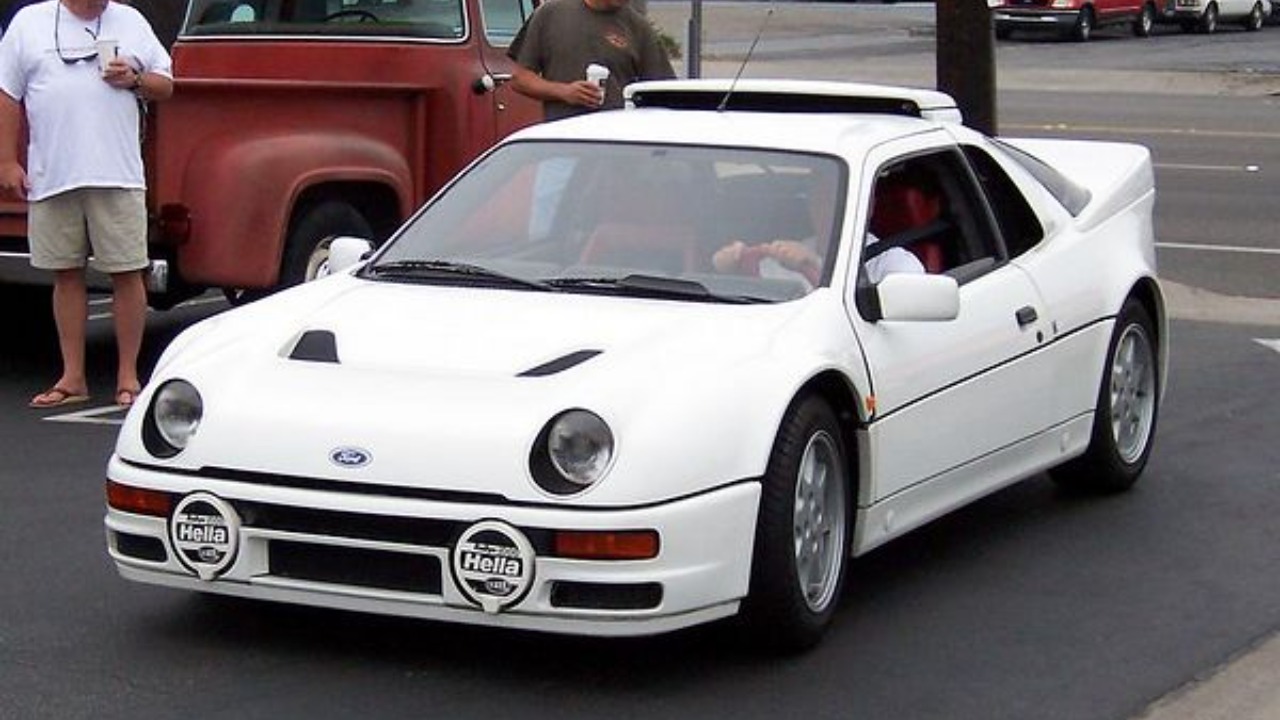
The Ford RS200 was created to compete in the demanding Group B rally era rather than achieve large commercial success. Its advanced mid-engine layout and four-wheel-drive system demonstrated remarkable engineering ambition. Despite limited production, it remains one of Ford’s most respected performance machines.
Jaguar XJ220
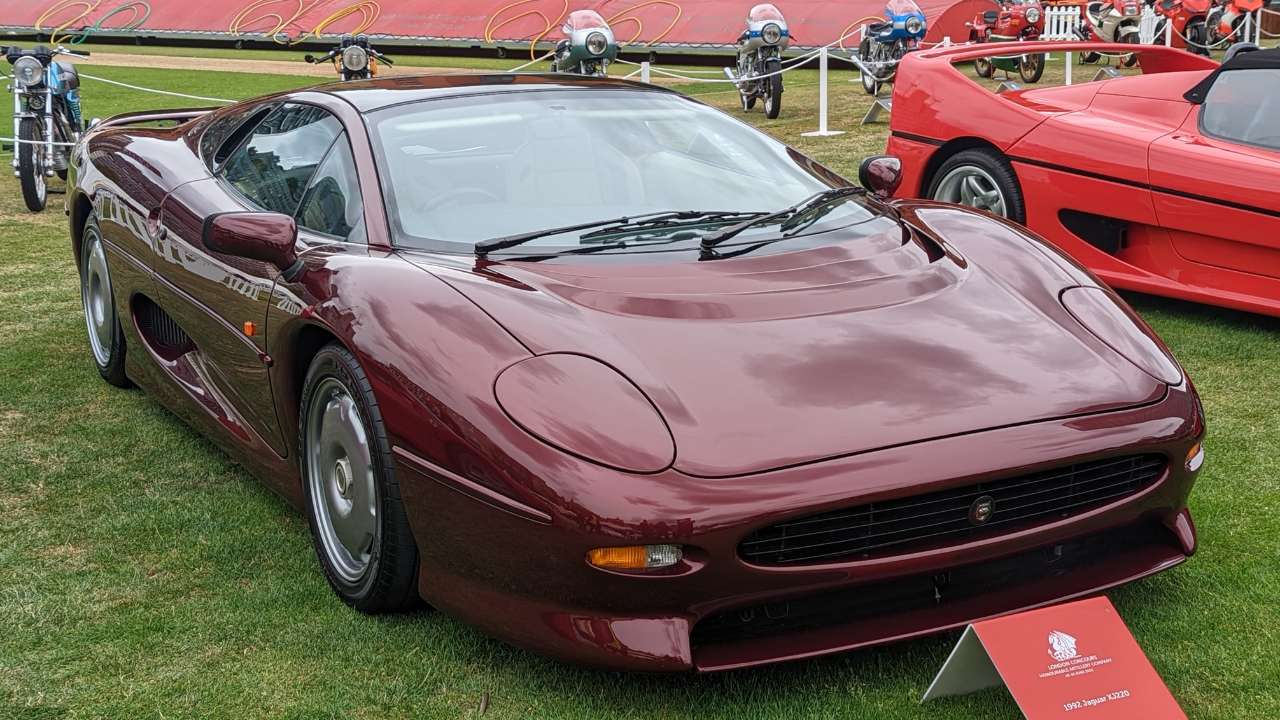
The Jaguar XJ220 briefly held the title of the world’s fastest production car while showcasing advanced engineering and dramatic styling. Production remained limited, but its performance capabilities secured an enduring place in supercar history. Enthusiasts continue recognizing it as one of Britain’s greatest automotive accomplishments.
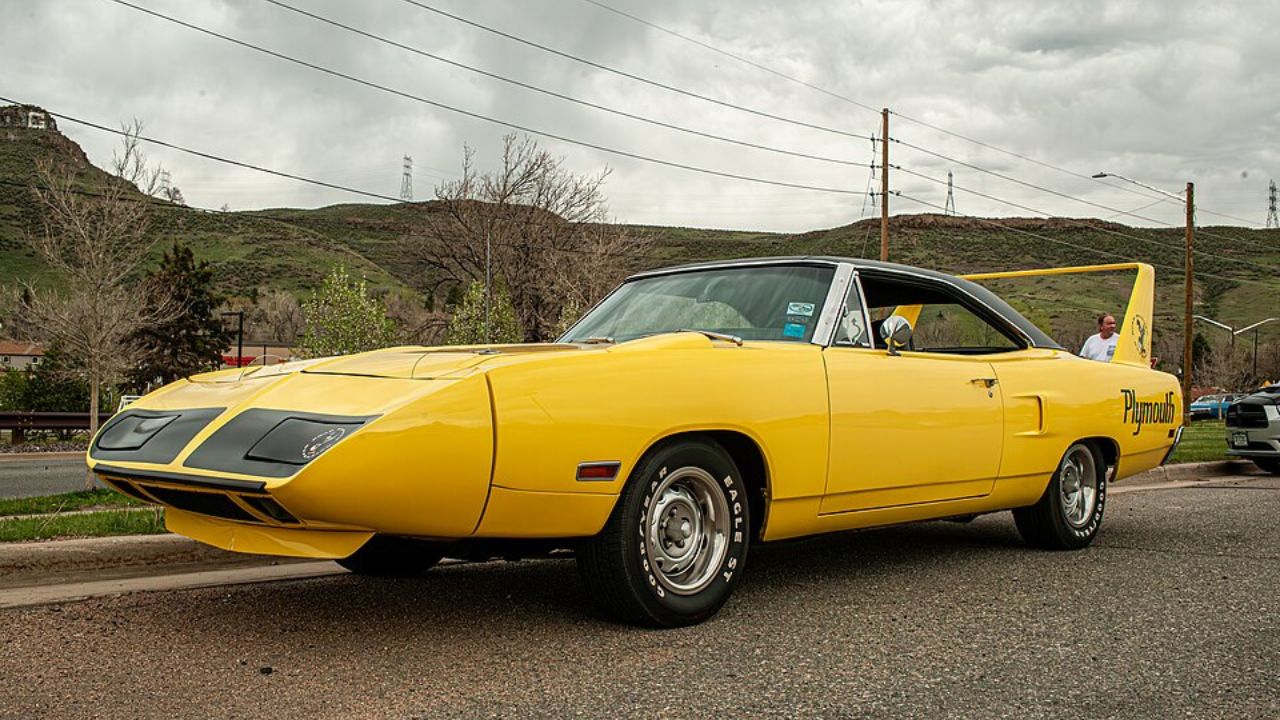
Plymouth Superbird
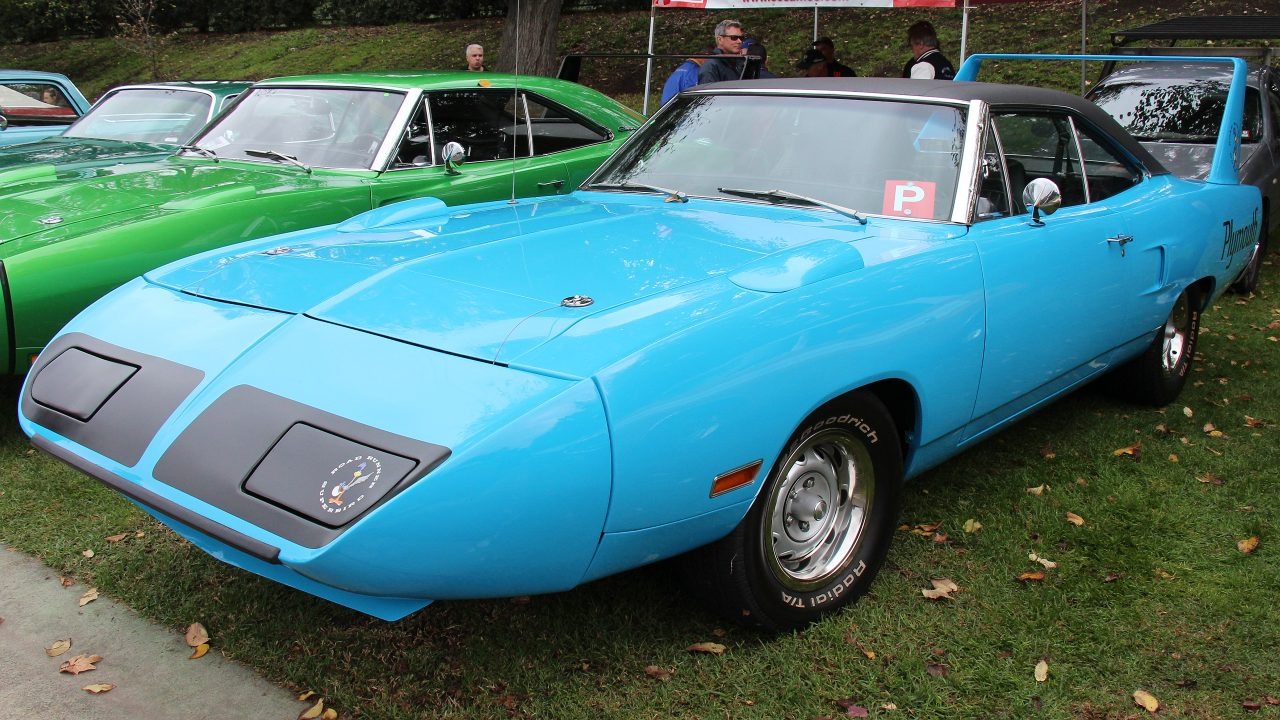
The Plymouth Superbird existed primarily to satisfy NASCAR homologation requirements, resulting in a relatively short production run. Its towering rear wing and aerodynamic nose made it instantly recognizable. Once considered unusual, it has since become one of the most iconic and valuable American performance cars.
BMW M1
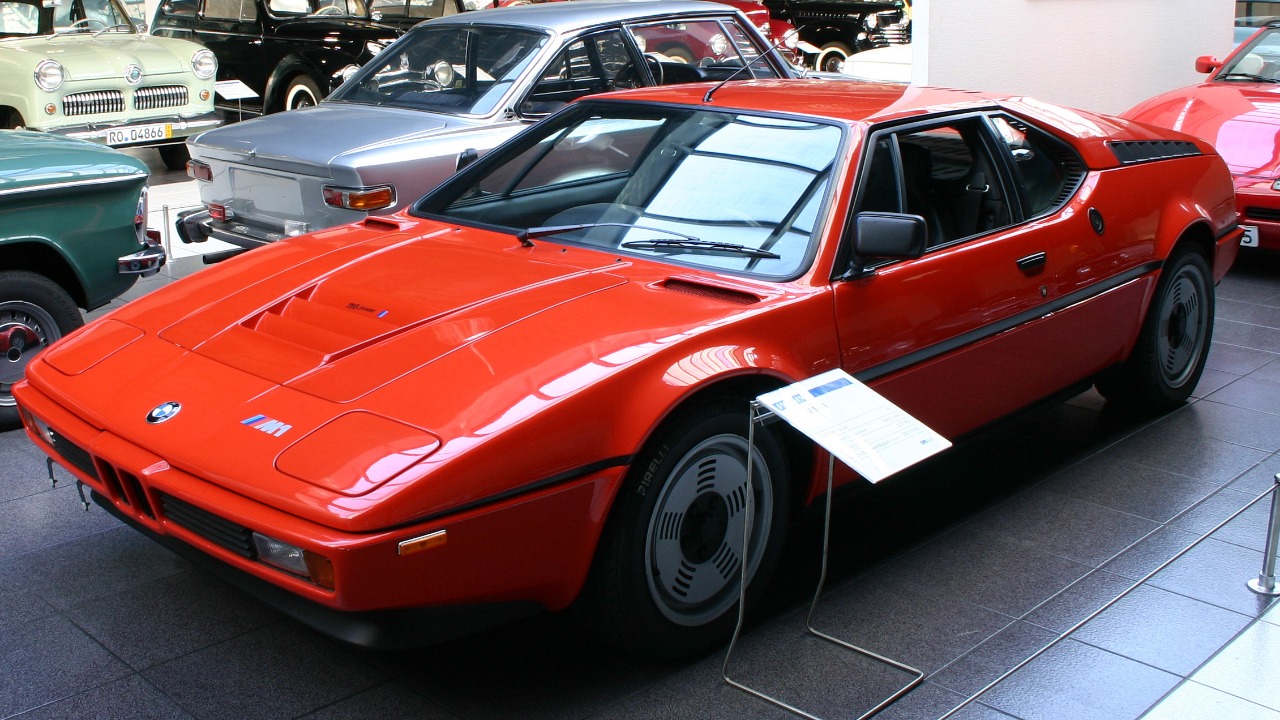
The BMW M1 represented the company’s first true mid-engine supercar, developed with motorsport ambitions in mind. Limited production prevented widespread sales, yet its engineering and distinctive styling established lasting significance. The M1 remains a cornerstone of BMW’s performance heritage.
Ferrari F40
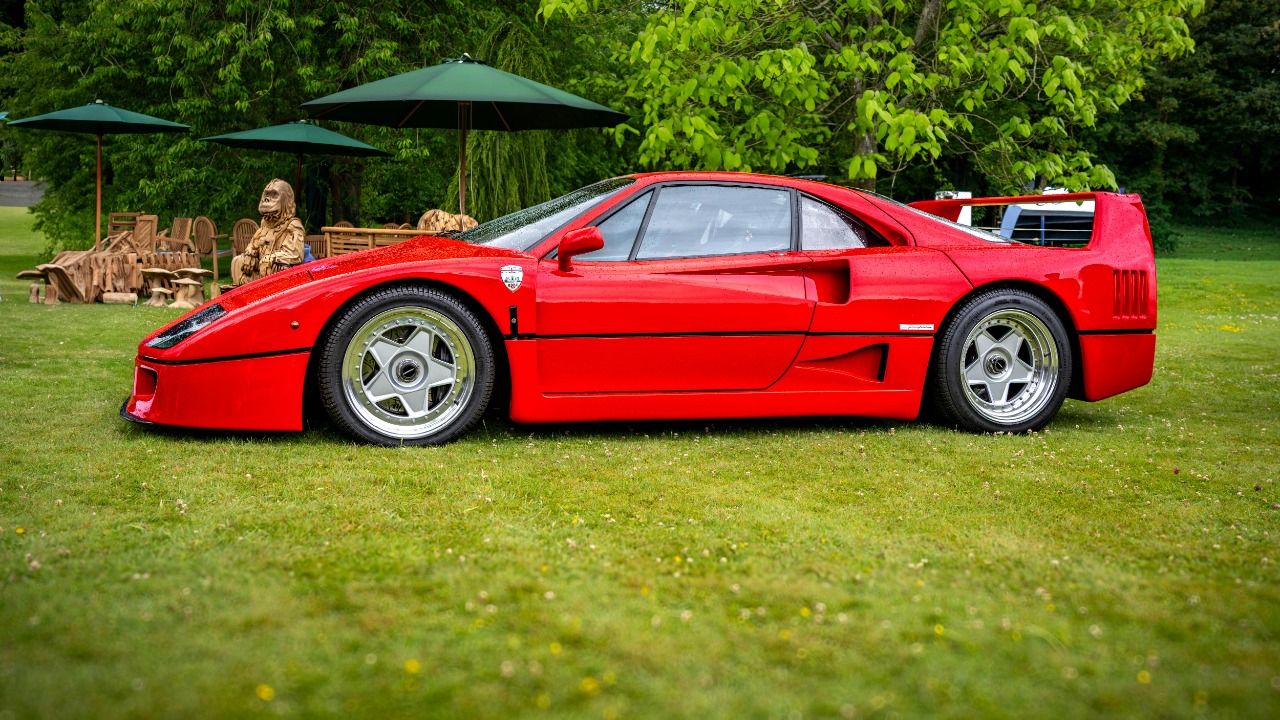
The Ferrari F40 celebrated the company’s 40th anniversary with lightweight construction, twin-turbocharged performance, and uncompromising driver engagement. Though production numbers remained modest compared with mainstream vehicles, its raw character made it one of the most admired supercars ever created. It continues to define Ferrari’s analog performance legacy.
Tucker 48
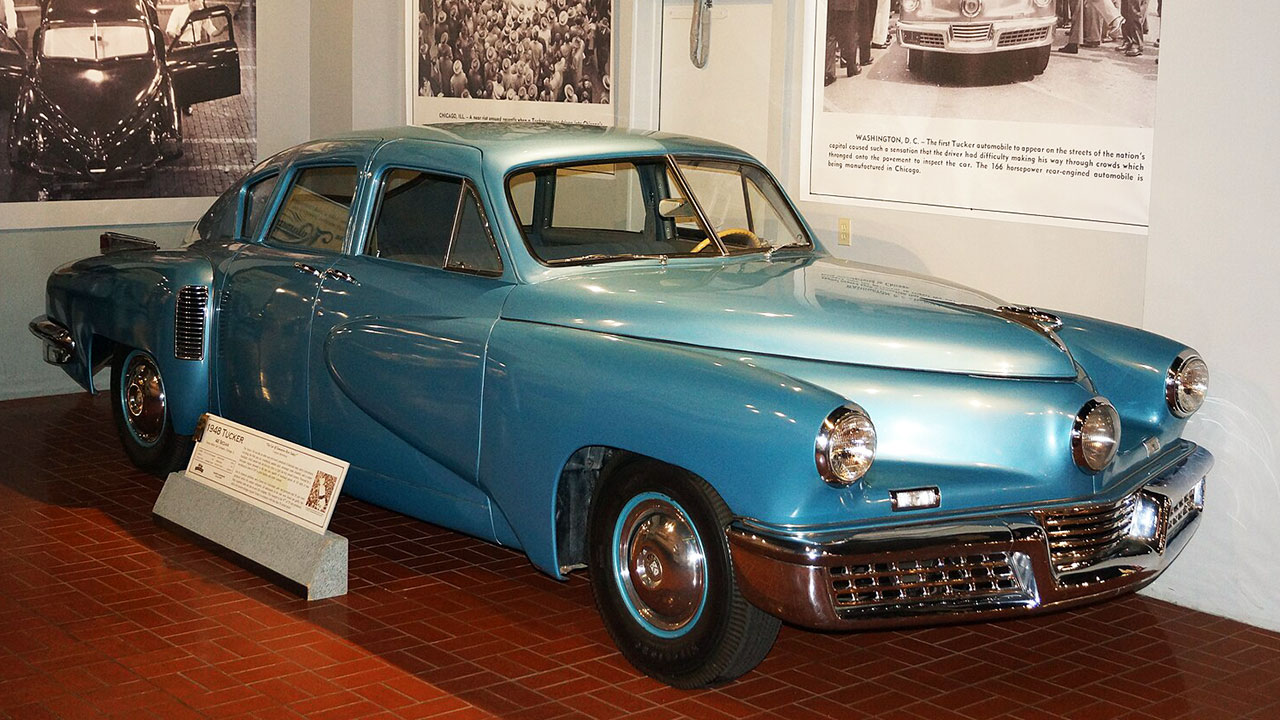
The Tucker 48 became famous for innovative safety features and advanced engineering despite extremely limited production. Financial and legal challenges prevented widespread manufacturing, but its influence endured through bold ideas that were well ahead of their time. The Tucker 48 remains one of the most fascinating stories in American automotive history.
More from Fast Lane Only
- Unboxing the WWII Jeep in a Crate
- 15 rare Chevys collectors are quietly buying
- 10 underrated V8s still worth hunting down
- Police notice this before you even roll window down
*Research for this article included AI assistance, with all final content reviewed by human editors