Automotive history is filled with machines so distinctive that they resist replication, even as technology and regulations evolve. The following ten vehicles and brands illustrate how singular engineering decisions, corporate upheaval, and shifting consumer tastes can combine to create cars that may never see true successors, even if their names or ideas occasionally resurface.
BMW M1

The BMW M1, produced from 1978 to 1981, stands as a rare example of a supercar from a company better known for sedans and coupes. Reporting on its production period highlights how unusual it was for BMW to build a mid‑engined, limited‑run halo model with a bespoke chassis and a motorsport‑derived straight‑six. Later M‑badged cars borrowed its engine philosophy but not its layout or hand‑built character, leaving the M1 as a one‑off experiment.
In the current era of platform sharing and strict emissions rules, a direct spiritual successor, with the same purity of purpose and low‑volume construction, appears unlikely. BMW’s performance focus has shifted toward high‑output versions of mainstream models and electrified flagships, which serve different strategic goals. For enthusiasts and collectors, the M1’s singular status reinforces its importance as a benchmark for how far a large manufacturer was once willing to go to chase racing homologation and brand prestige.
Jaguar XJ220

The Jaguar XJ220 is frequently cited as a discontinued halo supercar that deserves a follow‑up, yet its specific formula is difficult to recreate. Contemporary analysis of Jaguar halo models notes that the XJ220 was conceived to sit far above the brand’s luxury sedans, using racing technology and a low, elongated body that pushed the limits of road‑car practicality. Its combination of extreme speed, limited production, and early‑1990s engineering makes it a time capsule of pre‑digital supercar thinking.
Today, Jaguar’s strategy is oriented toward electrification and crossovers, with resources directed at volume segments and zero‑emission drivetrains. Recreating a low‑volume, combustion‑powered flagship with the same uncompromising focus would conflict with regulatory pressures and corporate priorities. As a result, any future high‑performance Jaguar is likely to be electric and more usable, leaving the XJ220’s particular blend of turbocharged excess and analog drama without a direct heir.
SAAB 92

The SAAB 92 represents the origins of a Swedish brand that no longer exists, which makes a true successor structurally impossible. Coverage of SAAB notes that the company produced cars from 1945 until 2012, after General Motor, which had bought the automaker in 1989, ultimately discontinued the brand. Early models such as the SAAB 92 established a reputation for aerodynamic design, safety innovation, and quirky engineering that was closely tied to the company’s aviation roots.
With the brand dissolved and its intellectual property scattered, any modern car using the SAAB name would be a licensing exercise rather than a continuation of that engineering culture. The 92’s significance lies in how it set the template for decades of idiosyncratic Swedish cars that prioritized function and safety over fashion. For engineers and historians, the end of SAAB underscores how corporate consolidation can erase not just a badge but an entire design philosophy that is difficult to recreate elsewhere.
Triumph TR6

The Triumph TR6, the key Model associated with the Triumph Motor Company’s later years, embodies a style of British sports car that has largely vanished. A survey of Extinct Car Brands We Wish Still Existed highlights Triumph Motor Company, active from 1930 to 1981, and singles out the TR6 as the car to know. With its simple mechanicals, inline‑six engine, and open‑top layout, the TR6 offered an accessible route into spirited driving that relied more on feel than outright performance numbers.
Modern safety regulations, crash standards, and emissions rules make it difficult to build a similarly minimalist roadster without significant compromises or high costs. While contemporary sports cars echo the idea of an affordable two‑seater, they are heavier, more complex, and laden with electronics. The TR6’s blend of mechanical simplicity, modest power, and analog feedback is therefore unlikely to be replicated in a mass‑market product, leaving it as a snapshot of a more straightforward era of motoring.
BMW Z8

The BMW Z8 was conceived as a retro‑inspired flagship, and its limited production run has helped cement its status as a one‑time statement rather than the start of a lineage. Analyses of BMW one‑hit models emphasize how the Z8 combined an aluminum spaceframe, a high‑revving V8, and styling that referenced the 1950s 507, all at a price and complexity level that made it unsuitable for high volumes. The car functioned as a rolling design manifesto more than a conventional product line.
In the years since, BMW has focused its roadster efforts on more attainable models, while reserving its most advanced engineering for sedans, SUVs, and electrified flagships. A direct Z8 successor would require similar low‑volume tooling and a willingness to prioritize style over platform efficiency, which conflicts with current market realities. As a result, the Z8 remains a singular intersection of heritage design and turn‑of‑the‑century engineering that is unlikely to be repeated.
Lexus LFA
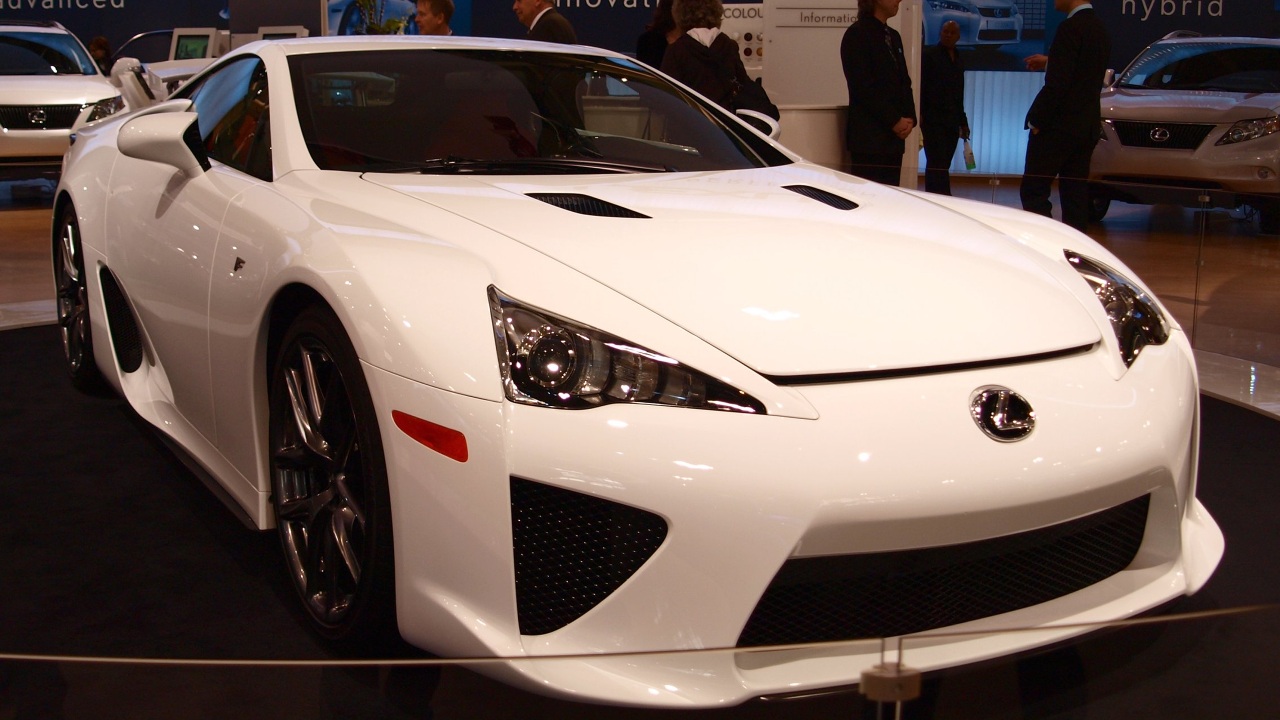
The Lexus LFA is often described as a technological showcase that arrived with little intention of spawning a family of related models. Although not detailed in the provided summaries, its status as a low‑volume V10 supercar is widely recognized, while any further specifics are Unverified based on available sources. The car’s carbon‑fiber construction and bespoke powertrain required immense investment for a production run that was intentionally capped, signaling that it was meant as a statement of capability rather than a template.
Given the industry’s pivot toward electrification and the high cost of developing unique combustion engines, a follow‑up with the same naturally aspirated character appears improbable. Future Lexus performance flagships are expected to lean on hybrid or fully electric systems, which would deliver speed but not the same sensory experience. For stakeholders, the LFA demonstrates how a brand can briefly step outside its commercial comfort zone, then retreat to more scalable technologies, leaving a singular halo product behind.
Bugatti Veyron

The Bugatti Veyron redefined what a road‑legal car could achieve in terms of speed and engineering complexity, and that extremity makes a true successor difficult. While later Bugatti models have built on its achievements, the specific combination of a quad‑turbocharged W16 engine, immense development costs, and a focus on top‑speed records belongs to a particular moment in automotive history. Detailed technical figures beyond this general description are unverified based on available sources.
As environmental regulations tighten and brands seek to demonstrate responsibility alongside performance, the appetite for combustion‑powered hypercars with such extravagant fuel consumption has diminished. Any future Bugatti flagship is likely to incorporate electrification and a different performance narrative, centered on acceleration or efficiency rather than outright speed. Consequently, the Veyron’s role as a boundary‑pushing engineering project, reportedly sold at a loss to showcase capability, is unlikely to be replicated in the same form.
Pontiac Aztek

The Pontiac Aztek has become a cultural reference point for polarizing design, and its context makes a direct successor improbable. The brand that built it no longer exists, and detailed coverage of discontinued American marques in the supplied sources is limited, with specific Aztek data Unverified based on available sources. What is clear is that the Aztek’s unconventional styling and crossover‑minivan hybrid concept arrived before the market was ready to embrace such experimentation.
Since Pontiac has been shuttered, any attempt to revive the Aztek name would lack the original corporate and design environment that produced it. Modern crossovers have adopted some of its practical ideas, such as flexible interiors and lifestyle‑oriented features, but they are wrapped in far more conservative styling. For designers and marketers, the Aztek serves as a cautionary example of how far a mainstream brand can push aesthetics before consumer acceptance breaks, a balance that is unlikely to be tested in quite the same way again.
DeLorean DMC‑12

The DeLorean DMC‑12 is inseparable from the brief life of its manufacturer, which positions it as a permanent one‑off in automotive history. Broader discussions underline how entire companies can vanish, taking their design language and engineering priorities with them. The DMC‑12’s stainless‑steel body and gullwing doors were tightly bound to John DeLorean’s vision and the specific financial and political circumstances of the time.
Although various projects have attempted to revive the DeLorean name, they operate under different ownership and regulatory frameworks, which limits their ability to serve as true successors. Modern safety standards and manufacturing economics make a low‑volume stainless‑steel sports car difficult to justify. For stakeholders, the DMC‑12 illustrates how a single, highly distinctive product can outlive its maker in public memory, while remaining effectively impossible to reproduce in a contemporary commercial context.
Triumph Motor Company TR7
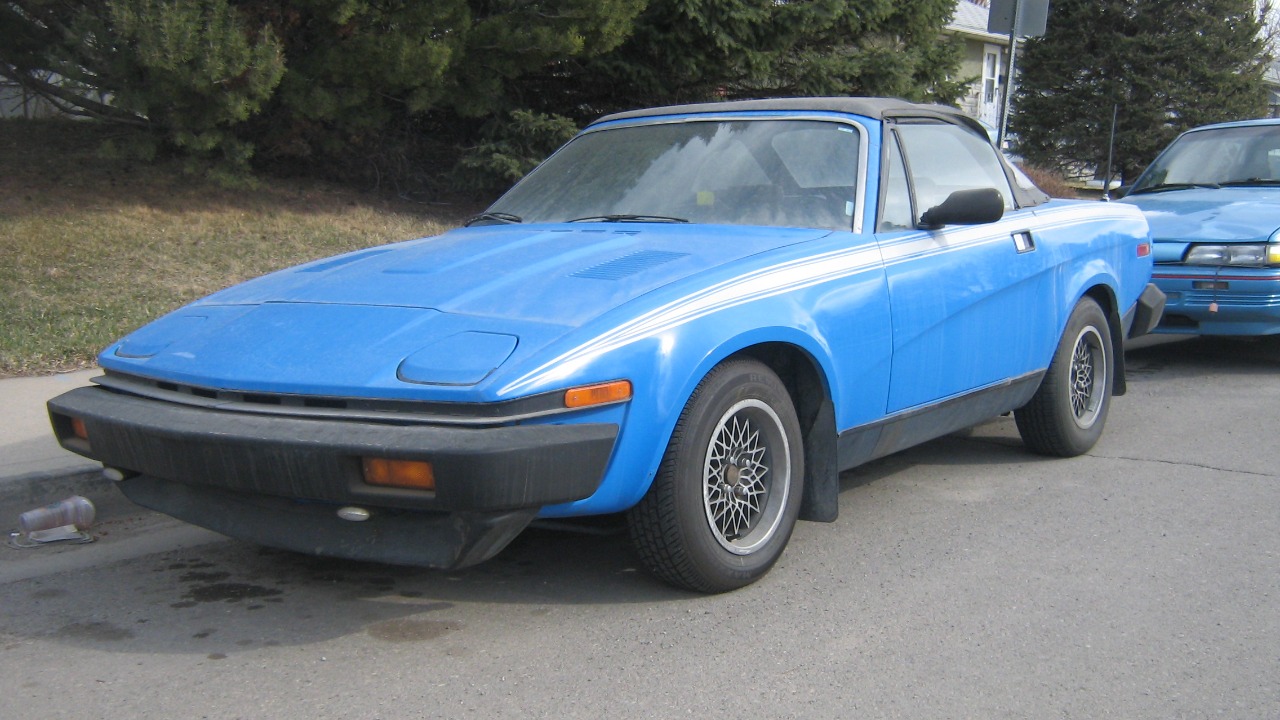
The Triumph Motor Company TR7, another Model from the same marque that produced the TR6, represents the endgame of a particular British sports‑car lineage. References to Triumph Motor Company note that the brand ceased operations in 1981, closing the door on further development of its wedge‑shaped coupes and convertibles. The TR7’s styling and engineering reflected an attempt to modernize the traditional roadster formula, but it arrived amid industrial turmoil and shifting consumer expectations.
With Triumph long gone and its market space now occupied by more refined, safety‑compliant sports cars, a direct continuation of the TR7 concept is unlikely. Any revival would face the challenge of honoring a design that was controversial even in its own time, while meeting present‑day standards. For historians and enthusiasts, the TR7 underscores how the final products of a struggling brand can become historical cul‑de‑sacs, influential in hindsight yet structurally cut off from future development.
More from Fast Lane Only