Before the digital age transformed automobiles into high-tech machines, cars were simpler, with mechanical precision and straightforward engineering. These classic cars have left a lasting impression for their design, performance, and influence on the automotive world. Let’s take a nostalgic drive through some iconic vehicles built before everything went digital.
Ford Model T
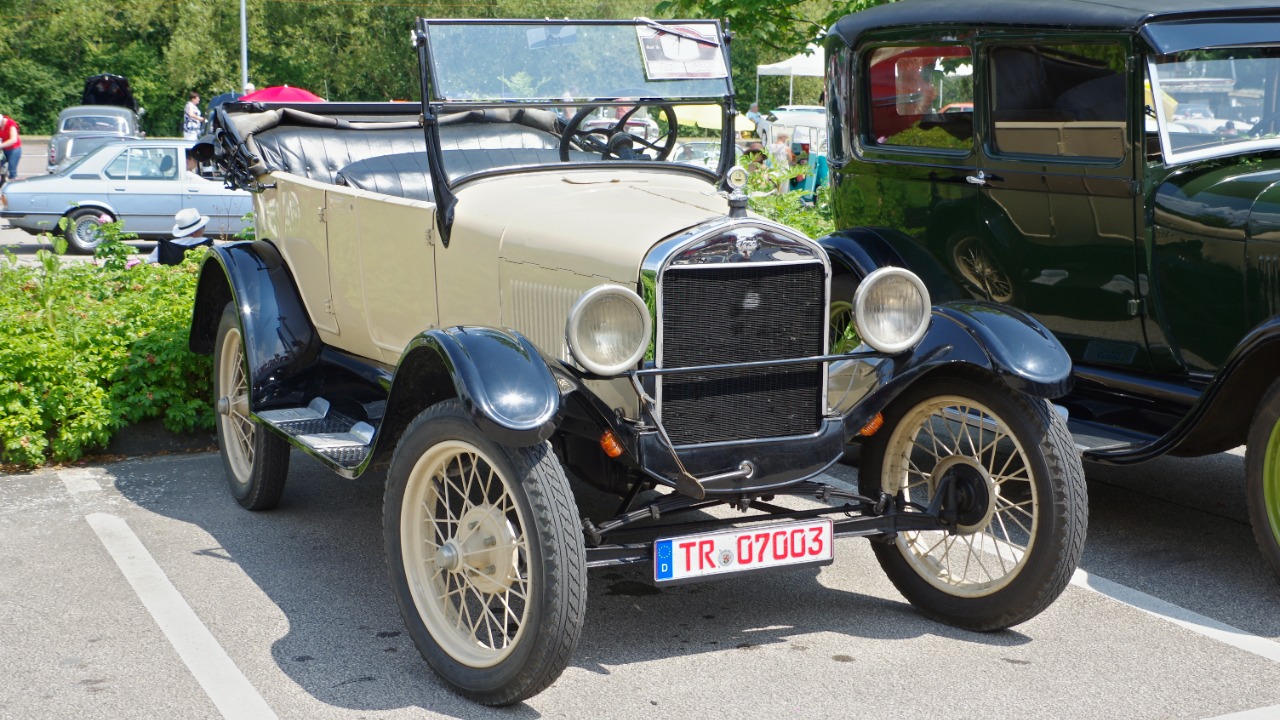
The Ford Model T, introduced in 1908, revolutionized the automobile industry by making cars affordable for the average American. Known as the “Tin Lizzie,” it was powered by a 2.9-liter four-cylinder engine and famously came in any color as long as it was black. The Model T’s production line assembly method set the standard for mass production, making it a historical landmark in automotive manufacturing.
With over 15 million units produced by 1927, the Model T was more than just a car; it was a symbol of innovation and accessibility. Its simple engineering made it easy to repair and maintain, endearing it to a generation of drivers and ensuring its place in automotive history.
Volkswagen Beetle (Type 1)
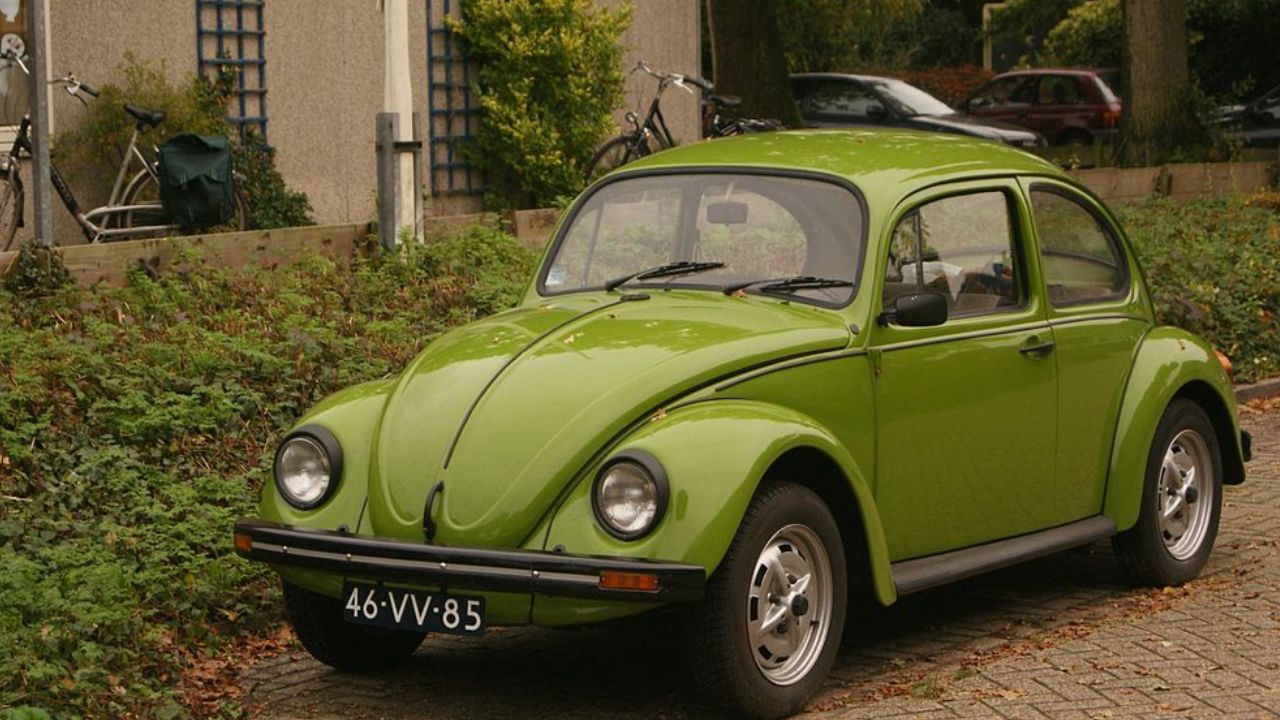
The Volkswagen Beetle, or “Bug,” was initially introduced in 1938 and became an icon of the 20th century. Designed by Ferdinand Porsche, the Beetle’s distinctive shape and rear-engine layout set it apart from its contemporaries. By the 1960s, it had become a symbol of counterculture movements around the world.
With a simple air-cooled engine, the Beetle was both reliable and easy to maintain. Its durability and charm helped it remain in production until 2003, making it one of the longest-running and most-produced car models in history. The Beetle’s influence is still felt today, with its design inspiring modern iterations.
Chevrolet Bel Air

The Chevrolet Bel Air, particularly the models produced in the mid-1950s, epitomized the flair and style of the era. With its chrome accents and bold two-tone paint options, the Bel Air was a standout at the time. Under the hood, it offered a range of powerful engines, including the iconic V8, which provided impressive performance.
As a symbol of post-war prosperity, the Bel Air captured the imagination of a generation. It became a favorite for both families and hot-rodders, thanks to its spacious interior and robust build. The Bel Air’s timeless design continues to be celebrated by classic car enthusiasts.
Porsche 356
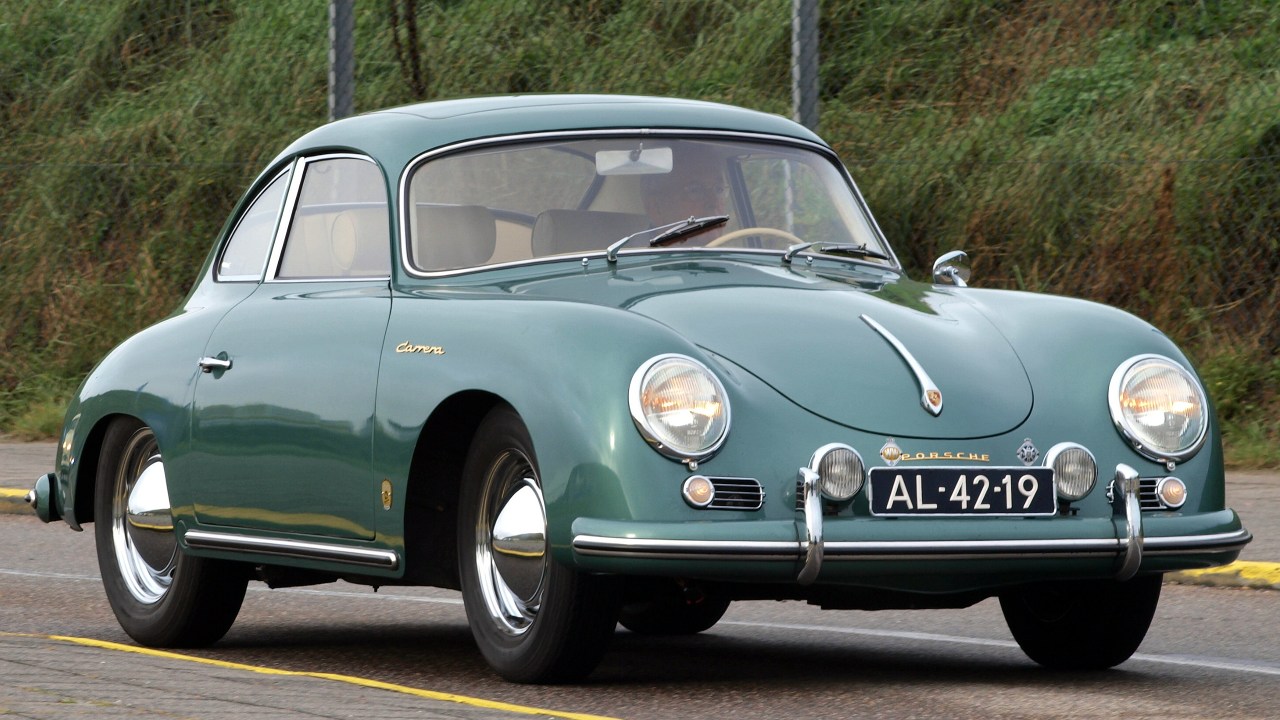
The Porsche 356 was the brand’s first production vehicle, introduced in 1948. Its lightweight design and agile handling made it a favorite among driving enthusiasts. With its rear-engine configuration and flat-four engine, the 356 set the stage for the brand’s future success.
Throughout its production run, the Porsche 356 underwent numerous updates, enhancing its performance and styling. It was a true driver’s car, offering a pure and engaging experience on the road. Today, the 356 is highly sought after by collectors, appreciated for its classic elegance and enduring appeal.
Jaguar E-Type
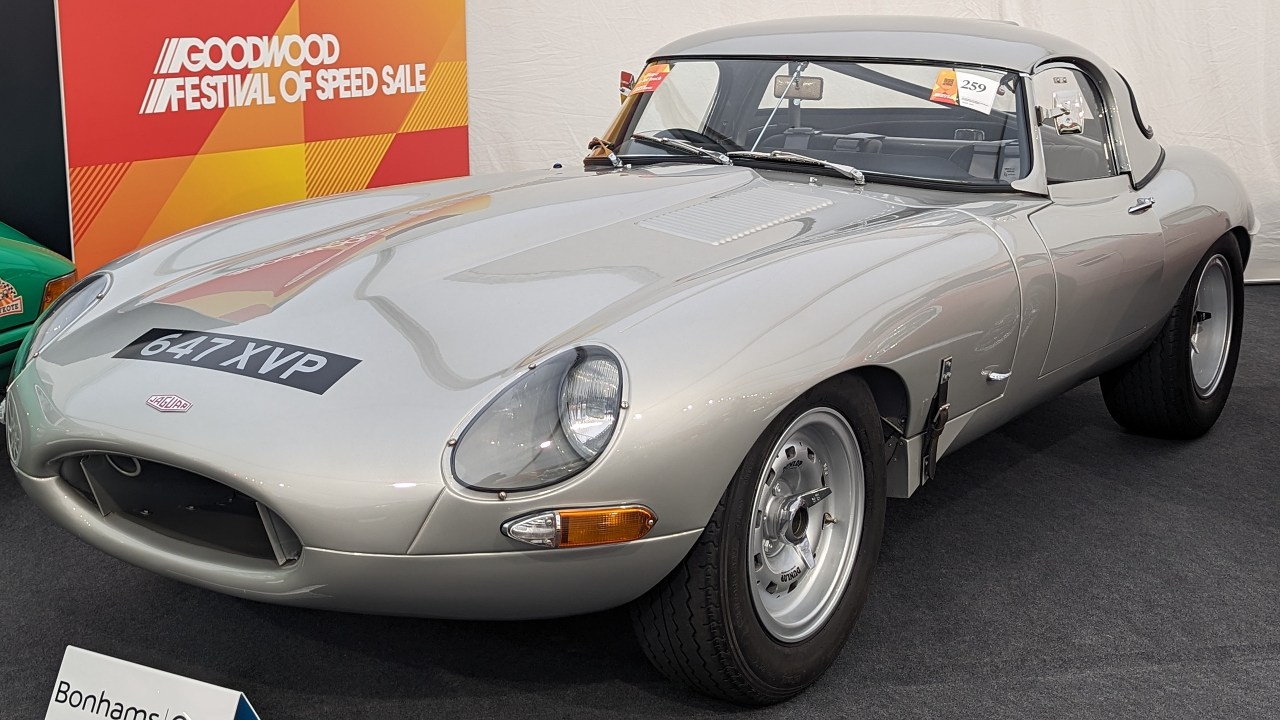
The Jaguar E-Type, launched in 1961, is often hailed as one of the most beautiful cars ever made. Its sleek lines and long hood were revolutionary, capturing the spirit of the 1960s. Under the hood, the E-Type featured a powerful inline-six engine that provided exhilarating performance.
With a top speed of over 150 mph, the E-Type was not just about looks; it was a serious sports car. Its combination of beauty and performance earned it a permanent place in automotive history. Enzo Ferrari himself reportedly called it “the most beautiful car ever made,” cementing its status as a design icon.
Ford Mustang (First Generation)
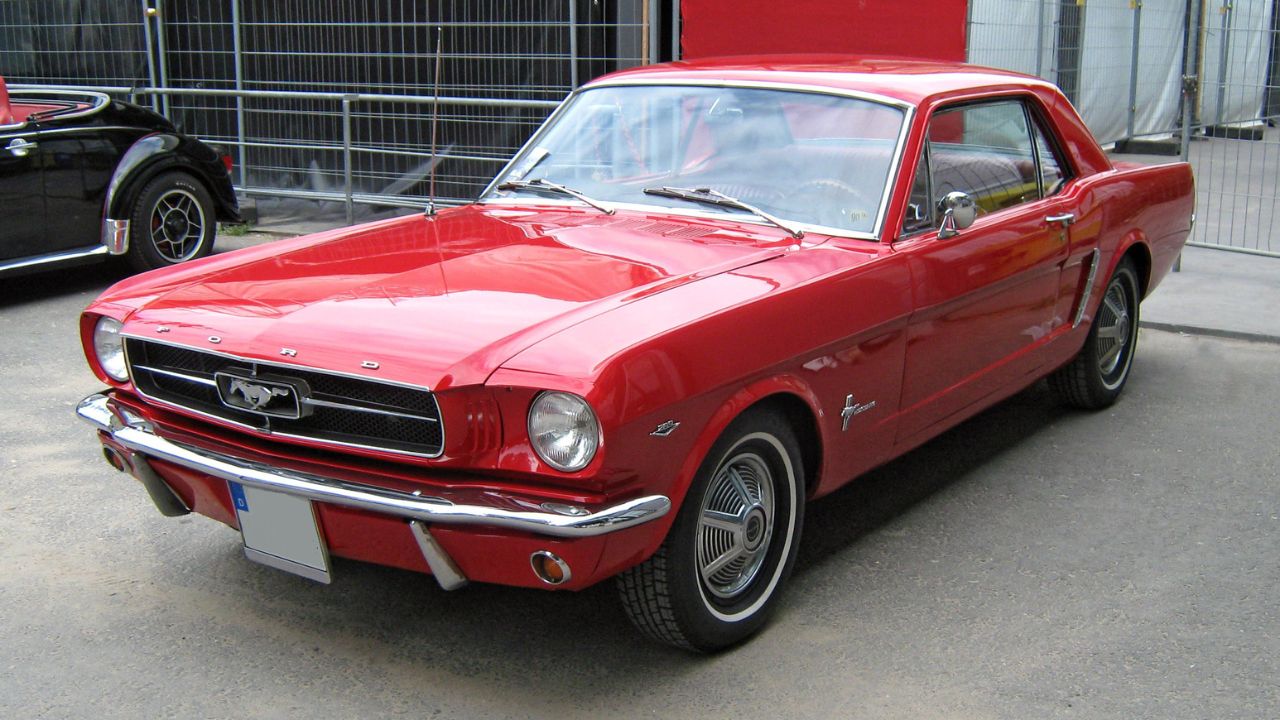
The Ford Mustang, launched in 1964, was an instant hit and gave birth to the “pony car” class of American muscle cars. With its affordable price and youthful image, the Mustang appealed to a wide audience. The first generation offered a variety of engines, including the potent V8 options that thrilled performance enthusiasts.
The Mustang’s success was fueled by its customizable nature, allowing buyers to tailor the car to their preferences. It became a cultural phenomenon, symbolizing freedom and the open road. The Mustang’s enduring legacy is evident in its continued popularity and influence on car design.
Chevrolet Corvette (C1)

The Chevrolet Corvette, first introduced in 1953, set the standard for American sports cars. The first-generation C1 model featured a fiberglass body, a novel concept at the time, and a range of powerful engines, including the iconic small-block V8.
With its sleek design and impressive performance, the Corvette quickly gained a reputation as a serious contender in the sports car world. The C1’s influence extended beyond its era, laying the groundwork for the Corvette’s future generations. Its legacy continues to thrive as a symbol of American automotive prowess.
Aston Martin DB5
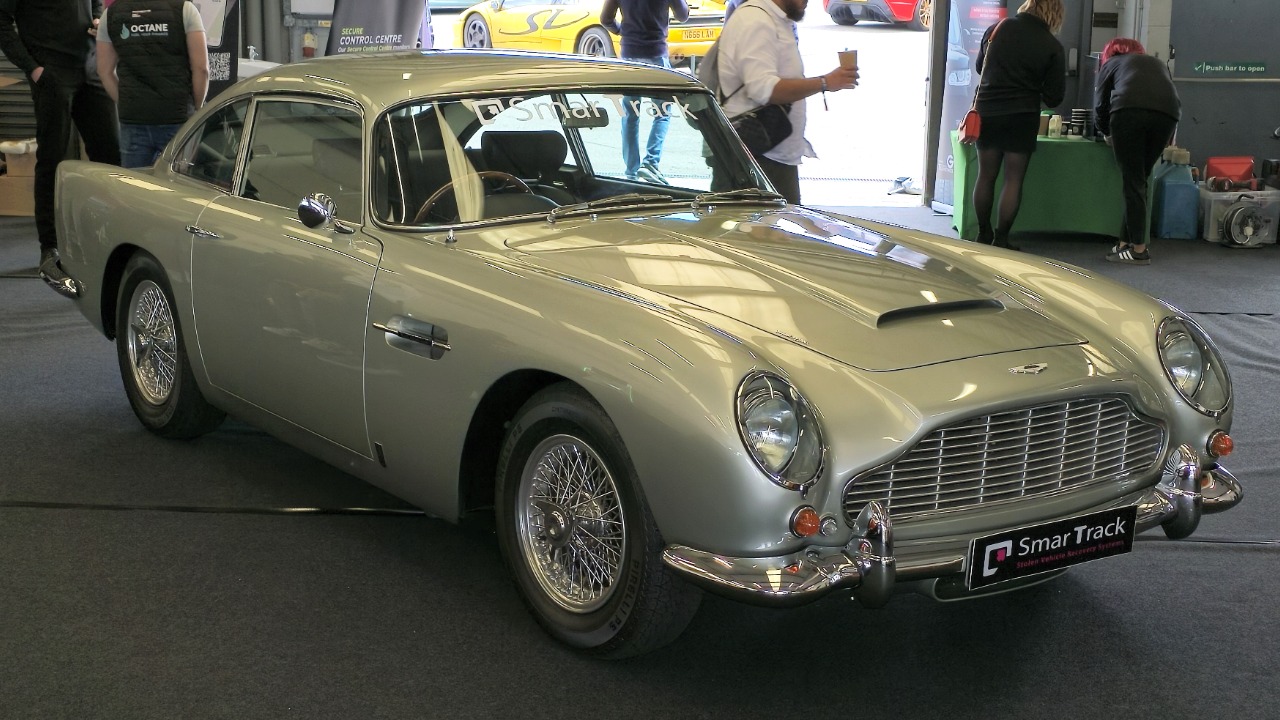
The Aston Martin DB5, introduced in 1963, became an icon of British luxury and style, partly thanks to its association with James Bond in the film “Goldfinger.” The DB5’s elegant design and luxurious interior made it a favorite among the elite.
Powered by a 4.0-liter inline-six engine, the DB5 offered both performance and refinement. Its sophisticated engineering and timeless design have made it one of the most desirable classic cars. Even today, the DB5 is celebrated for its connection to cinema and its embodiment of British automotive excellence.
Mercedes-Benz 300SL Gullwing

The Mercedes-Benz 300SL Gullwing, introduced in 1954, is renowned for its iconic upward-opening doors and advanced engineering. Its 3.0-liter inline-six engine featured direct fuel injection, a first for production cars, delivering impressive power and speed.
The Gullwing’s lightweight construction and aerodynamic design helped it achieve remarkable performance, making it a favorite among racing enthusiasts. Its unique styling and technical innovations have ensured its place as one of the most celebrated cars in automotive history, admired by collectors and enthusiasts alike.
Alfa Romeo Spider (Series 1)
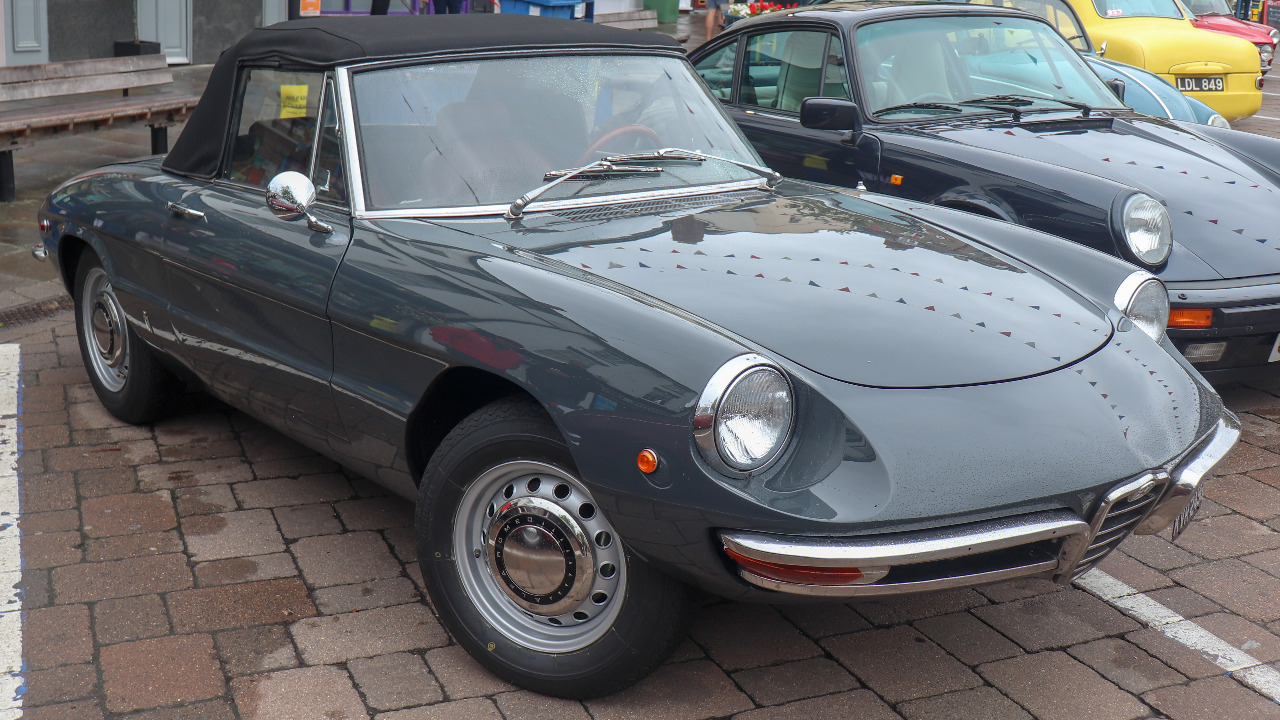
The Alfa Romeo Spider, particularly the Series 1 models produced between 1966 and 1969, is celebrated for its elegant design by Pininfarina. Known as the “Duetto,” this convertible sports car featured a responsive 1.6-liter engine, making it a joy to drive.
The Spider gained fame with its appearance in the film “The Graduate,” earning it a place in pop culture. Its combination of Italian styling and spirited performance has made it a beloved classic. The Spider’s timeless appeal continues to attract enthusiasts who appreciate its charm and driving dynamics.
More from Fast Lane Only