You watch NASCAR because you expect tight racing, daring strategy, and a level playing field. When two car chiefs are kicked out of the garage before a lap is run, you are reminded that the fight for fairness starts long before the green flag. Atlanta’s latest inspection drama did not just sideline key personnel, it also put the sport’s strict technical rules in front of you as a deciding factor in how a race weekend unfolds.
At EchoPark Speedway in Atlanta, inspection failures for two Cup Series entries triggered ejections that reshaped how those teams could prepare and compete. A few minutes in the inspection bay erased advantages, stripped away pit road perks, and forced drivers and crews to scramble simply to get back to baseline.
What happened in Atlanta’s inspection line
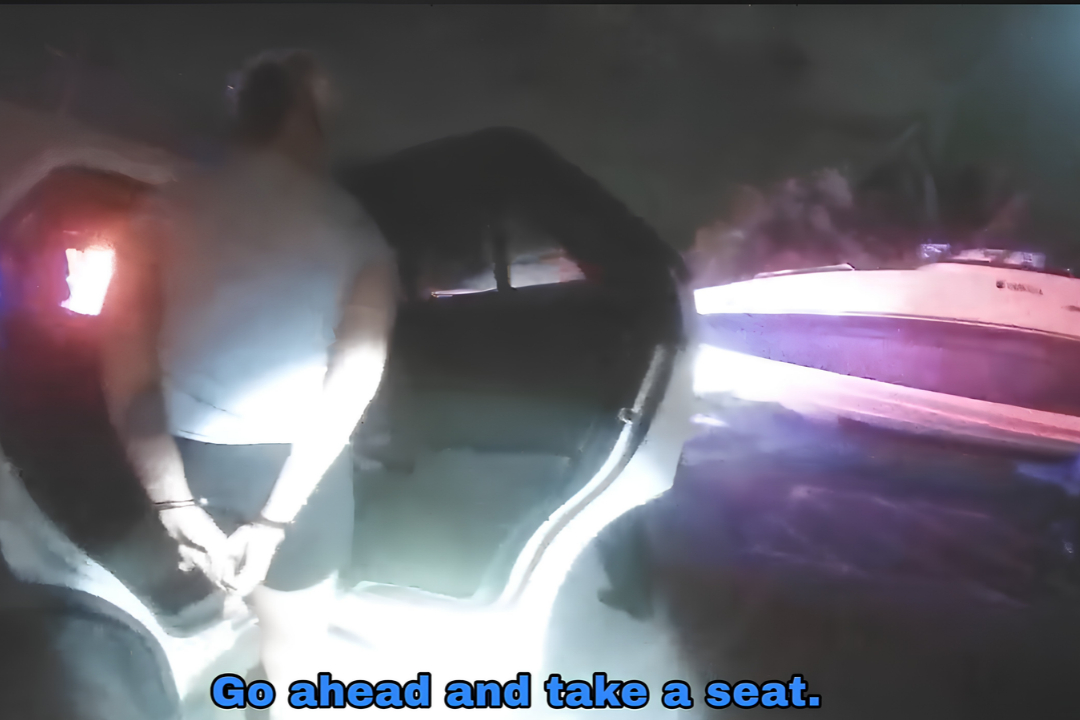
The ripple began when officials completed the initial checks for the NASCAR Cup Series garage at EchoPark Speedway and found problems serious enough to remove two car chiefs from the event. Following the standard pre-race process, the series ran every car through its multi-stage templates and scanners, and two entries failed inspection often enough that officials ejected the team leaders responsible for those machines. Reporting on the NASCAR Cup Series at EchoPark Speedway described how the sanctioning body reacted once those repeated failures appeared.
The same outcome surfaced across coverage of the Atlanta weekend, which emphasized that Two NASCAR Cup were removed after inspection failures at Atlanta. For you as a viewer, the pattern was clear: officials did not simply fine or warn the teams, they physically removed the car chiefs from the garage and pit road for the rest of the weekend, signaling that the violations crossed a line the rulebook treats as non-negotiable.
How Austin Dillon and B.J. McLeod ended up in the spotlight
Following the inspection story deeper, you saw it connect directly to two Chevrolet organizations. Coverage explained that Inspection Failures Hit, specifically focusing on Chevrolet teams from Richard Childress Racing and Live Fast Motorsports. The No. 3 entry from Richard Childress Racing, driven by Austin Dillon, and the No. 78 entry from Live Fast Motorsports, driven by BJ McLeod, both ran into trouble before they could lock in their starting spots.
You already knew that Austin Dillon has talked about a new approach for the 2023 Cup Series season, and that context made the Atlanta setback feel even sharper. Reporting highlighted how Austin Dillon and each saw their cars fail pre-inspection twice, which triggered the automatic removal of the car chief. The same coverage, citing NASCAR reporting on, tied those failures directly to the ejection of car chief Ryan Chism and the loss of key competitive perks for both teams.
Why the car chief’s ejection matters to you on race day
If you follow the sport closely, you know the car chief is not a background figure. You rely on that role to translate the crew chief’s setup ideas into a legal, fast car that can survive inspection and still race at the front. When officials ejected car chiefs after the Atlanta failures, you watched teams lose the person who usually manages adjustments in the garage, coordinates last-minute changes, and helps keep the car compliant through any additional checks. Without that leader, the crew must reshuffle responsibilities under pressure, which can easily affect how the car feels once it hits the track.
The penalties also went beyond personnel. Coverage of the Two Chevrolet teams explained that Richard Childress Racing and Live Fast Motorsports lost their pit selection after the repeated inspection failures. For you, that means the No. 3 of Austin Dillon and the No. 78 of BJ McLeod were pushed into less favorable pit stalls, which affects every stop under green and yellow. A tight box, a difficult entry angle, or traffic from neighboring teams can cost seconds, and those seconds often decide whether you see a car fight for a top ten or fade into the mid-pack.
What the Atlanta episode tells you about NASCAR’s rulebook
Whenever you see a storyline like this, you are really watching NASCAR reinforce its rulebook in real time. The Atlanta inspection failures showed that the series is willing to escalate quickly from initial warnings to harsh penalties if teams do not correct issues. By ejecting car chiefs and stripping pit road advantages, officials reminded every garage stall that the technical regulations are not suggestions. The fact that coverage of the Two NASCAR Cup inspection saga began with those ejections signals to you that the series wants the public to understand how seriously it treats pre-race legality.
At the same time, the broader news environment keeps this kind of enforcement in front of you as a fan. The story traveled through general NASCAR news streams, across U.S.-focused updates on Atlanta coverage, and into other sections that still flagged the same Two NASCAR Cup inspection angle. That repetition reinforces your sense that inspection is not a procedural footnote but a competitive battleground that can define who actually contends once the race begins.
How you should read future inspection drama
When the next inspection story hits, you will be better equipped to read between the lines. If you see that a team failed pre-race checks once but passed on a second try, you now know that the consequences are limited compared with what you watched unfold at EchoPark Speedway. Multiple failures, especially tied to key entries like the No. 3 of Austin Dillon or the No. 78 of BJ McLeod, signal a deeper problem that can lead to ejections, lost pit selection, and a scramble in the garage. The Atlanta weekend showed you that those outcomes are not hypothetical, they are the real penalties that follow repeated noncompliance.
You can also track how these stories cross borders and formats, from U.S.-focused coverage to Canadian feeds such as Discovered Canada and Discovered news, and even into topic-specific sections like Discovered events. That spread tells you that inspection controversies resonate beyond hardcore garage talk. When car chiefs are ejected in Atlanta and teams like Richard Childress Racing and Live Fast Motorsports lose their usual advantages, you are watching a story that shapes how the sport presents fairness, discipline, and competition to every fan following along.
More from Fast Lane Only